
Coin collecting guides
Coin collecting & selling guides
Genuinely useful, jargon-free guides for buyers and sellers — written to help you make confident decisions before you walk into a shop.
Civil War Tokens: A Complete Collector's Guide
Privately minted cent substitutes that filled the coin shortage of the Civil War, now a deep and affordable collecting field.
By Richard
Civil War Token Values: What Are They Worth?
Common circulated Civil War tokens run about $15-$40, while rare varieties, off-metals, and sutler tokens climb into the thousands.
By Richard
Patriotic Civil War Tokens: Designs, Slogans, and Value
A patriotic Civil War token carries a patriotic slogan or design and no merchant name, which is what separates it from a store card.
By Richard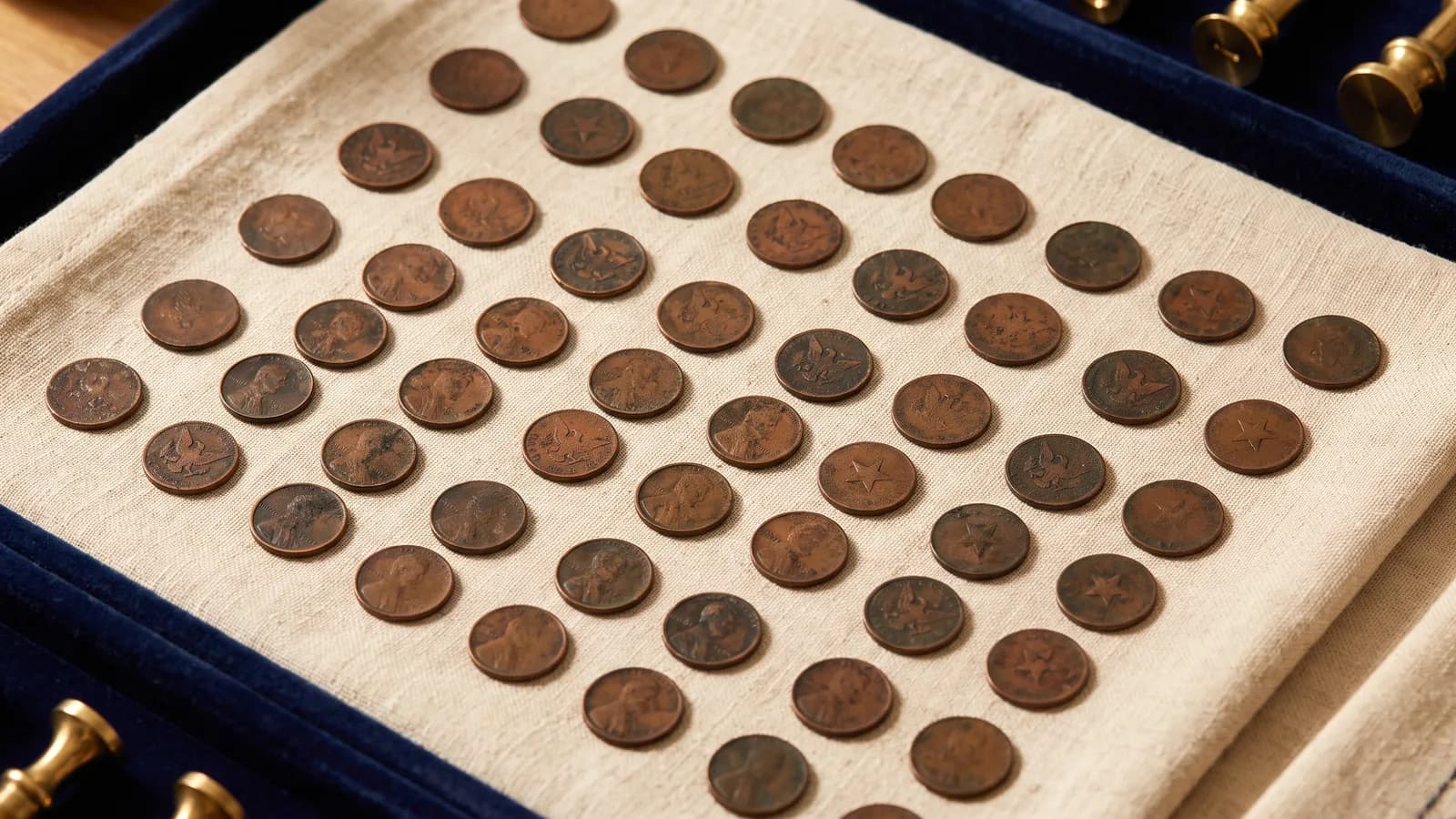
Common Patriotic Civil War Token Designs and Slogans
The flag, the eagle, the Indian head, and Union slogans account for most patriotic Civil War tokens. Here is how to read the recurring designs.
By Richard
The Dix "Shoot Him on the Spot" Civil War Token
The Dix token turns a Secretary of the Treasury's 1861 order into one of the most recognizable patriotic Civil War token designs.
By Richard
Copperhead Civil War Tokens: Peace-Theme Pieces Explained
Most Civil War tokens are pro-Union. The minority carrying peace or anti-war legends are loosely called copperhead tokens, and specialists chase them.
By Richard
Civil War Store Cards: Merchant Tokens and Their Value
A store card is a Civil War token that names a private business and its city, unlike patriotic tokens that carry no merchant name.
By Richard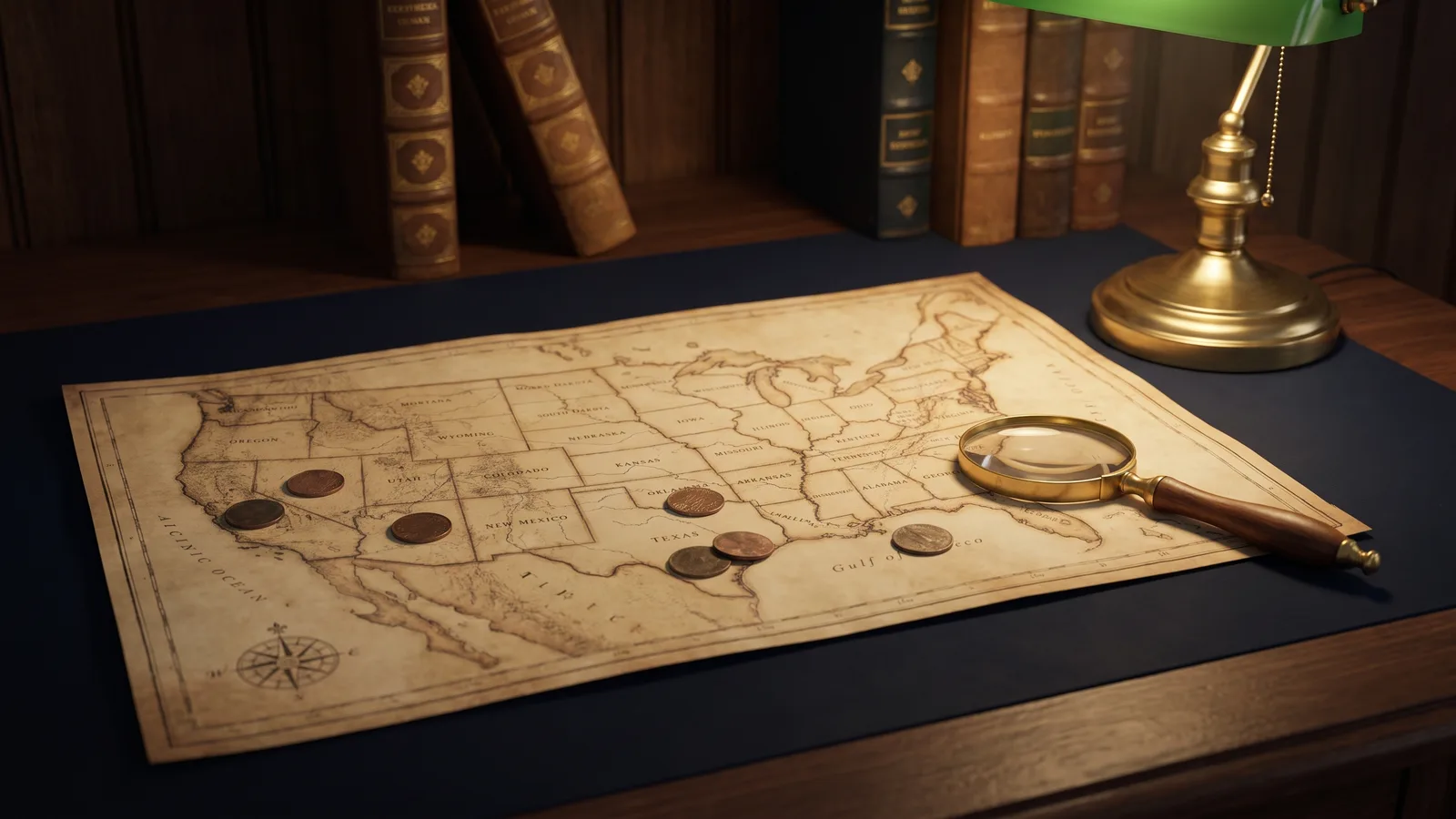
Civil War Store Cards by State: Where They Were Made
Store cards came almost entirely from Northern states, and where a merchant did business still shapes how scarce and valuable the token is today.
By Richard
Civil War Sutler Tokens: The Rarest Type Explained
Sutler tokens were issued by licensed camp merchants, named a specific army regiment, and are by far the rarest of the three Civil War token types.
By Richard
How to Identify Civil War Tokens (Fuld Numbers Explained)
A Civil War token is a private cent-sized piece from 1861-1864. Fuld numbers turn a vague coin into a precise, lookup-ready variety.
By Richard
The Civil War Token Rarity Scale (R-1 to R-10) Explained
The R-1 to R-10 Fuld rarity scale estimates how many of a specific token variety survive, and it can turn a $50 piece into a $500 one.
By Richard
How to Grade Civil War Tokens: Color, Wear, and Problems
Civil War tokens are graded on the Sheldon scale, but color and surface condition often move the price more than wear alone.
By Richard
Civil War Token Metals: Copper, Brass, Silver, and Off-Metals
Copper is the default Civil War token metal, but brass, copper-nickel, tin, and rare silver off-metal strikes exist, and the metal often decides the price.
By Richard
Civil War Token Mules and Off-Metal Strikes
A mule is a Civil War token struck from two dies that were never intended to be paired. Many are prized postwar concoctions, so disclosure and provenance matter.
By Richard
The Most Valuable Civil War Tokens (and Why)
Common Civil War tokens are cheap, but rarity, off-metal strikes, sutler issues, and top grade push the best pieces into the hundreds and thousands.
By Richard
How to Start Collecting Civil War Tokens
Civil War tokens pair genuine 1860s history with low entry prices, making them one of the friendliest ways into serious collecting.
By Richard
Civil War Tokens vs. Hard Times Tokens: The Difference
Both are private tokens issued during coin shortages, but Hard Times tokens came a generation earlier, out of Andrew Jackson's bank war and the Panic of 1837.
By Richard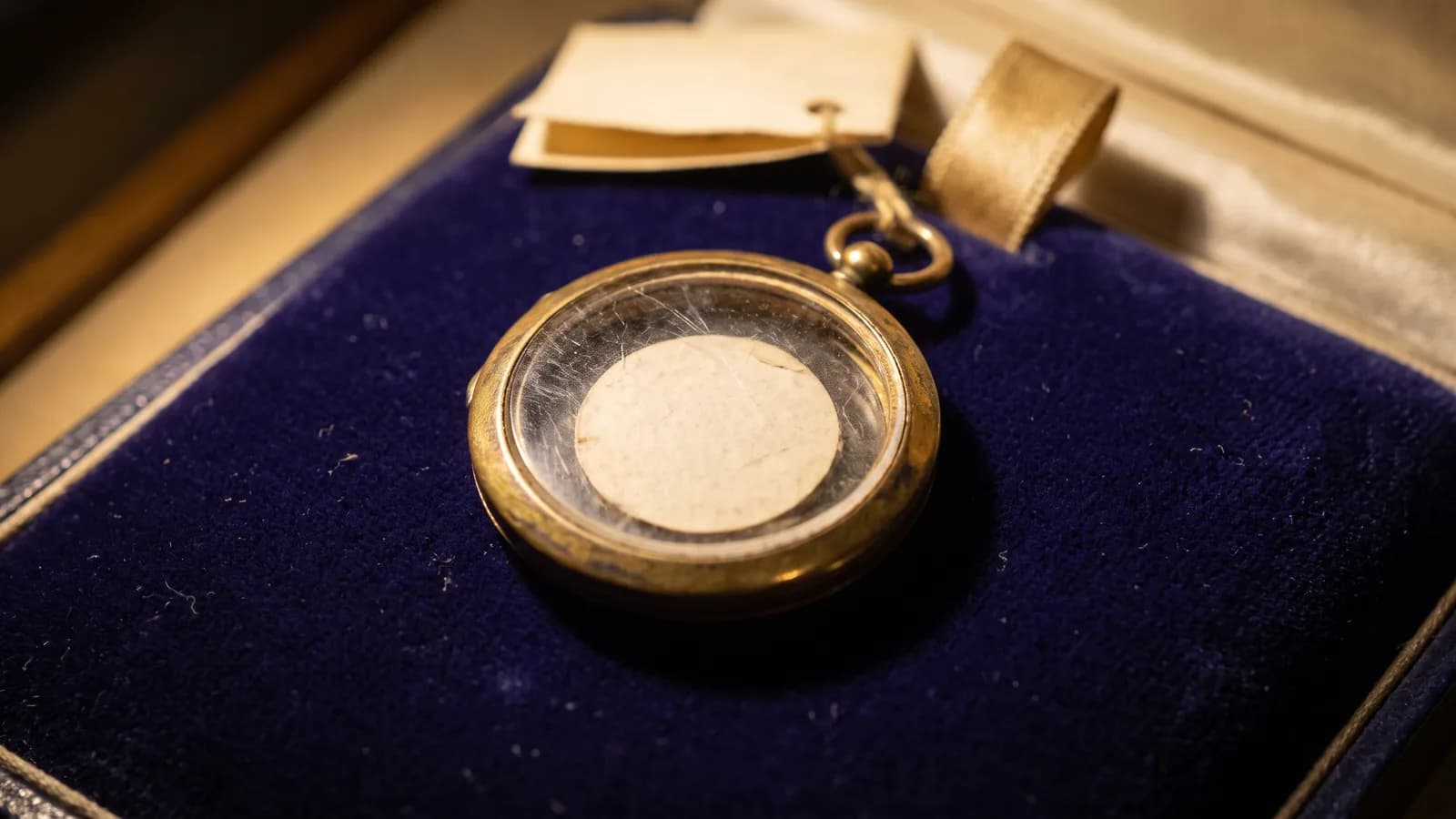
Encased Postage Stamps: Civil War Emergency Money
When coins vanished during the Civil War, John Gault sealed postage stamps behind mica in little brass frames so they could pass as small change.
By Richard
Were Civil War Tokens Legal? History and Legal Status
Civil War tokens were never official money. They circulated on public trust at one cent, and collecting them today is completely legal.
By Richard
How to Spot Fake Civil War Tokens
Common Civil War tokens rarely get faked because they cost too little. The risk sits in scarce varieties, sutler tokens, off-metals, and high grades.
By Richard
Hard Times Tokens: A Complete Collector's Guide
Privately made copper tokens the size of a large cent, born from Andrew Jackson's Bank War and the Panic of 1837, that passed as pennies by public acceptance.
By Richard
Hard Times Token Values: What Are They Worth?
Common Hard Times tokens run about $20 to $60 worn, but design, rarity, grade, and copper color can push the best pieces into five figures.
By Richard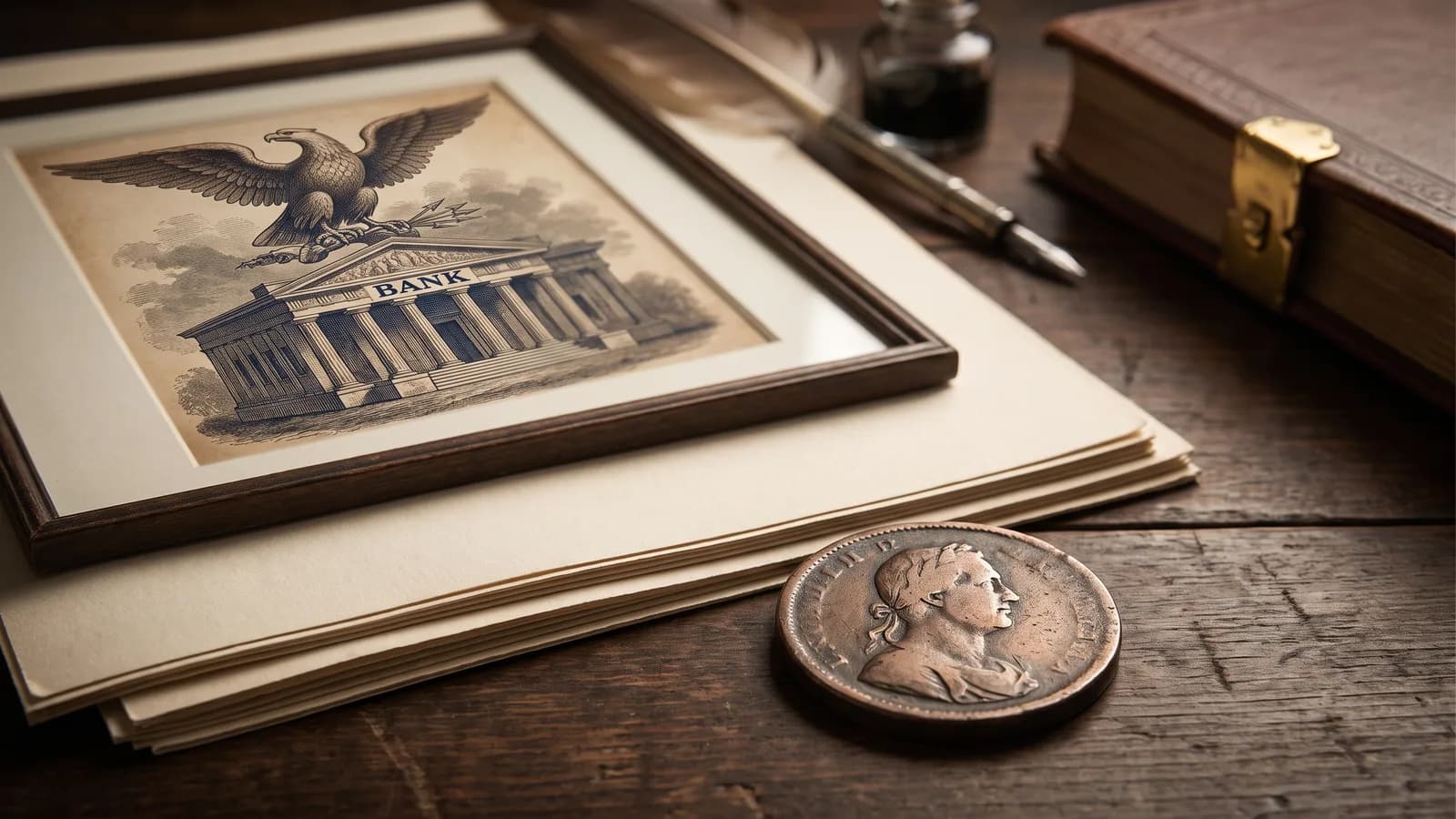
Andrew Jackson and the Political Hard Times Tokens
The political Hard Times tokens were the era's protest coinage, mocking Andrew Jackson's Bank War and the Panic of 1837 in copper.
By Richard
Hard Times Store Cards: Merchant Tokens of the 1830s
A Hard Times store card is a merchant advertising token that named a shop, its trade, and its city, and passed hand to hand as an unofficial cent.
By Richard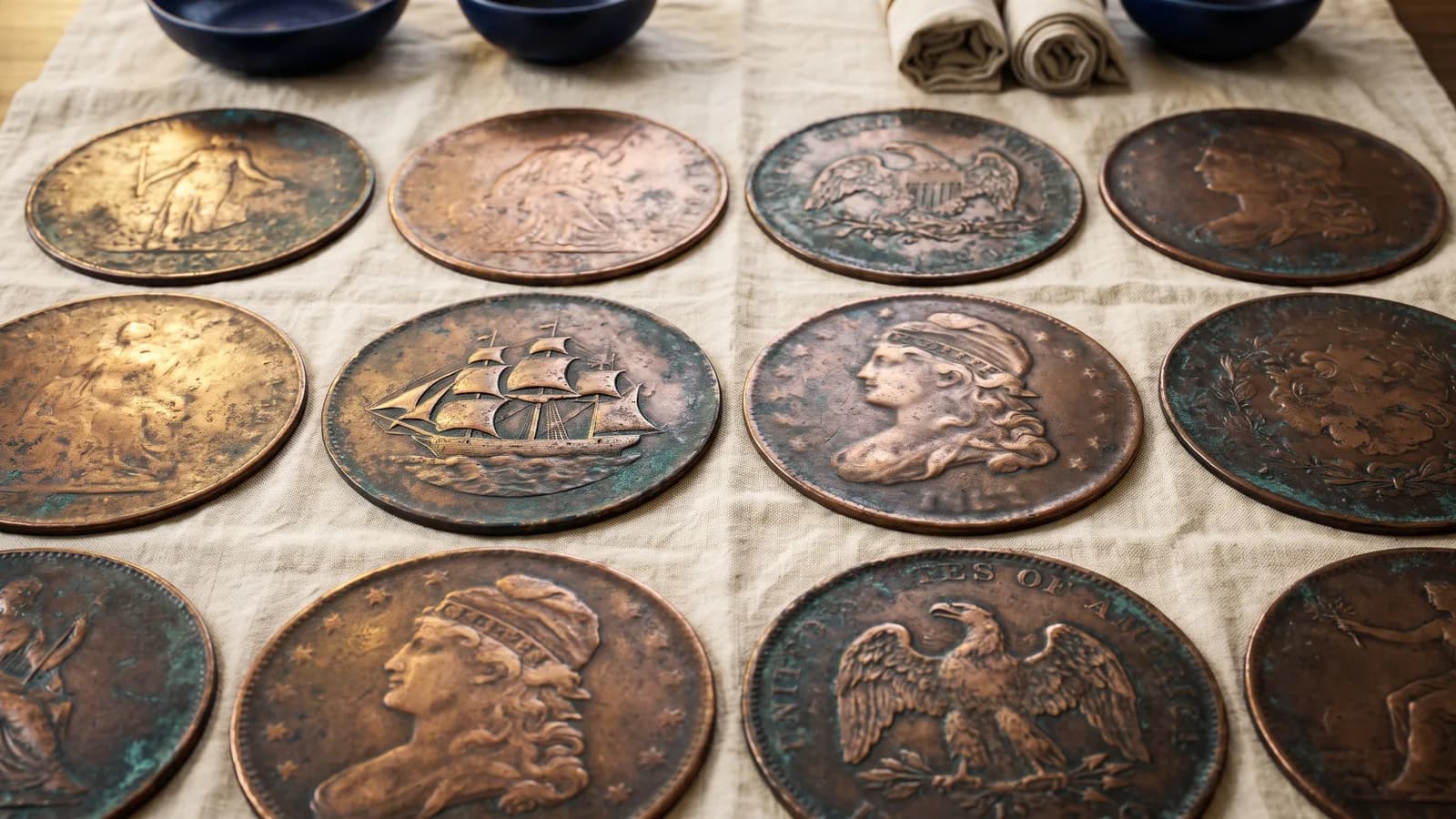
Hard Times Token Designs and Slogans Explained
The same handful of political scenes and legends appear again and again on Hard Times tokens, and each one carries a specific 1830s meaning.
By Richard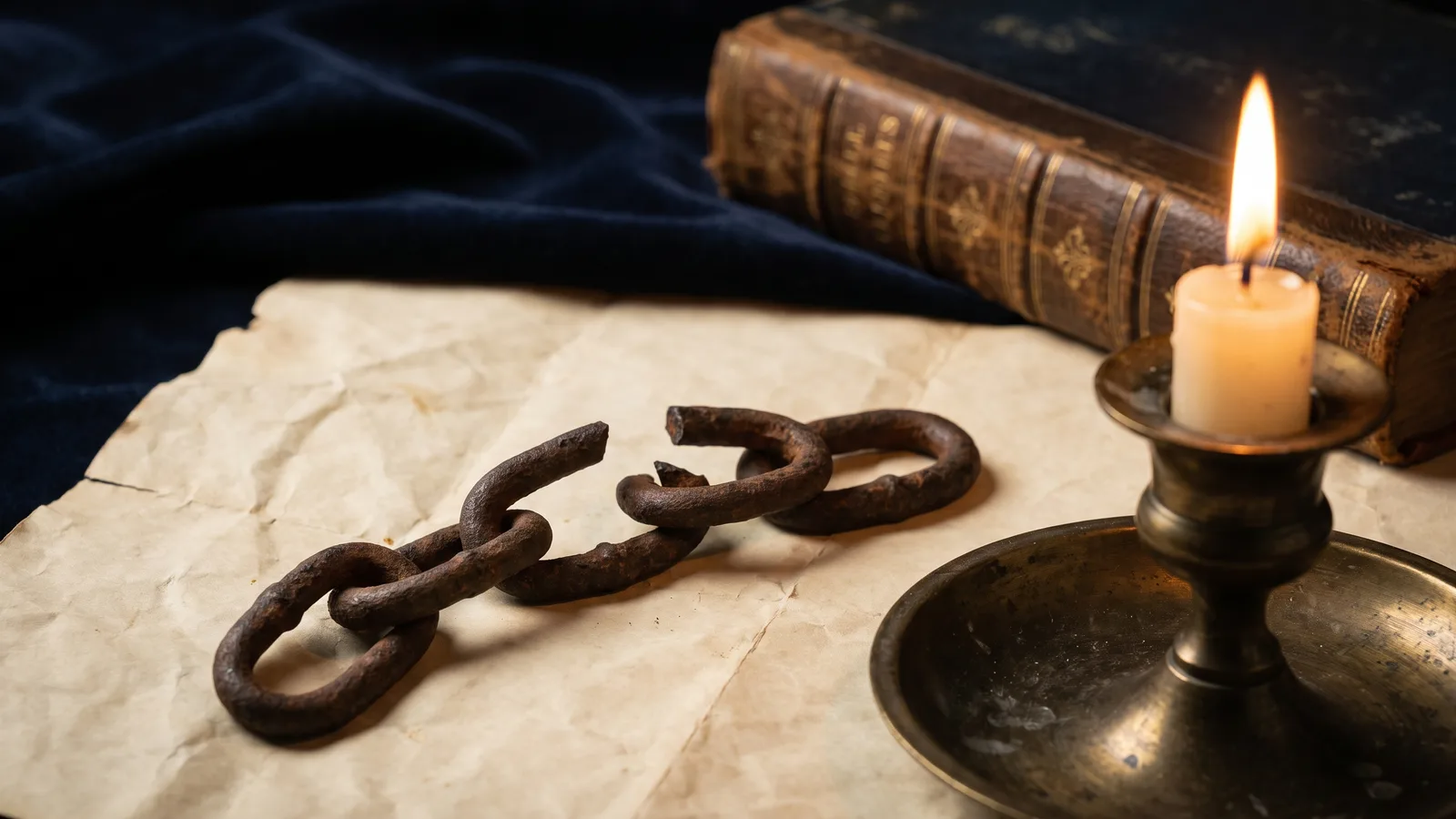
The 'Am I Not a Woman and a Sister' Abolitionist Token
An 1838 Hard Times token that carried an antislavery plea into everyday American pockets.
By Richard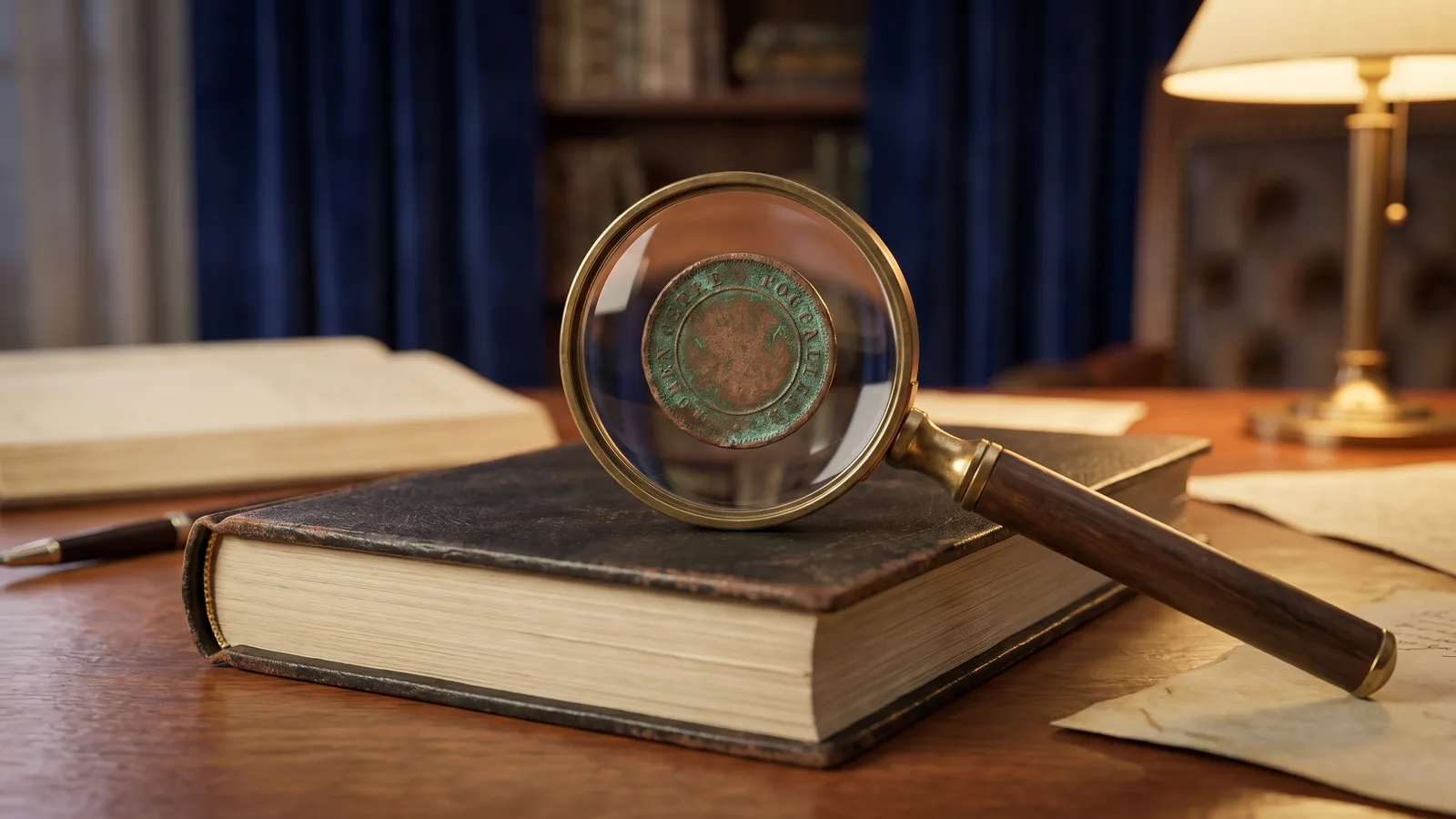
How to Identify Hard Times Tokens (Low and Rulau Numbers)
Most Hard Times tokens are large-cent sized copper pieces from about 1832 to 1844, cataloged by Low and Rulau numbers.
By Richard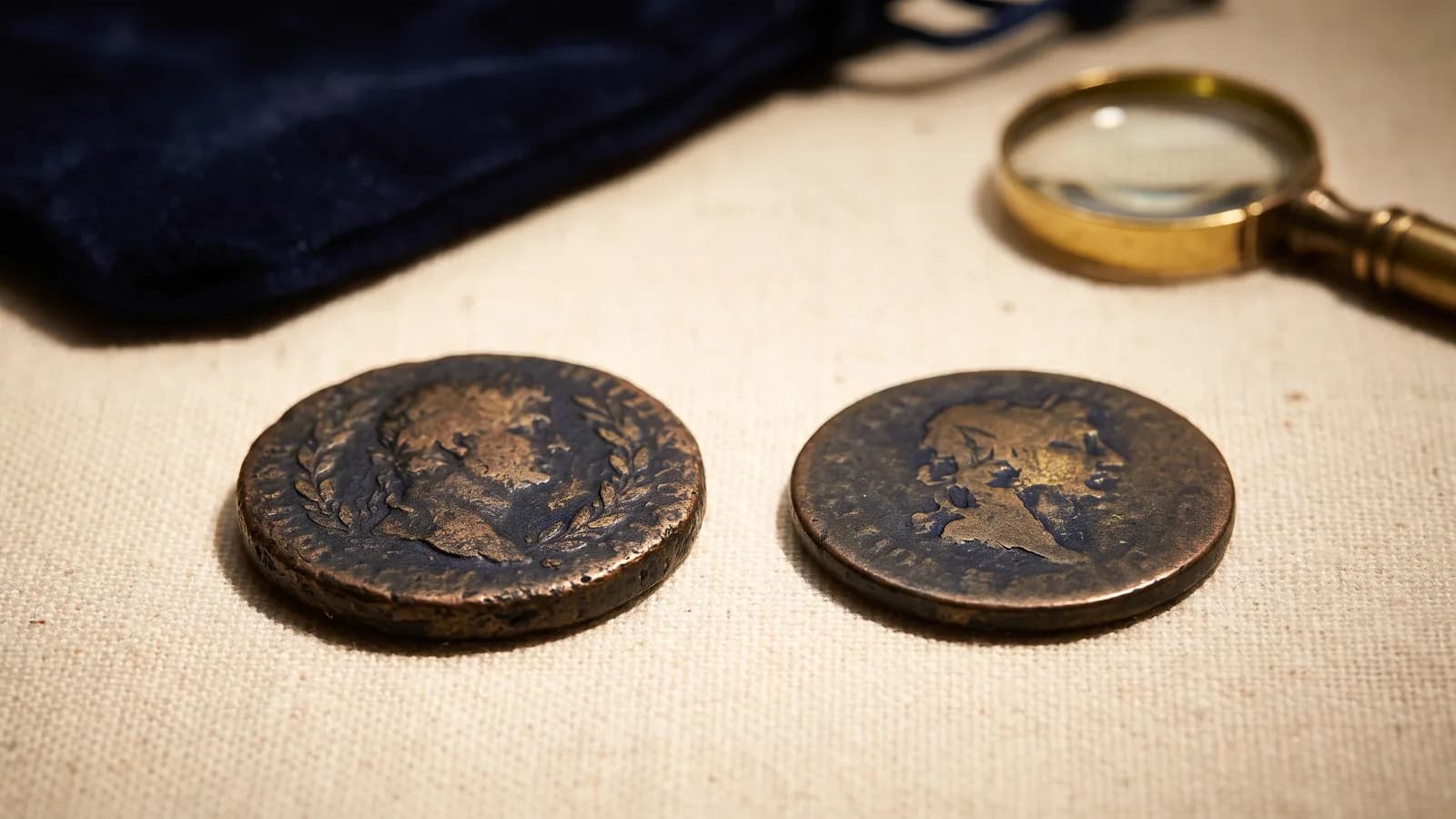
Hard Times Tokens vs. Large Cents: How to Tell Them Apart
Hard Times tokens copied the size of the federal large cent on purpose, so the giveaway is the design and wording, not the diameter.
By Richard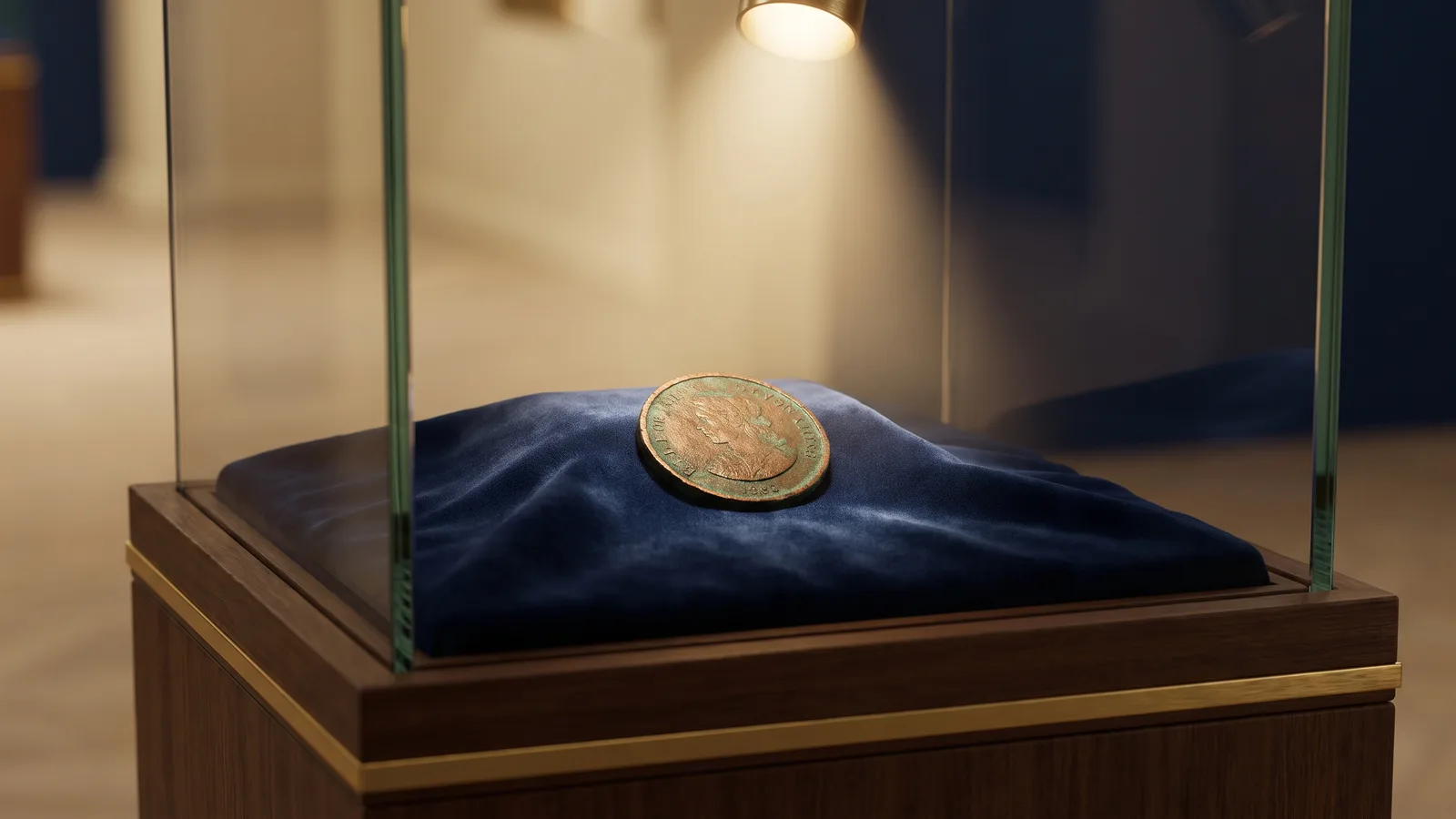
The Most Valuable Hard Times Tokens (and Why)
The most valuable Hard Times tokens combine a scarce variety, a historically important design, and high grade with original color.
By Richard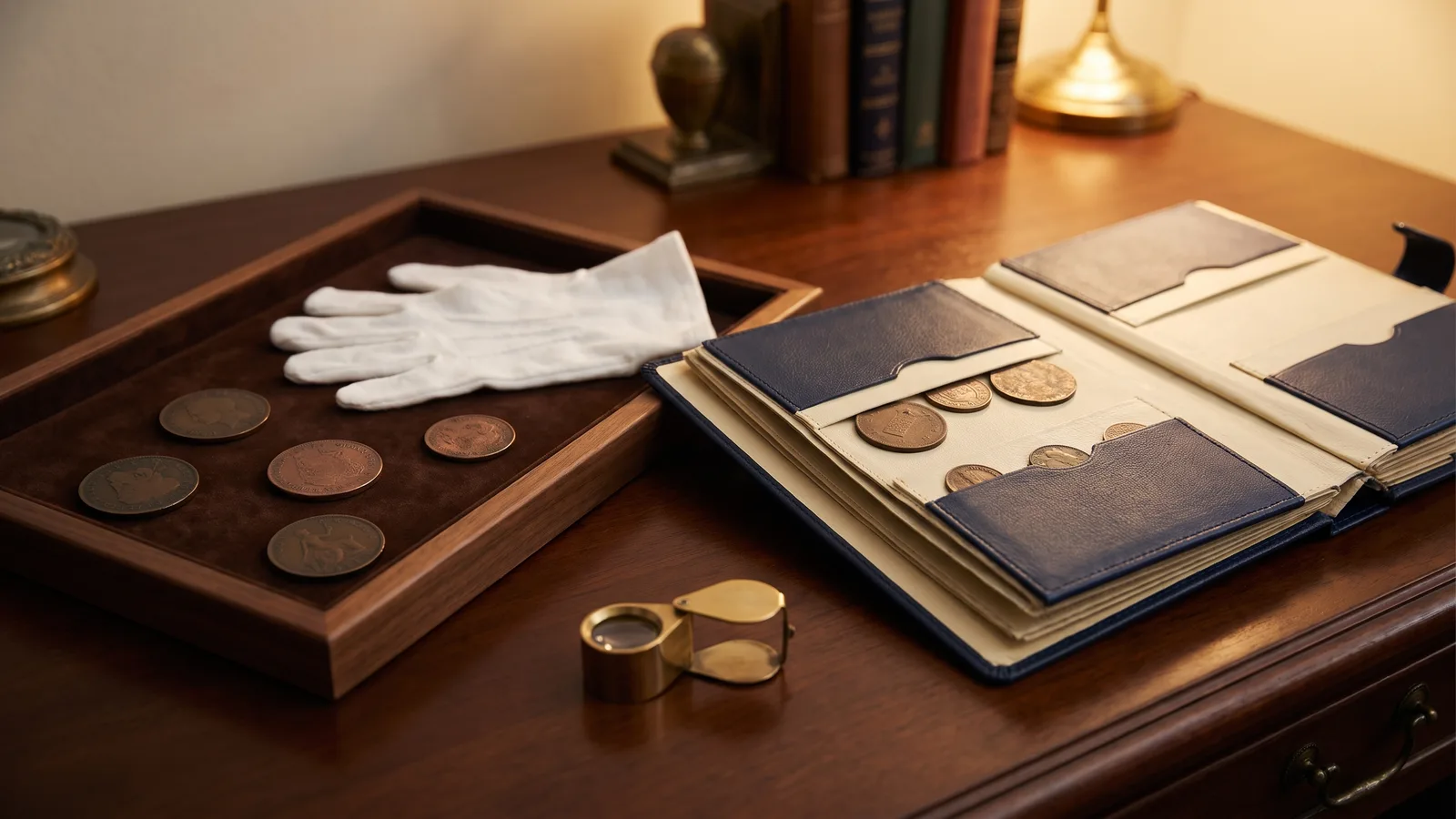
How to Start Collecting Hard Times Tokens
Hard Times tokens pack American history from the 1830s and 1840s into affordable copper, with common pieces often selling for $20-$60.
By Richard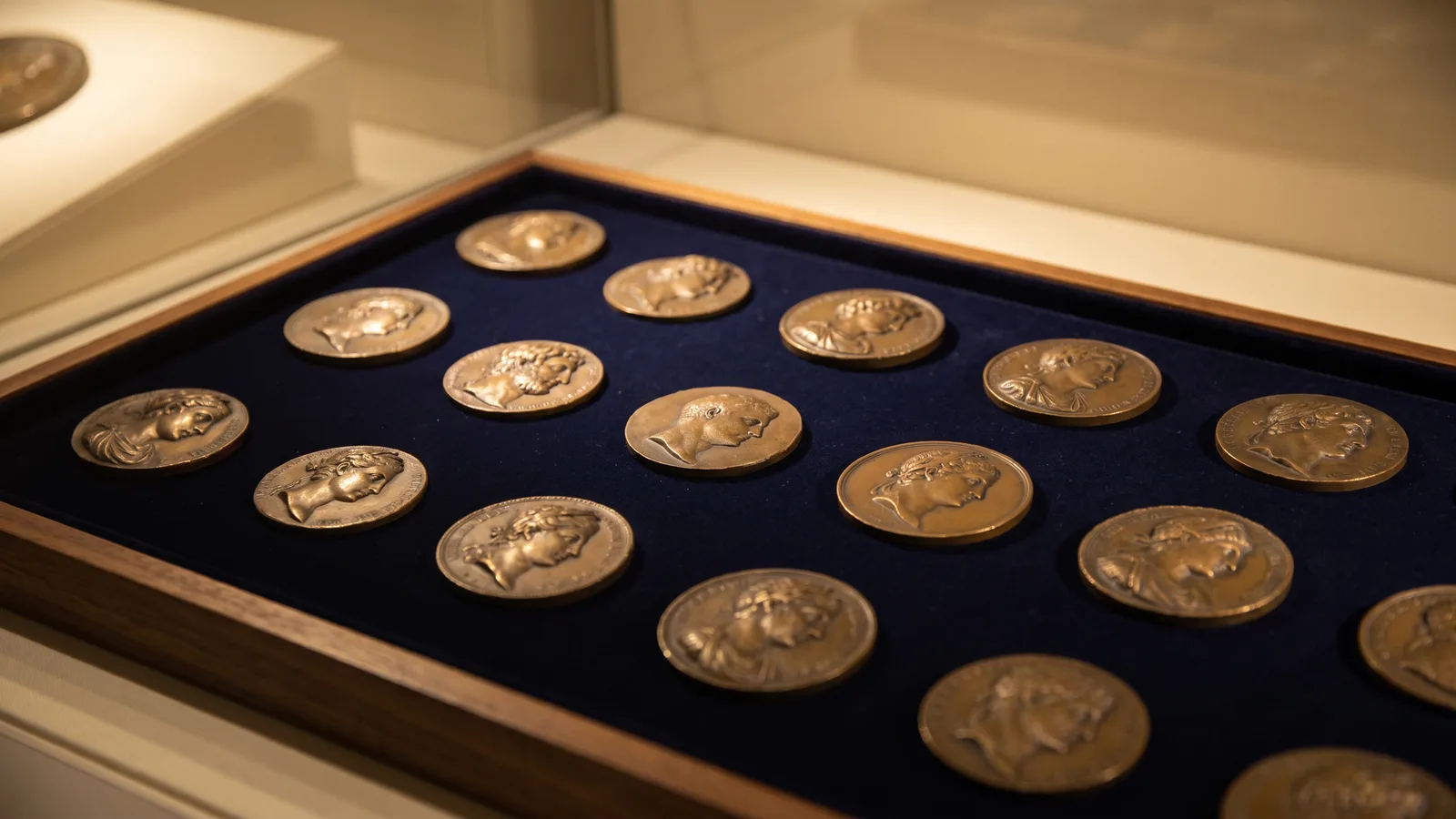
Collecting Medals and Exonumia: A Complete Guide
Medals carry no denomination and were never meant to circulate, which sets them apart from coins and tokens and puts them in the broad field called exonumia.
By Richard
The Medallic Art Company: America's Great Medal Maker
For more than a hundred years, the Medallic Art Company struck the art medals, prize medals, and Congressional Gold Medals that defined American medallic art.
By Richard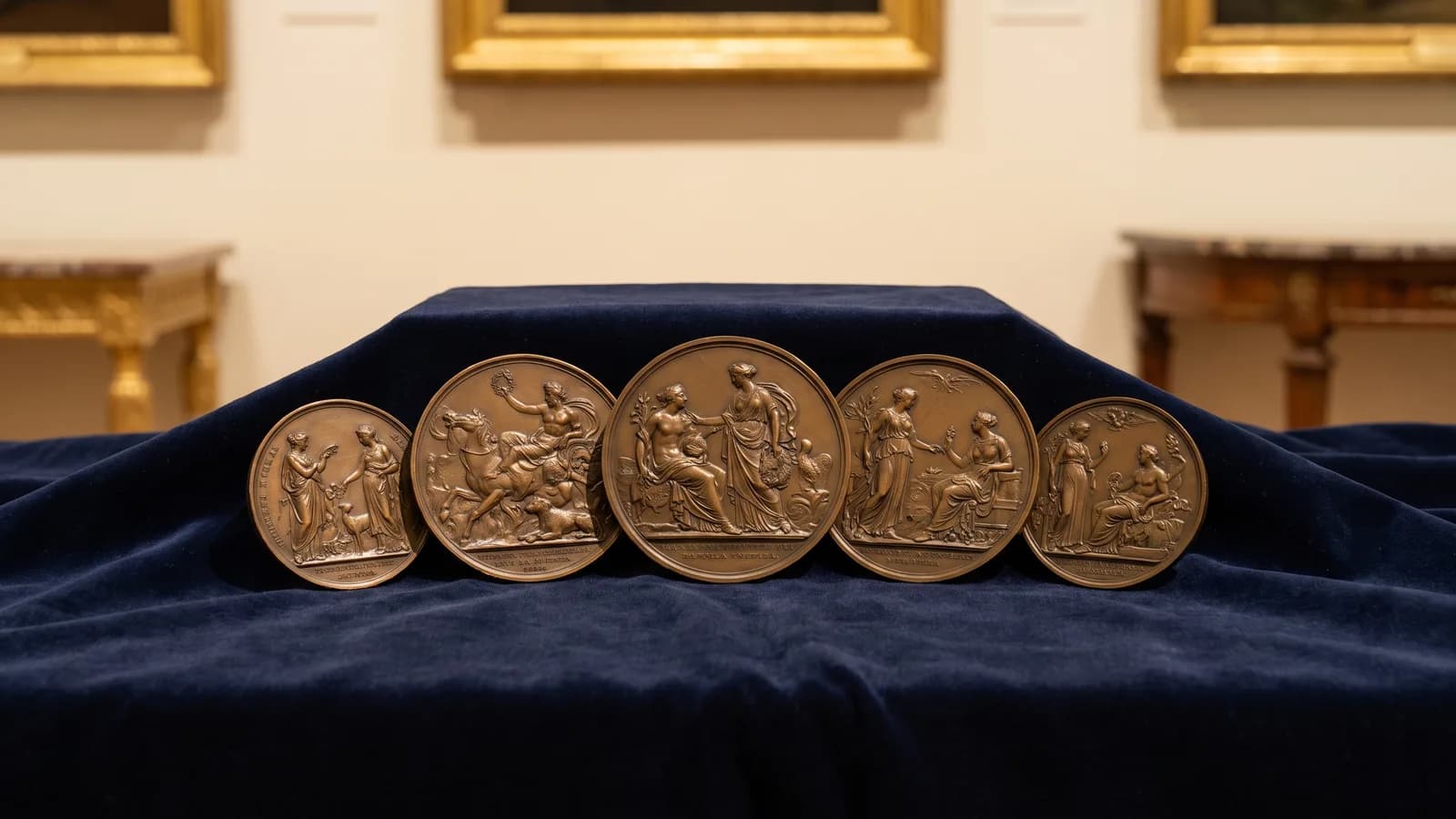
The Society of Medalists: America's Great Art-Medal Series
For 65 years the Society of Medalists put fine art medals by major American sculptors into collectors' hands, two issues at a time.
By Richard
Hall of Fame for Great Americans Medals (Bronze and Silver)
An underappreciated art-medal series honoring America's Hall of Fame electees, struck from 1963 to 1974 in bronze and silver by dozens of leading sculptors.
By Richard
John Adams Bolen: The Springfield Die-Sinker and His Medals
Bolen made store cards, Springfield medals, and open copies of rare early American coins, all sold to collectors of his day rather than made to deceive.
By Richard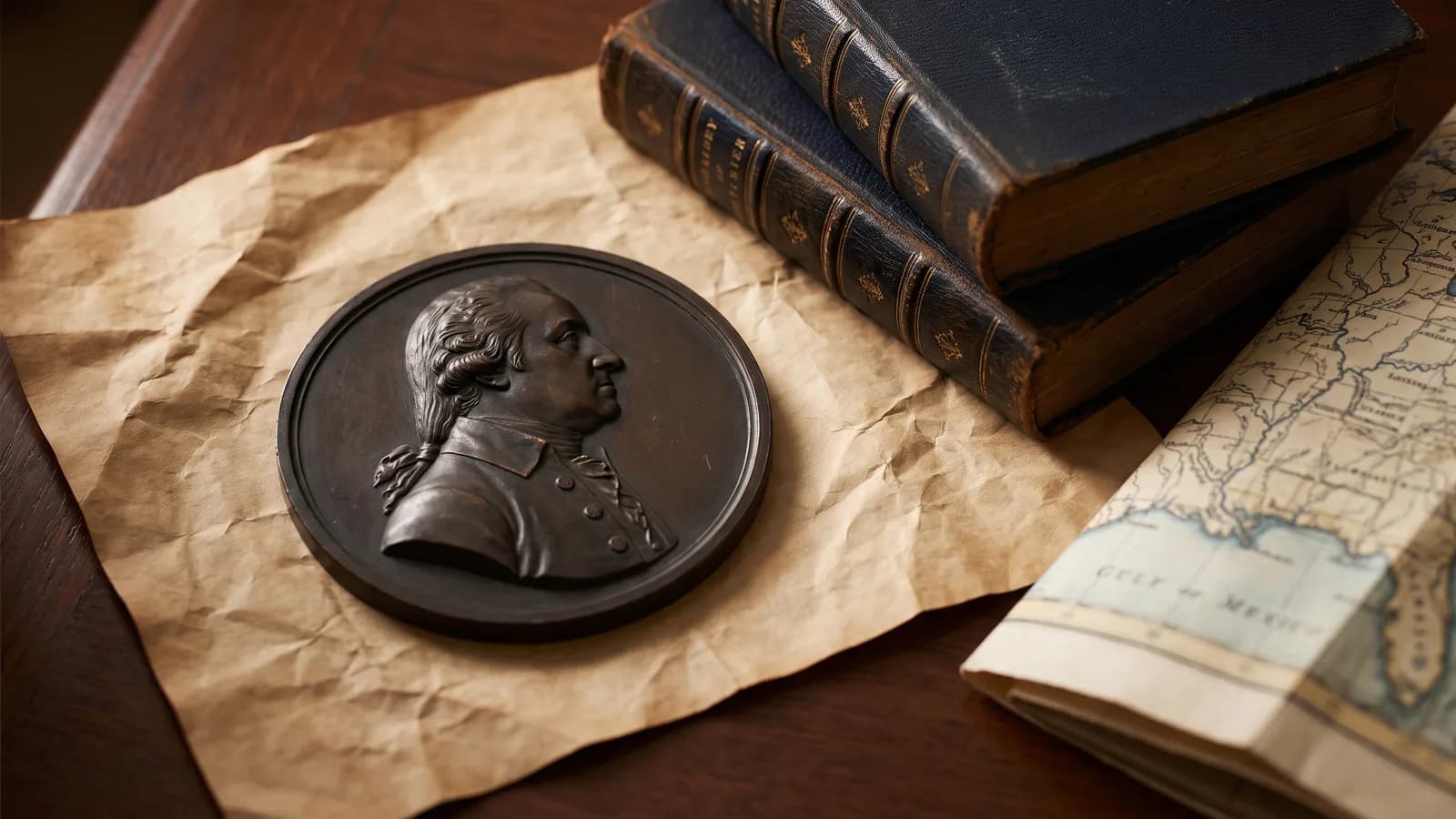
Medallic Washington and Musante's GW Numbers Explained
Musante's two-volume Medallic Washington replaced the 130-year-old Baker numbers with a clearer GW system for cataloging Washington medals.
By Richard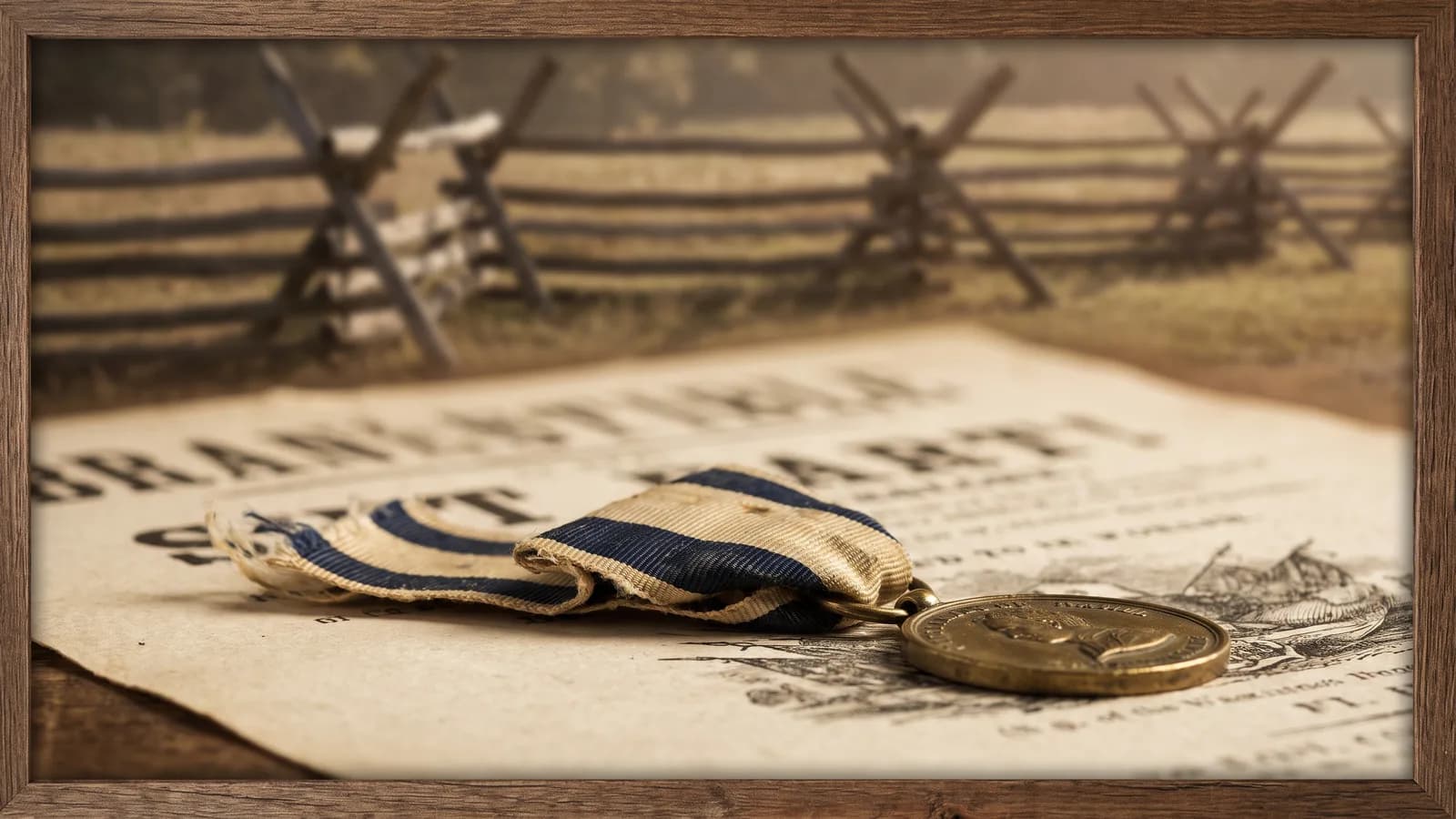
Abraham Lincoln Campaign Medals of 1860 and 1864
Small political medalets handed out for Lincoln's 1860 and 1864 campaigns are a popular and historic corner of Lincolniana.
By Richard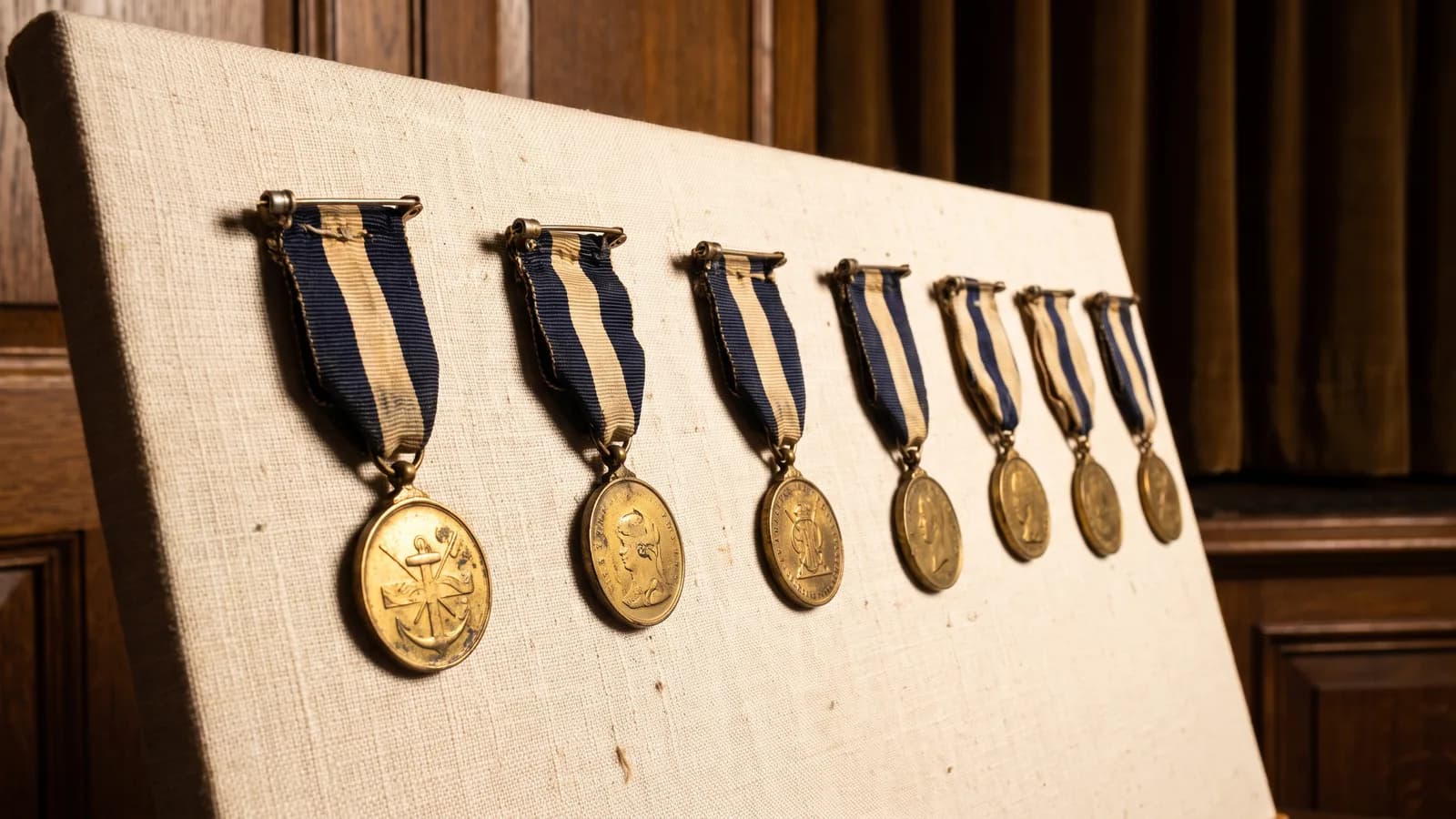
Presidential Campaign Medals and Medalets: A Collector's Guide
Campaign medalets were the wearable political medals of 19th-century U.S. elections, and the direct ancestors of the celluloid pinback button.
By Richard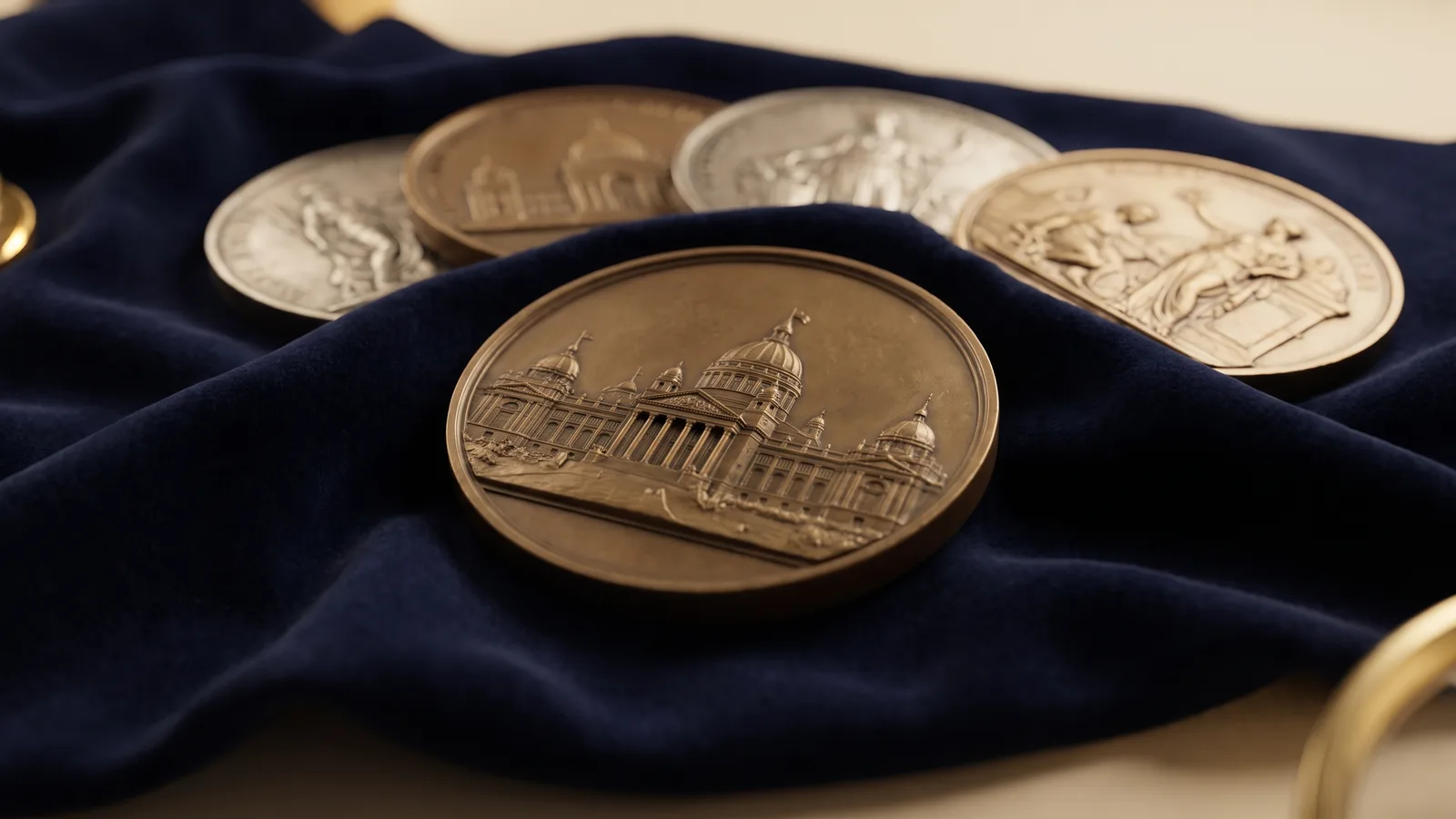
So-Called Dollars: The Dollar-Sized Medals Explained
So-called dollars look like silver dollars but carry no face value; they are commemorative medals struck for expositions, events, and famous people.
By Richard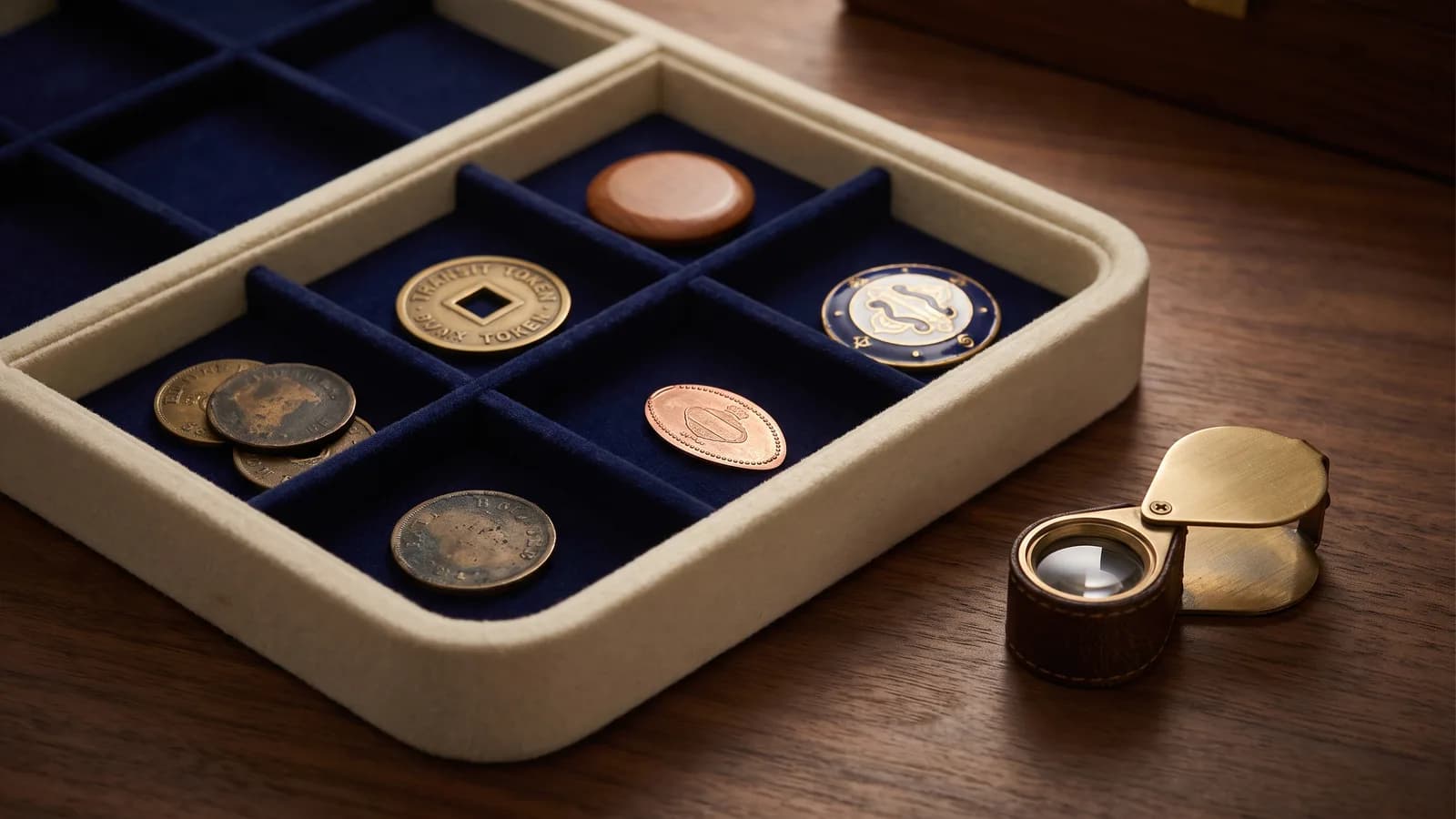
Collectible Tokens: A Guide to Trade Tokens, Transit Tokens, and More
From saloon good-for tokens to pressed pennies and challenge coins, most collectible tokens are affordable history that turns up constantly in inherited boxes.
By Richard
Trade Tokens and 'Good For' Tokens: A Collector's Guide
A trade token was money at exactly one store, saloon, or dairy, and the ones you can pin to a real town and merchant are the ones worth chasing.
By Richard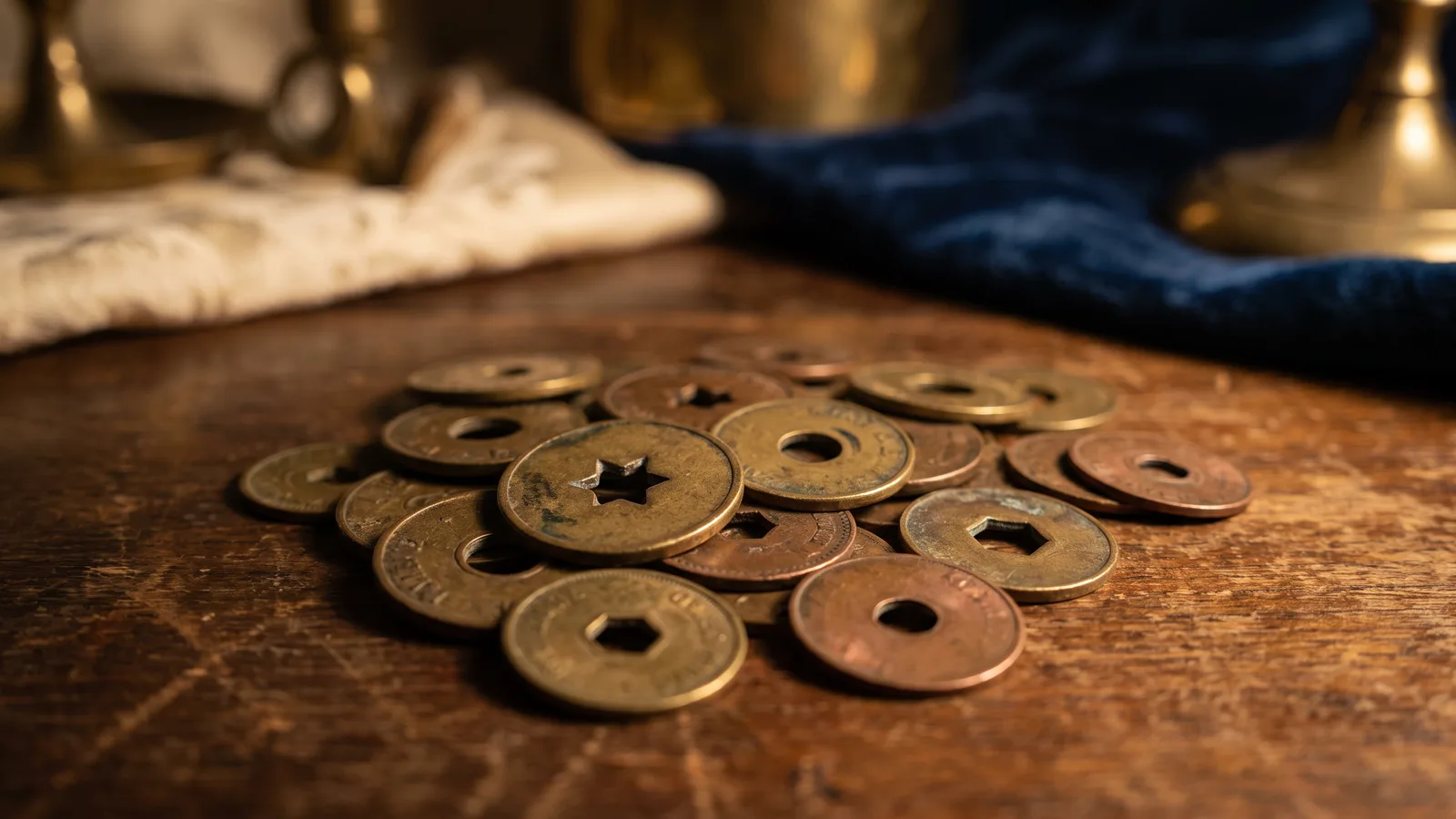
Transportation Tokens: Transit Fare Tokens Explained
Transportation tokens were fare tokens for streetcars, buses, subways, and ferries, often with a cutout so collectors could recognize the system by touch.
By Richard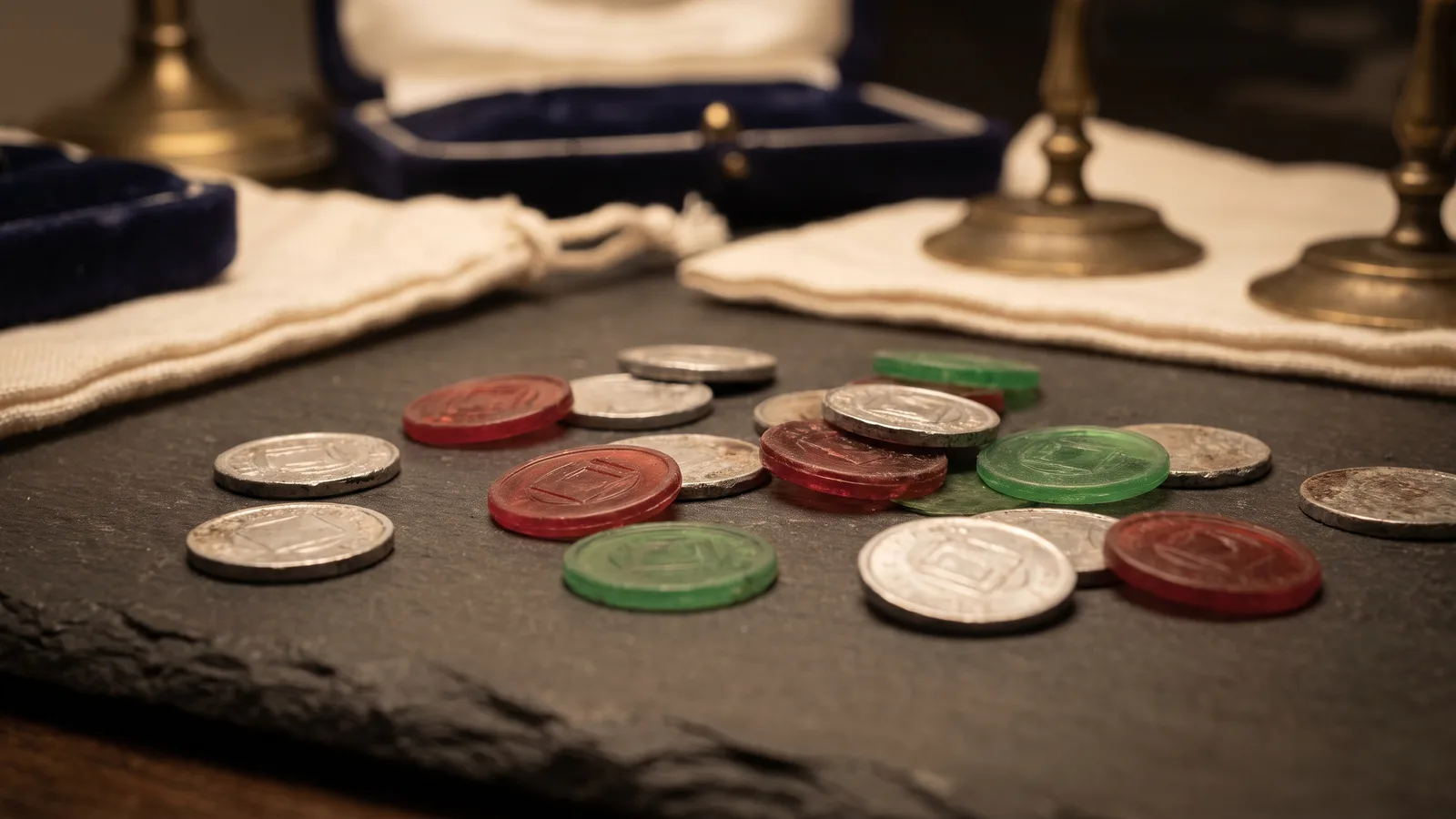
Sales Tax Tokens: Depression-Era Mills Explained
These small mill tokens let Depression-era shoppers pay a fraction of a cent in sales tax instead of being rounded up.
By Richard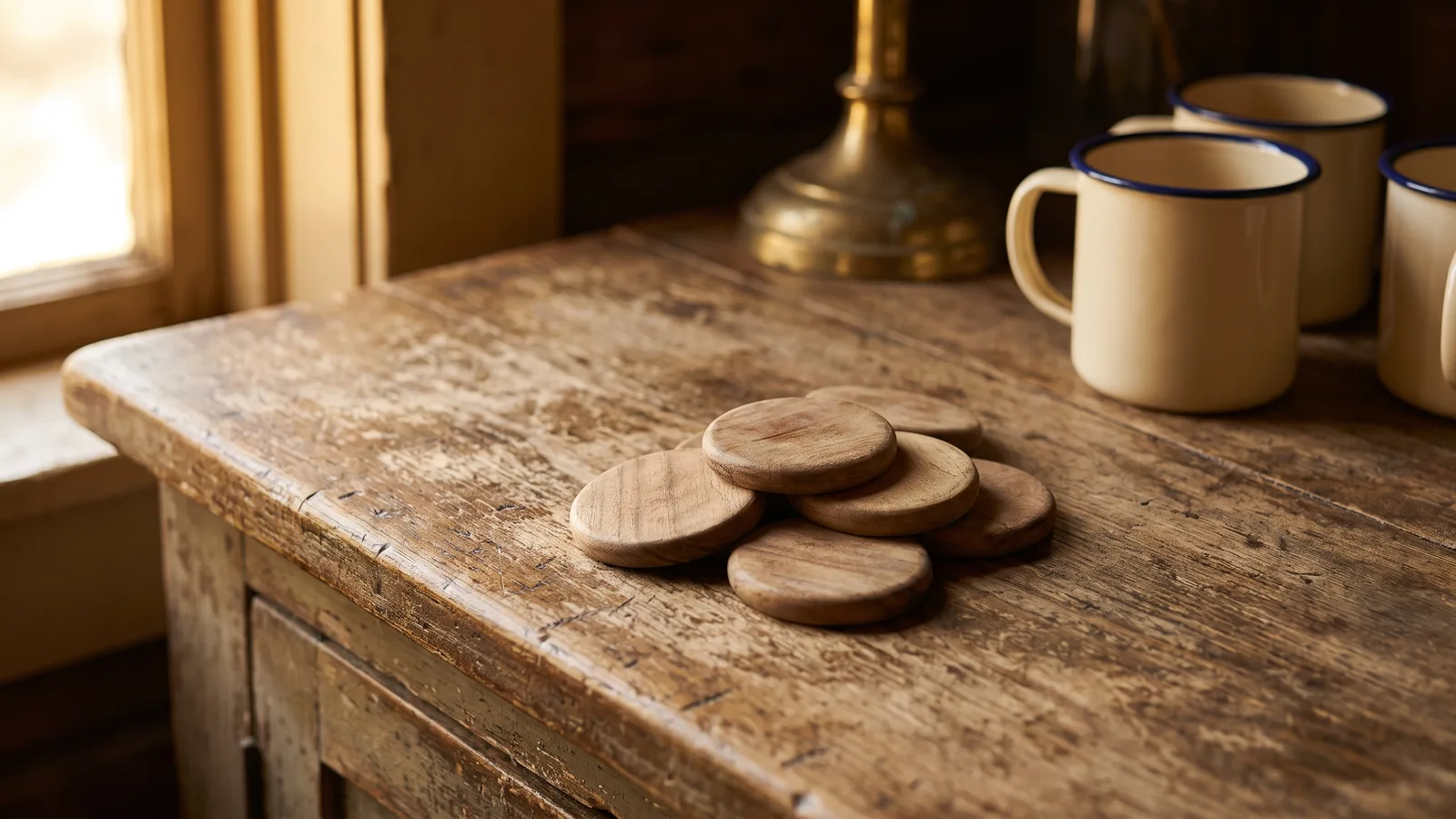
Wooden Nickels: History and Value
A wooden nickel is a flat wooden token coin, ranging from 1930s emergency town scrip to the promotional giveaways still handed out today.
By Richard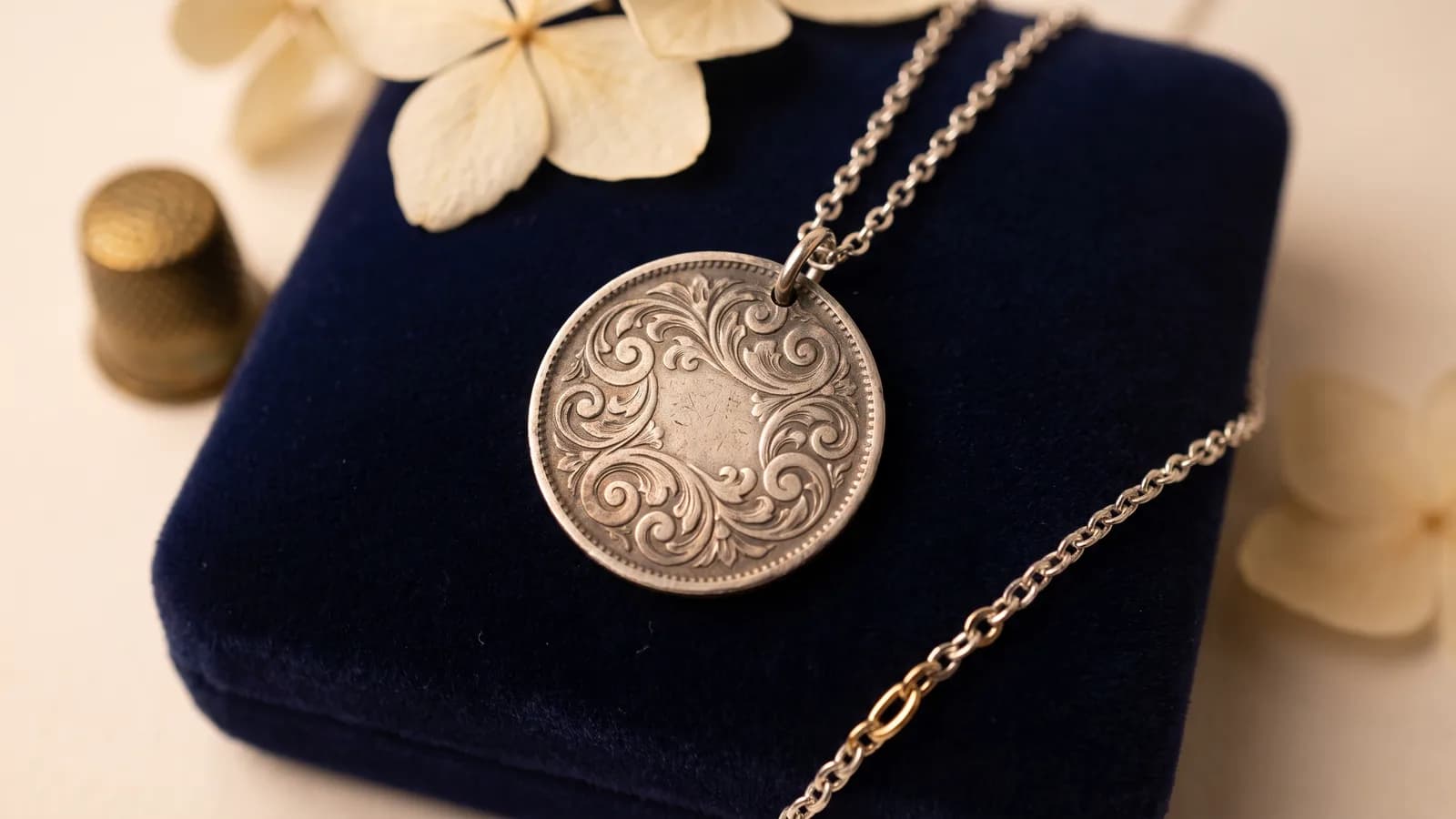
Love Tokens: Hand-Engraved Coins and Their Value
A love token is a coin, classically a dime, smoothed and hand-engraved with initials, a name, or a scene, then kept or worn as jewelry.
By Richard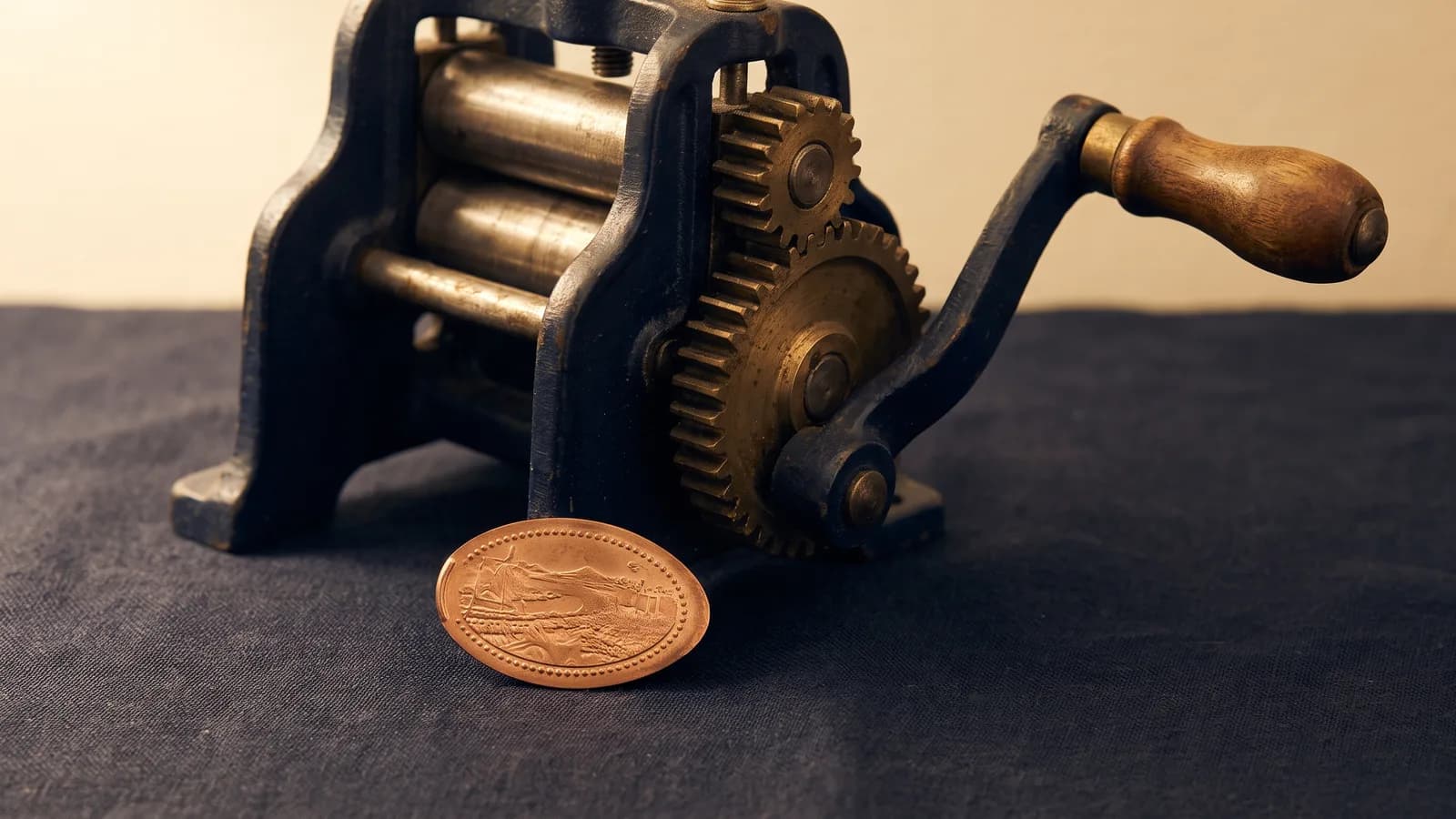
Elongated Coins (Pressed Pennies): History and Collecting
A pressed penny is a coin rolled under heavy pressure through an engraved die that stretches it oval and impresses a souvenir design.
By Richard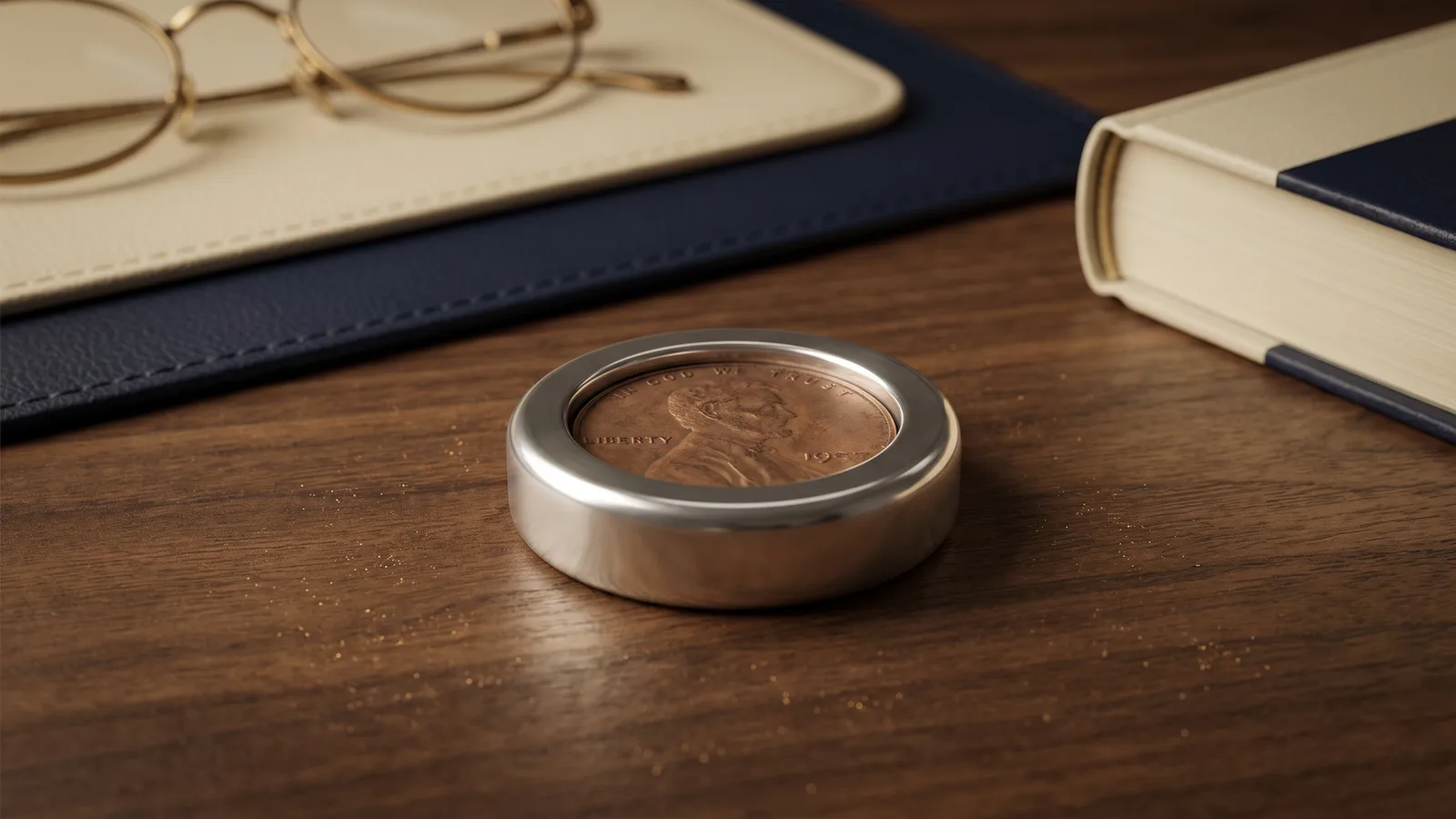
Encased Coins: The 'Keep Me and Never Go Broke' Lucky Penny
An encased coin is a genuine cent held inside a metal ring stamped with a business name and a good-luck slogan, made as advertising from the early 1900s to today.
By Richard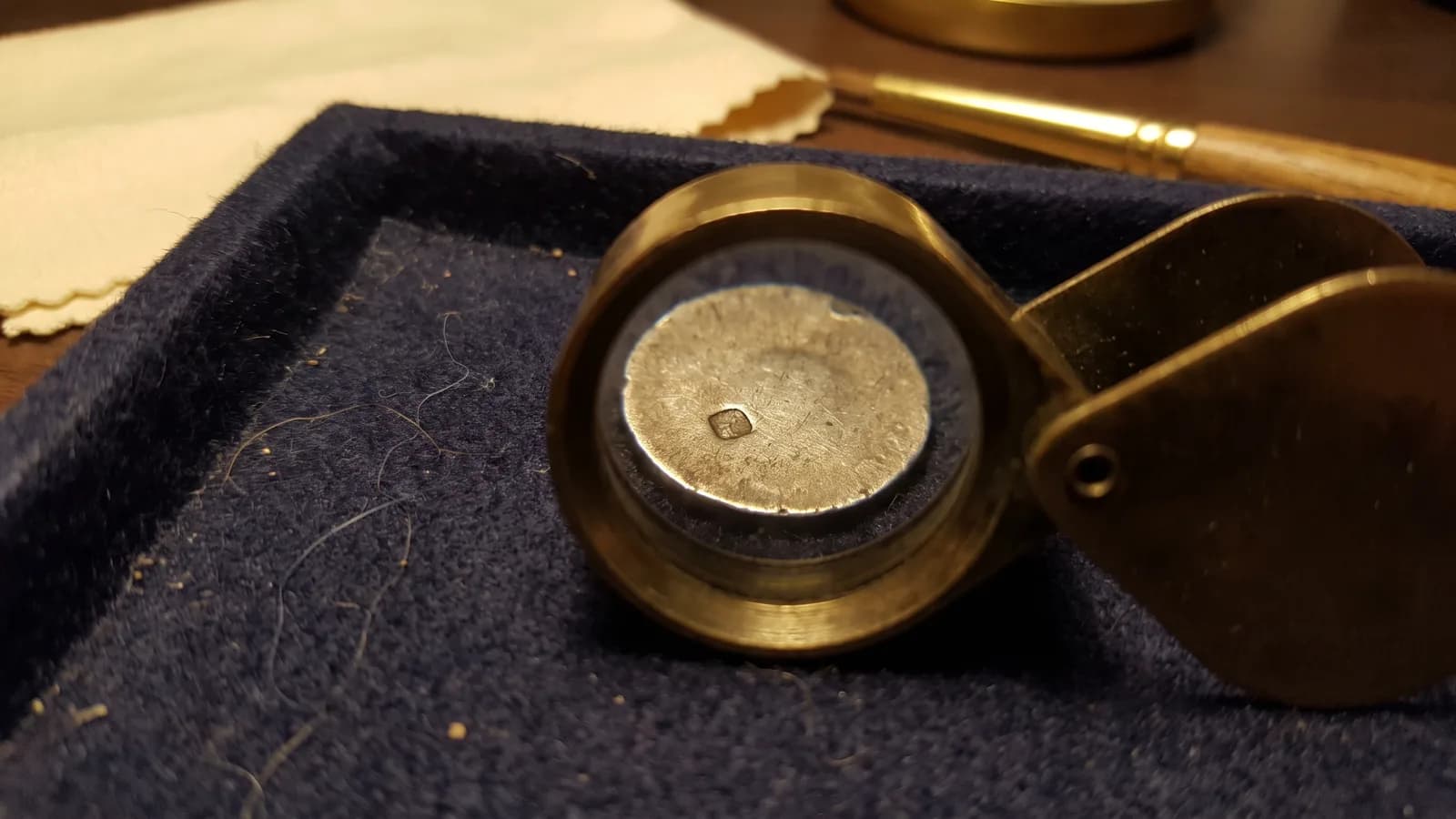
Counterstamped Coins: Merchant Marks and Their Value
A counterstamped coin is a real coin that someone punched with a mark, turning it into a tiny advertisement or a maker's signature.
By Richard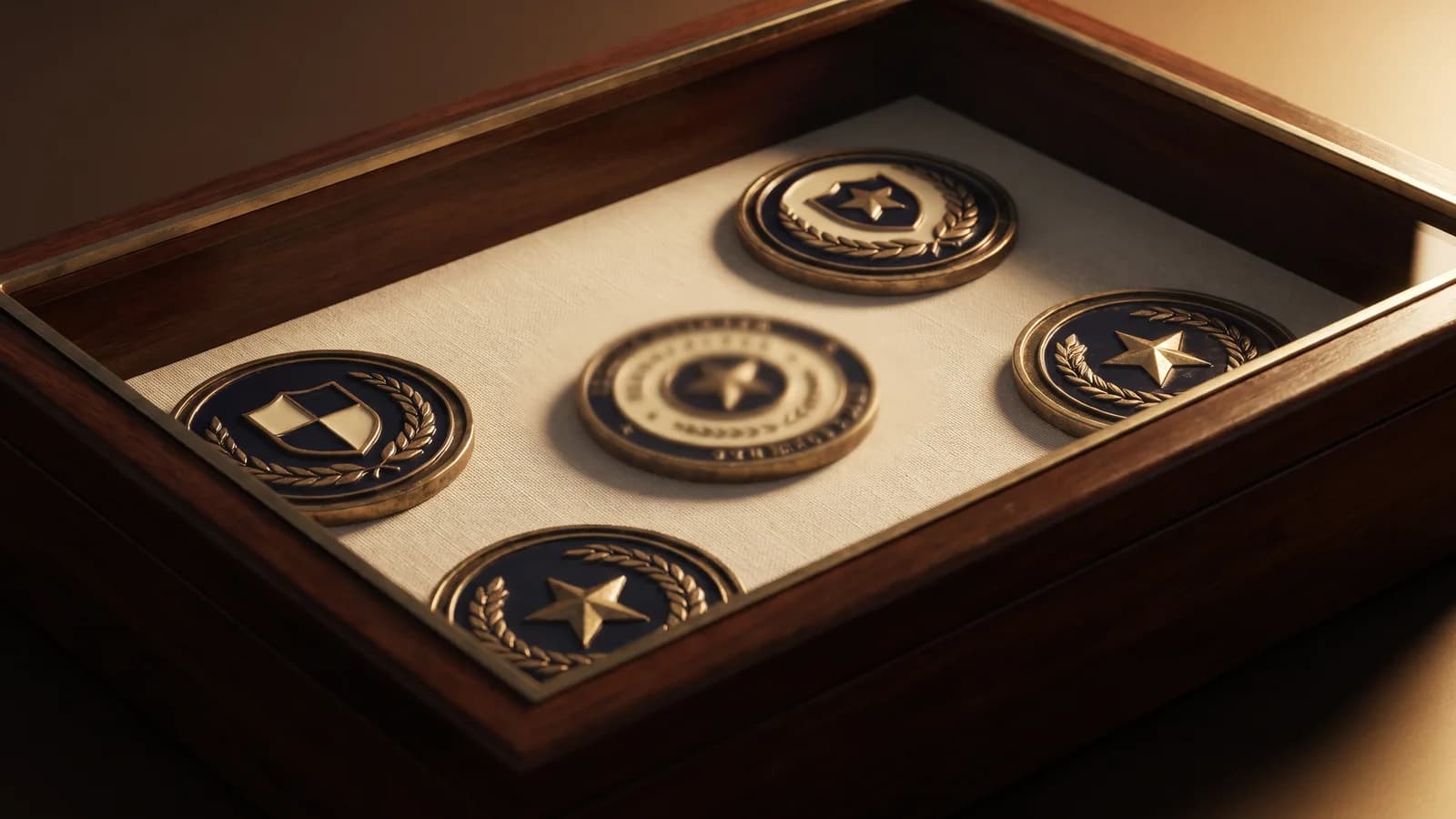
Military Challenge Coins: History, Tradition, and Collecting
A challenge coin is a small medallion bearing a unit's insignia, carried by members, exchanged by handshake, and collected as modern exonumia.
By Richard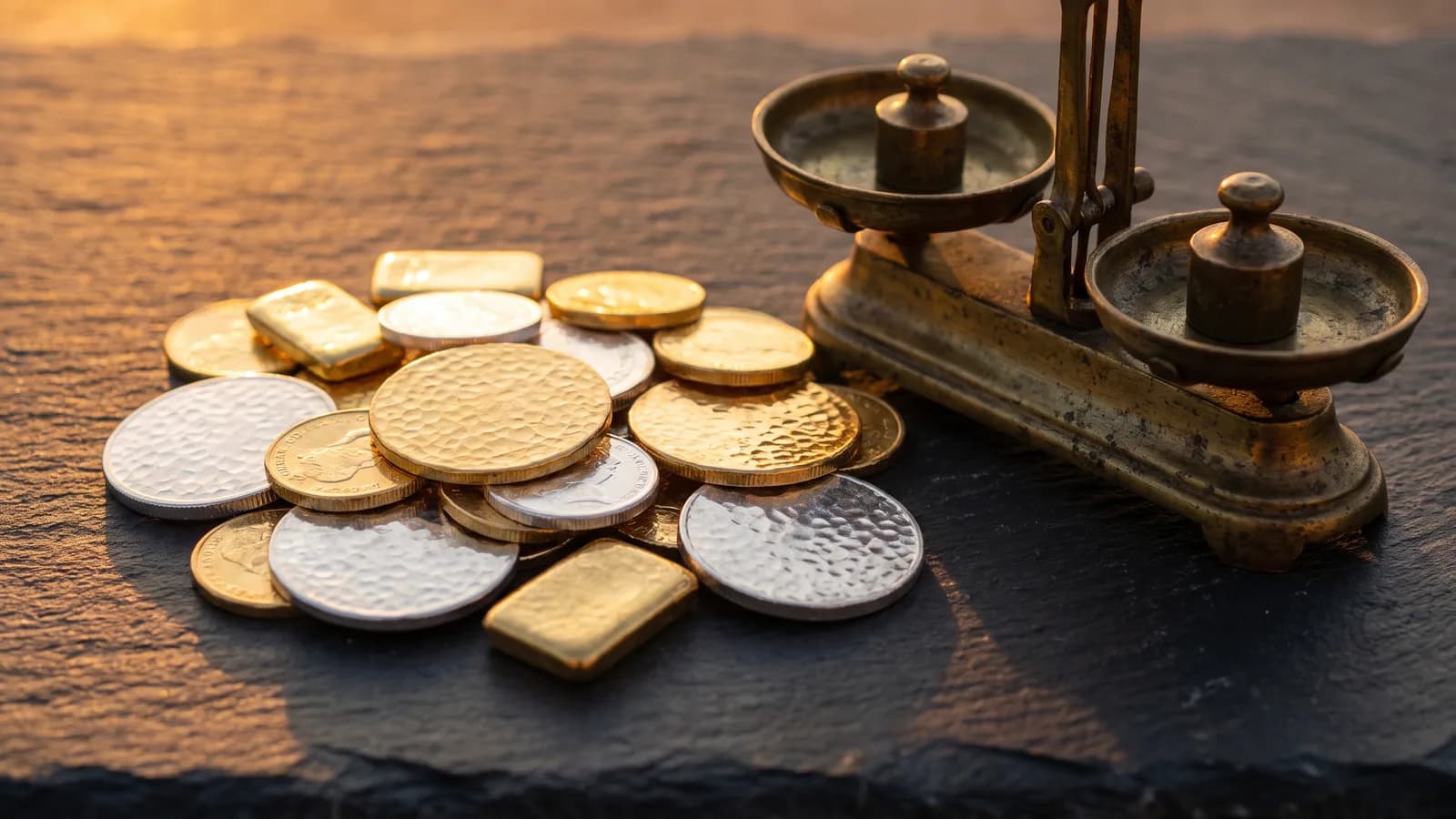
What Is Spot Price? How Gold and Silver Prices Are Set
Spot price is the real-time benchmark for every gold and silver transaction — here is exactly how it works and how to use it.
By Richard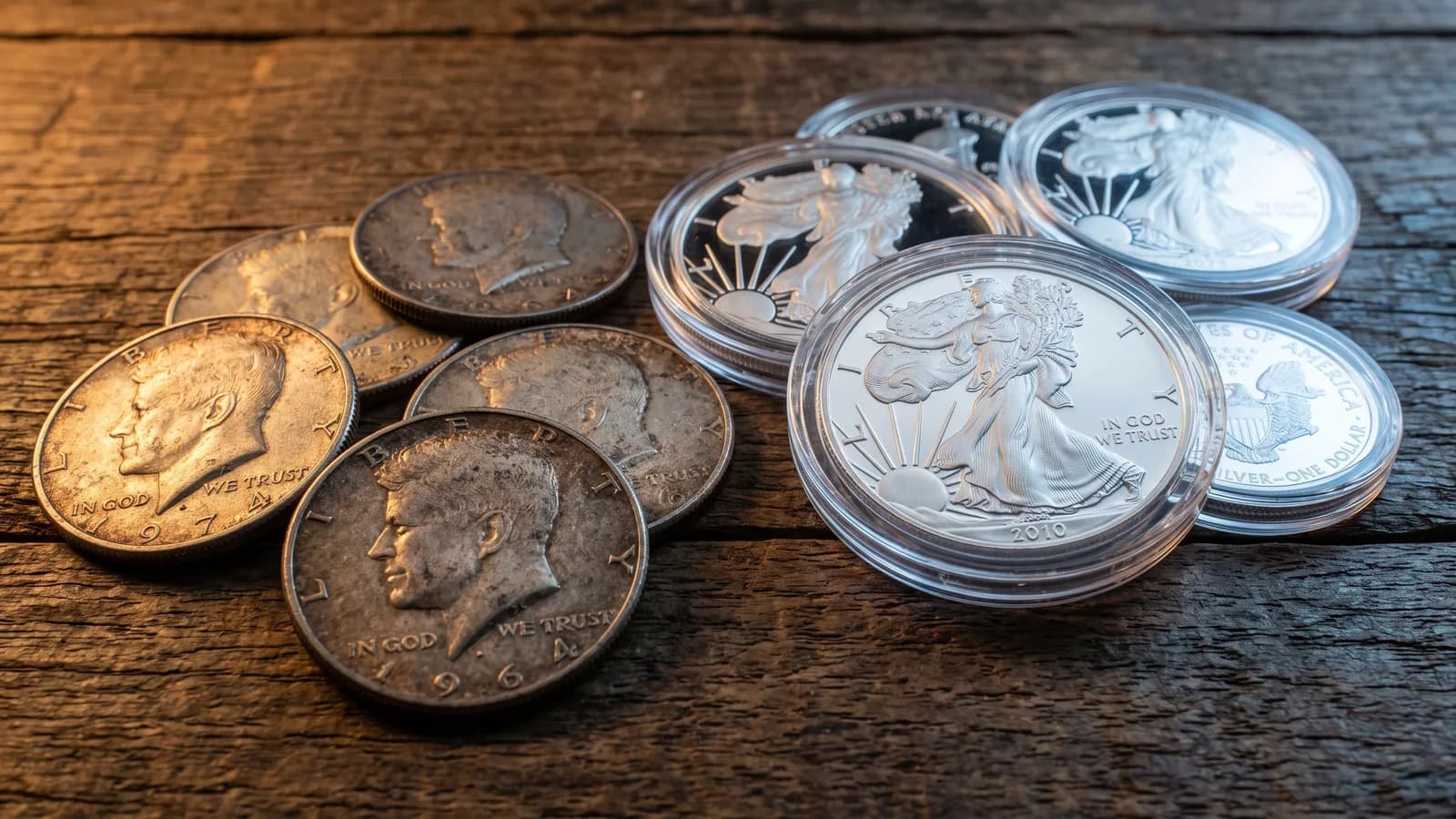
Classic vs. Modern U.S. Commemorative Coins: A Side-by-Side Comparison
Classic and modern commemoratives share a name but almost nothing else — here is what sets them apart for collectors and investors.
By Richard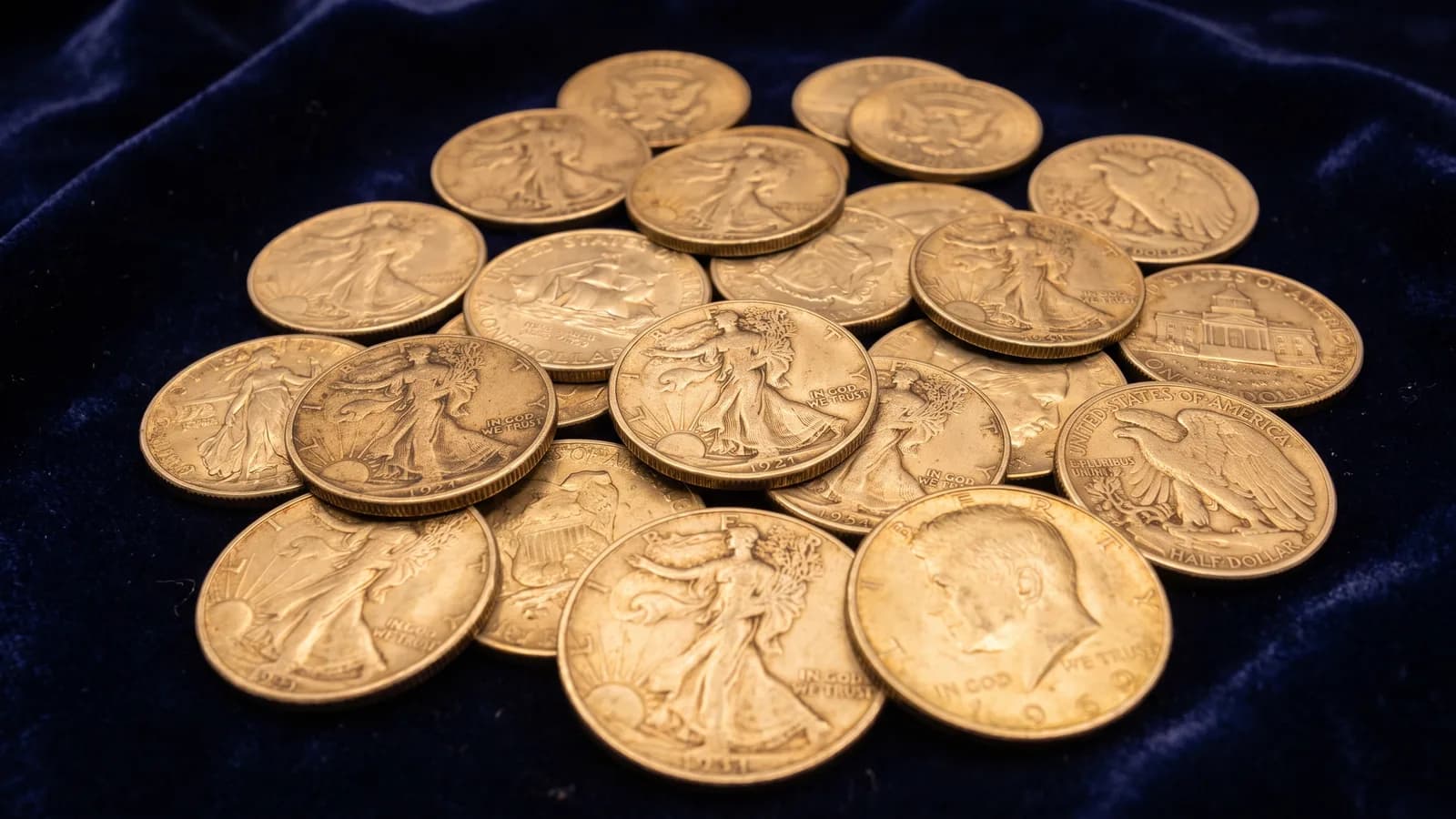
Are Commemorative Coins Worth Anything? Modern vs. Classic
That commemorative coin set from the shopping channel is almost certainly not an investment — but classic commemoratives are a different story.
By Richard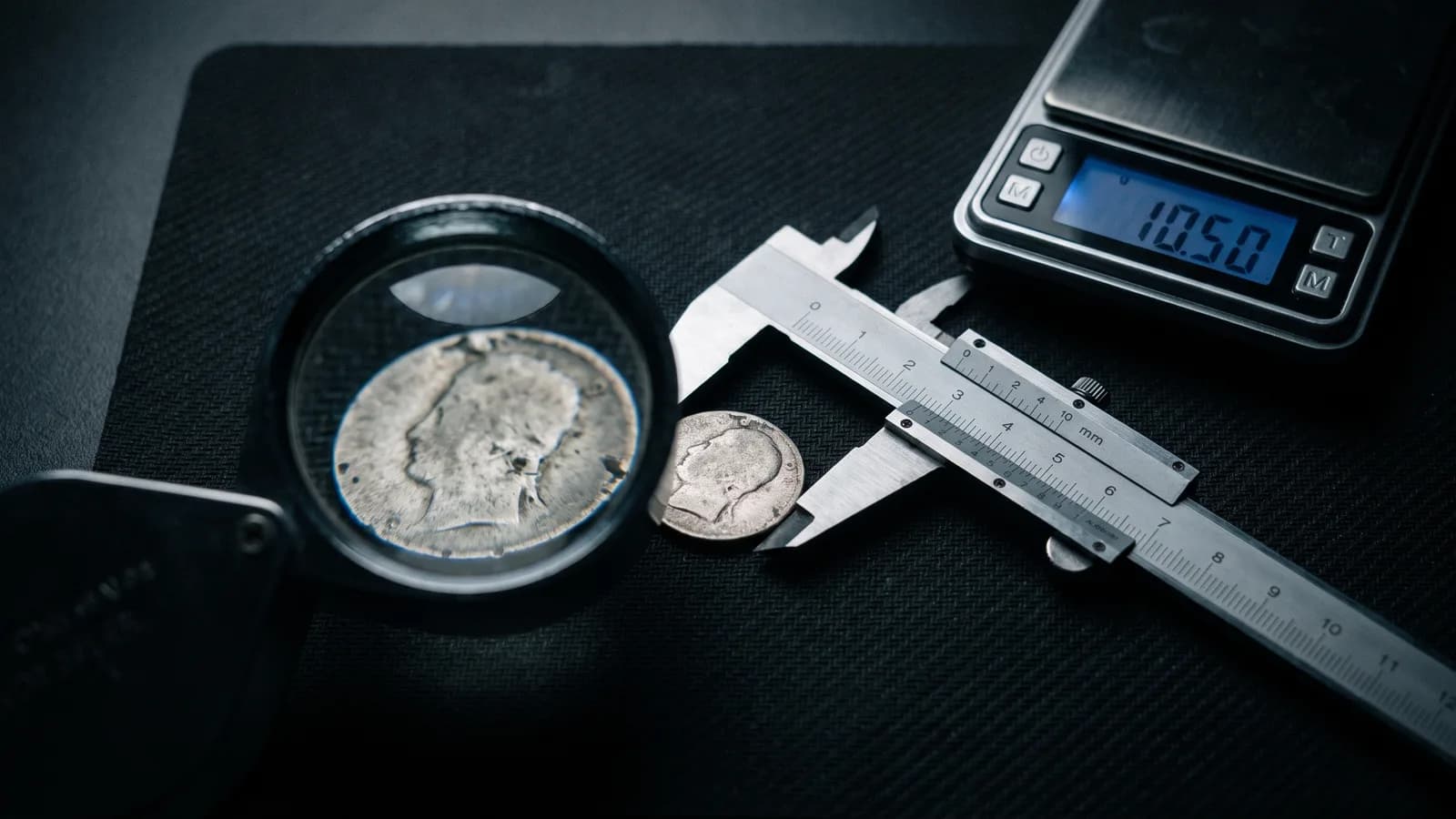
How to Avoid Coin Scams: Red Flags, Fakes, and Common Frauds
Coin fraud is more sophisticated than it used to be — but the red flags are consistent once you know what to look for.
By Richard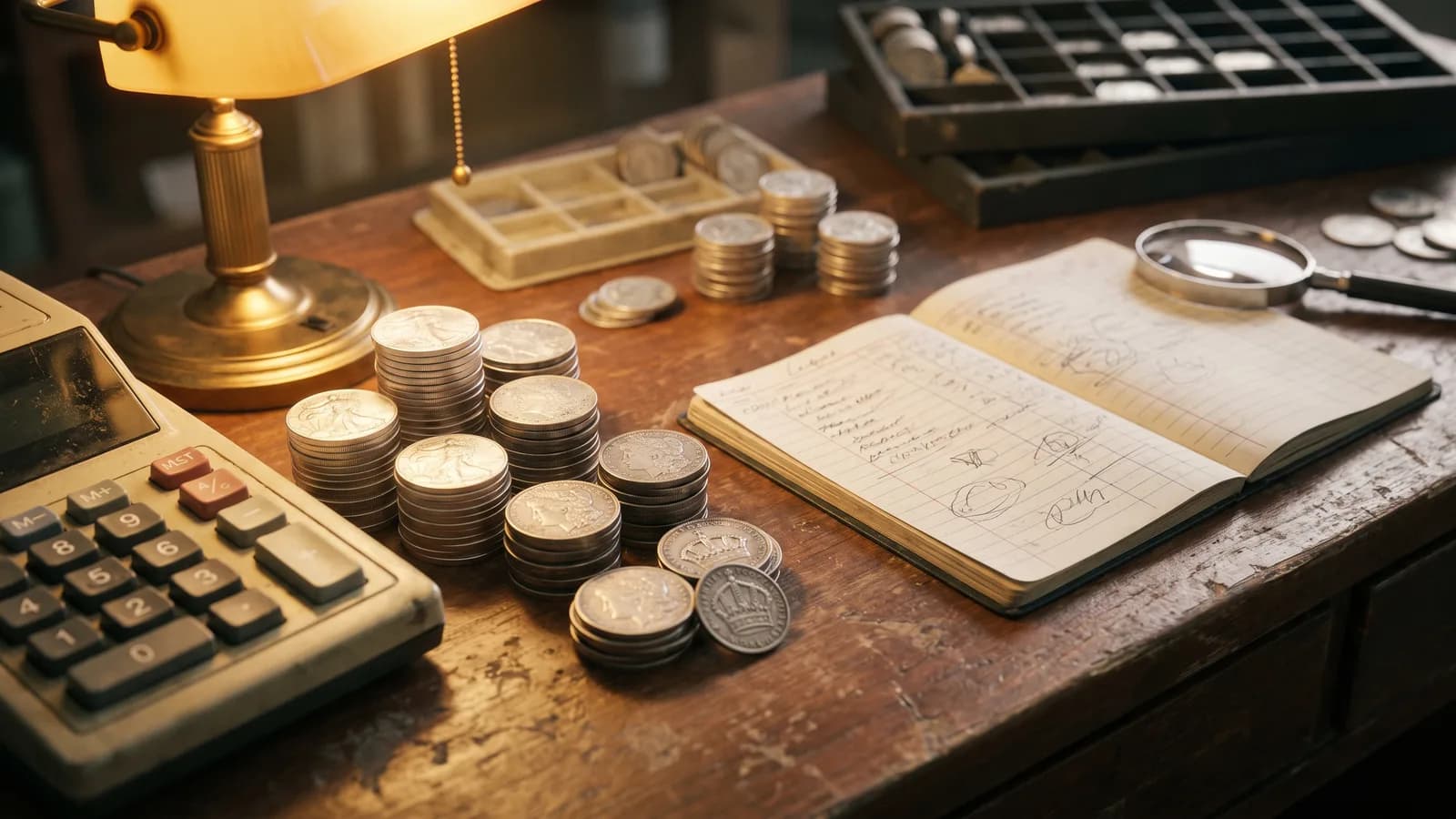
Coin Dealer Spreads and Premiums: What You Pay and What You Get Back
The spread between what a dealer pays and charges is how dealers earn a living — knowing what is normal protects you as a buyer and seller.
By Richard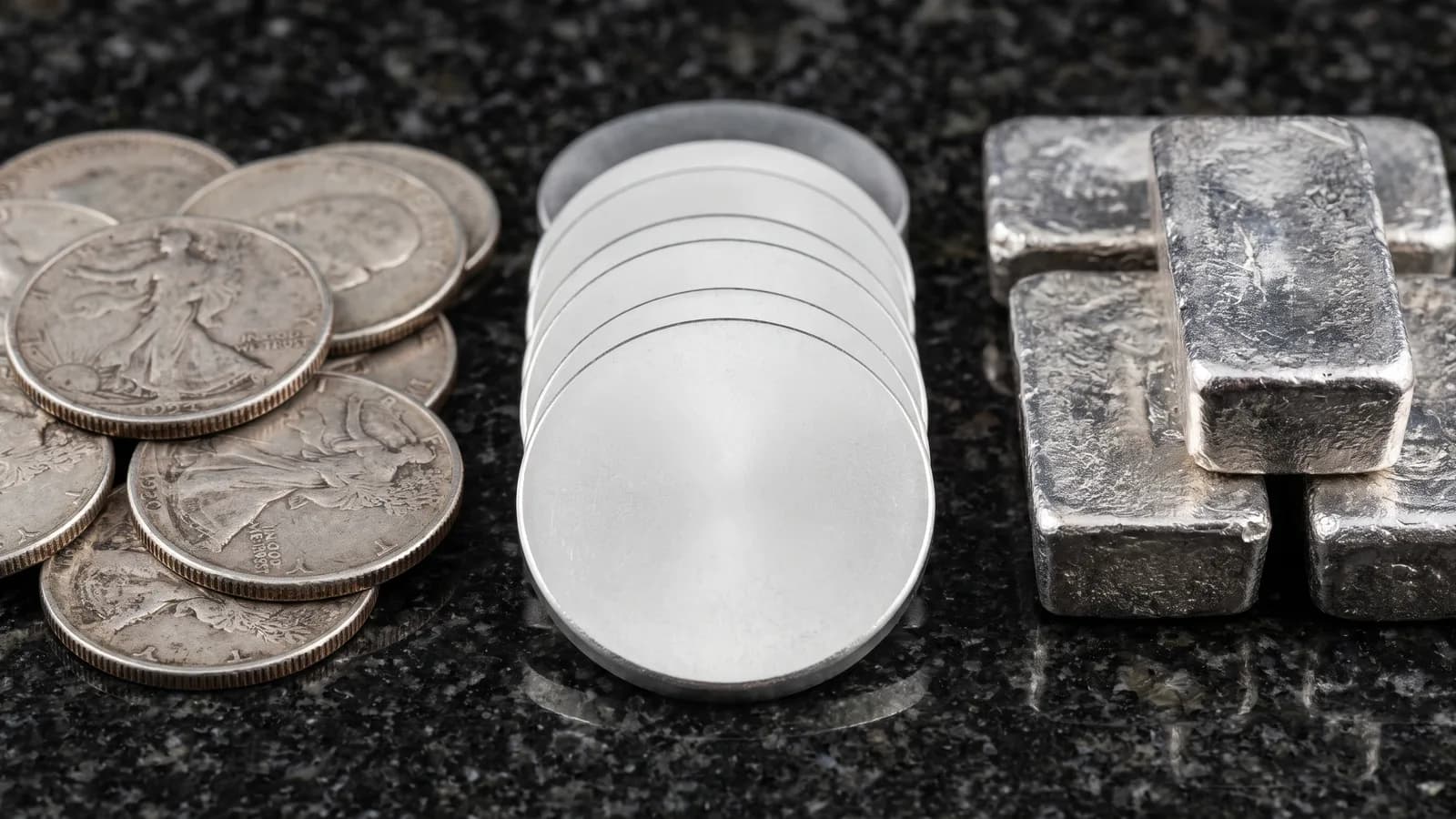
Silver Rounds vs. Coins vs. Bars: Which Should You Buy?
Rounds, coins, and bars all hold silver — the difference is premium, liquidity, and purpose. Here is how to pick.
By Richard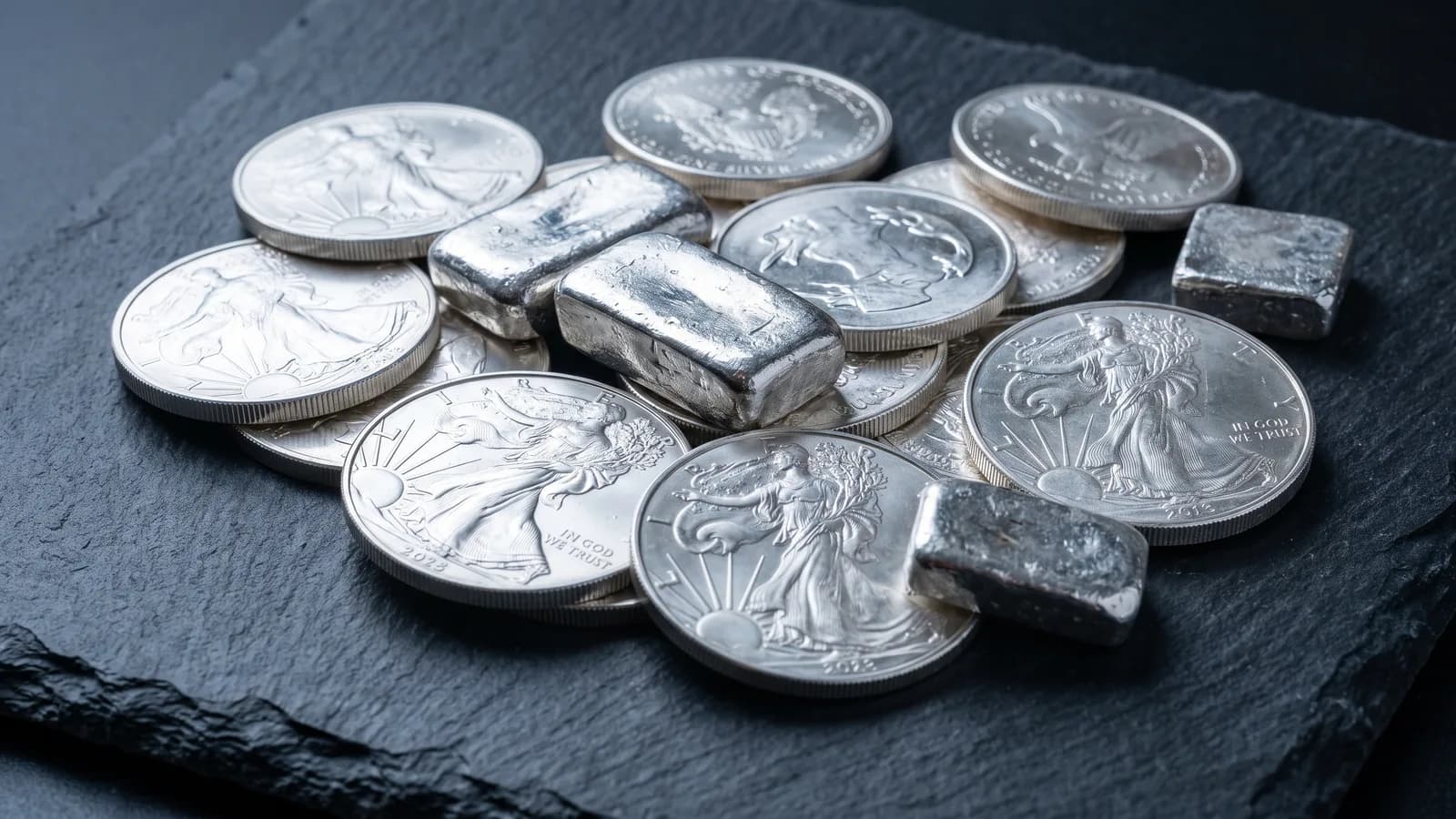
How to Buy Silver: Coins, Rounds, and Bars — What to Expect
Silver comes in many forms — here is how to compare coins, rounds, and bars so you pay a fair premium and buy from a trustworthy source.
By Richard
How to Sell Silver Coins: Junk Silver, Numismatic, and Everything Between
Knowing whether your silver coins are "junk silver" or numismatic collectibles is the first step to getting a fair price.
By Richard
How to Sell Gold Coins: A Step-by-Step Guide to Getting a Fair Price
Getting a fair price for gold coins starts with knowing exactly what you have — and then knowing where to sell it.
By Richard
What Is a Type Set? The Most Flexible Way to Collect U.S. Coins
A type set lets you collect the history of American coinage without hunting down every rare date — one coin per design, all denominations.
By Richard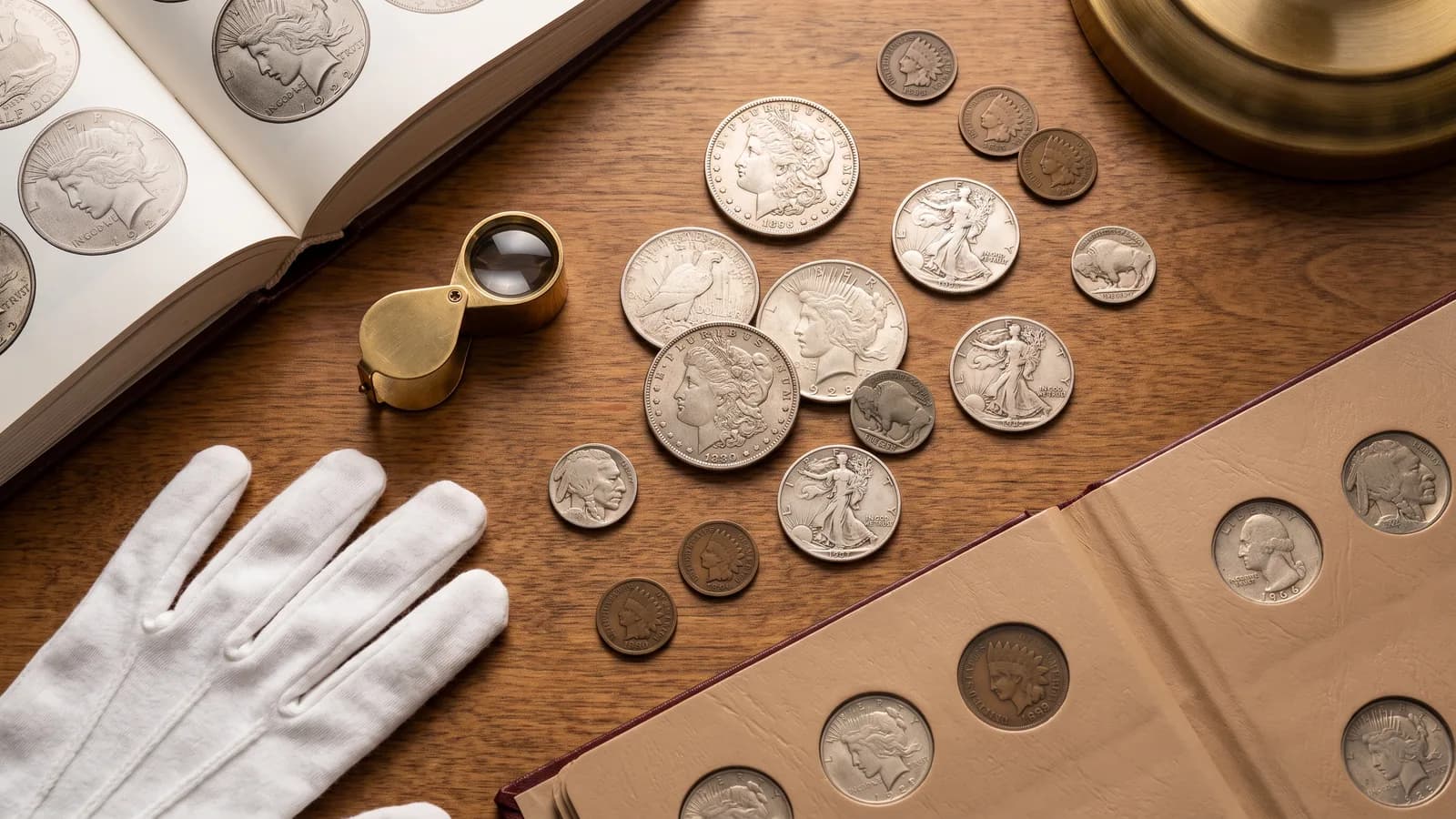
Coin Collecting Glossary: 50 Terms Every Collector Should Know
The language of numismatics can be confusing at first — here are the 50 terms you will encounter most often and what they actually mean.
By Richard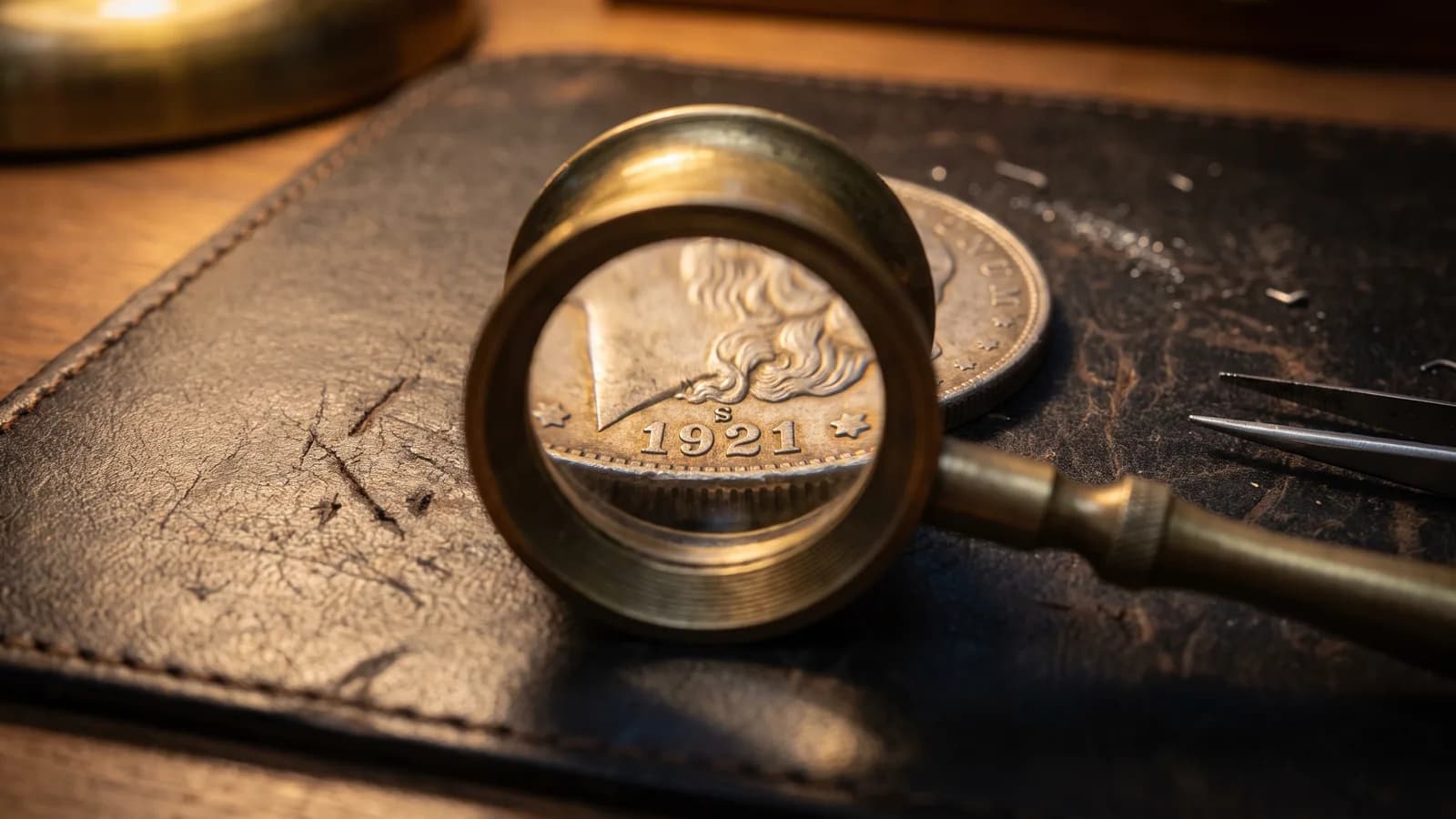
How to Read a Coin: A Guide to Coin Anatomy and Terminology
Every part of a coin has a name — and knowing the vocabulary helps you describe, grade, and discuss any coin with confidence.
By Richard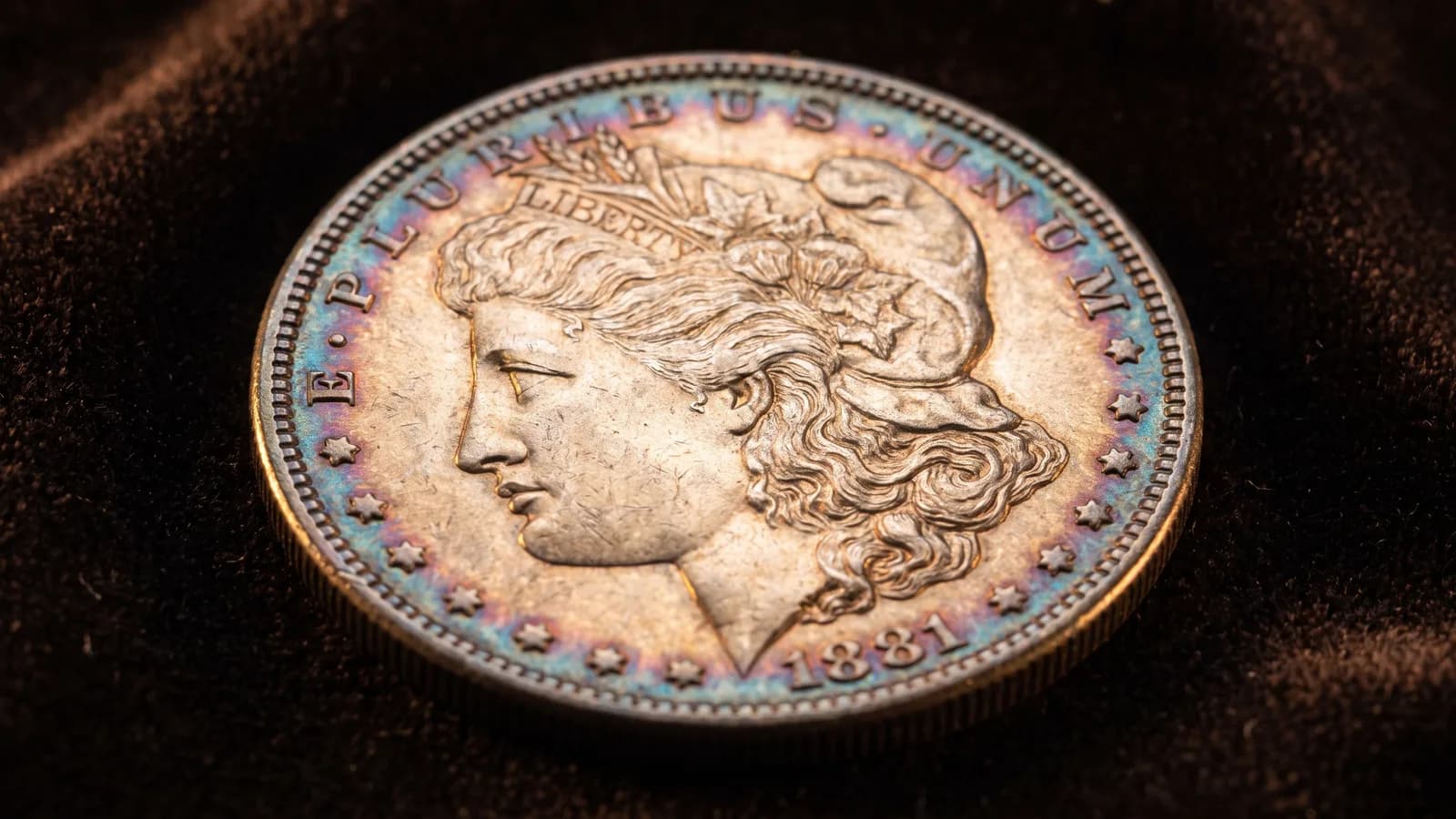
What Is Coin Toning? Natural Patina vs. Artificial Color
That rainbow-toned Morgan dollar might be worth a premium — or it might have been doctored. Here is how to tell the difference.
By Richard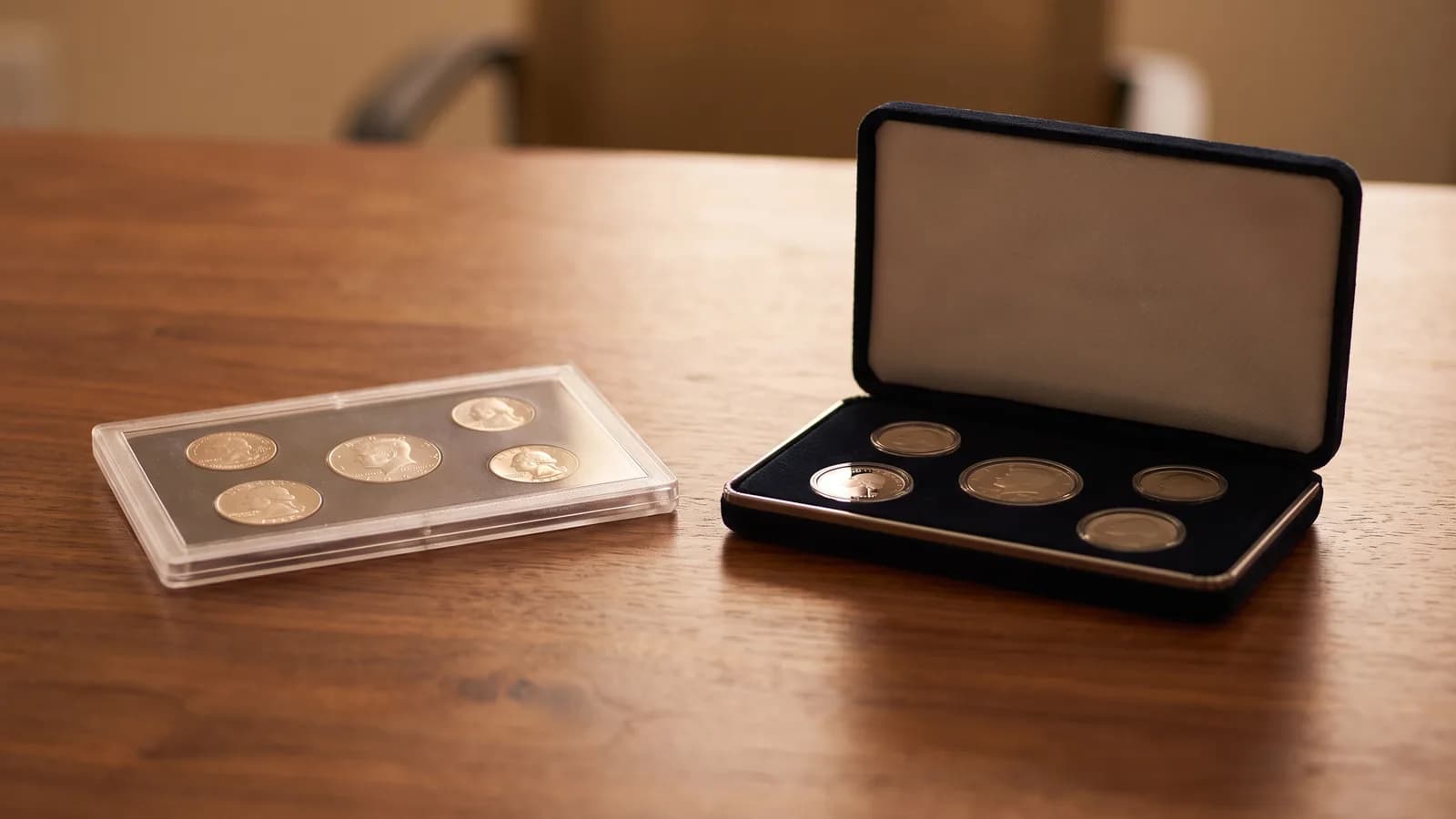
Mint Sets vs. Proof Sets: Which Annual U.S. Coin Sets Are Worth Buying?
The U.S. Mint sells two types of annual sets — here is how to tell them apart and which is worth your money.
By Richard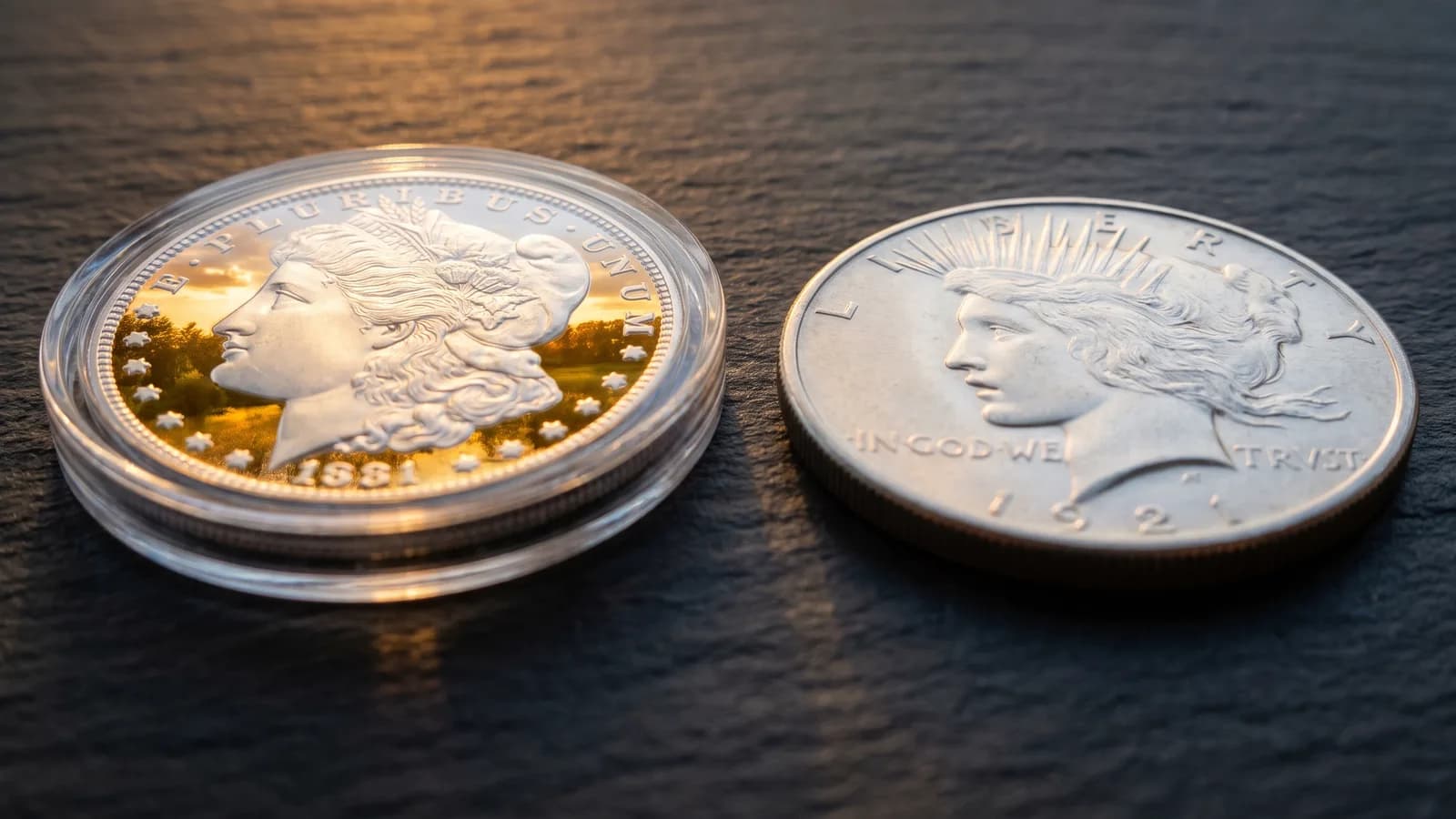
Proof vs. Uncirculated Coins: What the Difference Means for Value
Proof coins and uncirculated business strikes look different, grade differently, and sell differently — here is what you need to know.
By Richard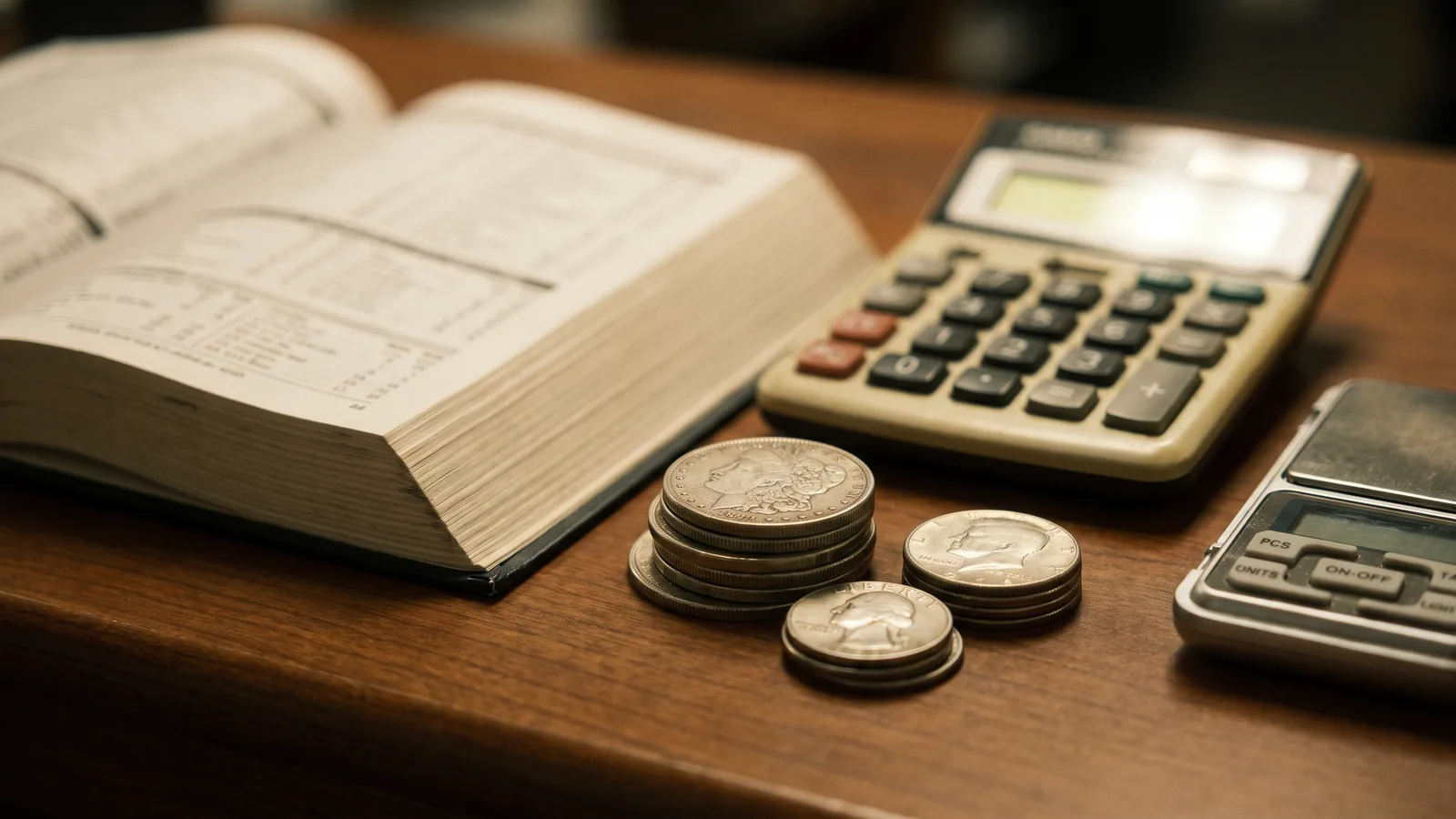
How Coin Prices Are Determined: Grade, Rarity, Demand, and Spot Price
Why does one penny sell for $50,000 and another for one cent? Here is how coin prices actually work.
By Richard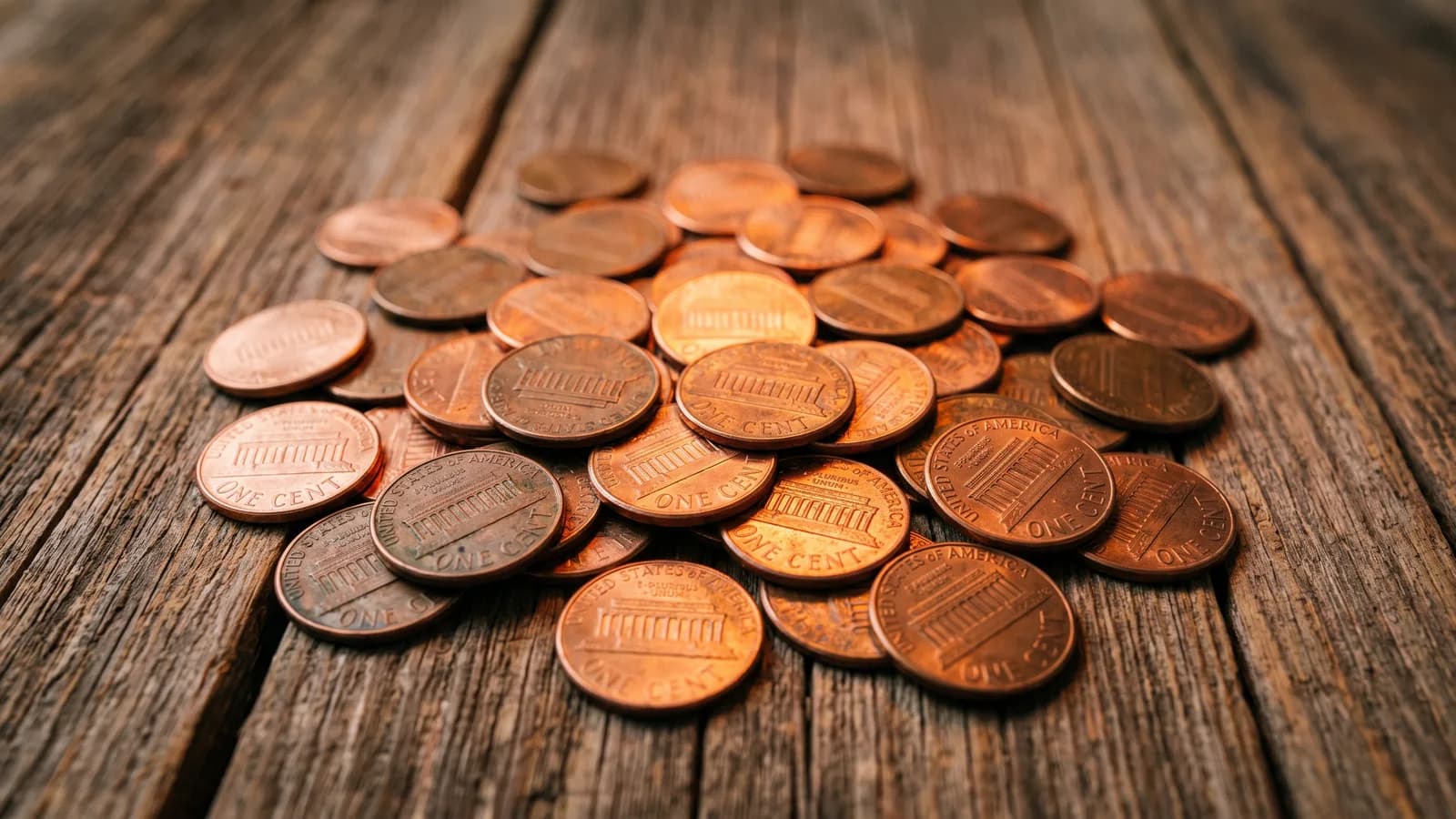
Lincoln Memorial Cent Value: Which Pennies Are Actually Worth Keeping
Virtually all Lincoln Memorial cents are worth one cent — but a few specific dates and varieties are worth hundreds or thousands.
By Richard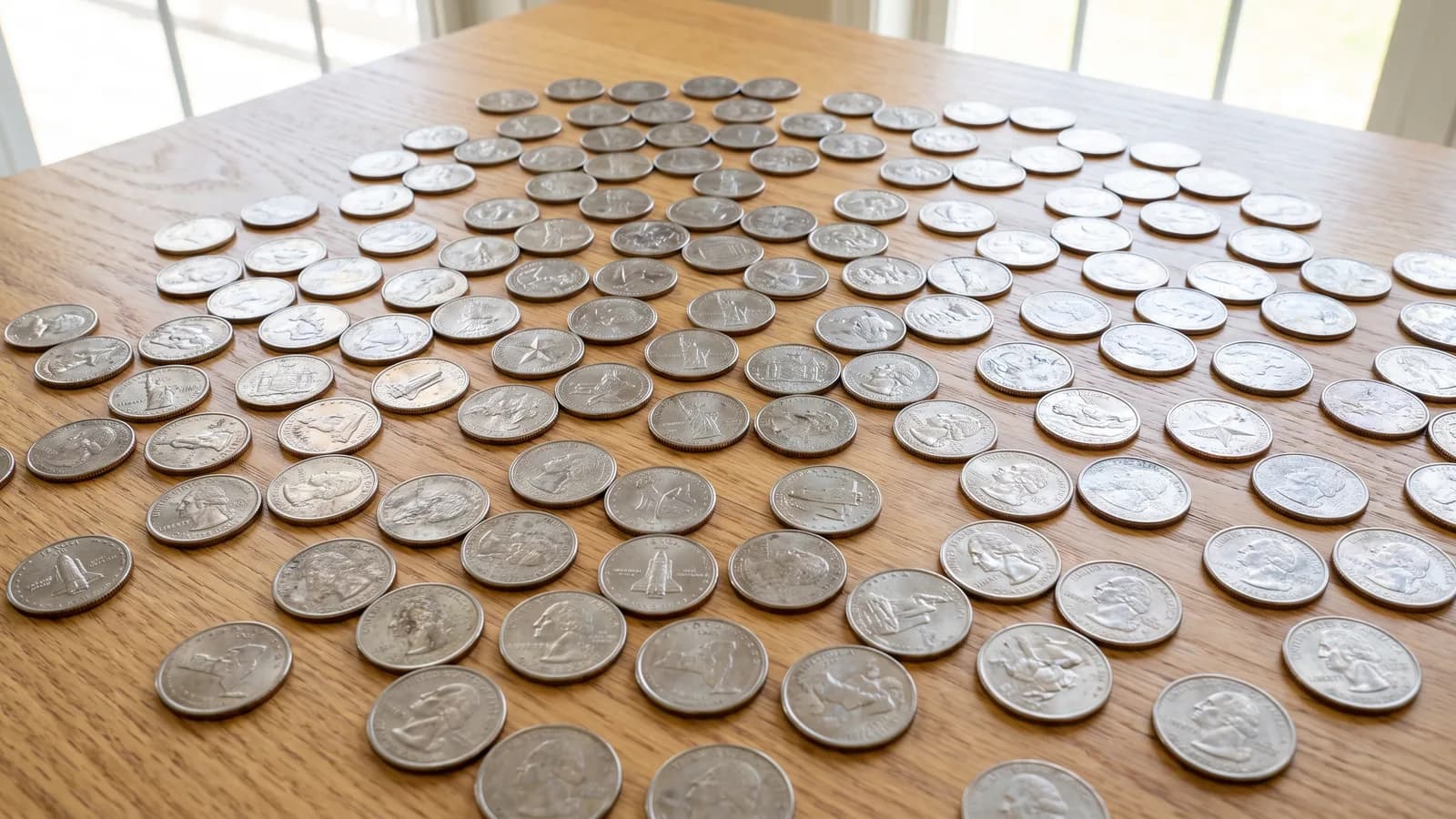
State Quarters: Values, Errors, and Which Ones Are Actually Worth Keeping
Billions of State Quarters were minted — but a handful of errors and the silver proof versions are worth real money.
By Richard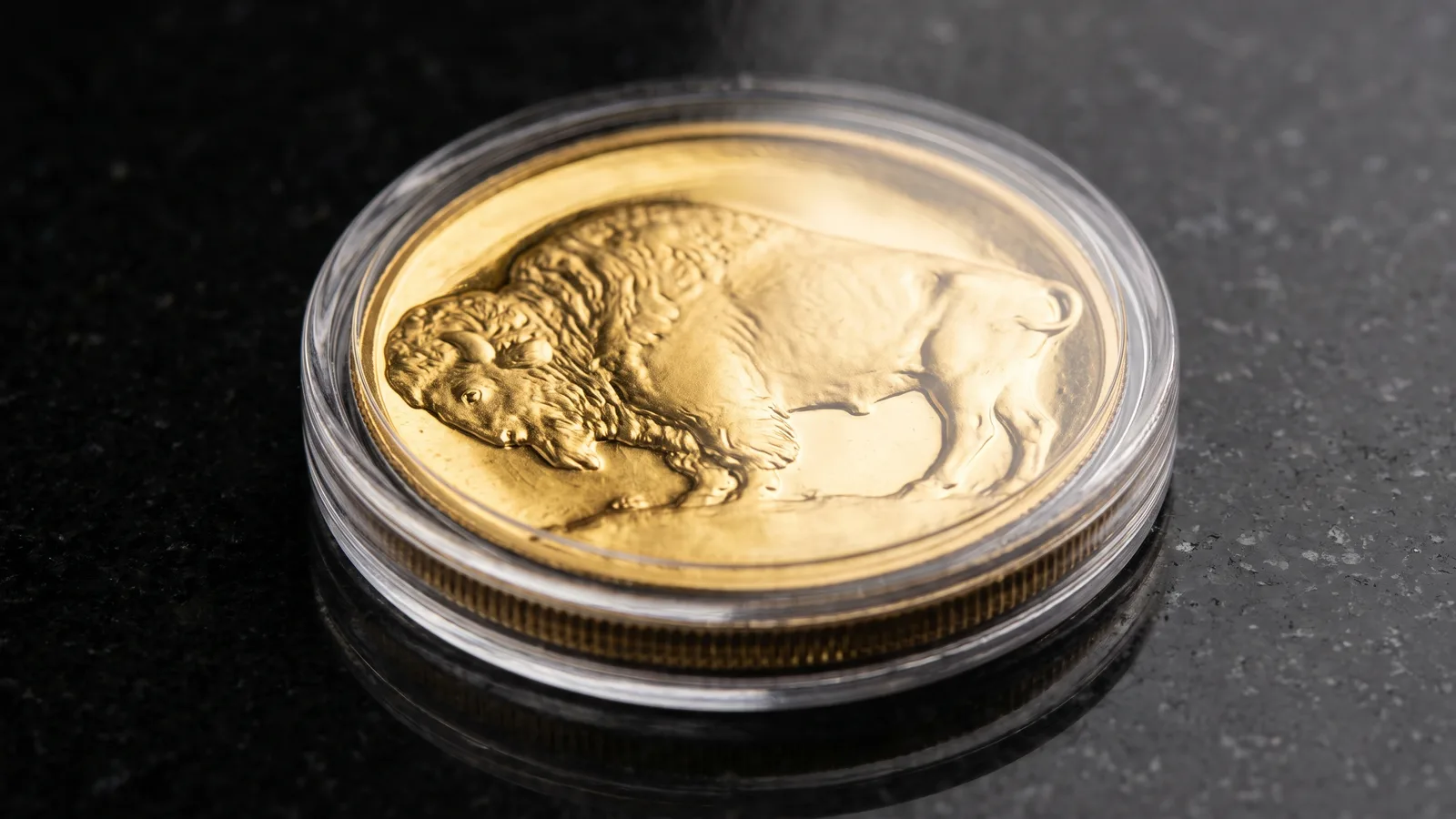
American Gold Buffalo Guide: The U.S. Mint's Purest Gold Coin
The American Gold Buffalo is 24-karat (.9999 fine) gold — the purest gold coin the U.S. Mint has ever made.
By Richard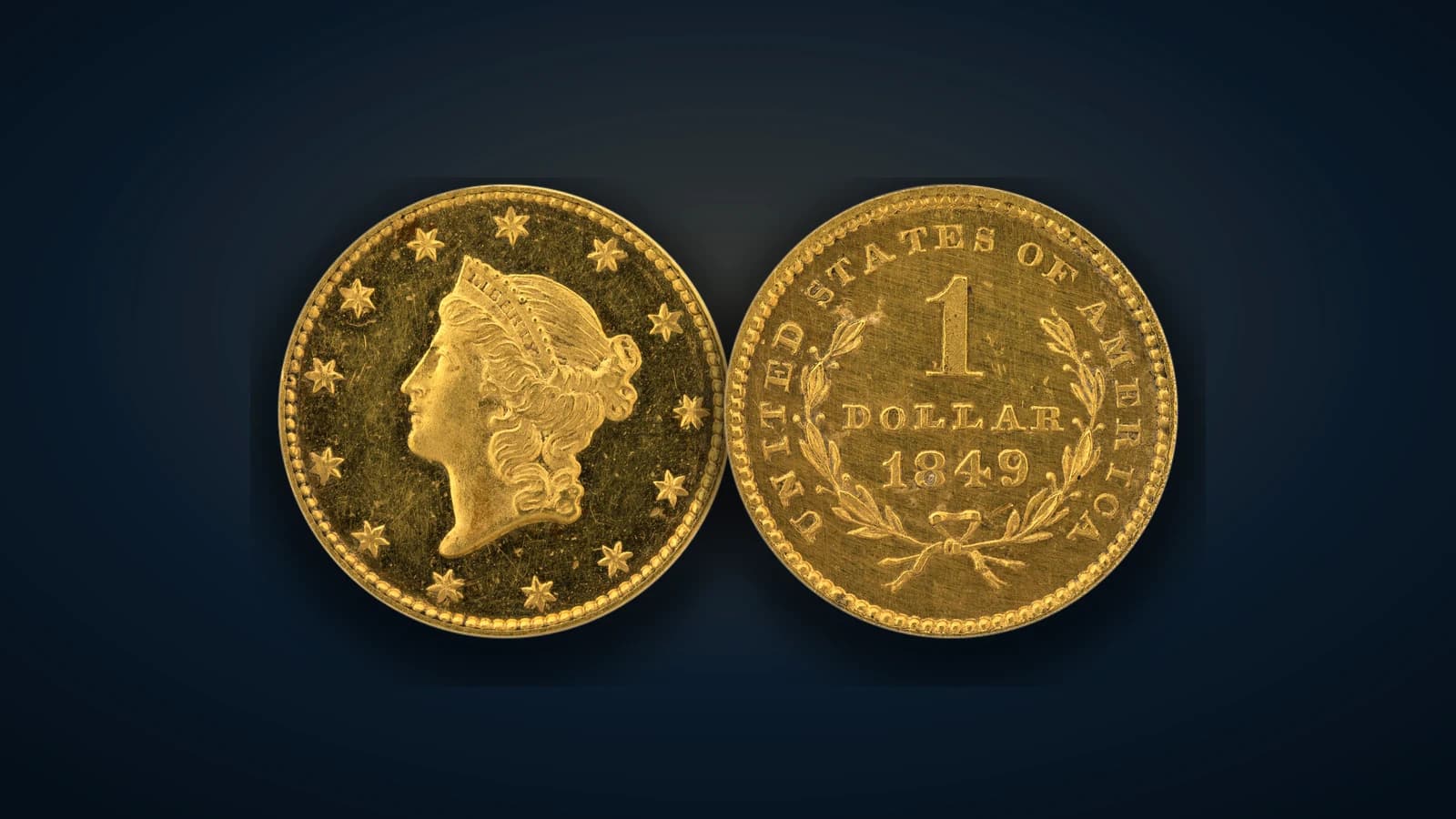
Gold Dollar Value: What America's Tiniest Gold Coin Is Worth
The $1 gold piece is the smallest coin ever struck by the U.S. Mint — and its three types span the most interesting decades in American numismatic history.
By Richard
Do You Pay Taxes When You Sell Gold or Coins?
How the 28% collectibles rate, cost basis, inherited-coin rules, and dealer reporting actually work.
By Richard
Why You Should Never Clean Coins
A quick polish can erase most of a coin's collector value. Here is why cleaning is almost always the wrong move, and the rare exceptions.
By Richard
Pre-1933 U.S. Gold Coins: A Complete Buyer's and Seller's Guide
Pre-1933 U.S. gold coins are both historic numismatic artifacts and real bullion — here is how to understand their value, their history, and how to buy or sell them wisely.
By Richard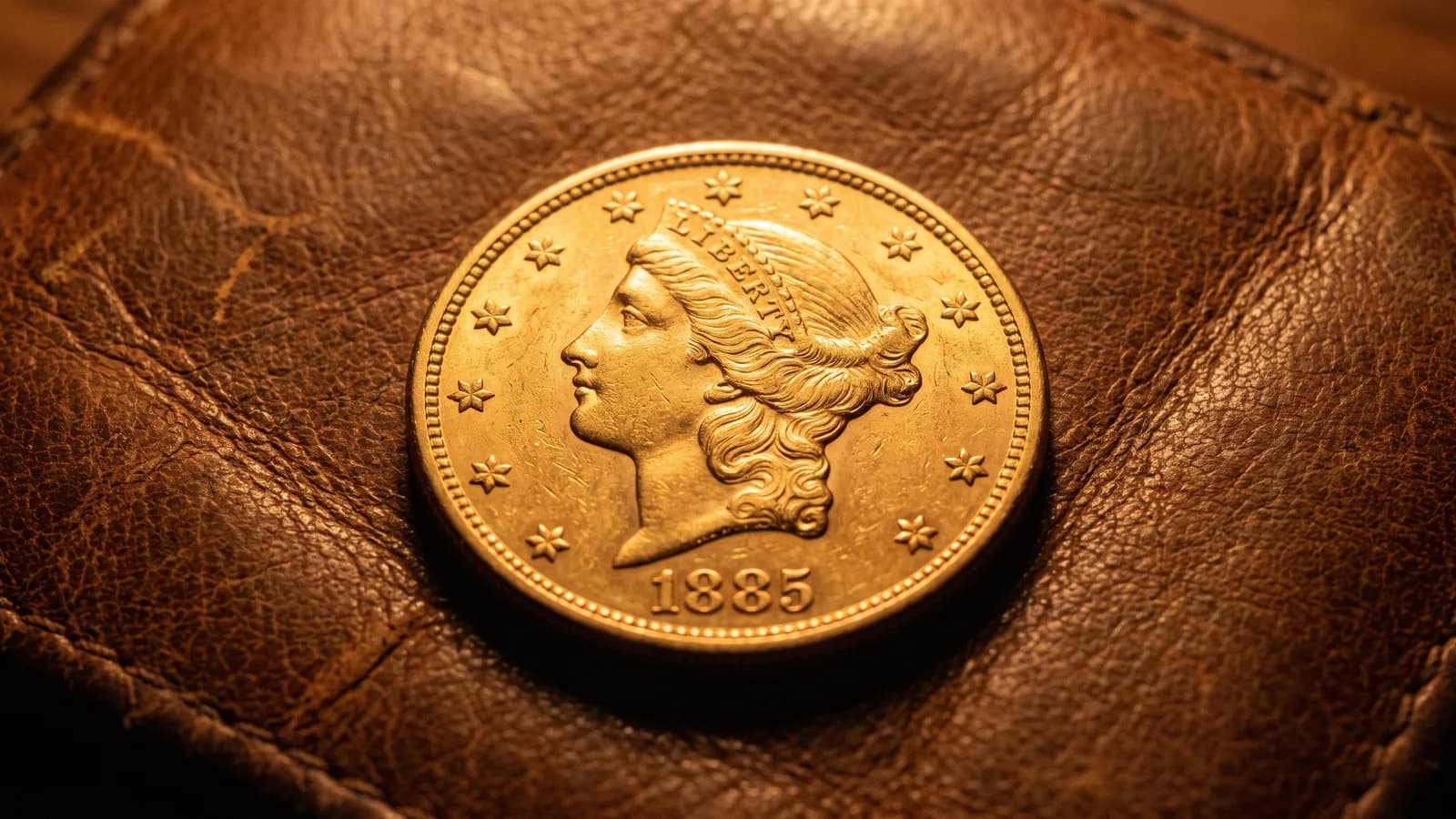
Liberty Head Double Eagle Value: The $20 Gold Coin That Defined an Era
The Liberty Head double eagle was the workhorse of American commerce for over 50 years — and today it is one of the most widely traded pre-1933 gold coins.
By Richard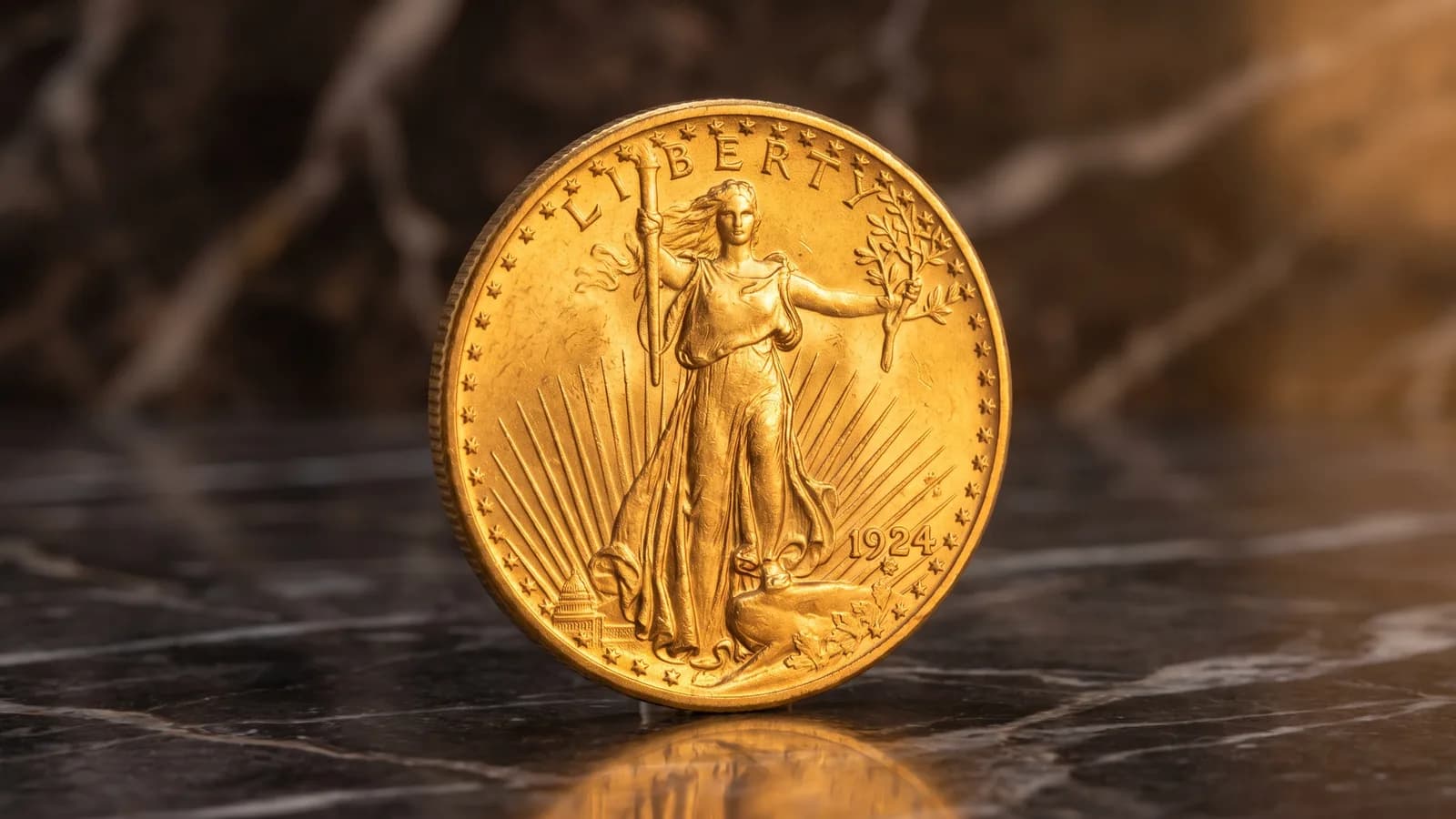
Saint-Gaudens Double Eagle: America's Most Beautiful Coin
President Theodore Roosevelt commissioned sculptor Augustus Saint-Gaudens to redesign U.S. gold coins — the result is still considered the pinnacle of American coin design.
By Richard
Twenty-Cent Piece Value: America's Most Short-Lived Silver Coin
The twenty-cent piece lasted just four years — a fascinating experiment in U.S. coinage that collectors can complete for under $1,000.
By Richard
Flying Eagle Cent Value: Three Years, Two Business-Strike Dates
The Flying Eagle cent lasted just three years — but its short run produced two of the most popular 19th-century small coins.
By Richard
Large Cents and Half Cents: A Guide to America's First Copper Coins
Large cents and half cents trace the first 65 years of American coinage — and many circulated examples remain surprisingly affordable.
By Richard
Trade Dollar Value: The U.S. Coin Made for Asian Markets
The trade dollar was heavier than a Morgan dollar by design — made to compete with foreign silver coins in Asian markets.
By Richard
Seated Liberty Coins: A Complete Guide to Values and Key Dates
Six denominations, 55 years, and some of the most beautiful coins ever struck by the U.S. Mint — here is everything you need to know about the Seated Liberty series.
By Richard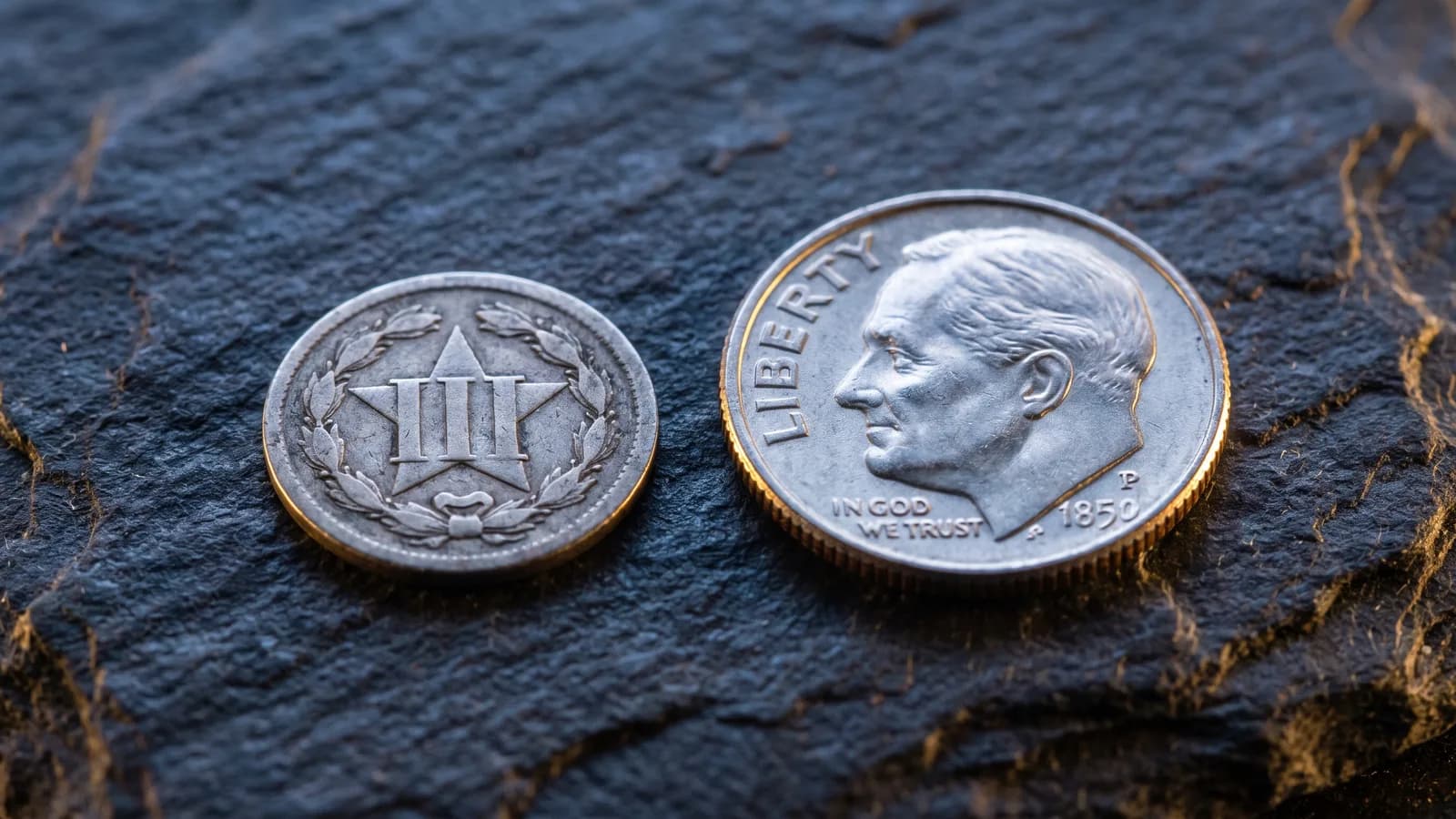
Three-Cent Piece Value: Two Different Coins, One Denomination
There are two completely different three-cent pieces — silver and nickel — and both are affordable entry points into 19th-century collecting.
By Richard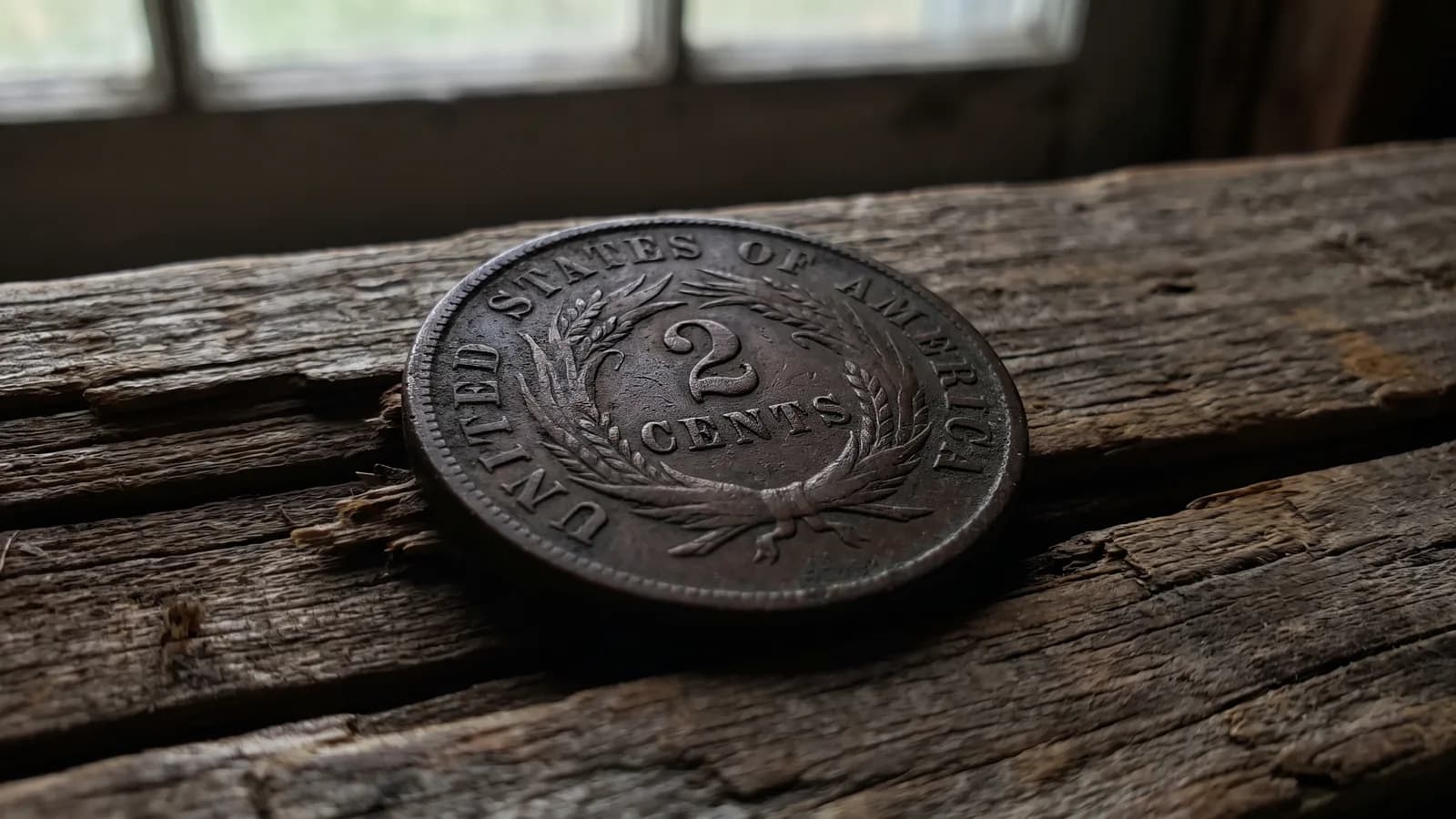
Two-Cent Piece Value: The Coin That First Said "In God We Trust"
The two-cent piece was the first U.S. coin to carry "In God We Trust" — and most examples are still very affordable.
By Richard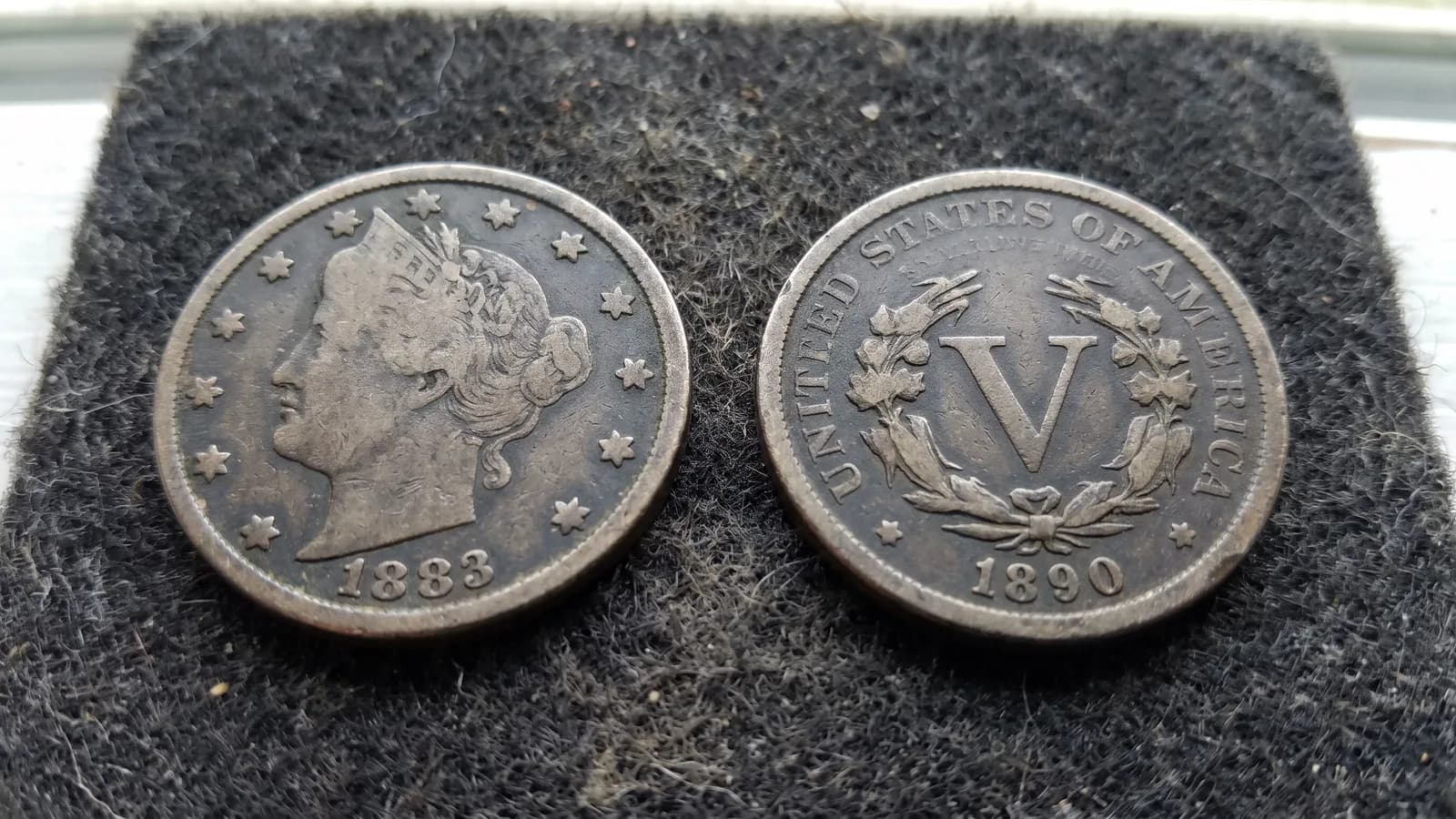
Liberty Head 'V' Nickel Value: Key Dates and the Racketeer Nickel
Most V nickels are worth a few dollars. The 1883 'No Cents,' the 1912-S, and the legendary 1913 are the famous ones.
By Richard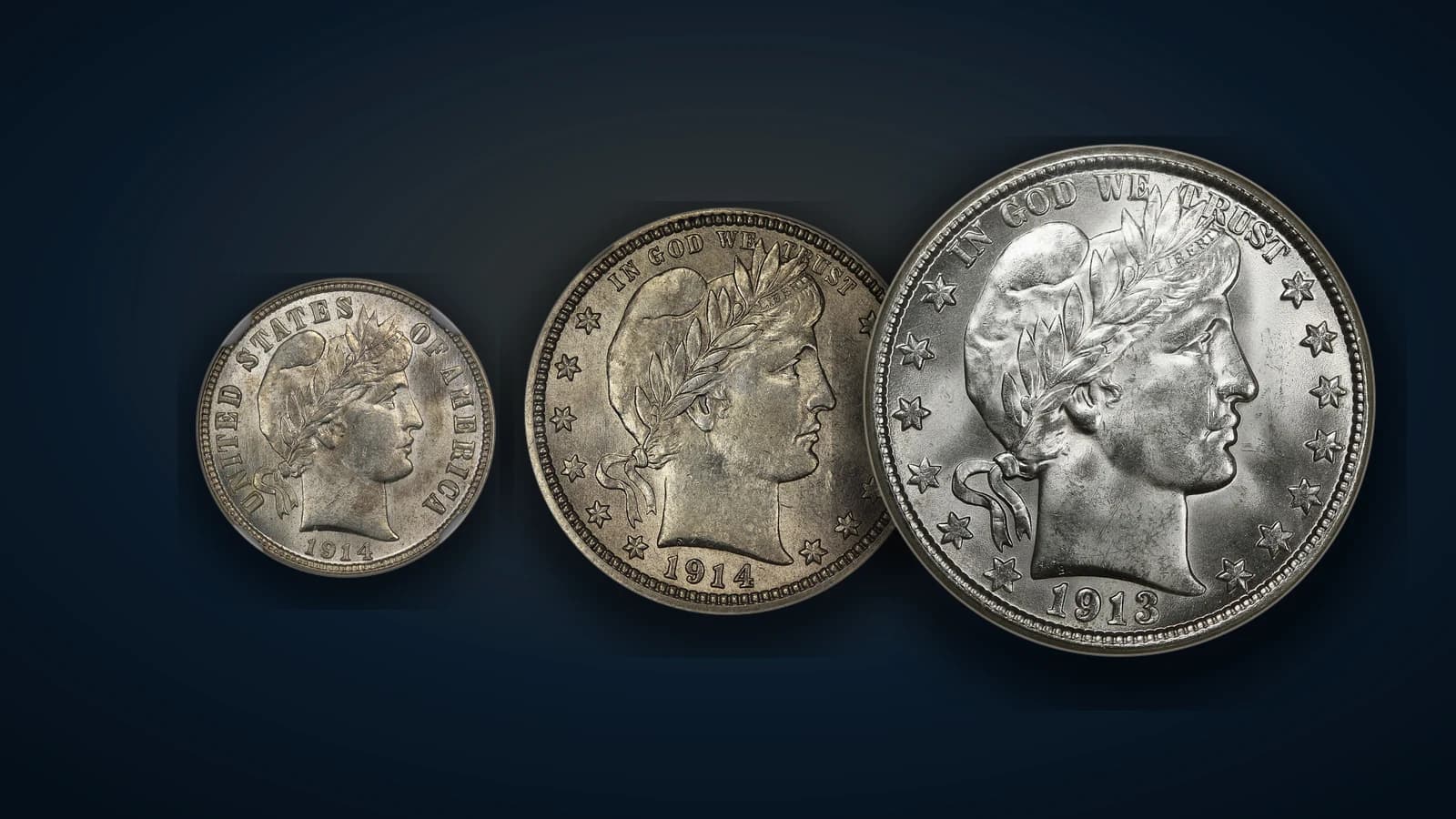
Barber Coins Value: Dimes, Quarters, and Half Dollars
Barber dimes, quarters, and halves are 90% silver and over a century old. Key dates like the 1894-S dime are legendary.
By Richard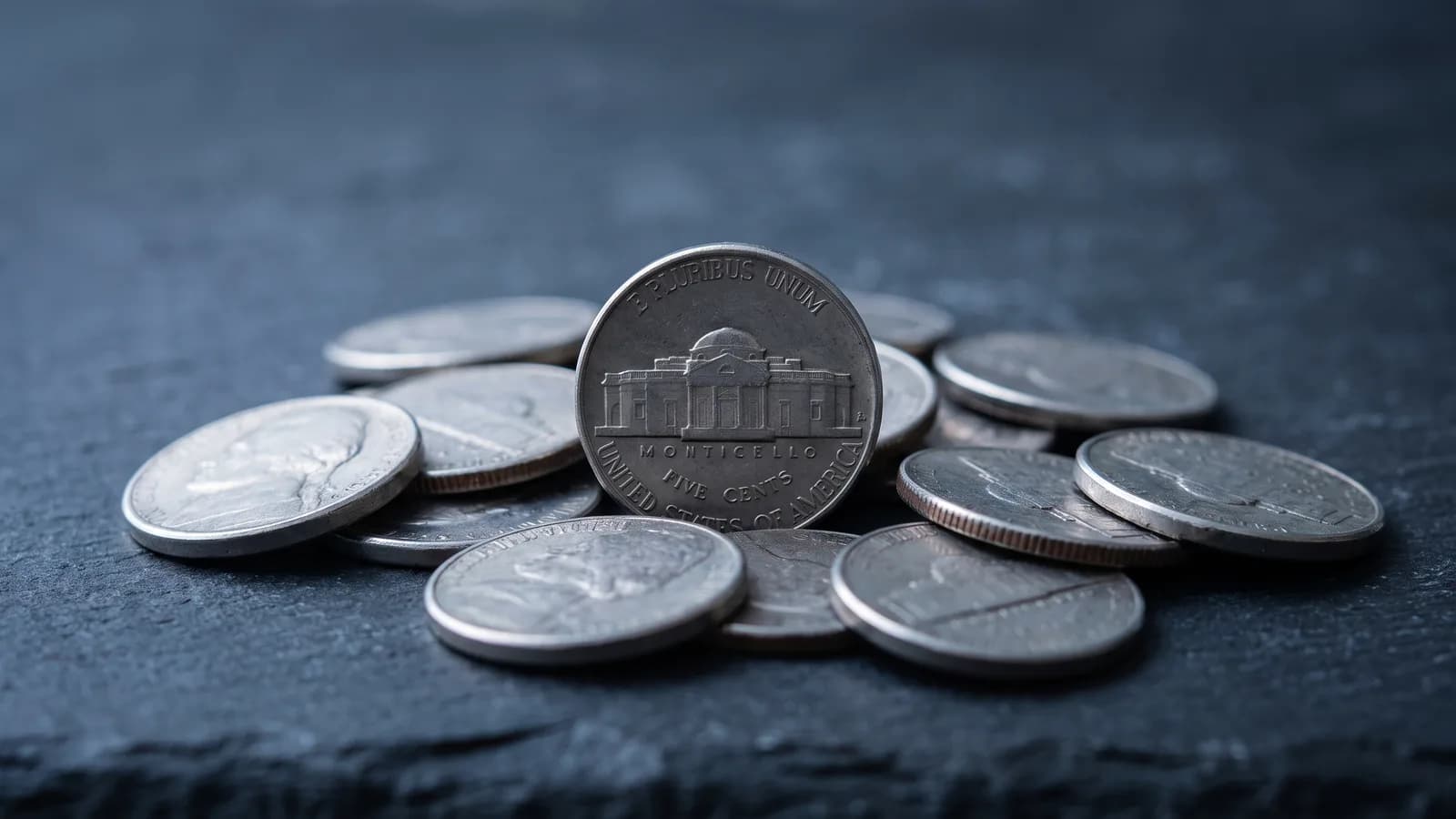
Jefferson Nickel Value: Wartime Silver and Key Dates
Most Jefferson nickels are worth 5 cents. The 1942–1945 silver war nickels and a few key dates are the exceptions.
By Richard
How to Choose a Local Coin Shop
What to look for, questions to ask, and red flags to avoid before you walk in.
By Richard
Coin Shop vs Bullion Dealer: What's the Difference?
They overlap, but they are not the same. Learn which one fits what you are trying to do.
By Richard
What to Know Before Selling a Coin Collection
How to organize, value, and sell a collection without leaving money on the table.
By Richard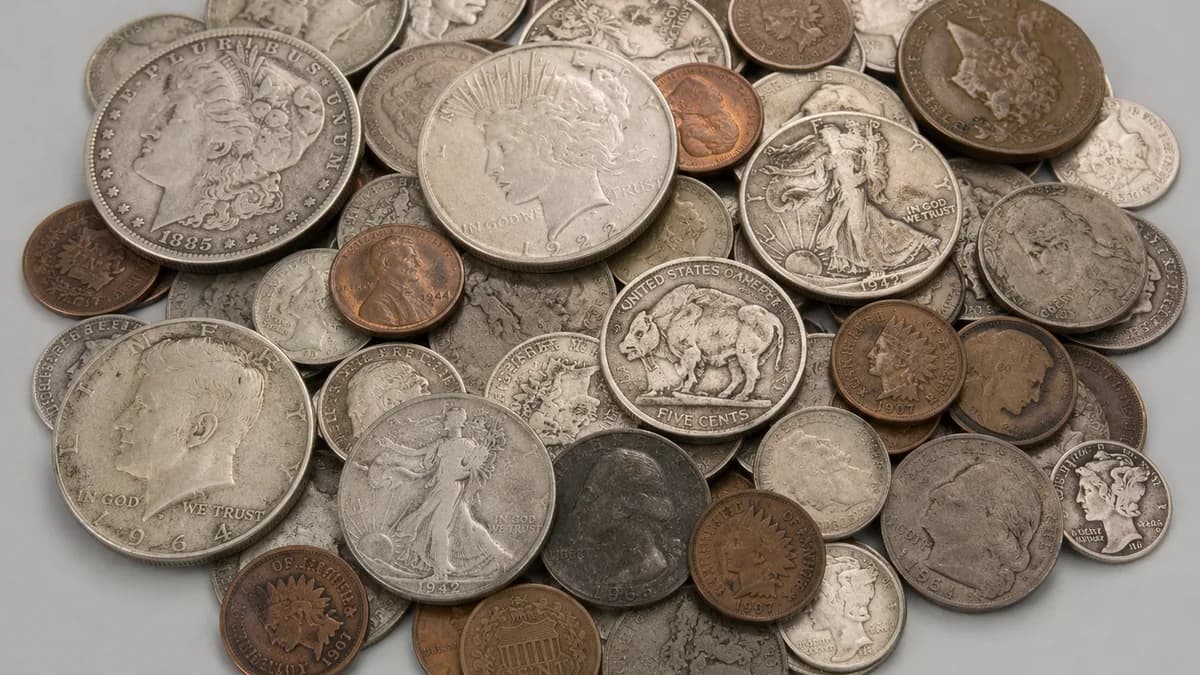
How Coin Appraisals Work
When you need one, what it includes, and how grading affects the number.
By Richard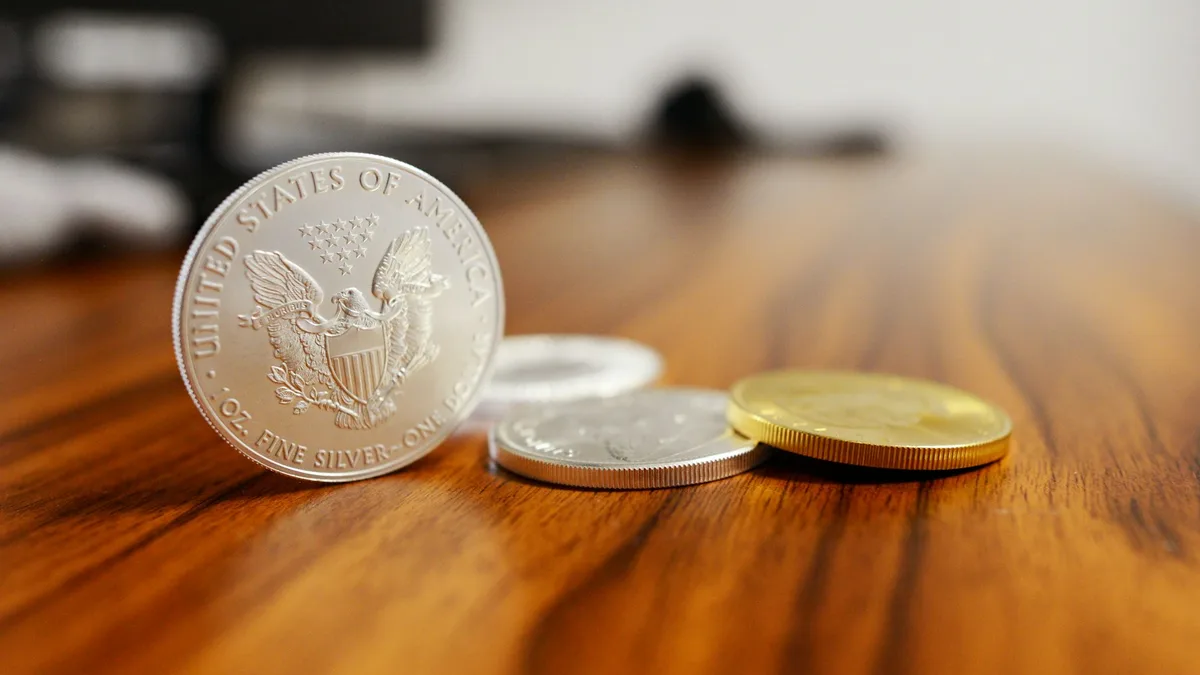
Questions to Ask Before Buying Gold or Silver
Premiums, authenticity, storage, and buyback terms to ask about before handing over money.
By Richard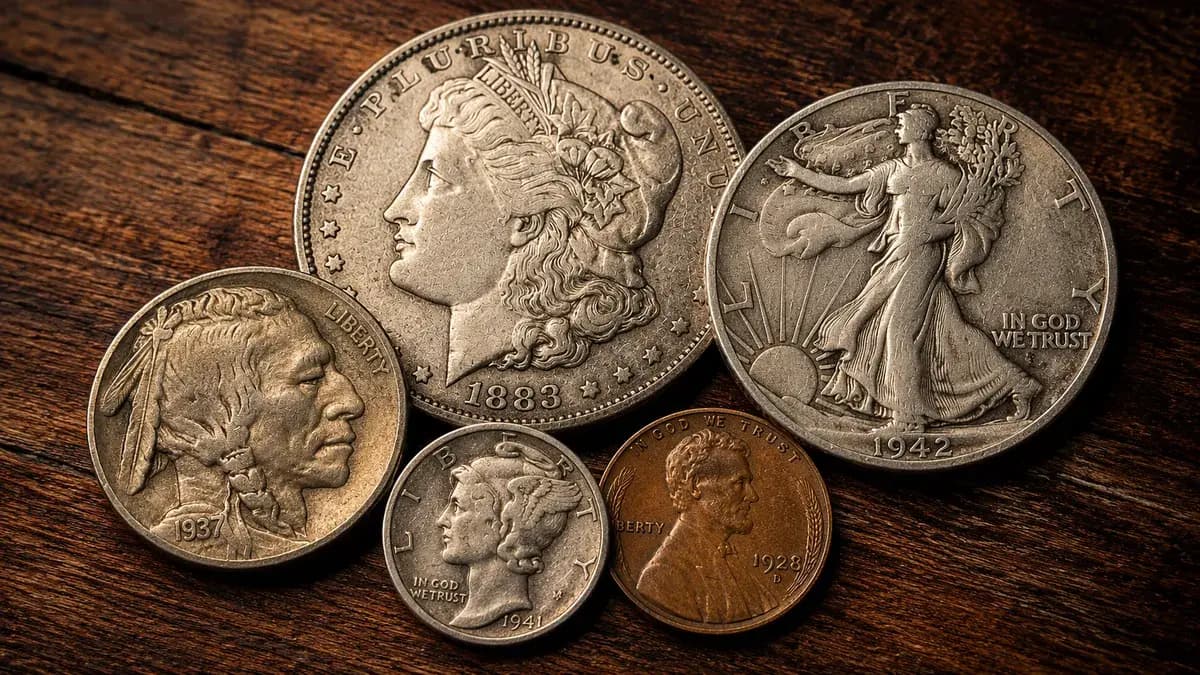
What Are My Coins Worth? How to Value Any Coin
The four things that set a coin's value, and how to tell a face-value coin from a valuable one.
By Richard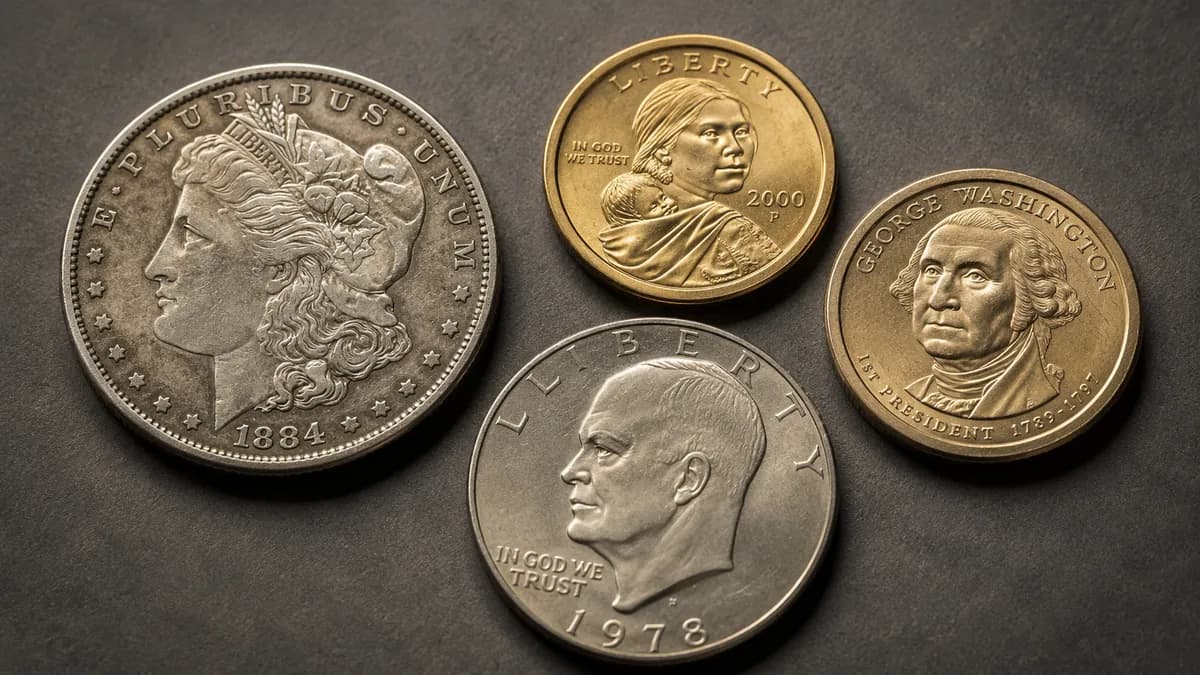
Are Dollar Coins Worth Anything? A Value Guide
Which dollar coins are worth exactly $1, and which are worth far more.
By Richard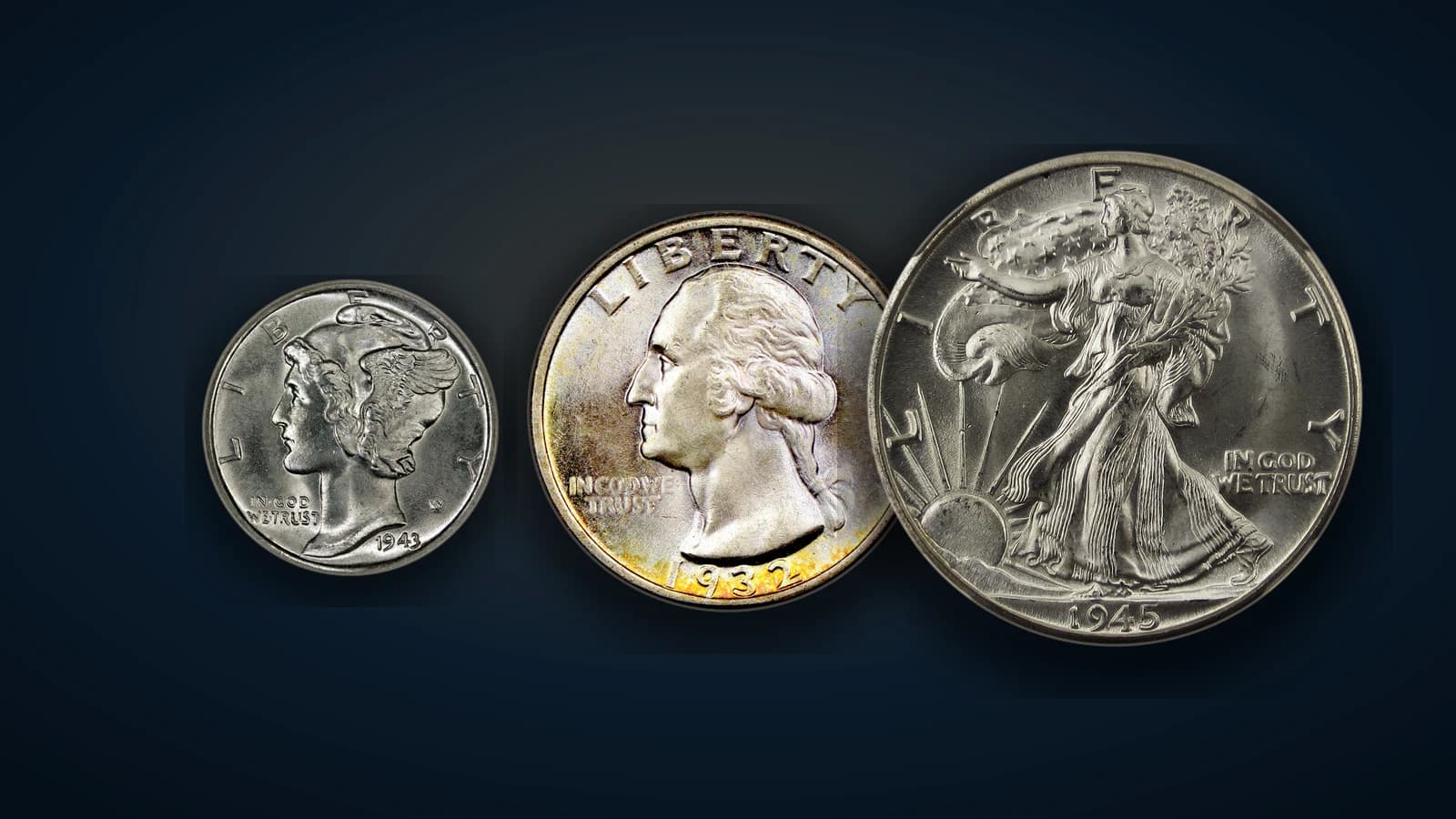
Silver Coin Melt Value: How to Calculate It
Turn any silver coin into a dollar figure using its silver content and the live spot price.
By Richard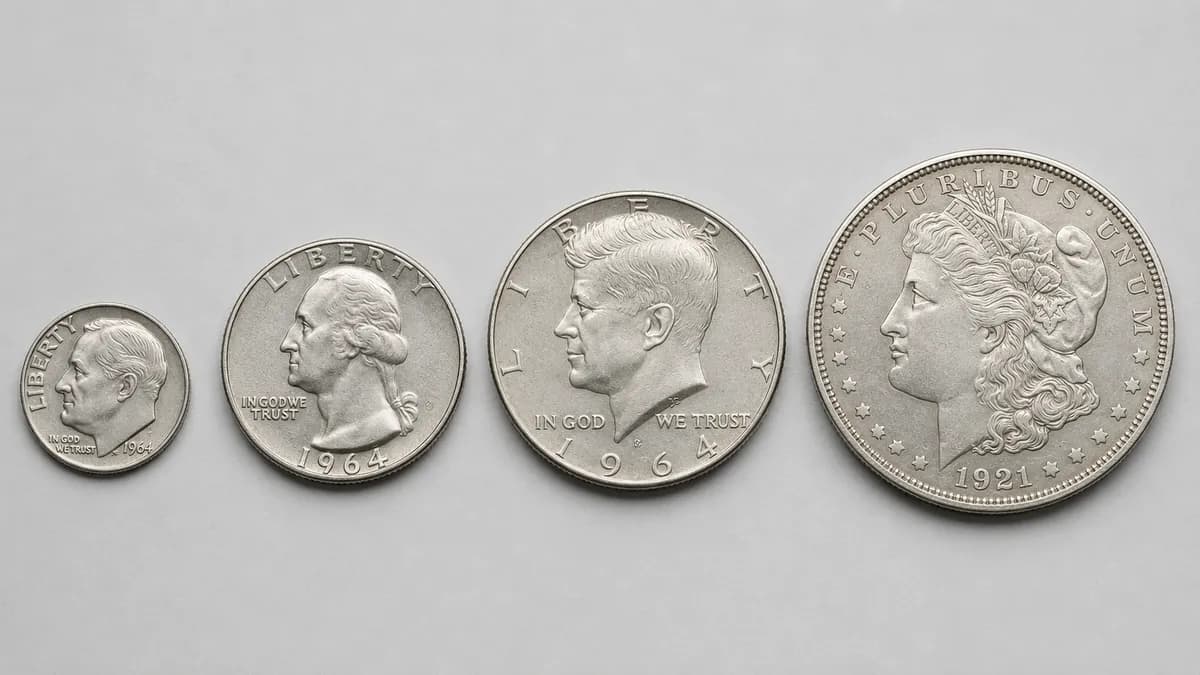
What US Coins Are Silver? A Year-by-Year Guide
The simple date rule for silver coins, plus the exceptions worth knowing.
By Richard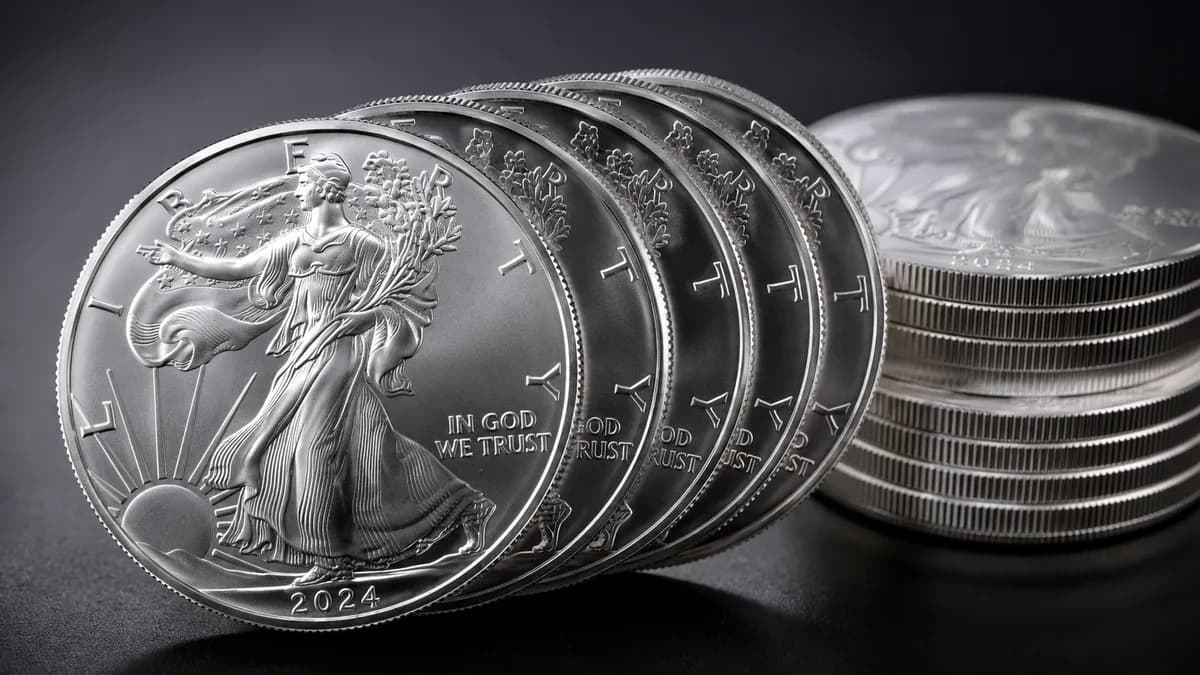
American Silver Eagle: A Beginner's Buyer Guide
The most recognized silver bullion coin, and what to know before you buy one.
By Richard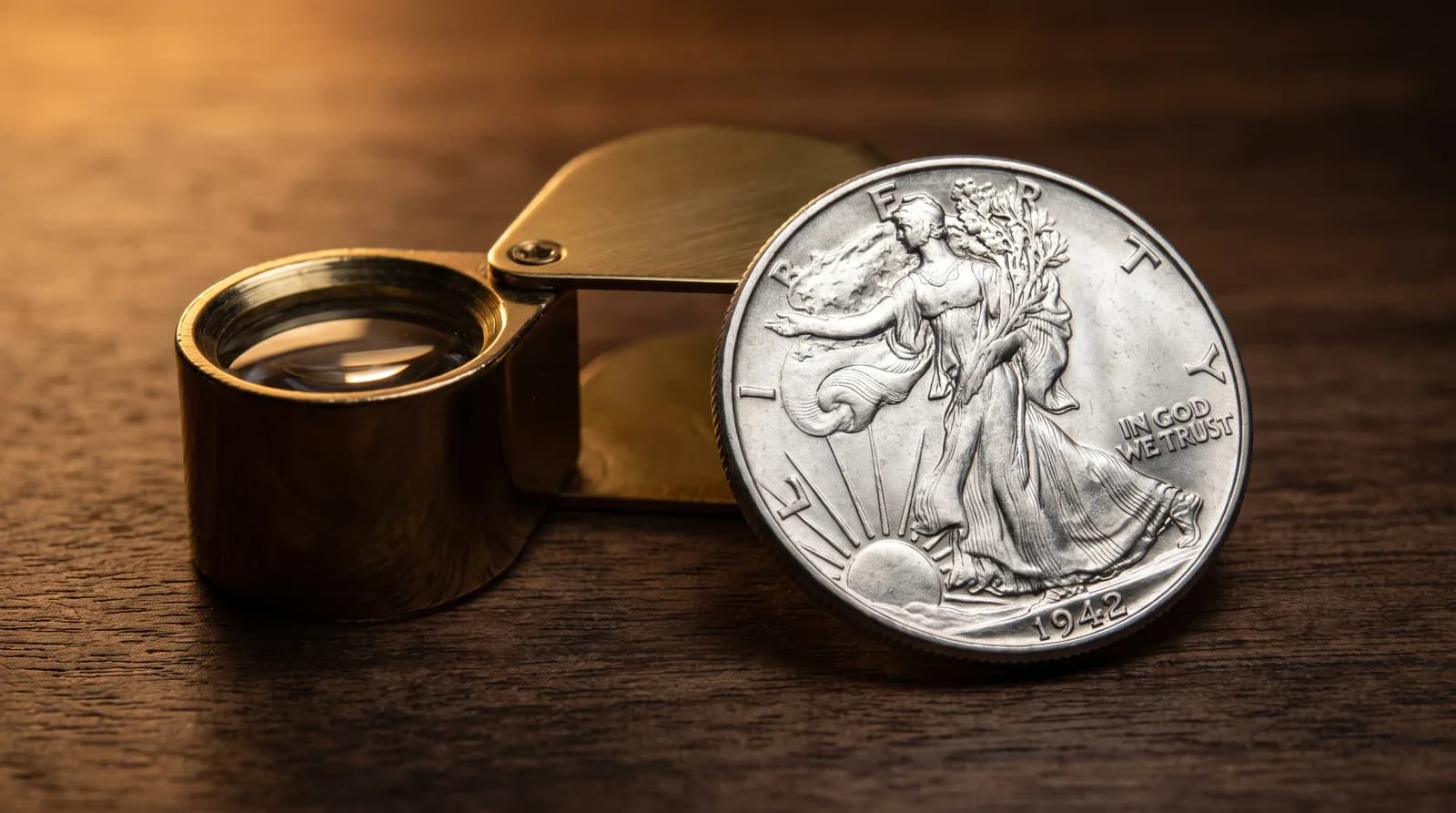
Coin Grading Explained: The 70-Point Scale
What the grades mean, how PCGS and NGC certify coins, and why grade can multiply value.
By Richard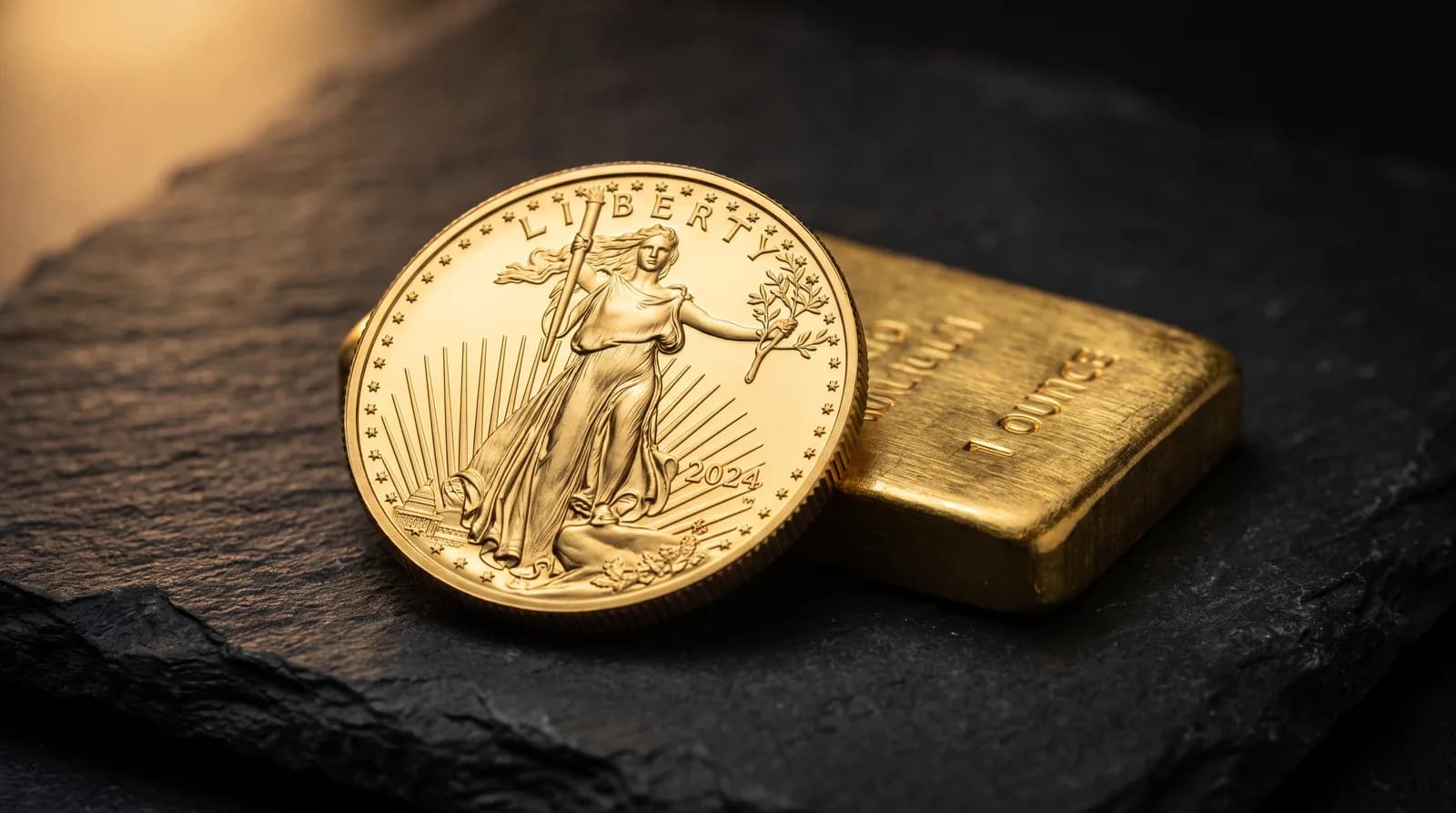
How to Buy Gold: Coins, Bars, and Premiums
Coins vs bars, premiums over spot, what to buy first, and how to store it safely.
By Richard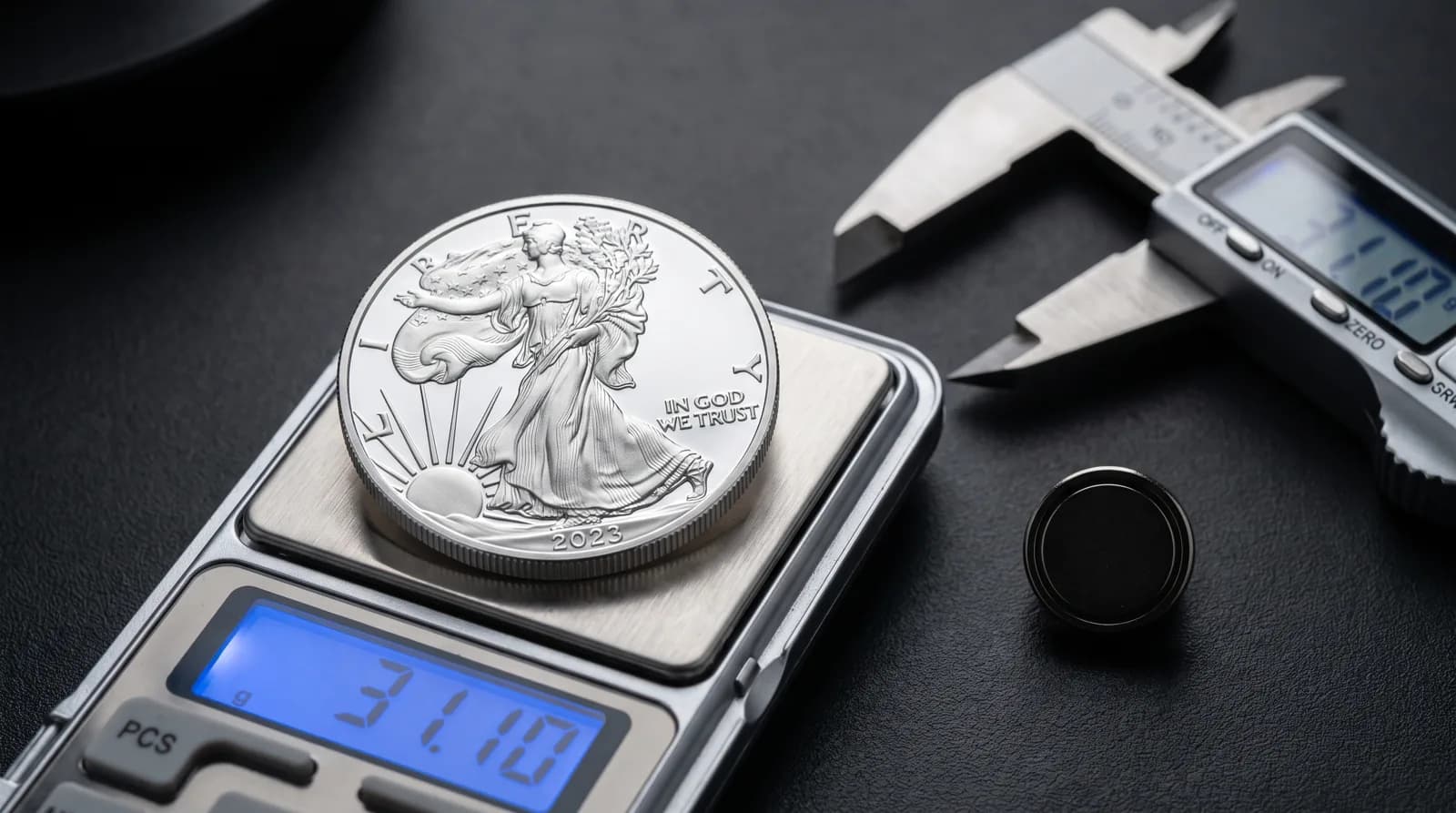
How to Spot Fake Coins and Counterfeit Bullion
The magnet, weight, dimension, and ping tests — plus the red flags that catch most fakes.
By Richard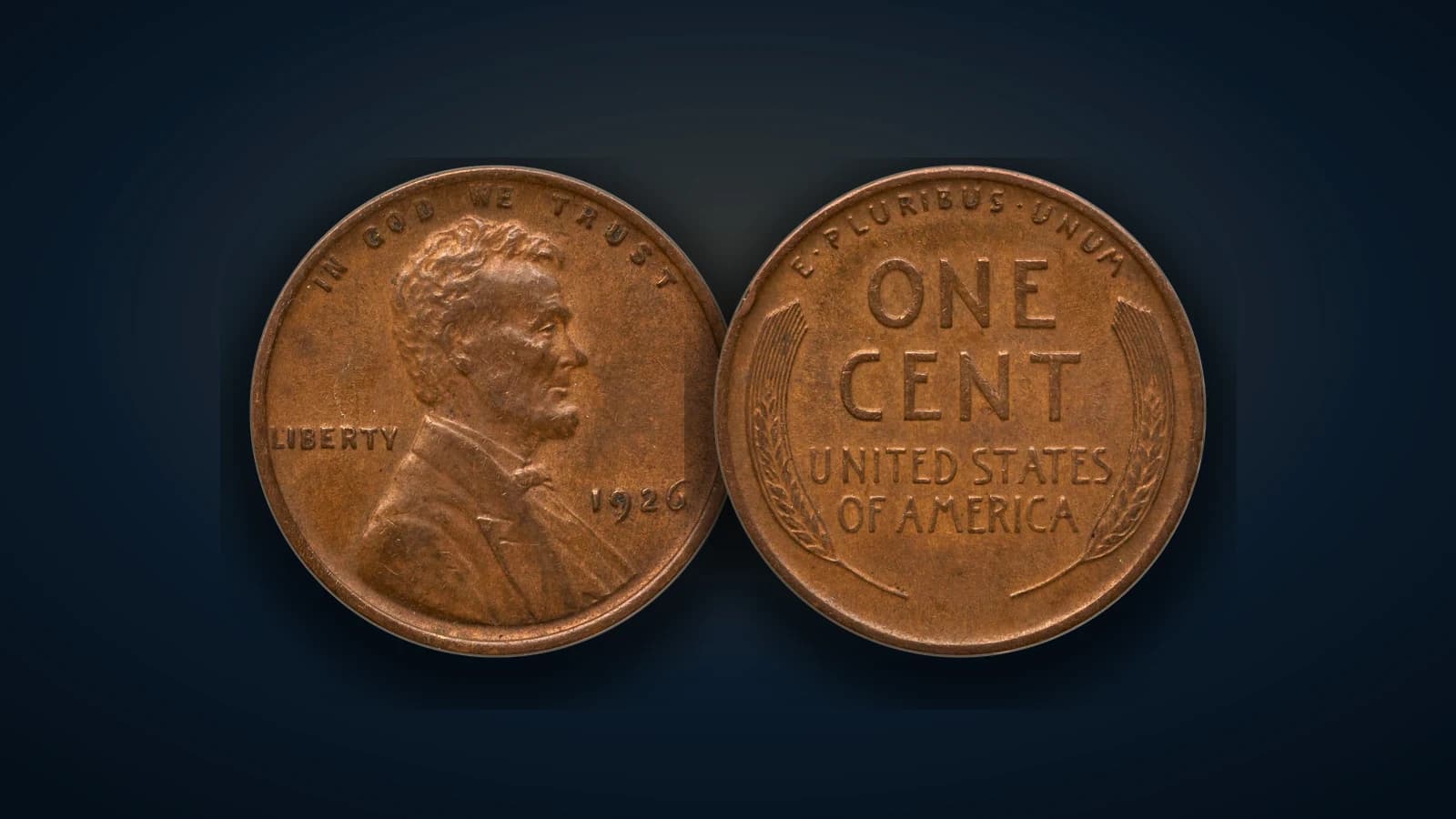
Wheat Penny Value: Key Dates Worth Money
Most are worth a few cents — but a handful of key dates are worth hundreds. How to tell them apart.
By Richard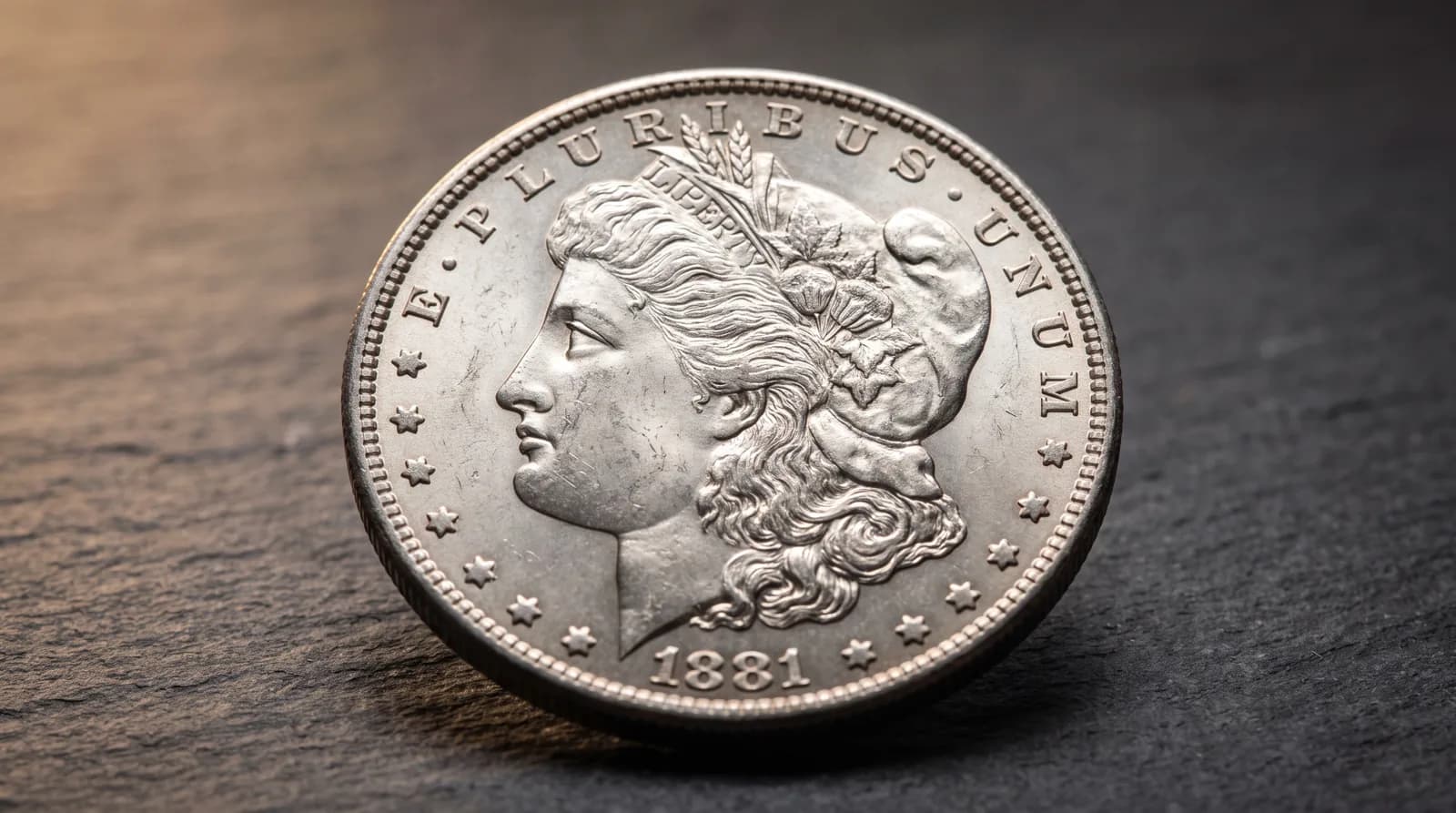
Morgan Silver Dollar Value: What Yours Is Worth
The silver floor, the key dates, and how mint mark and grade decide what yours is worth.
By Richard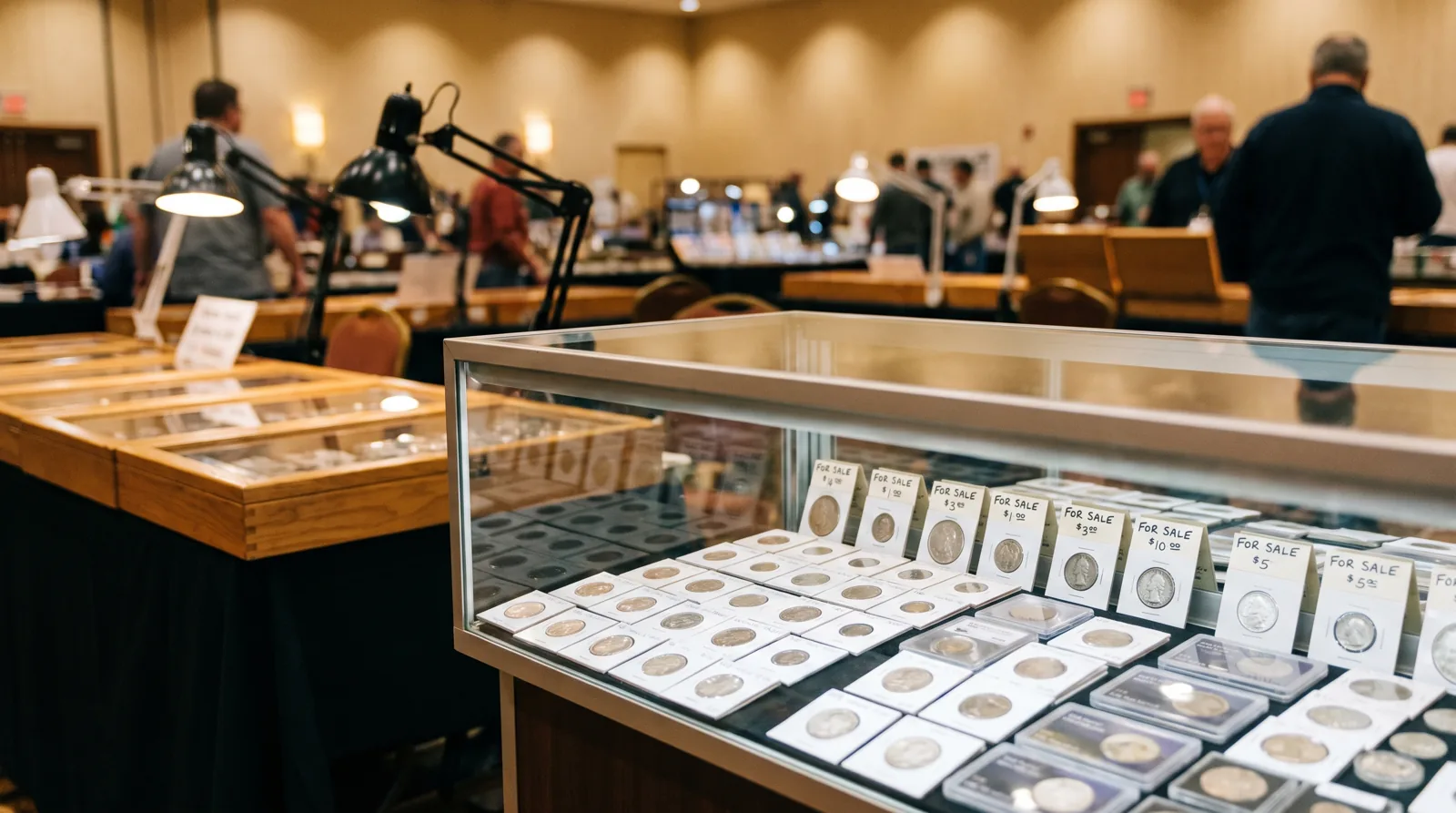
Coin Shows: The Complete Guide to Buying, Selling, and Grading
How the bourse floor works, what to bring, and how to buy, sell, and grade coins at a show.
By Richard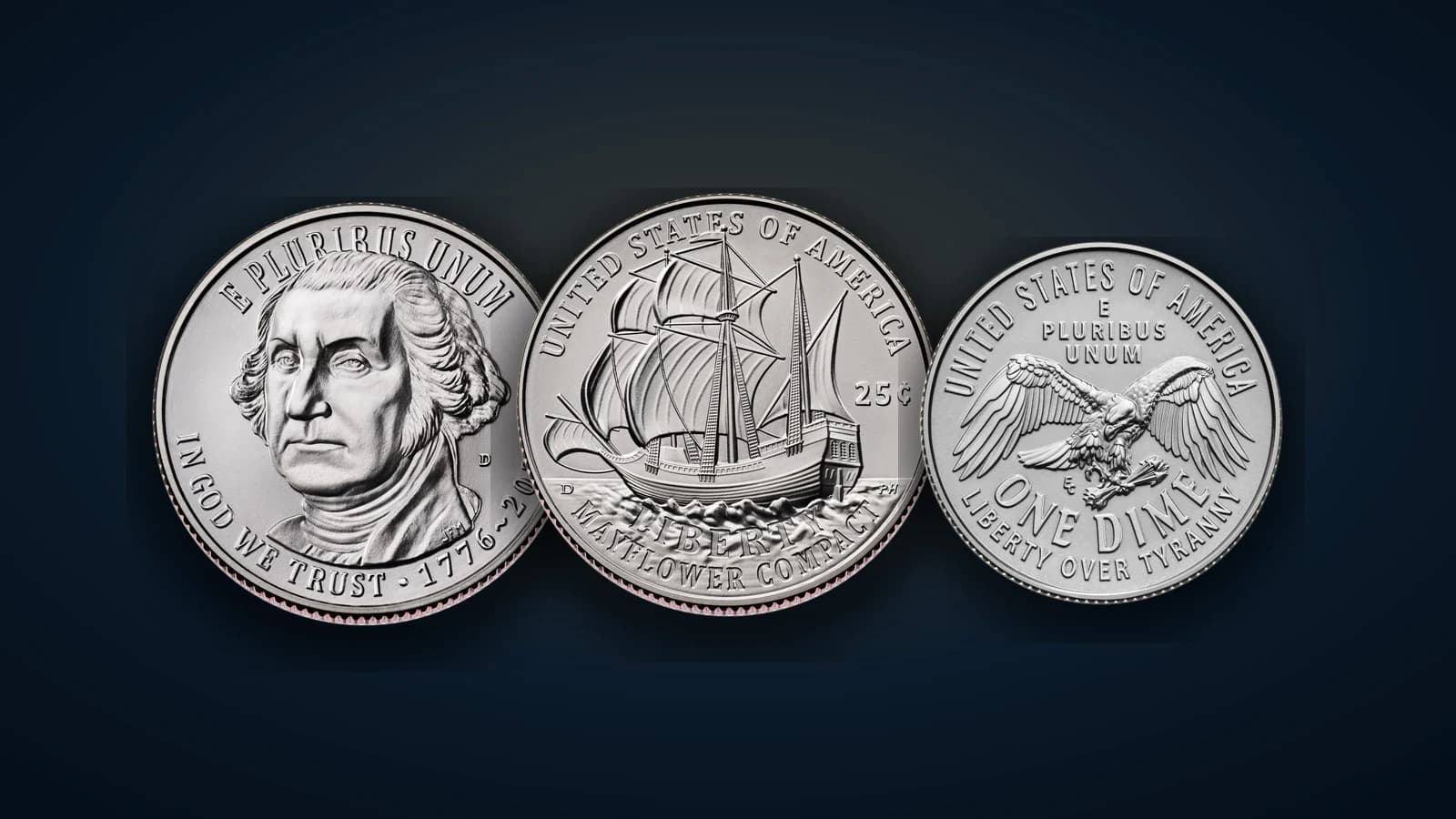
2026 America 250 Coins: The Semiquincentennial Coin Guide
The new 1776–2026 designs, the Liberty Bell '250' privy mark, and whether to save them.
By Richard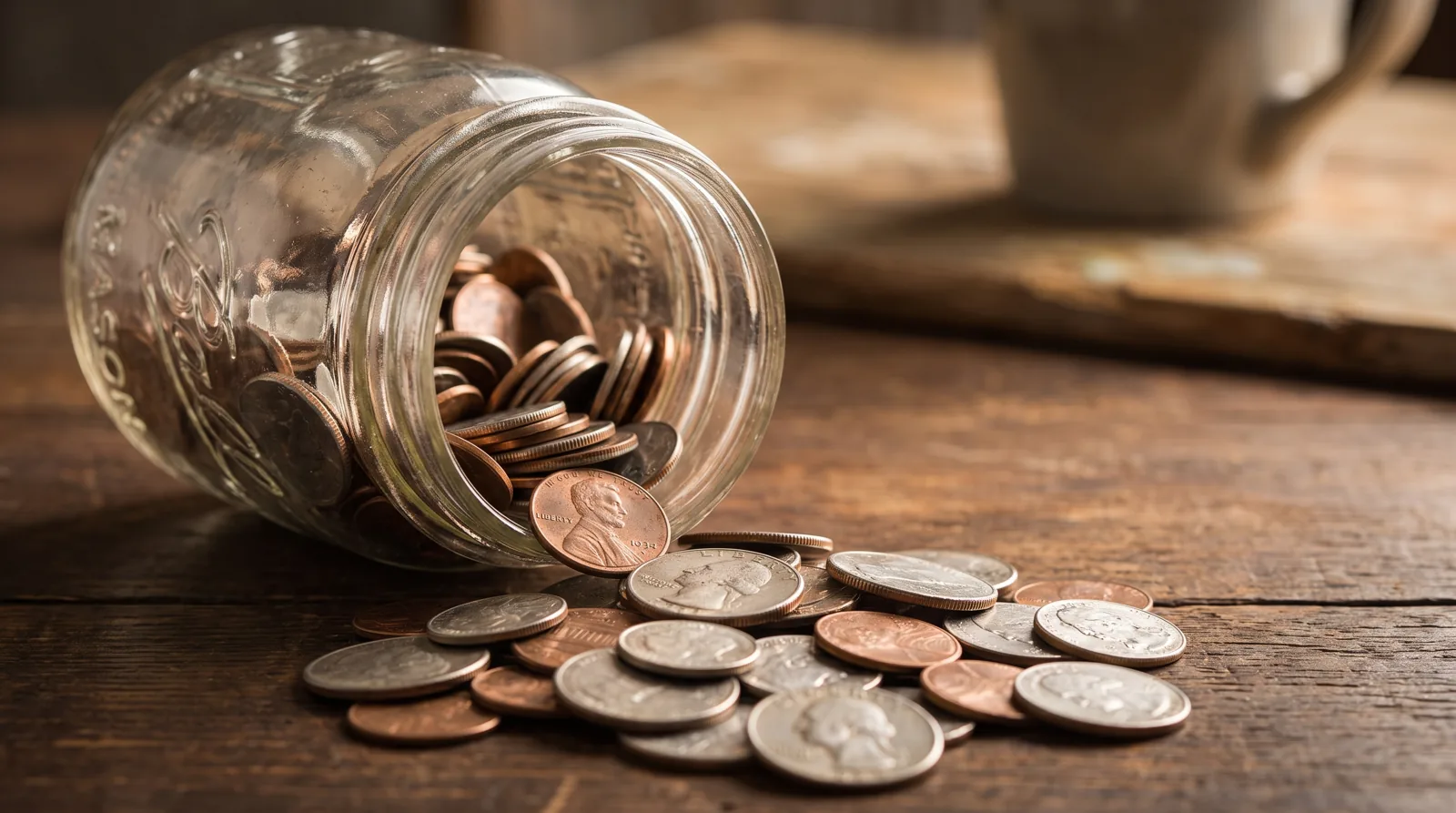
Are My Old Coins Worth Anything? Why Most Are Worth Face Value
The honest answer — most are common. Here's how to spot the few that aren't.
By Richard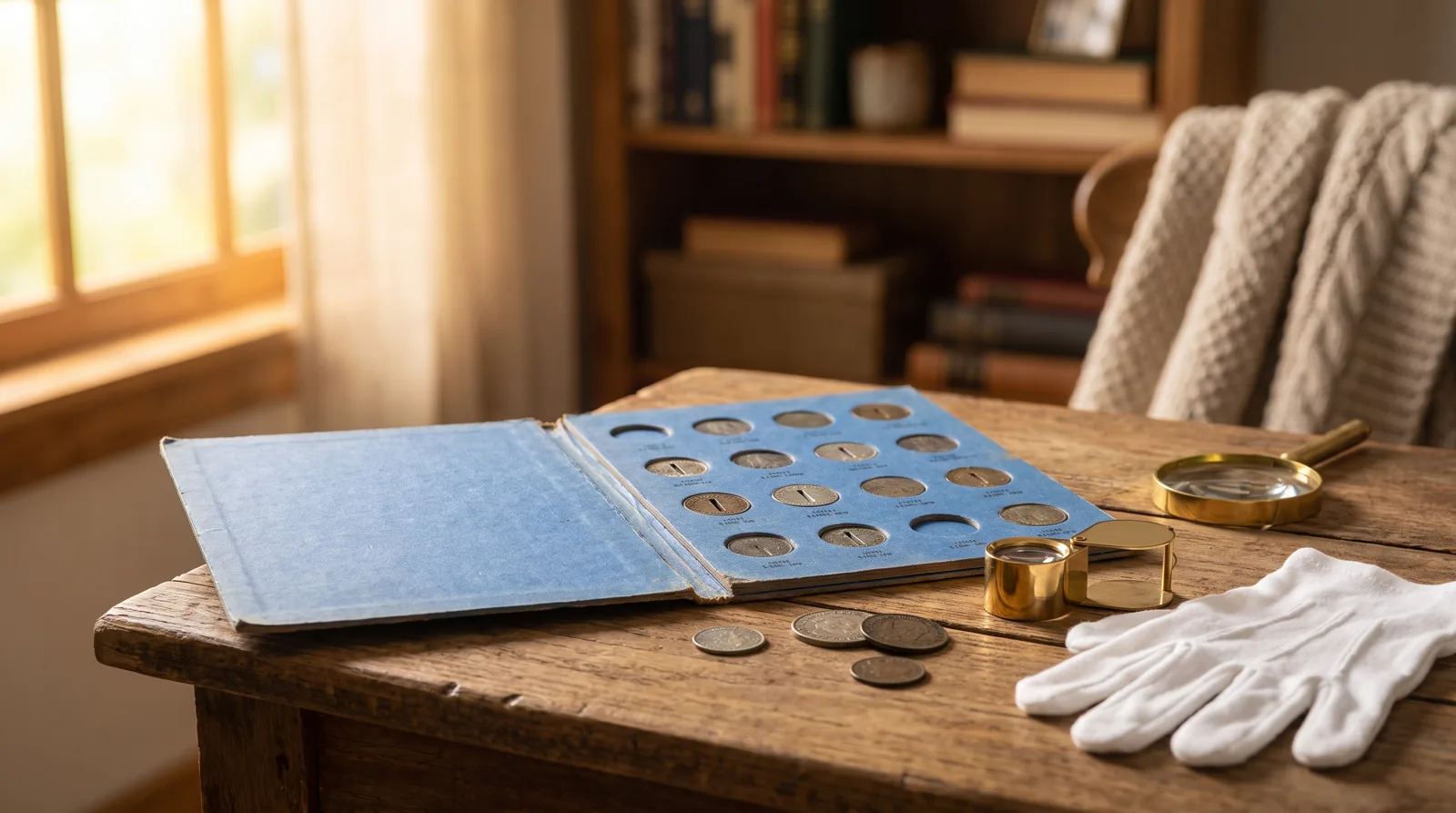
Coin Collecting for Beginners: How to Start
Choose a focus, handle coins right, learn the basics, and buy from people you trust.
By Richard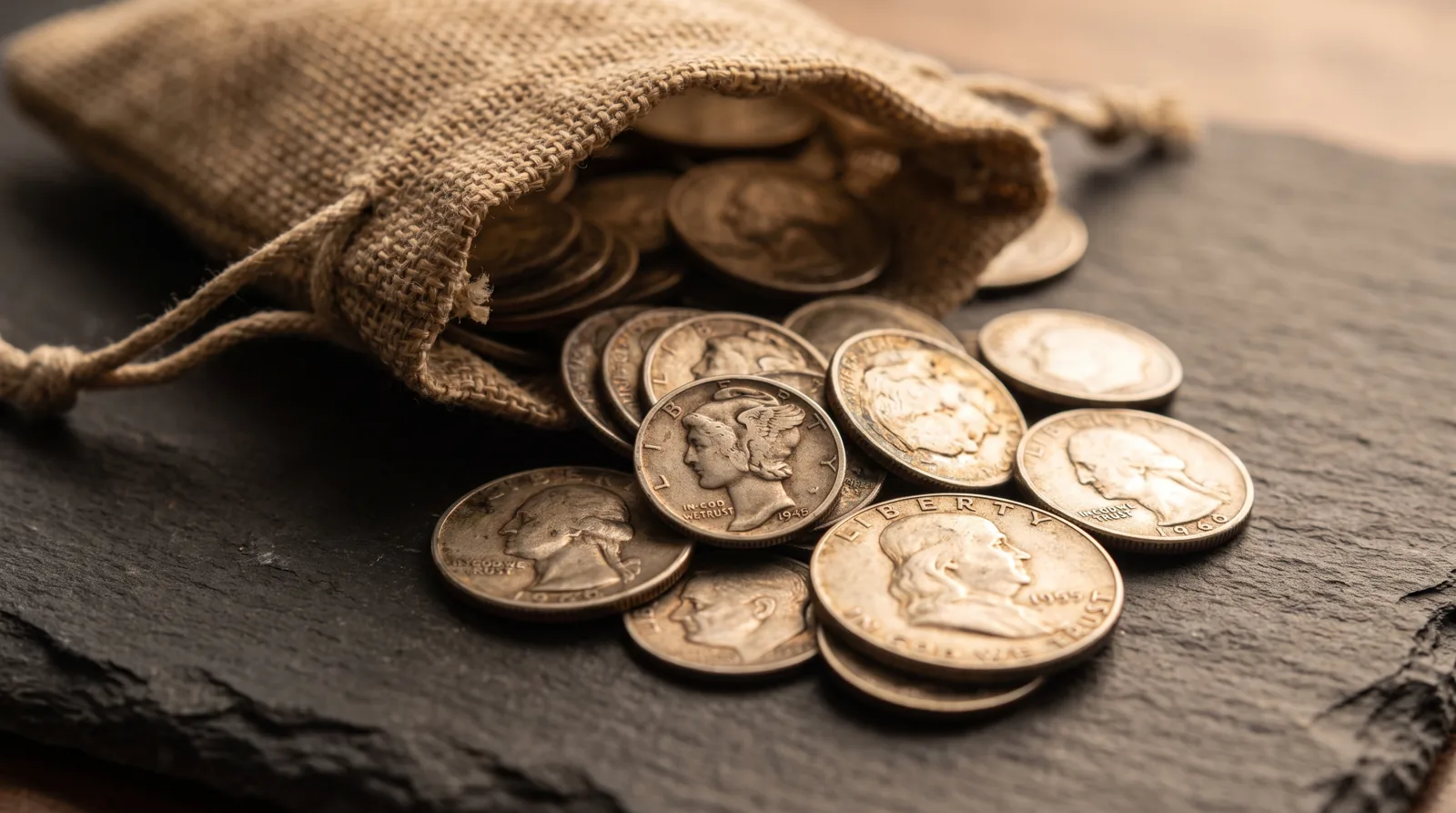
Junk Silver: How to Buy and Sell Pre-1965 90% Silver Coins
What counts as junk silver, how much silver it holds, and how to buy and sell it well.
By Richard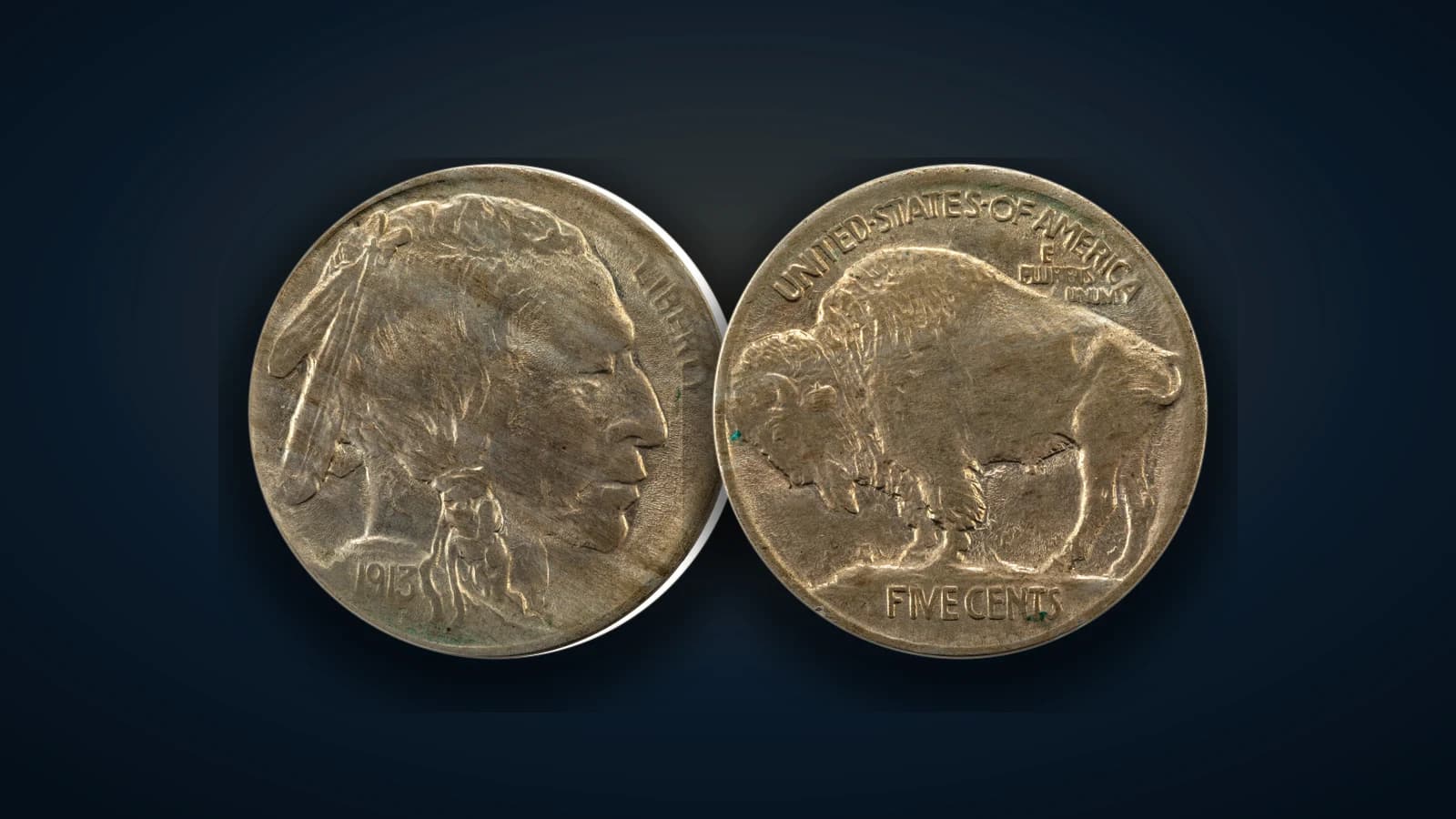
Buffalo Nickel Value: Key Dates and What Yours Is Worth
Most are worth a little; a few key dates are worth thousands. How to tell which you have.
By Richard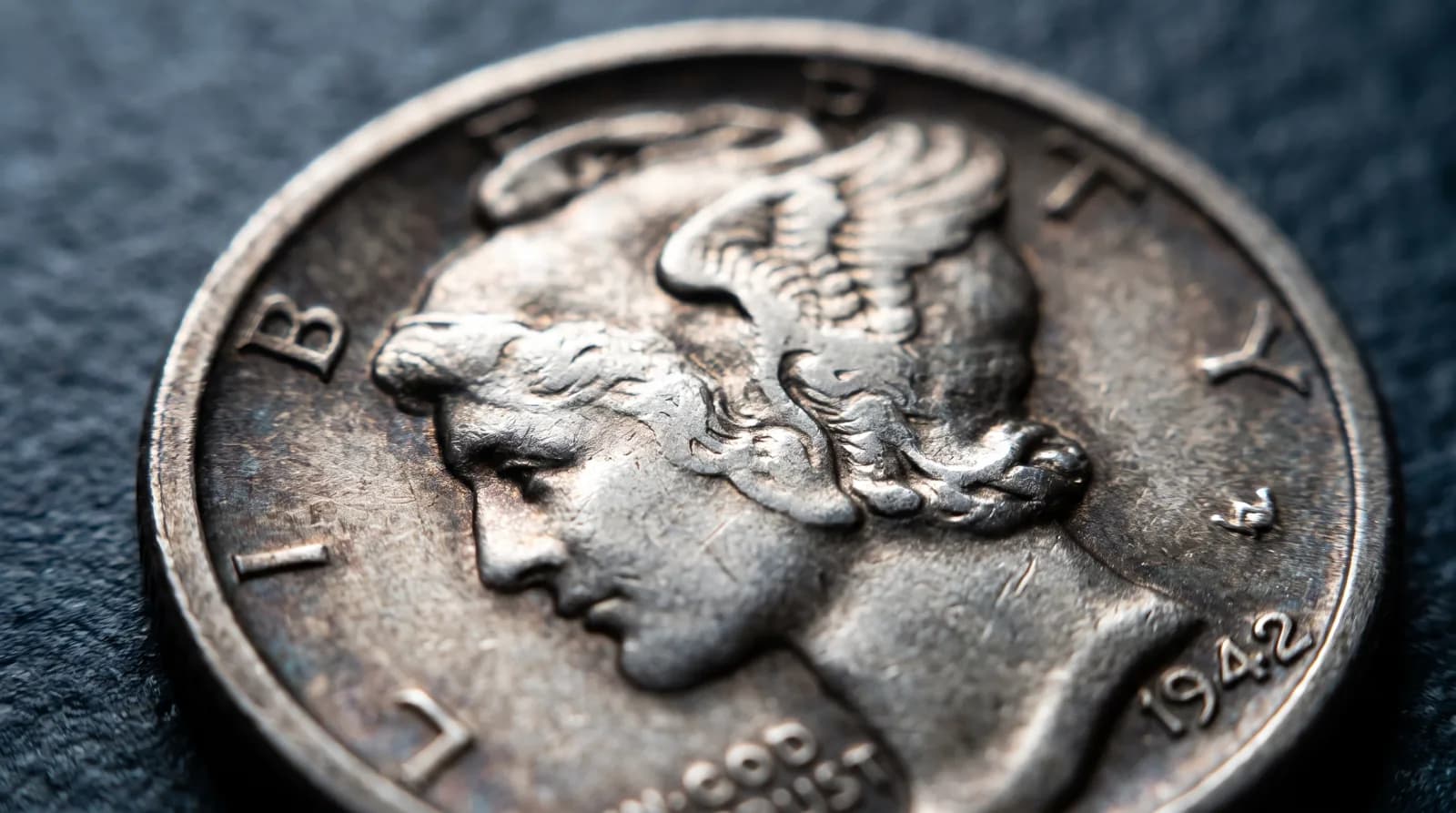
Mercury Dime Value: Key Dates and Full Bands Explained
The 1916-D key date, the Full Bands premium, and the silver floor under every coin.
By Richard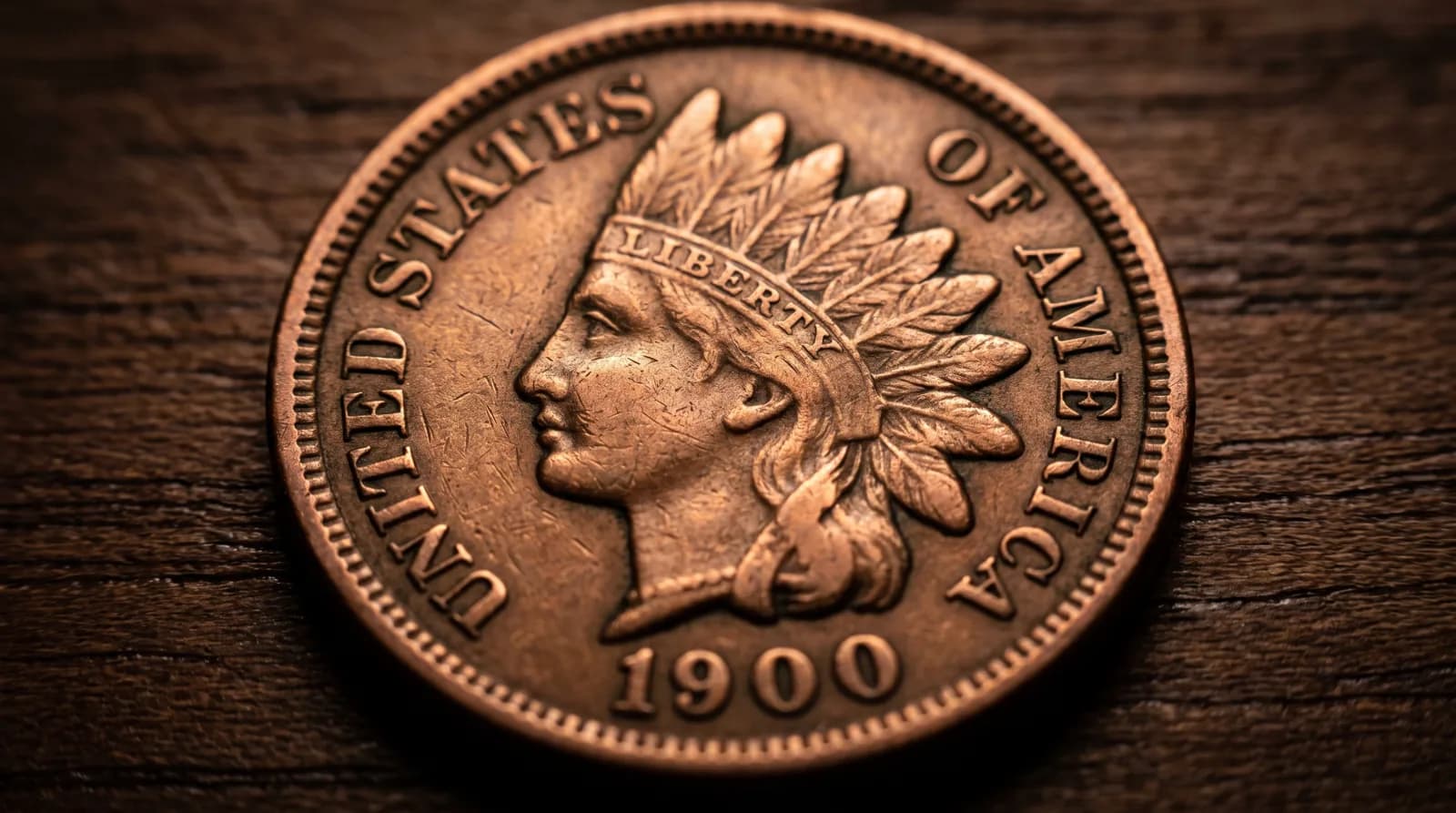
Indian Head Penny Value: Key Dates and What Yours Is Worth
The 1877 key date, the scarce 1909-S, and how to tell a common cent from a rarity.
By Richard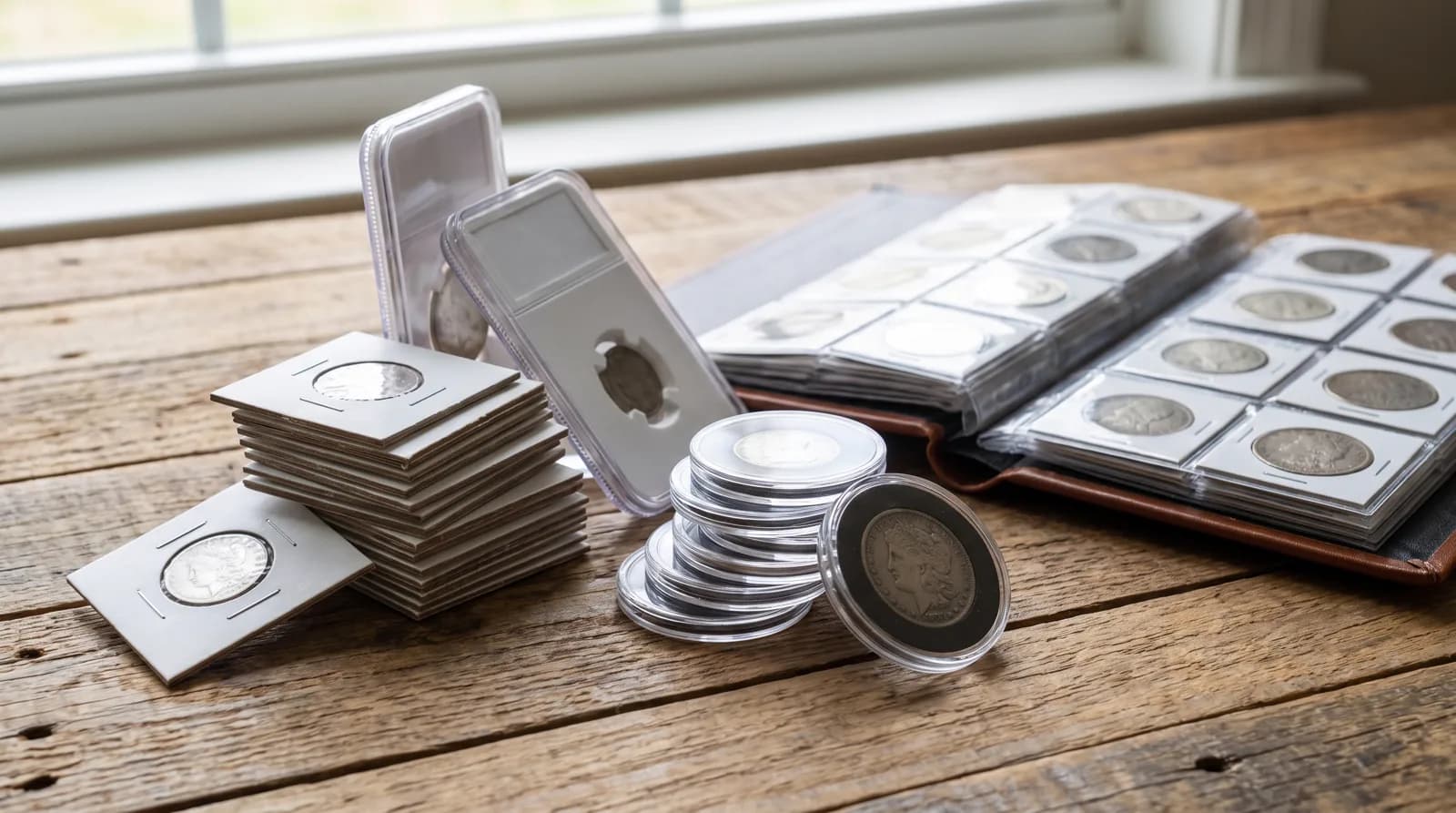
How to Store and Protect Your Coins
The right holders, what to avoid, and how to handle coins so they keep their value.
By Richard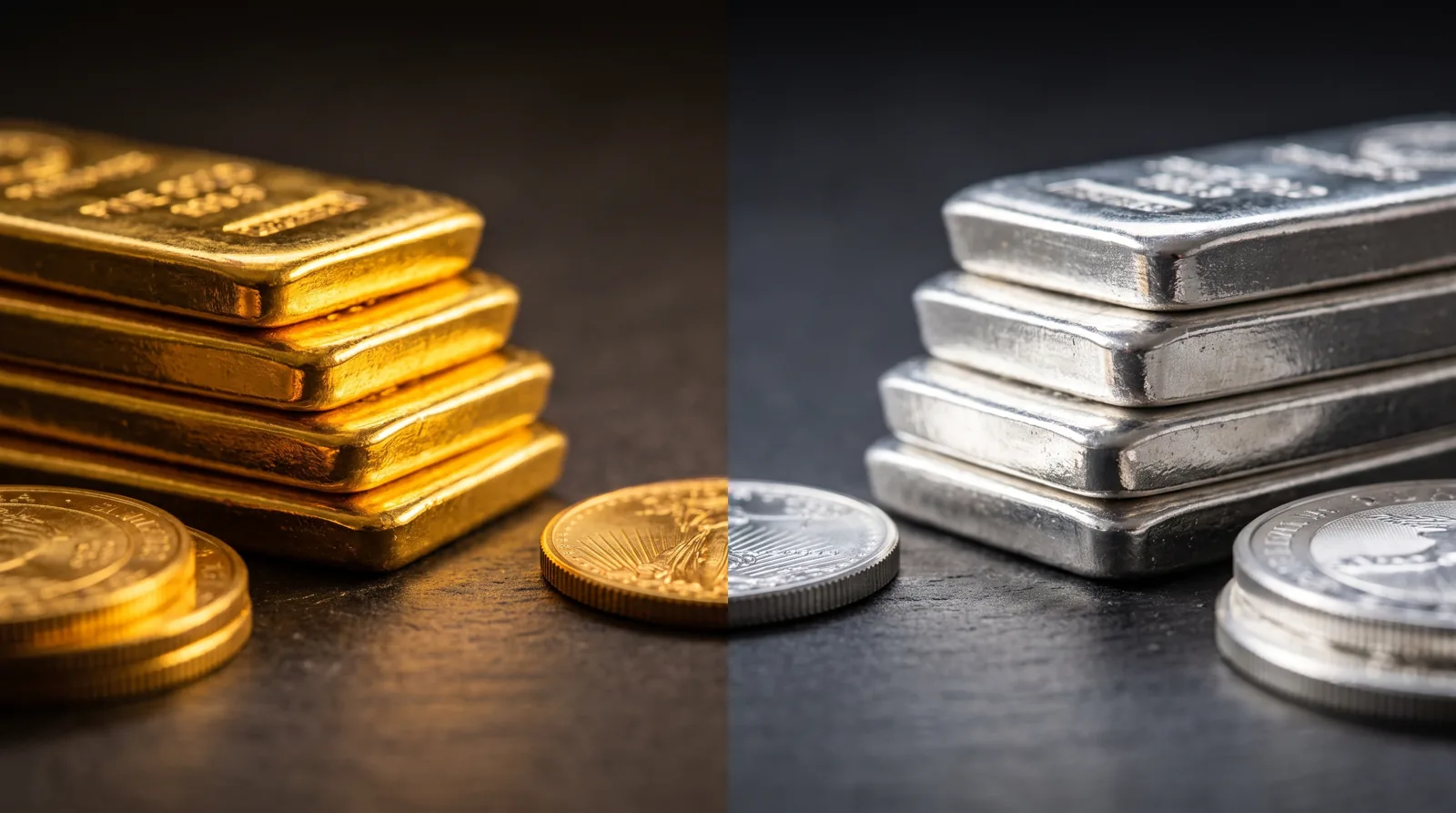
Gold vs. Silver: Which Should You Buy?
How gold and silver differ on price, volatility, and storage — and how to choose.
By Richard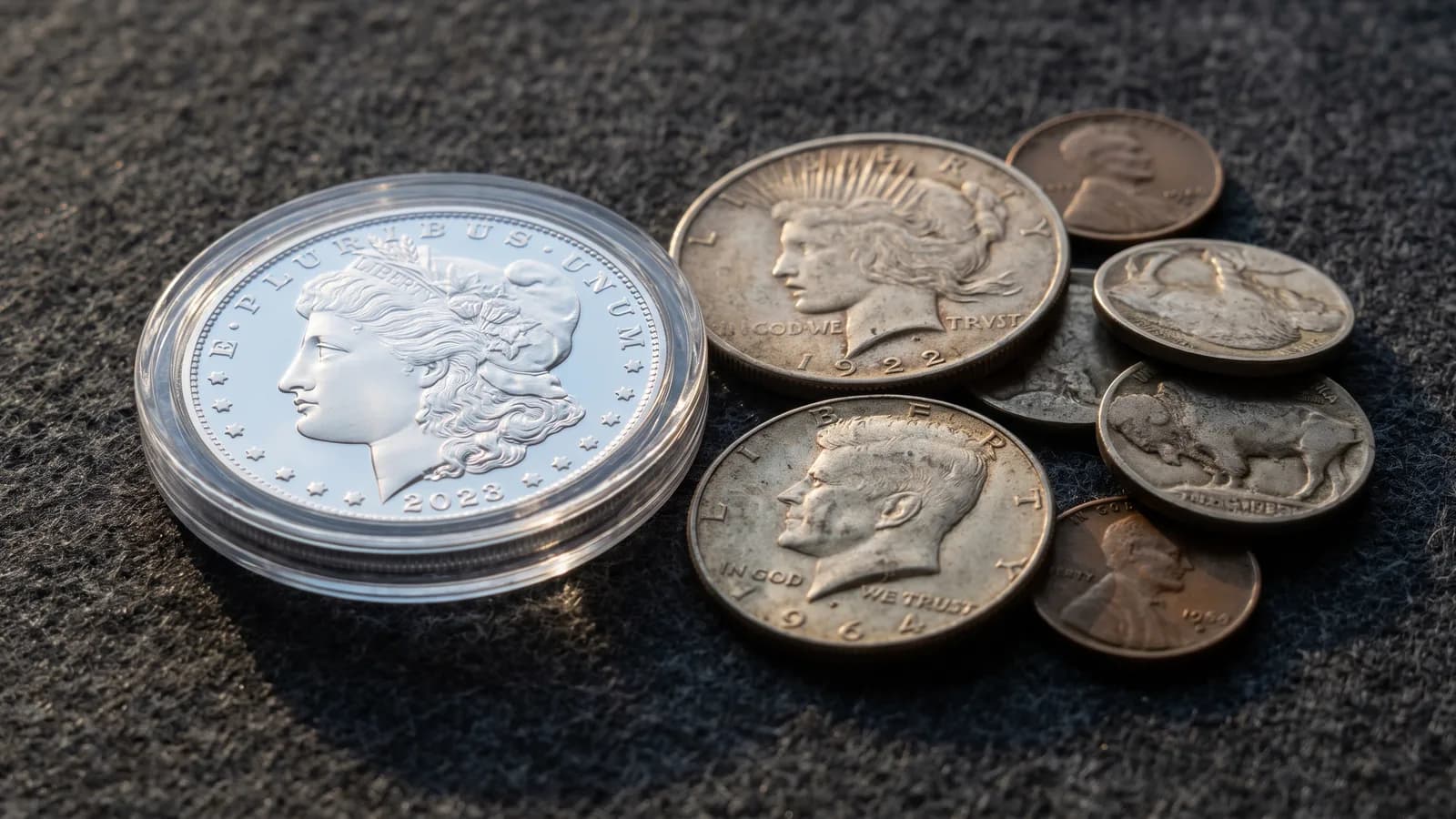
Buy the Best You Can Afford: Coin Collecting's Golden Rule
Why a few high-quality coins almost always beat a drawer full of mediocre ones — and when to break the rule.
By Richard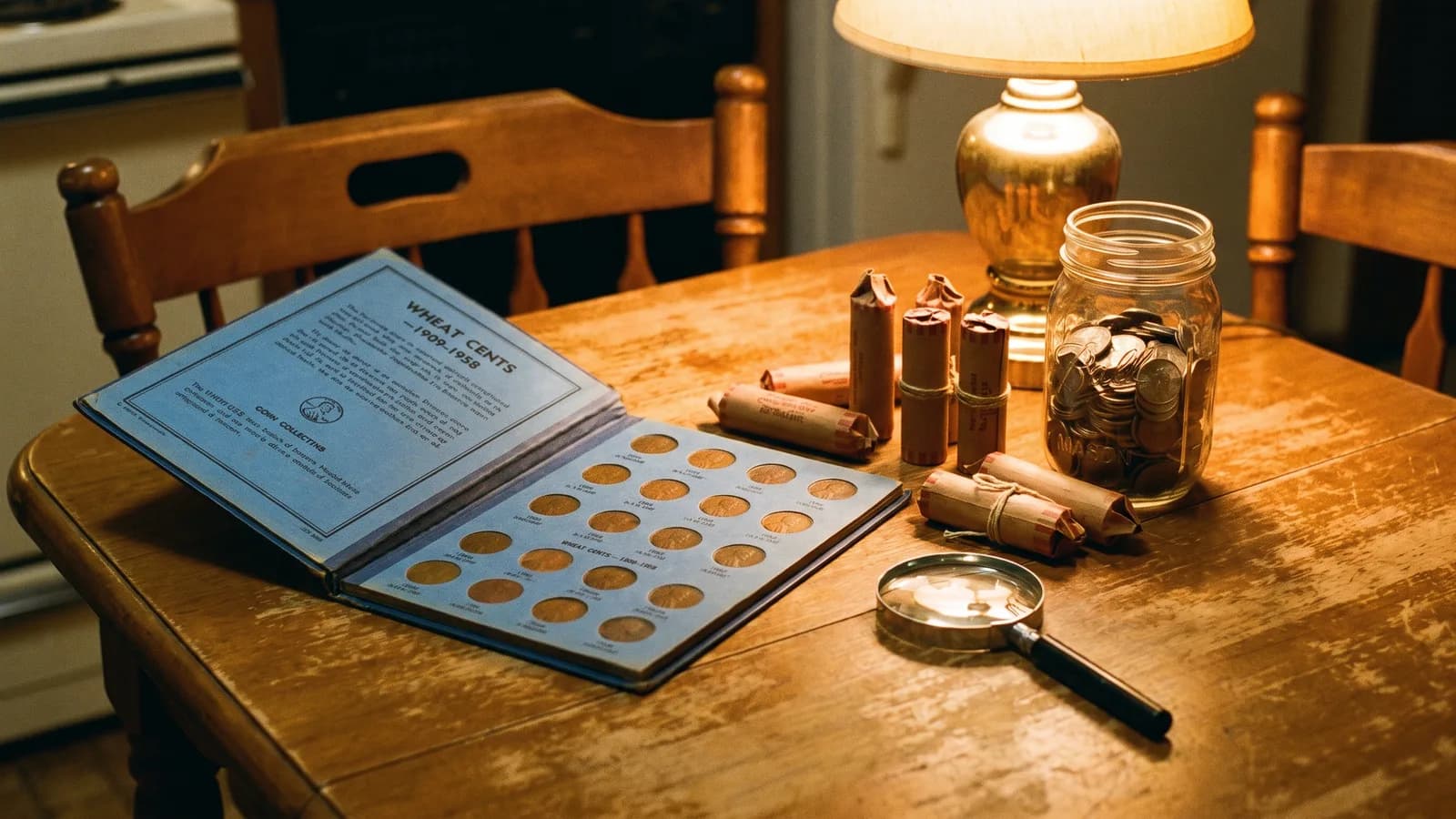
How to Build a Coin Collection on a Budget
Focus, pocket change, and a few smart habits go further than a big budget. Here's how to start cheap.
By Richard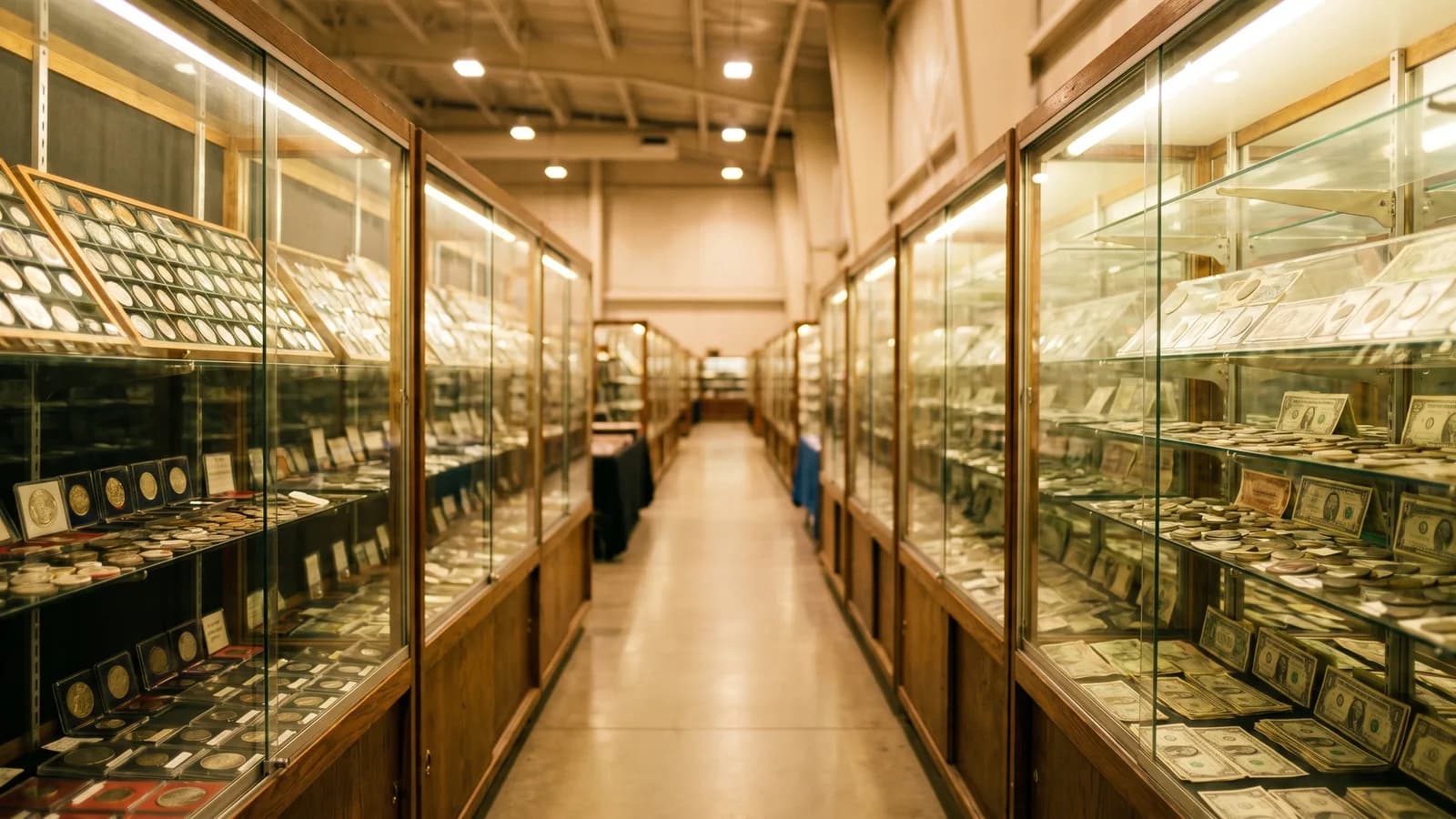
Coin Show Calendar: The Major U.S. Coin Shows
The big national shows, when they run, and how to find one near you. Always confirm dates with the organizer.
By Richard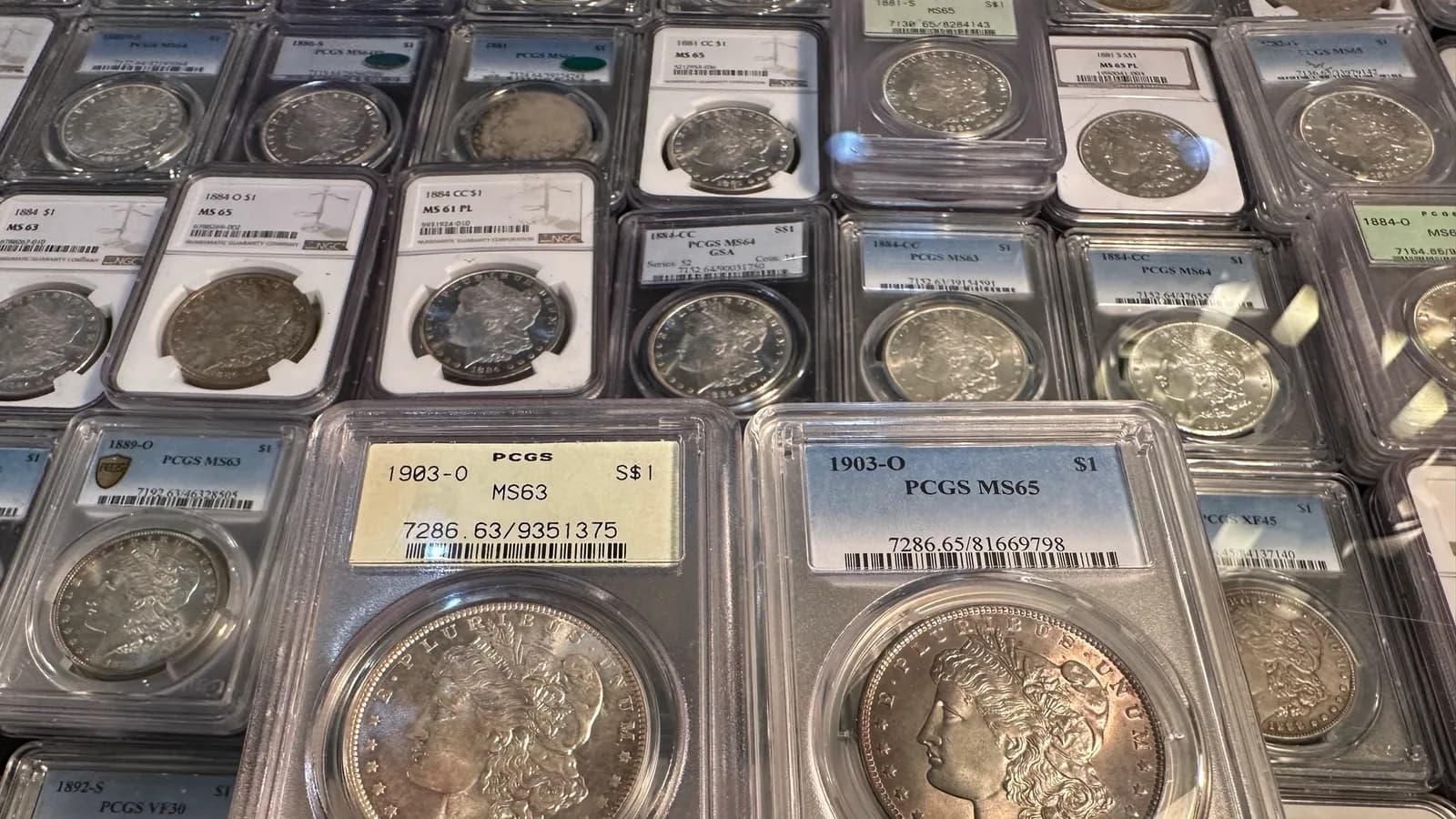
Coin Grading Companies: Which to Trust and Which to Avoid
PCGS and NGC lead the market; ANACS and ICG are legitimate; unrecognized 'self-slabbers' are a red flag. Here's how to tell them apart.
By Richard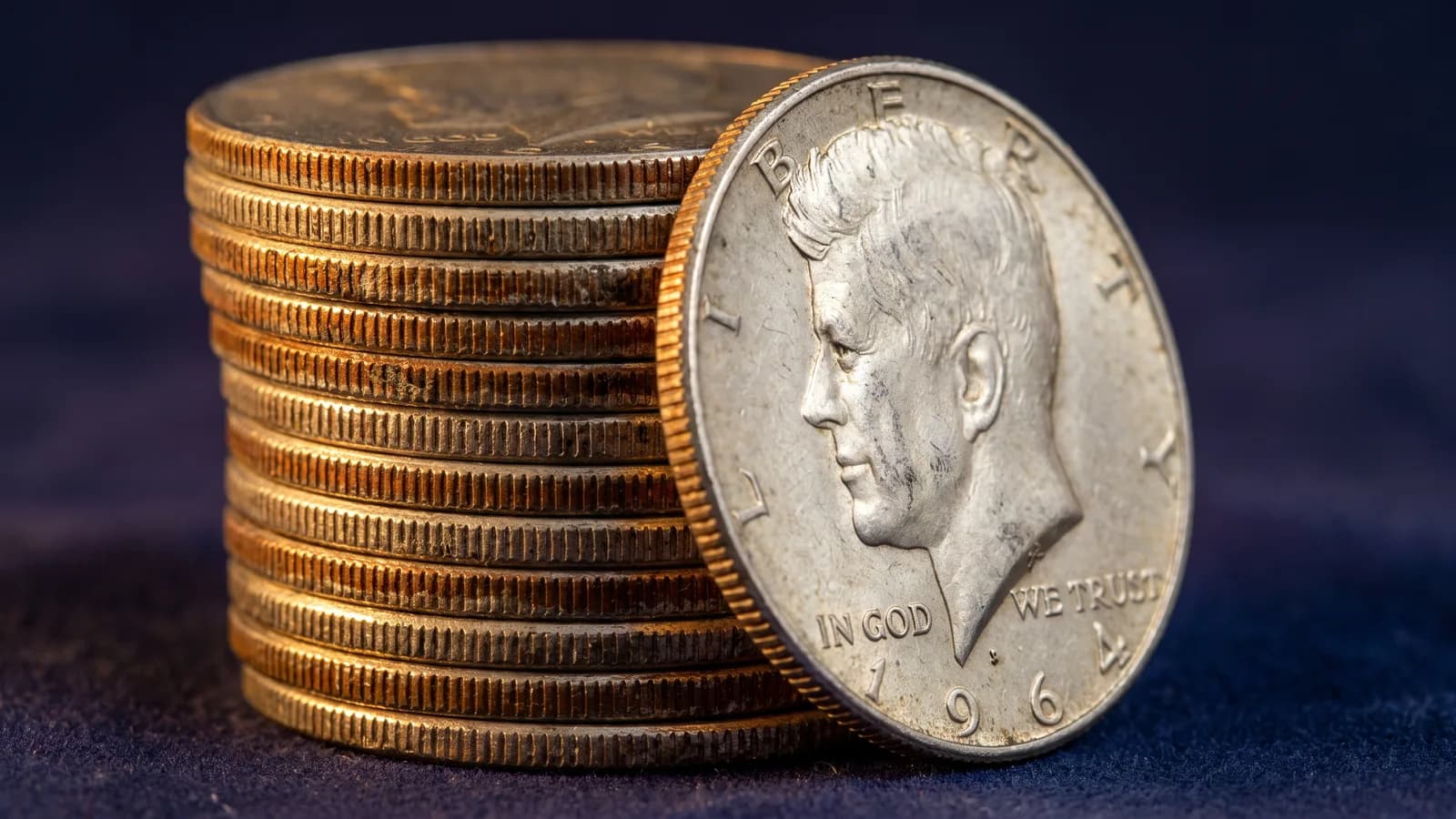
Kennedy Half Dollar Value: 1964 to Today
1964 is 90% silver, 1965–1970 are 40% silver, and most later ones are clad. Here's how to tell and what they're worth.
By Richard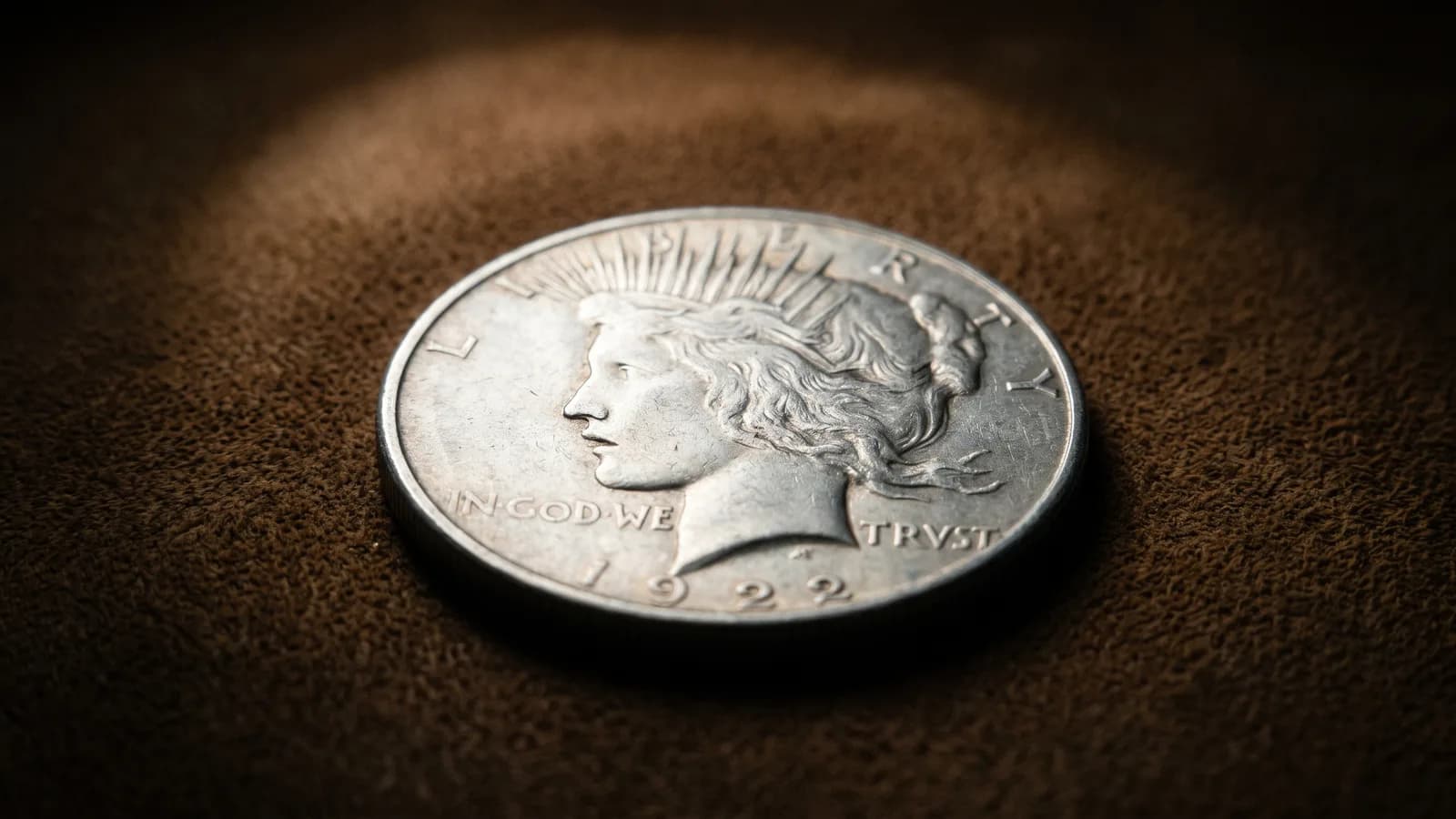
Peace Dollar Value: What Yours Is Worth
Every Peace dollar holds about 0.7734 oz of silver as a floor. Key dates and grade decide the rest.
By Richard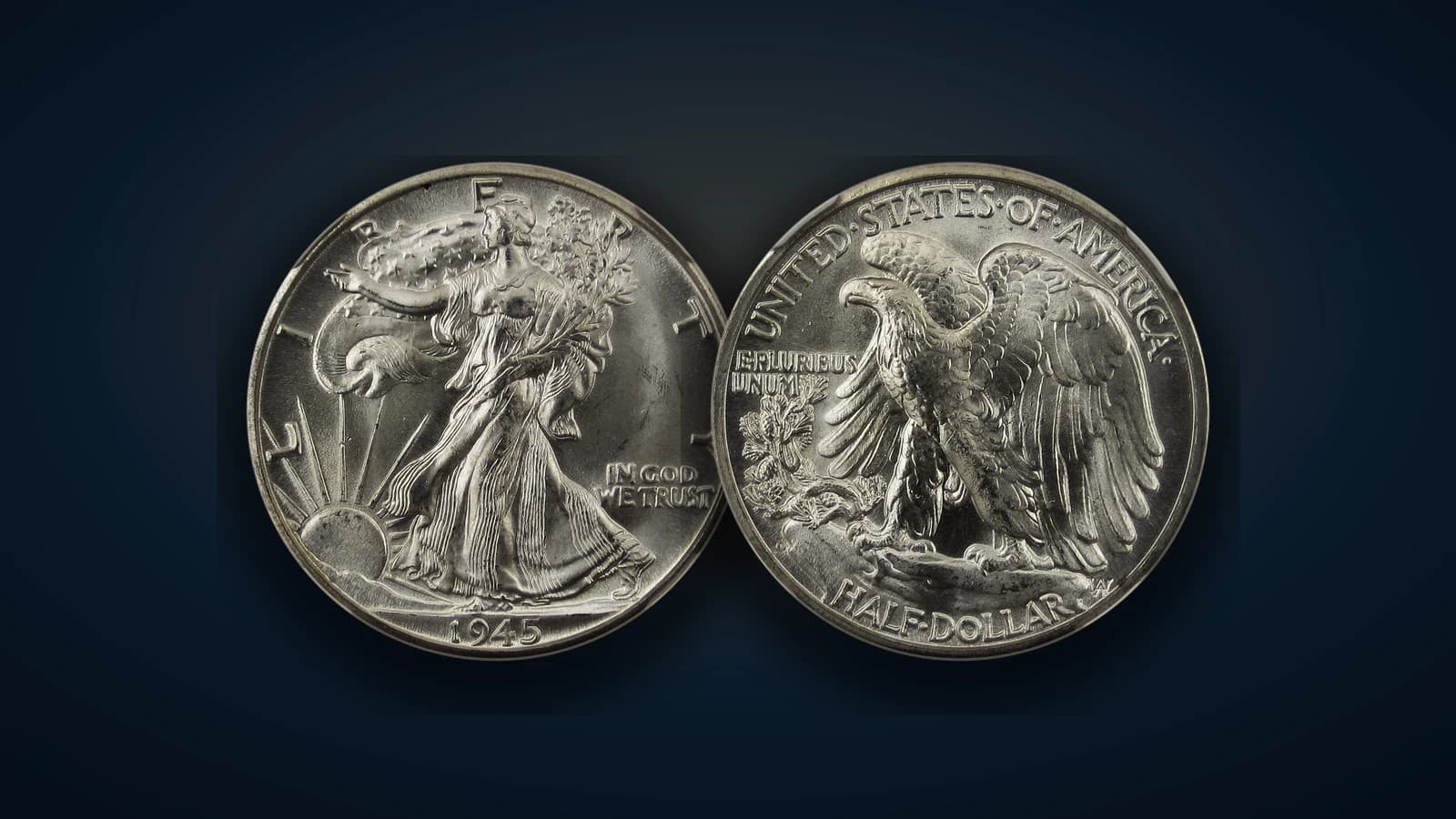
Walking Liberty Half Dollar Value: Key Dates and Worth
About 0.3617 oz of silver as a floor, scarce early dates, and a popular late-date short set. Here's what yours is worth.
By Richard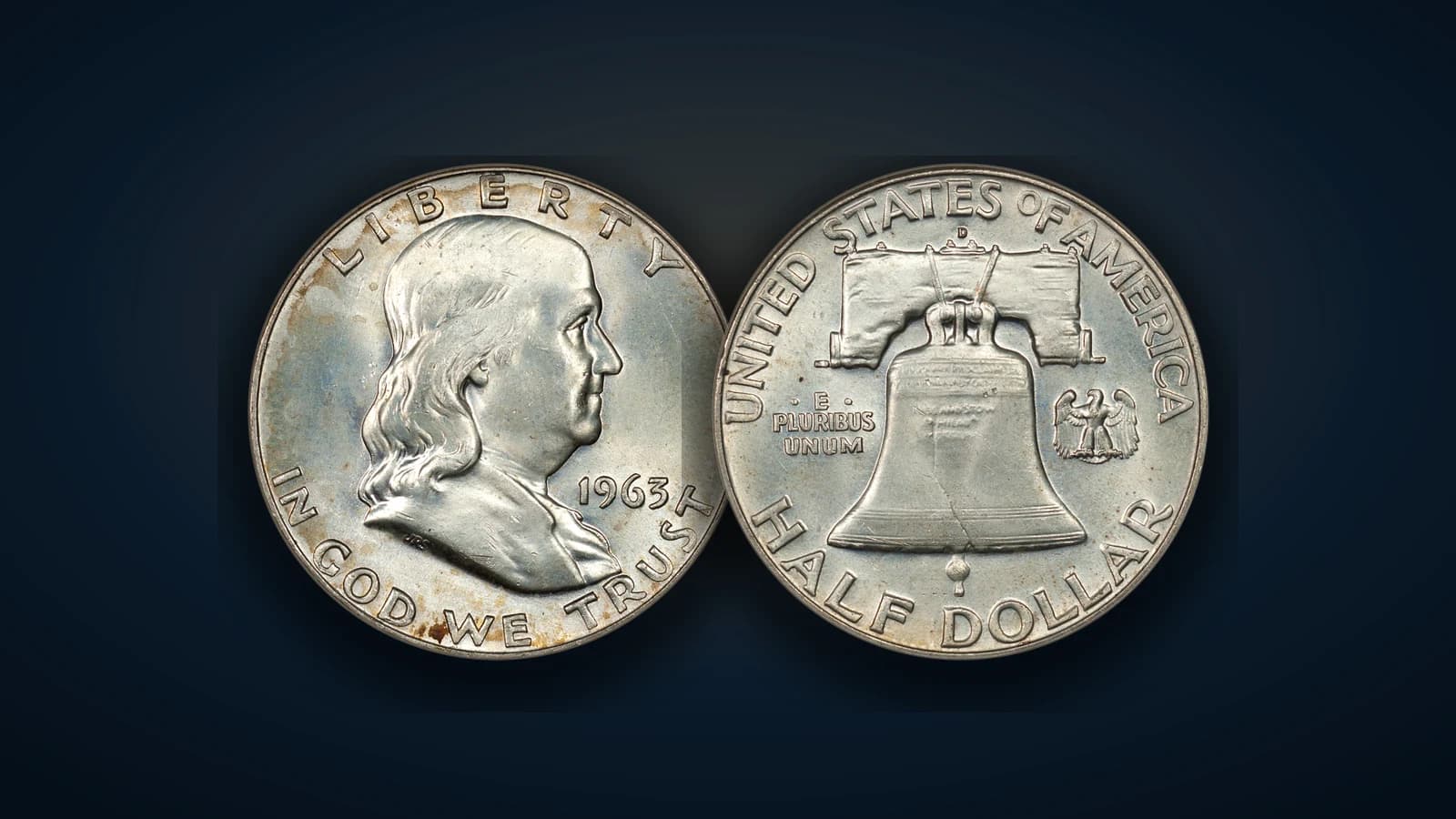
Franklin Half Dollar Value: Key Dates and Full Bell Lines
Every Franklin holds about 0.3617 oz of silver. The 1949-S and Full Bell Lines coins bring the premiums.
By Richard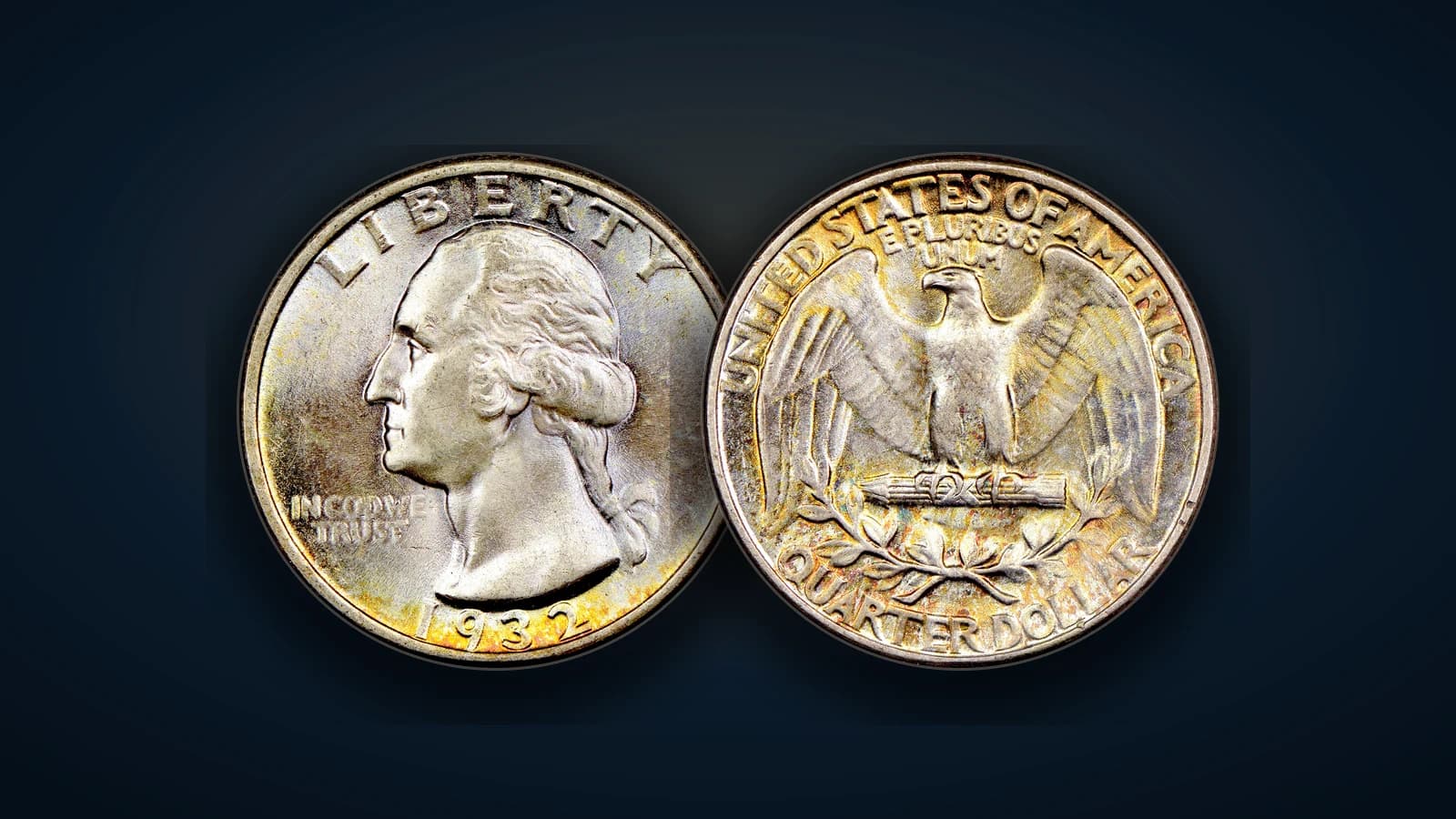
Washington Quarter Value: Silver Years and Key Dates
1932–1964 quarters are 90% silver; 1965 and later are clad. The 1932-D and 1932-S are the keys.
By Richard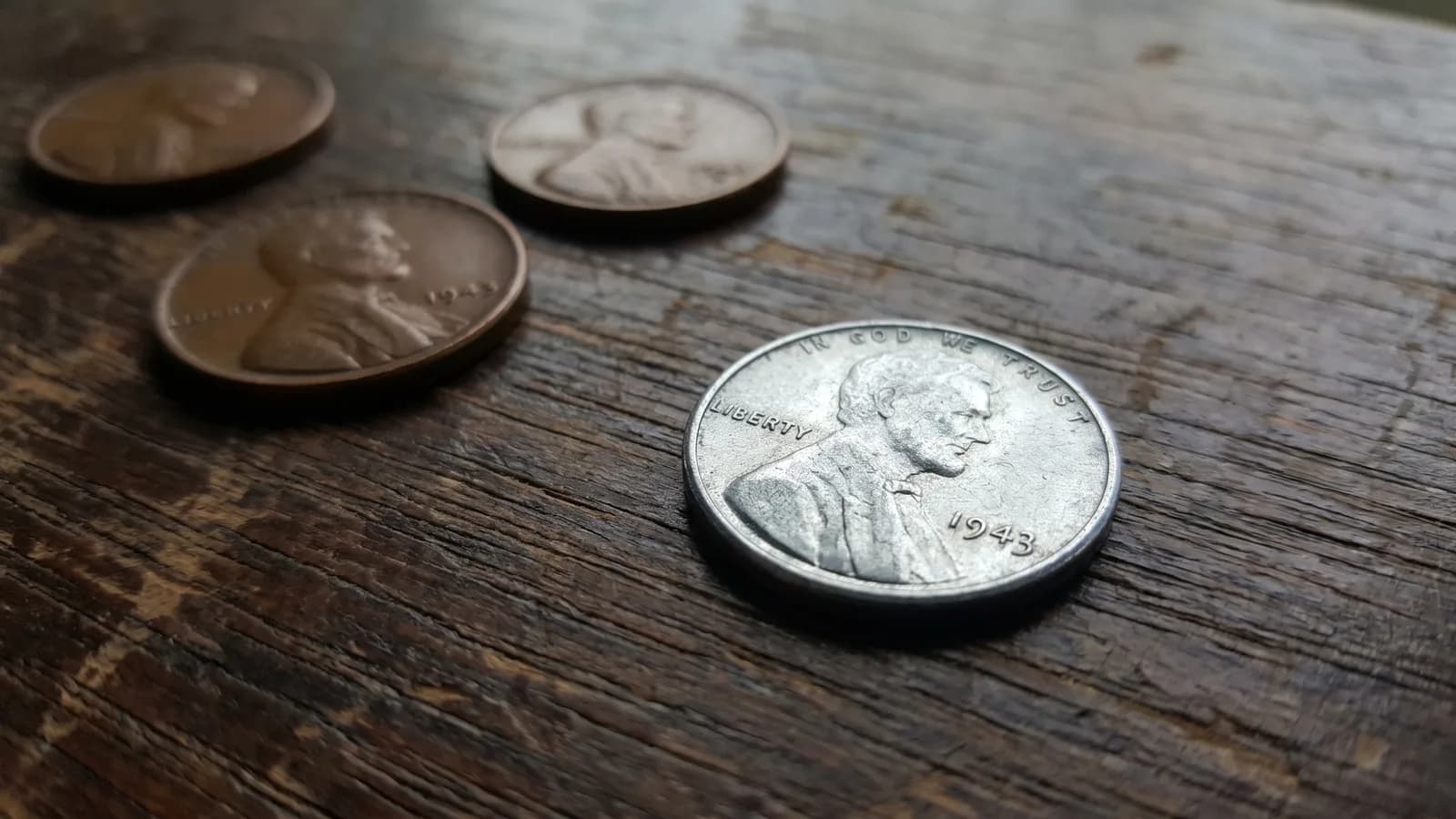
1943 Steel Penny Value: Common Cents and the Rare Copper Error
Most 1943 steel cents are worth only cents. The rare 1943 copper error is the six-figure coin — here's how to tell.
By Richard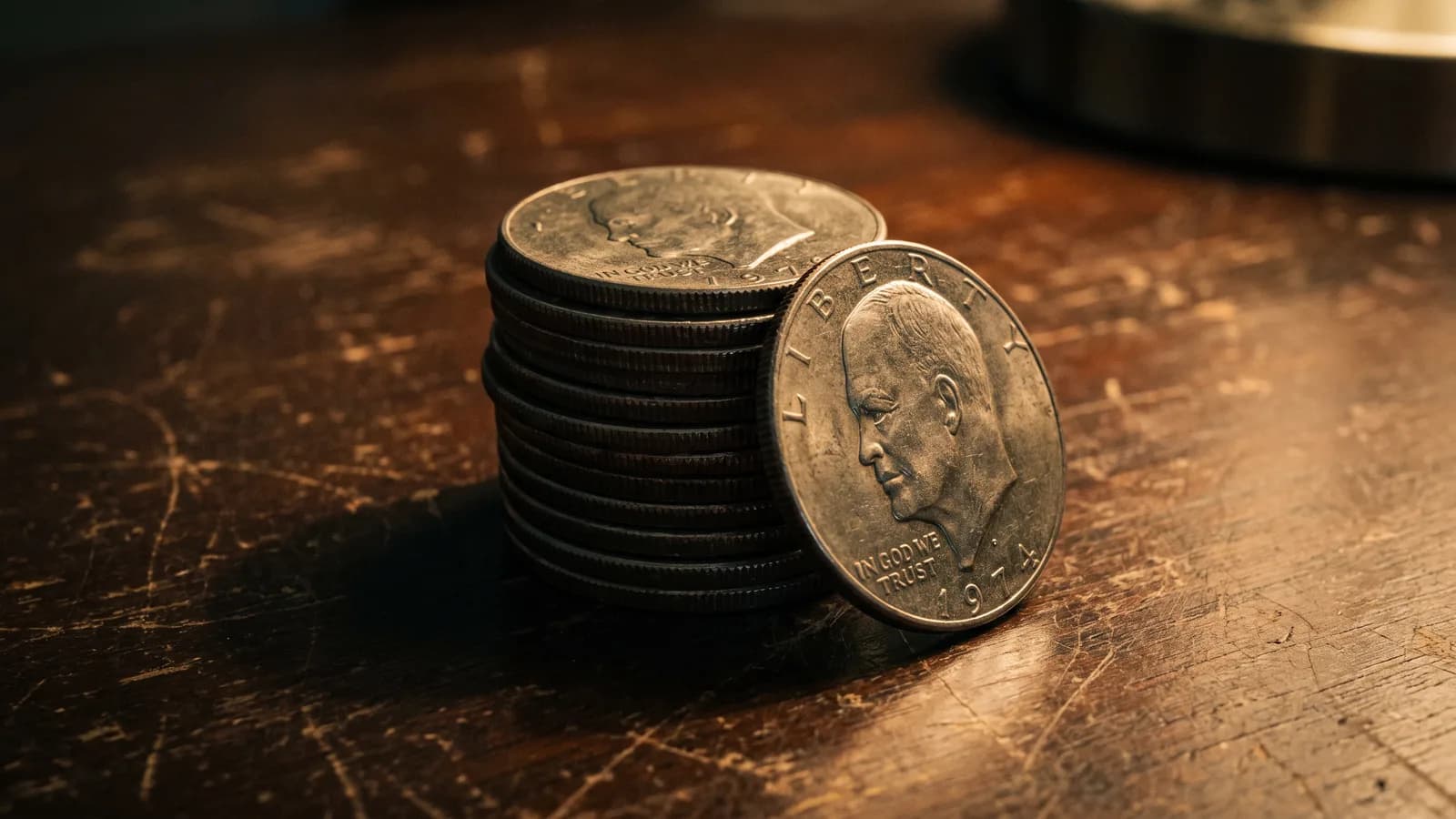
Eisenhower Dollar Value: Clad, Silver, and Bicentennial Ikes
Most clad Ike dollars are worth a dollar or two. The 40% silver collector versions hold real metal value.
By Richard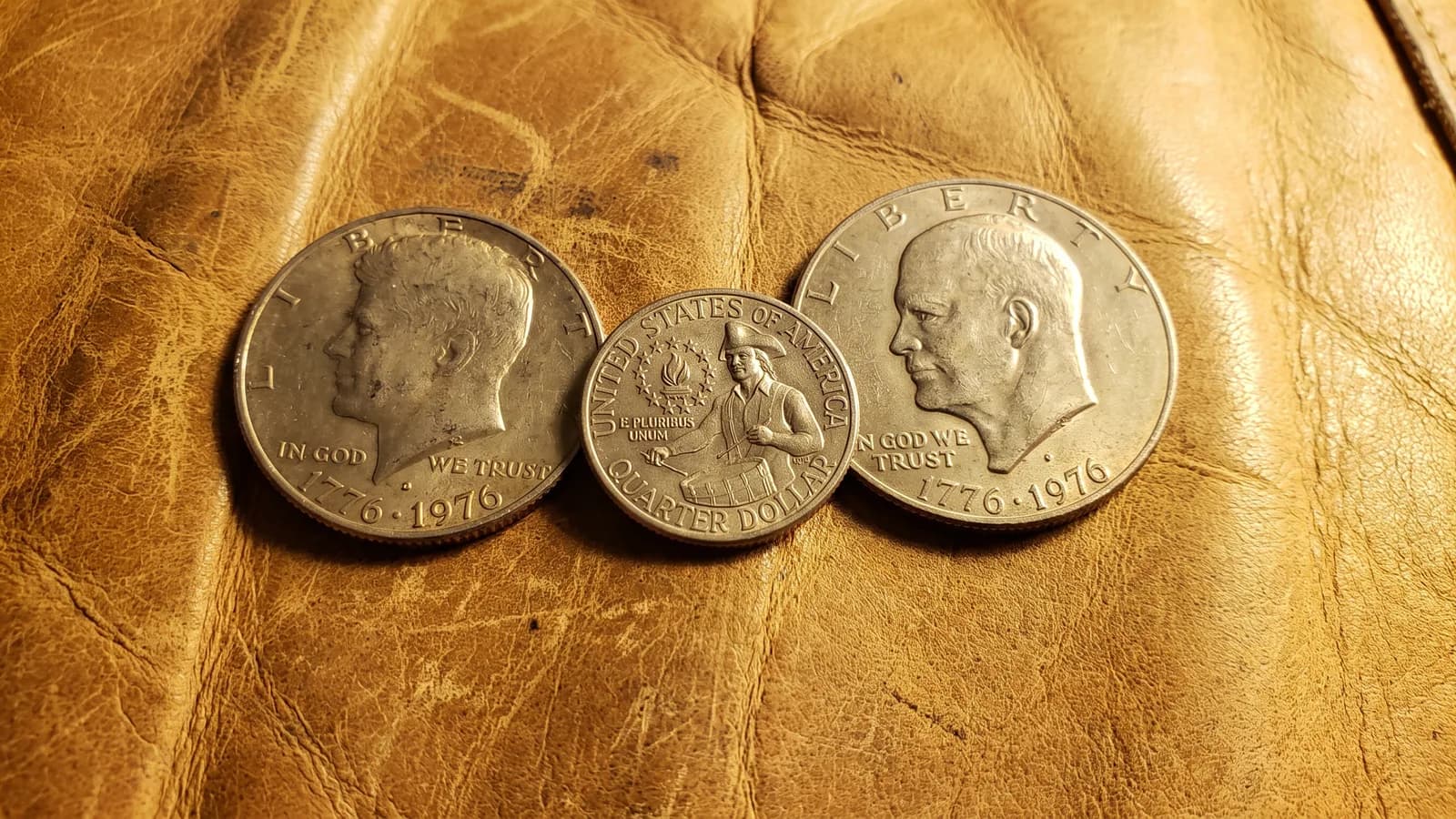
Bicentennial Coins Value: Are 1776–1976 Quarters Worth Money?
Most Bicentennial quarters are worth 25 cents. Here's the honest picture — and the few that are worth more.
By Richard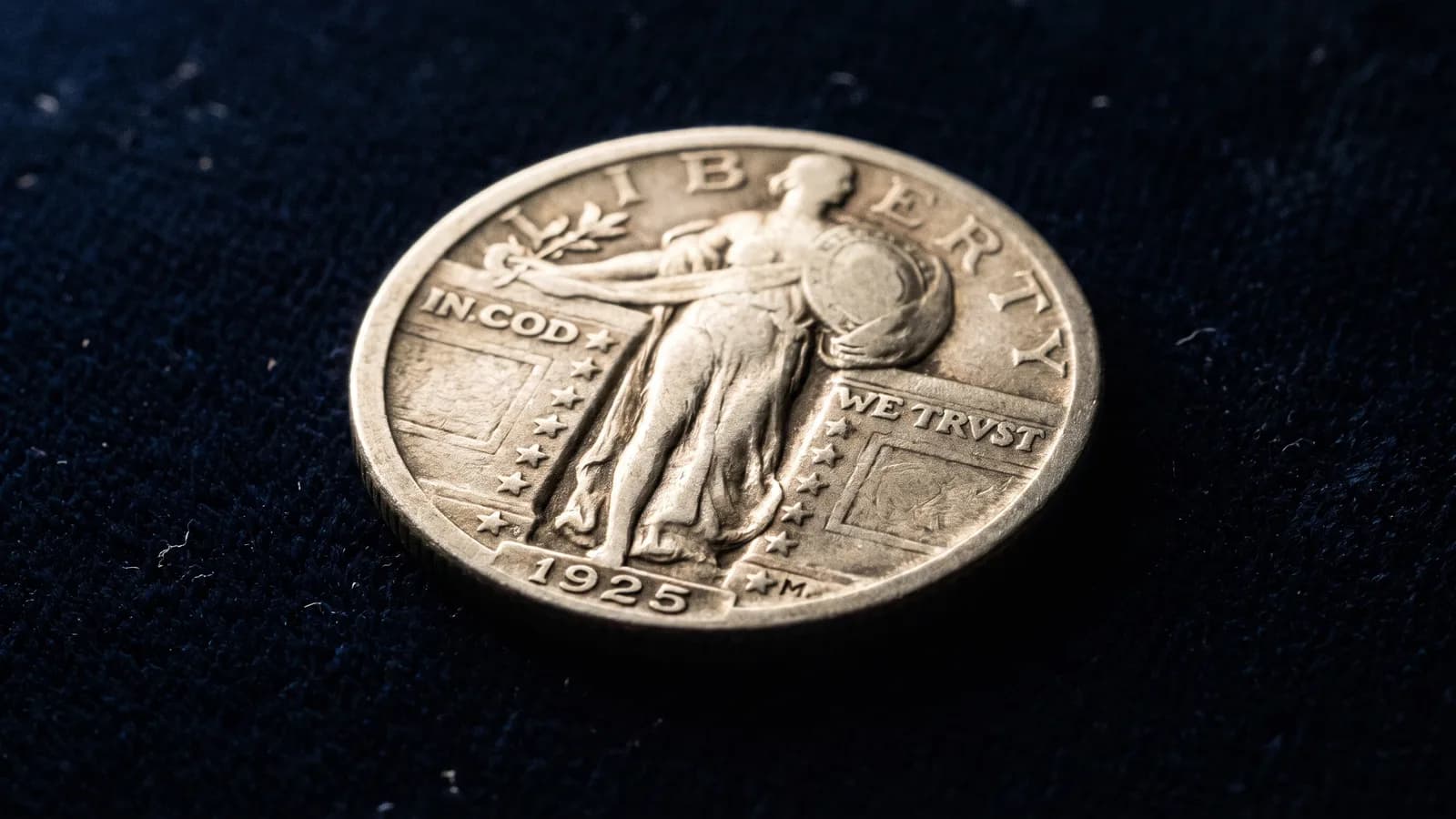
Standing Liberty Quarter Value: Key Dates and Types
About 0.1808 oz of silver as a floor. The 1916 and the 1918/7-S overdate are the prizes; dateless coins are worth least.
By Richard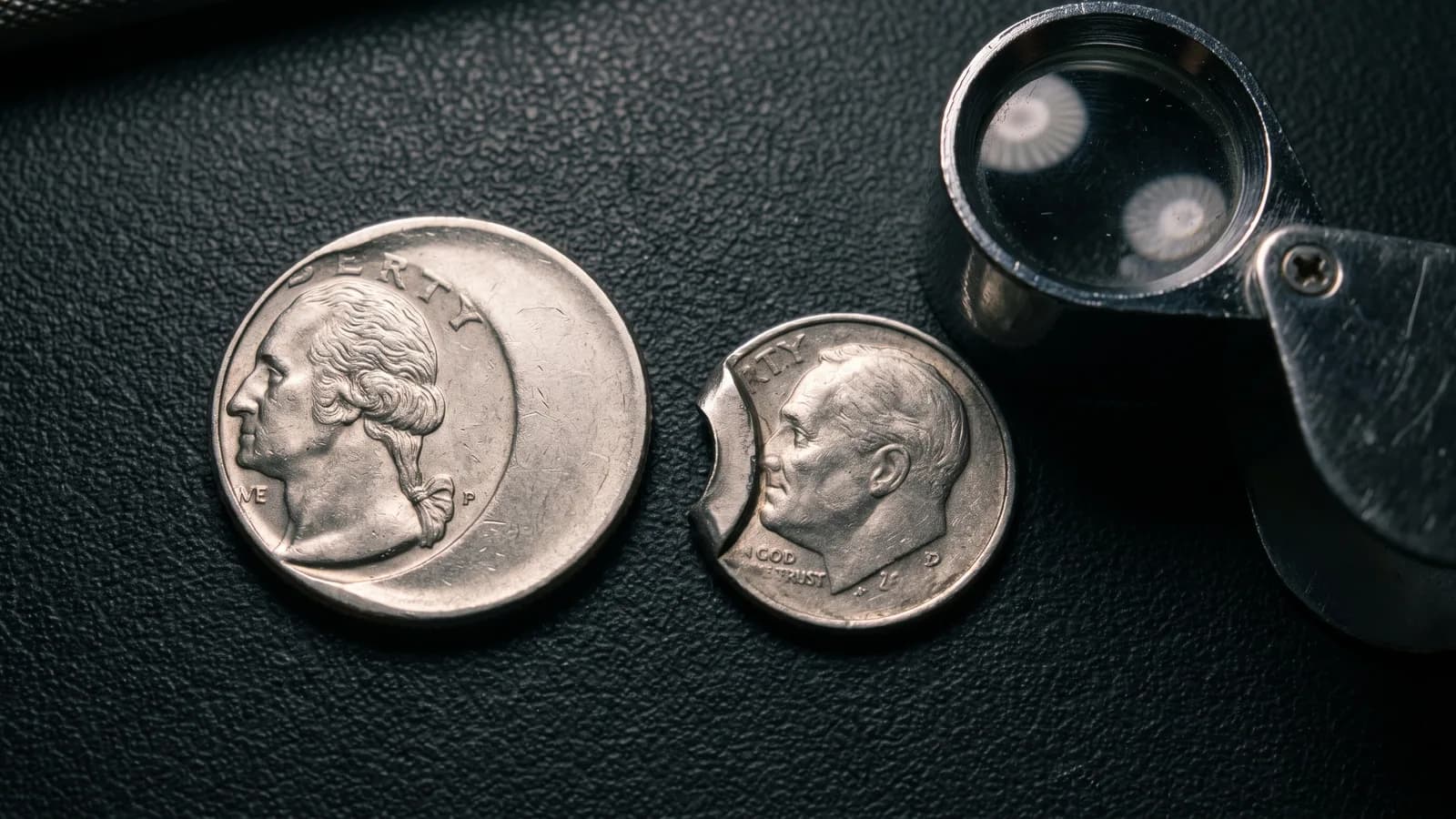
Coin Errors Explained: Doubled Dies, Off-Center Strikes, and More
What counts as a coin error, the main types, what they're worth, and how to tell an error from plain damage.
By Richard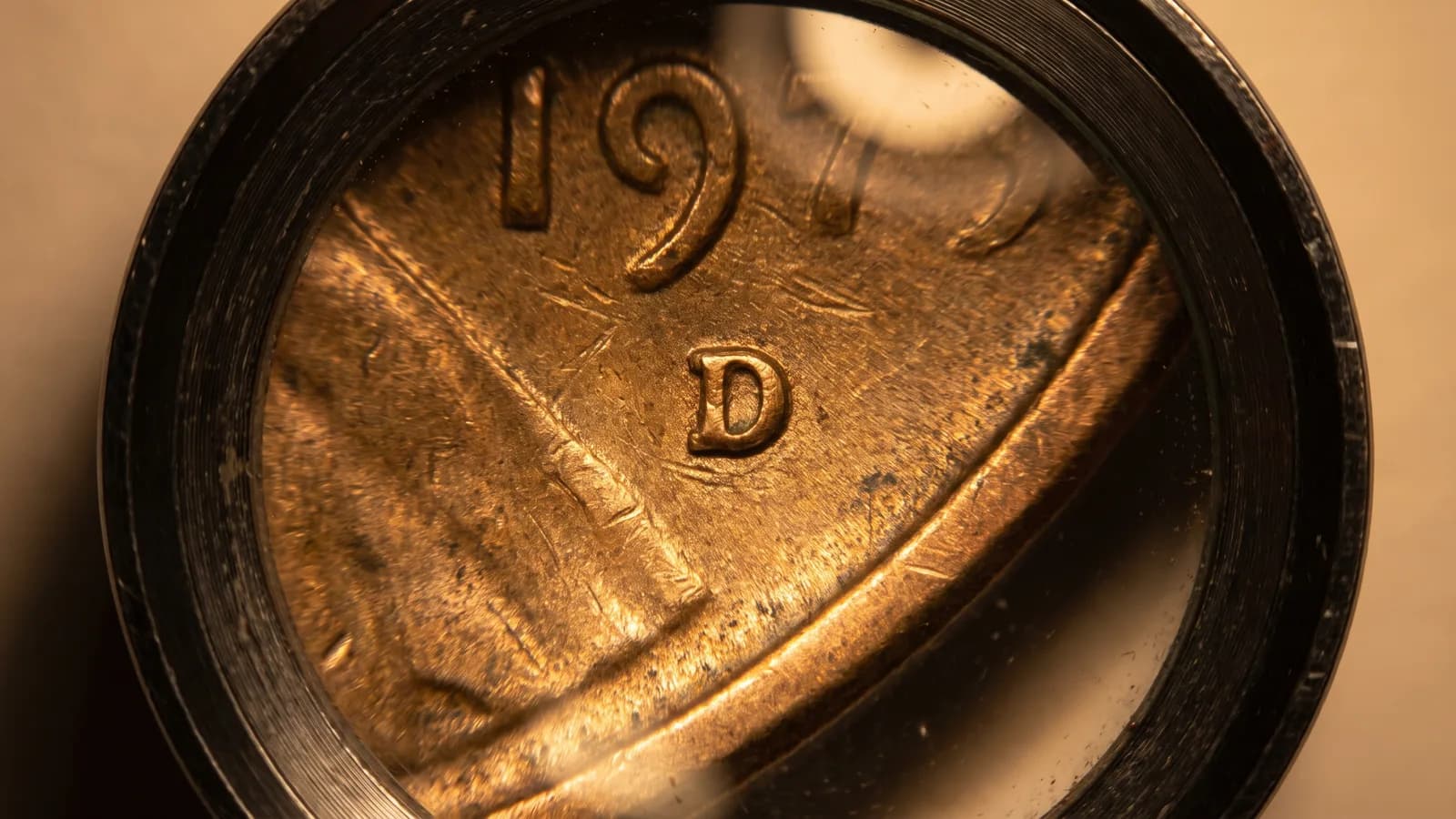
What Is a Mint Mark? How to Read One and Why It Matters
A mint mark is the small letter showing which mint struck a coin — and it can make a big difference in value.
By Richard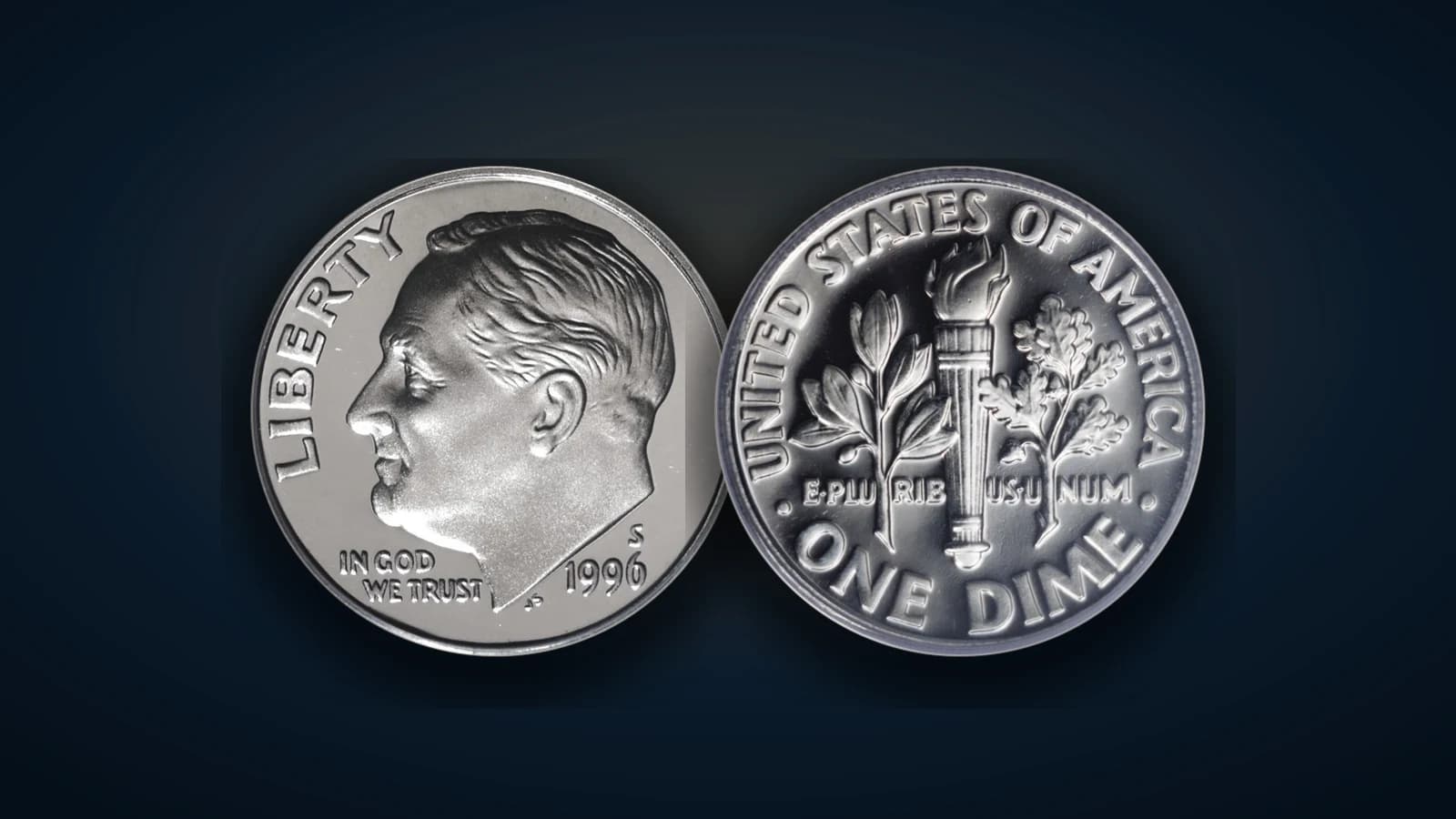
Roosevelt Dime Value: Silver Years and Key Dates
1946–1964 Roosevelt dimes are 90% silver; later ones are clad. Here's what yours is worth.
By Richard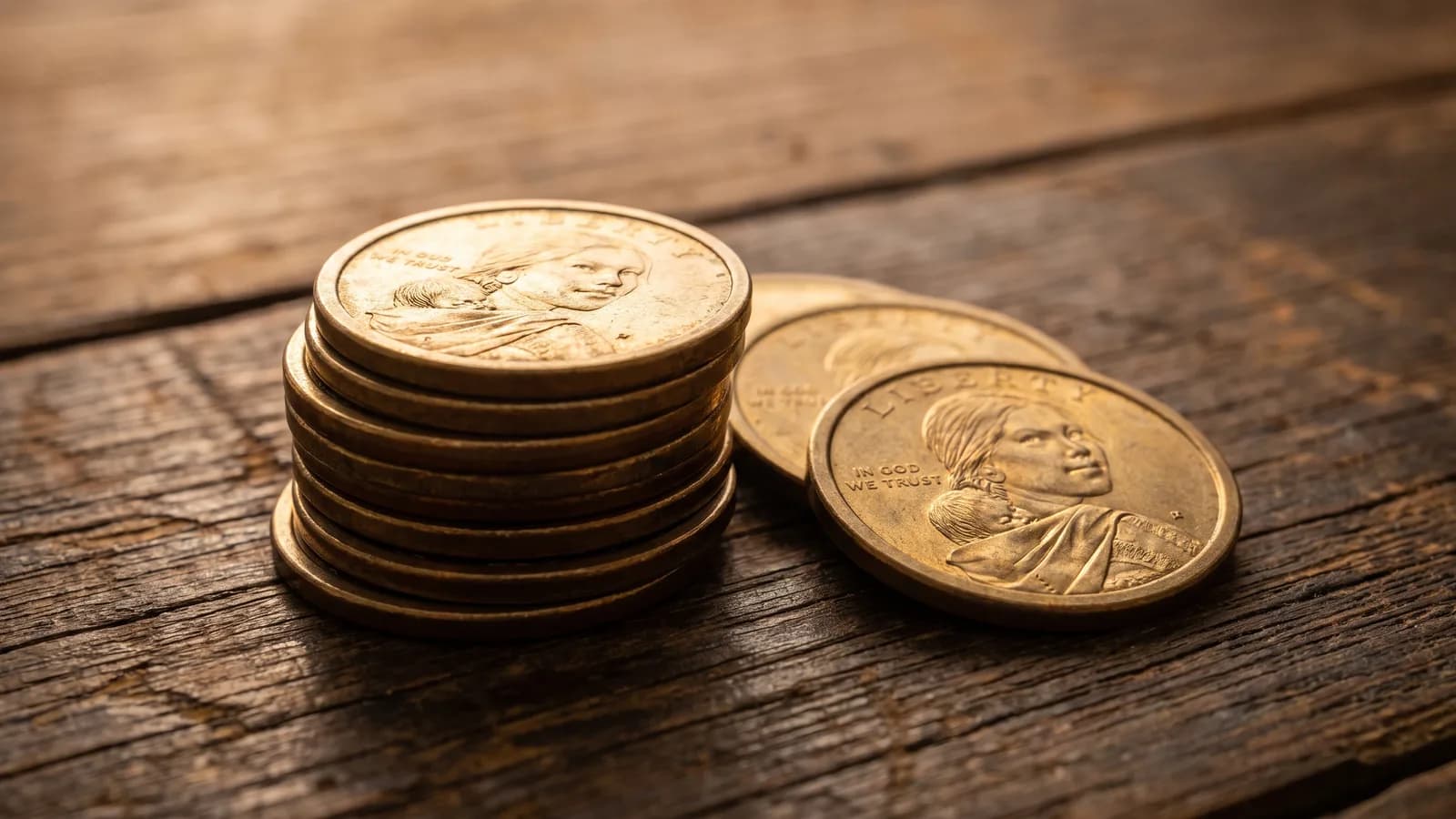
Sacagawea Dollar Value: Why It's Probably Worth Exactly $1
Your 'gold' Sacagawea dollar isn't gold, and almost all are worth $1. A handful of rarities are the exception.
By Richard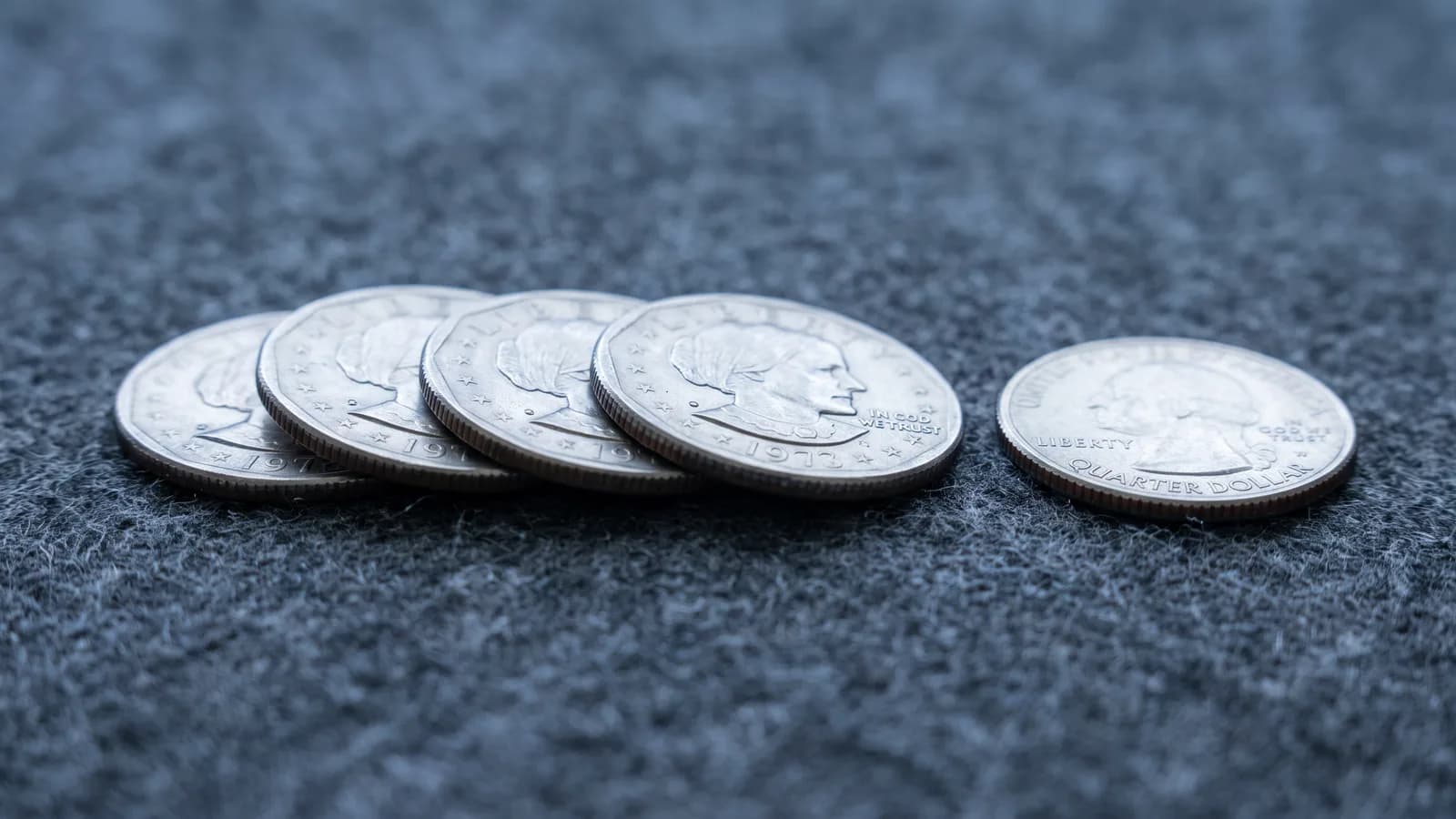
Susan B. Anthony Dollar Value: What Yours Is Worth
Most SBA dollars are worth $1. The 1979 Wide Rim and a few proof varieties are the exceptions.
By Richard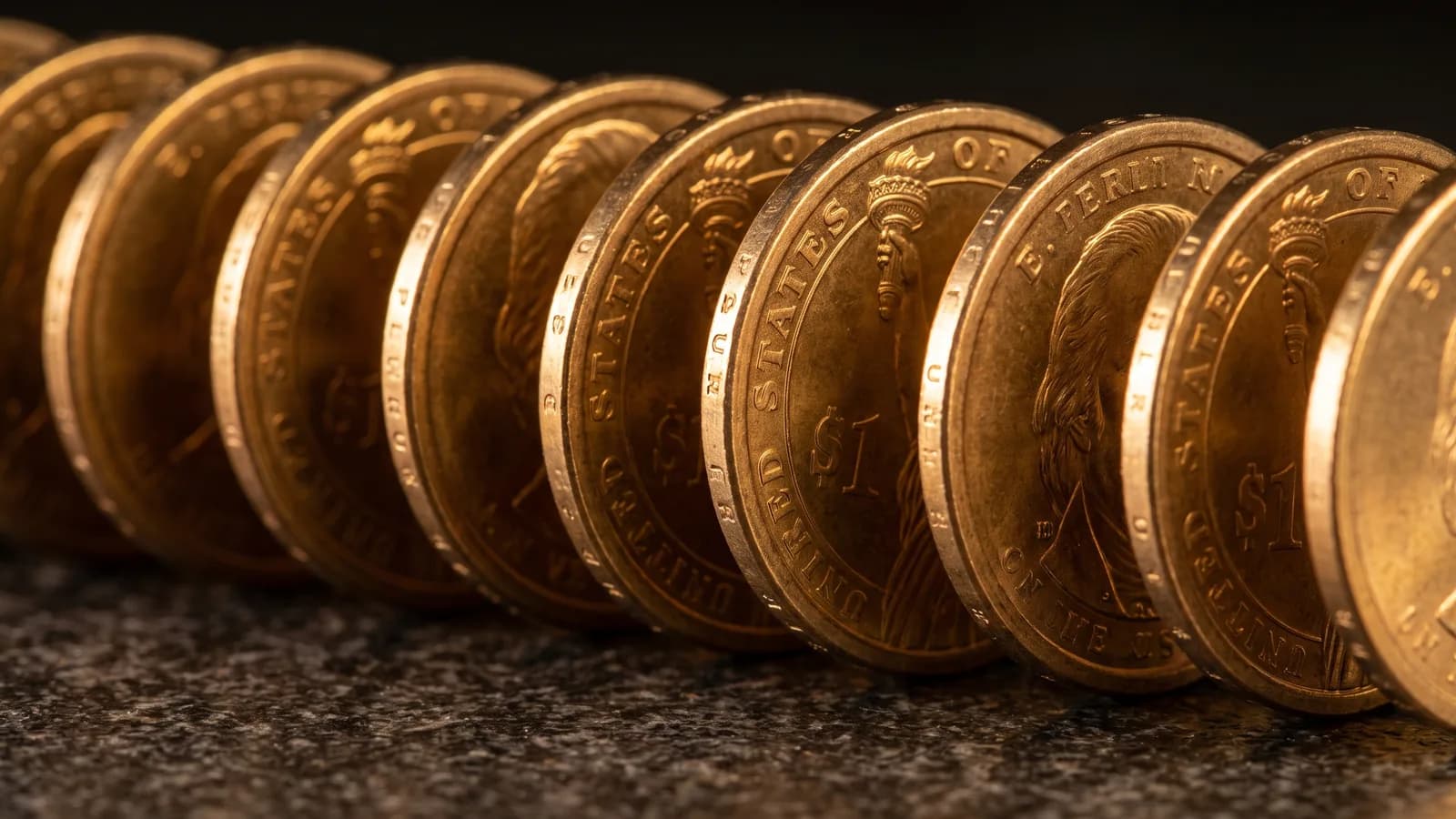
Presidential Dollar Value and the 'Godless' Dollar Error
Most Presidential dollars are worth $1. The 'Godless dollar' missing-edge-lettering errors are the ones to find.
By Richard
How to Sell an Inherited Coin Collection
Don't clean it, don't rush, get it appraised, then choose the right buyer. A calm, step-by-step plan.
By Richard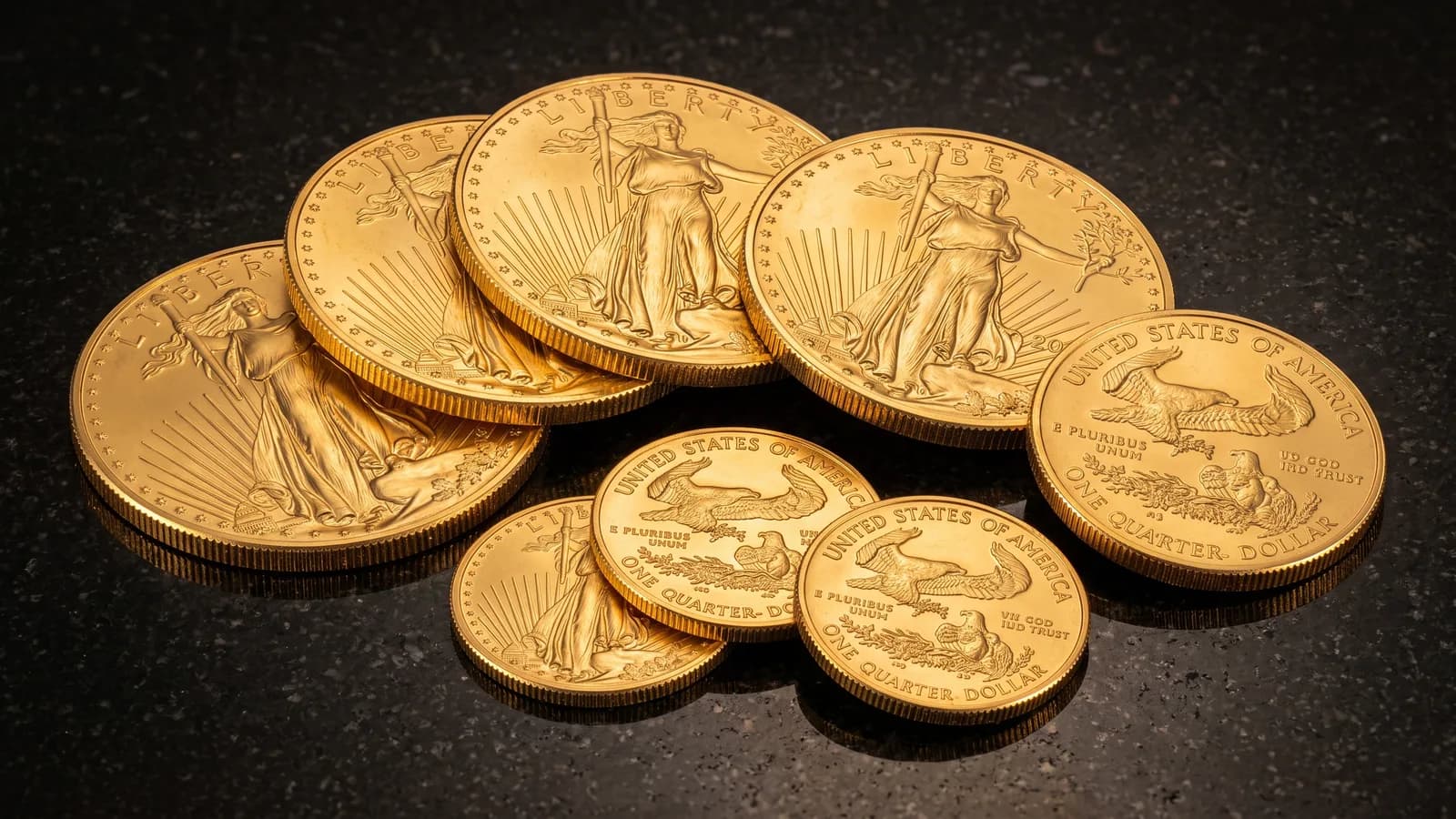
American Gold Eagle: A Buyer's Guide
The U.S. Mint's flagship gold coin, in four sizes. Here's the gold content, premiums, and how to buy safely.
By Richard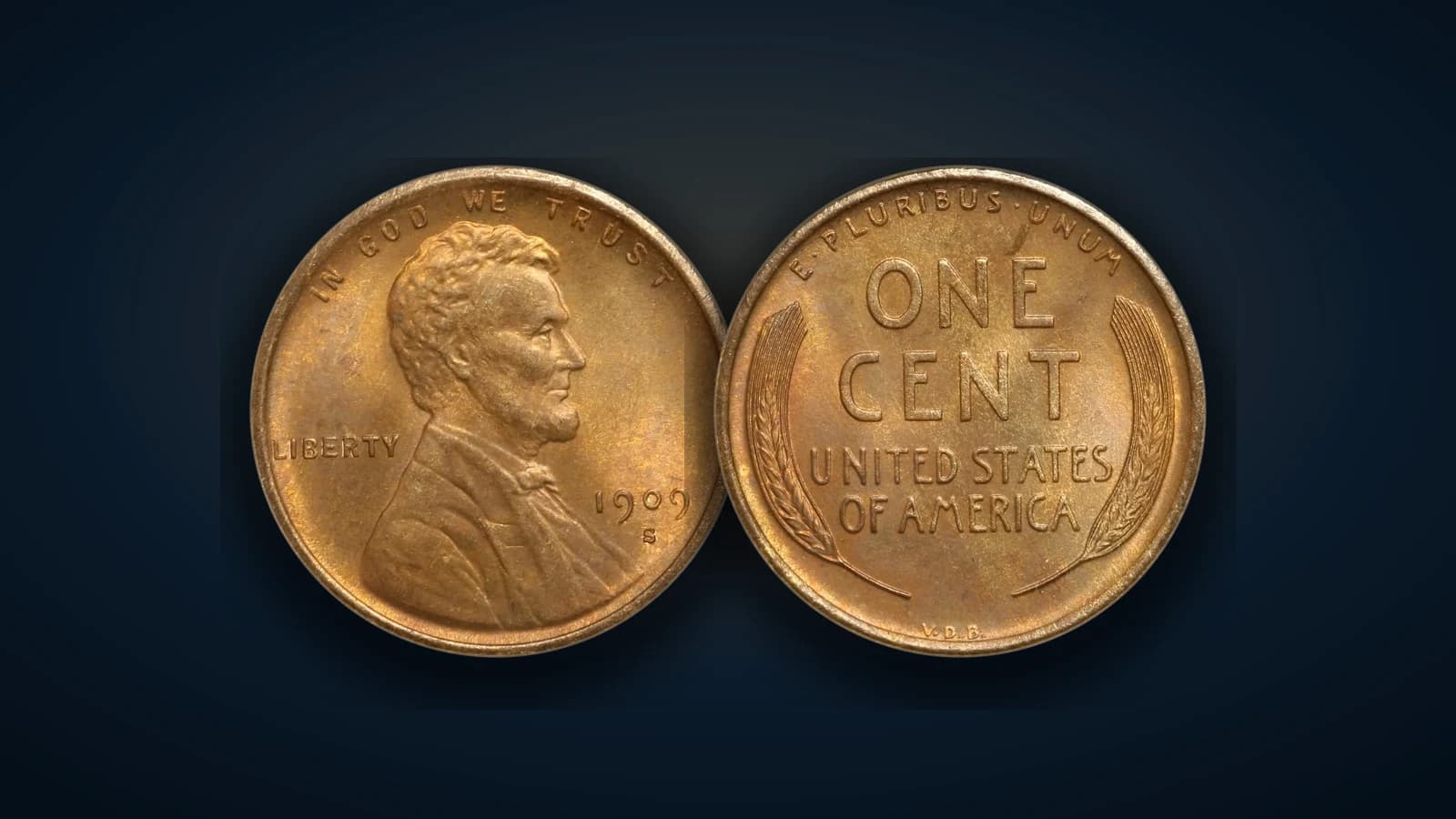
Lincoln Cent Key Dates: From the 1909-S VDB to the 1955 Doubled Die
A short list of Lincoln cents is worth real money. Here are the key dates and famous errors to check for.
By RichardFor Coin Shop Owners
Own or Manage a Coin Shop?
Claim your listing, update your business details, add specialties, and help collectors find your shop more easily.