
Coin collecting guides
Tokens & Medals guides
49 guides on tokens & medals — practical, jargon-free advice for buyers, collectors, and sellers.
Civil War Tokens: A Complete Collector's Guide
Privately minted cent substitutes that filled the coin shortage of the Civil War, now a deep and affordable collecting field.
By Richard
Civil War Token Values: What Are They Worth?
Common circulated Civil War tokens run about $15-$40, while rare varieties, off-metals, and sutler tokens climb into the thousands.
By Richard
Patriotic Civil War Tokens: Designs, Slogans, and Value
A patriotic Civil War token carries a patriotic slogan or design and no merchant name, which is what separates it from a store card.
By Richard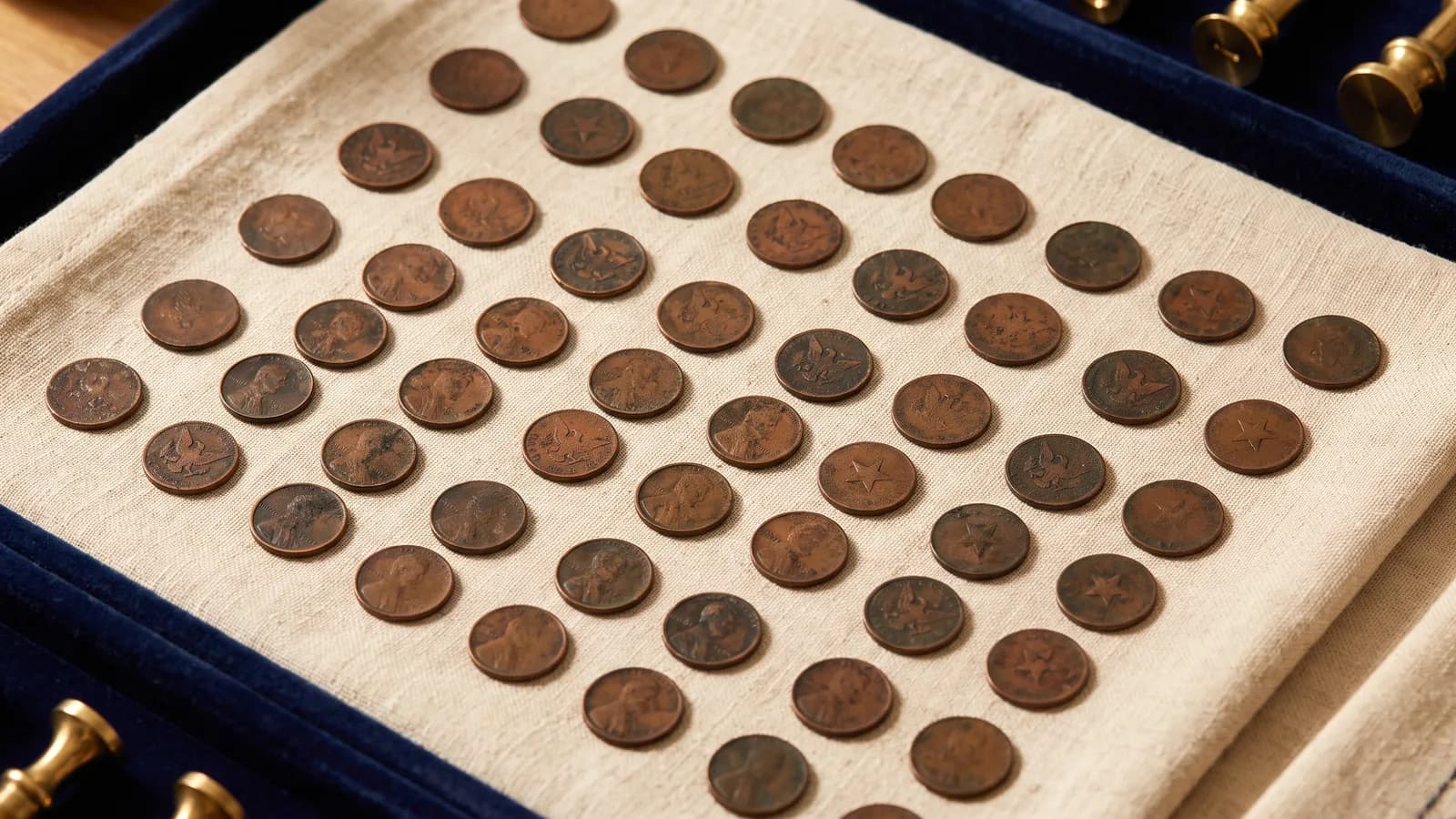
Common Patriotic Civil War Token Designs and Slogans
The flag, the eagle, the Indian head, and Union slogans account for most patriotic Civil War tokens. Here is how to read the recurring designs.
By Richard
The Dix "Shoot Him on the Spot" Civil War Token
The Dix token turns a Secretary of the Treasury's 1861 order into one of the most recognizable patriotic Civil War token designs.
By Richard
Copperhead Civil War Tokens: Peace-Theme Pieces Explained
Most Civil War tokens are pro-Union. The minority carrying peace or anti-war legends are loosely called copperhead tokens, and specialists chase them.
By Richard
Civil War Store Cards: Merchant Tokens and Their Value
A store card is a Civil War token that names a private business and its city, unlike patriotic tokens that carry no merchant name.
By Richard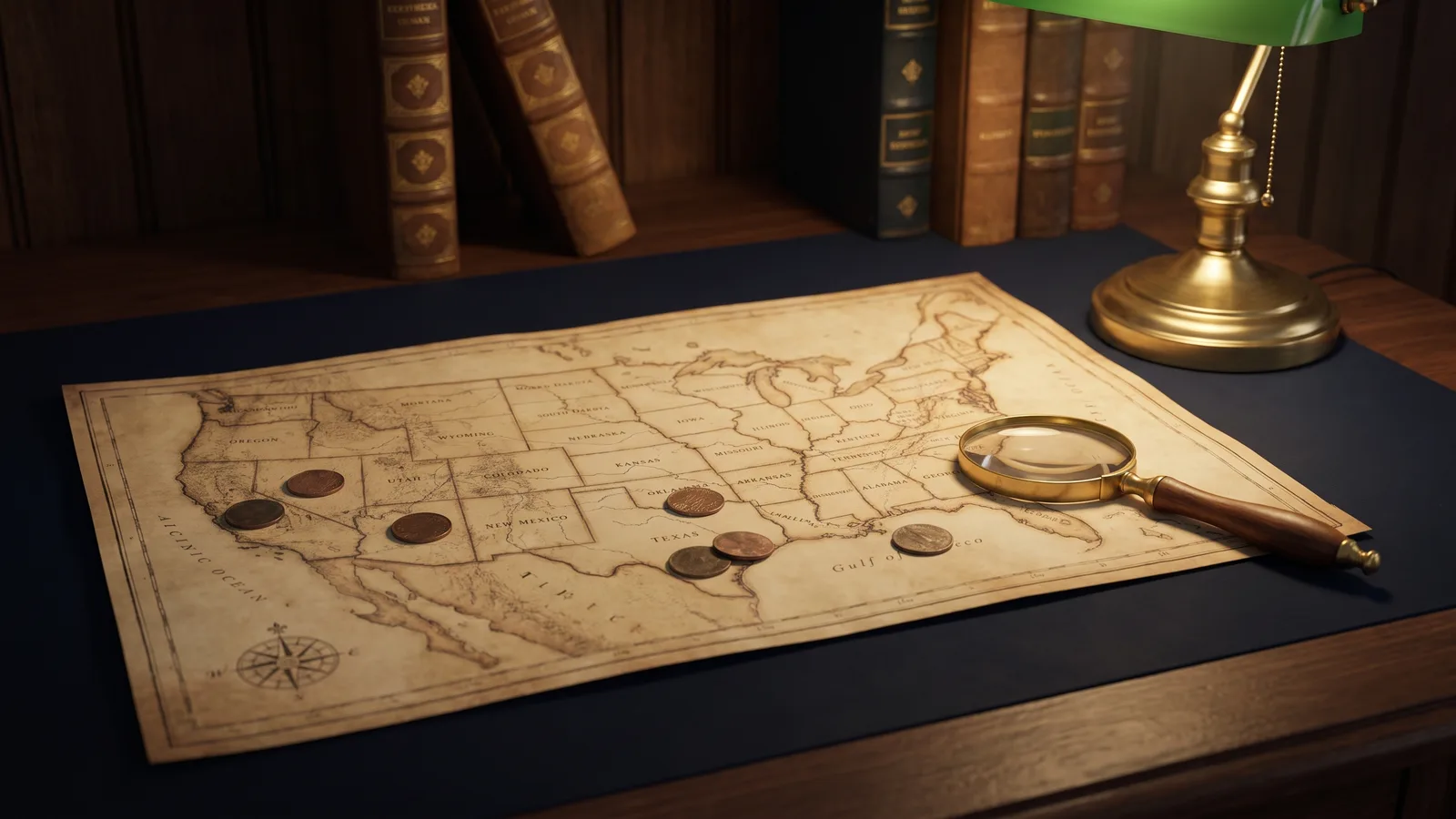
Civil War Store Cards by State: Where They Were Made
Store cards came almost entirely from Northern states, and where a merchant did business still shapes how scarce and valuable the token is today.
By Richard
Civil War Sutler Tokens: The Rarest Type Explained
Sutler tokens were issued by licensed camp merchants, named a specific army regiment, and are by far the rarest of the three Civil War token types.
By Richard
How to Identify Civil War Tokens (Fuld Numbers Explained)
A Civil War token is a private cent-sized piece from 1861-1864. Fuld numbers turn a vague coin into a precise, lookup-ready variety.
By Richard
The Civil War Token Rarity Scale (R-1 to R-10) Explained
The R-1 to R-10 Fuld rarity scale estimates how many of a specific token variety survive, and it can turn a $50 piece into a $500 one.
By Richard
How to Grade Civil War Tokens: Color, Wear, and Problems
Civil War tokens are graded on the Sheldon scale, but color and surface condition often move the price more than wear alone.
By Richard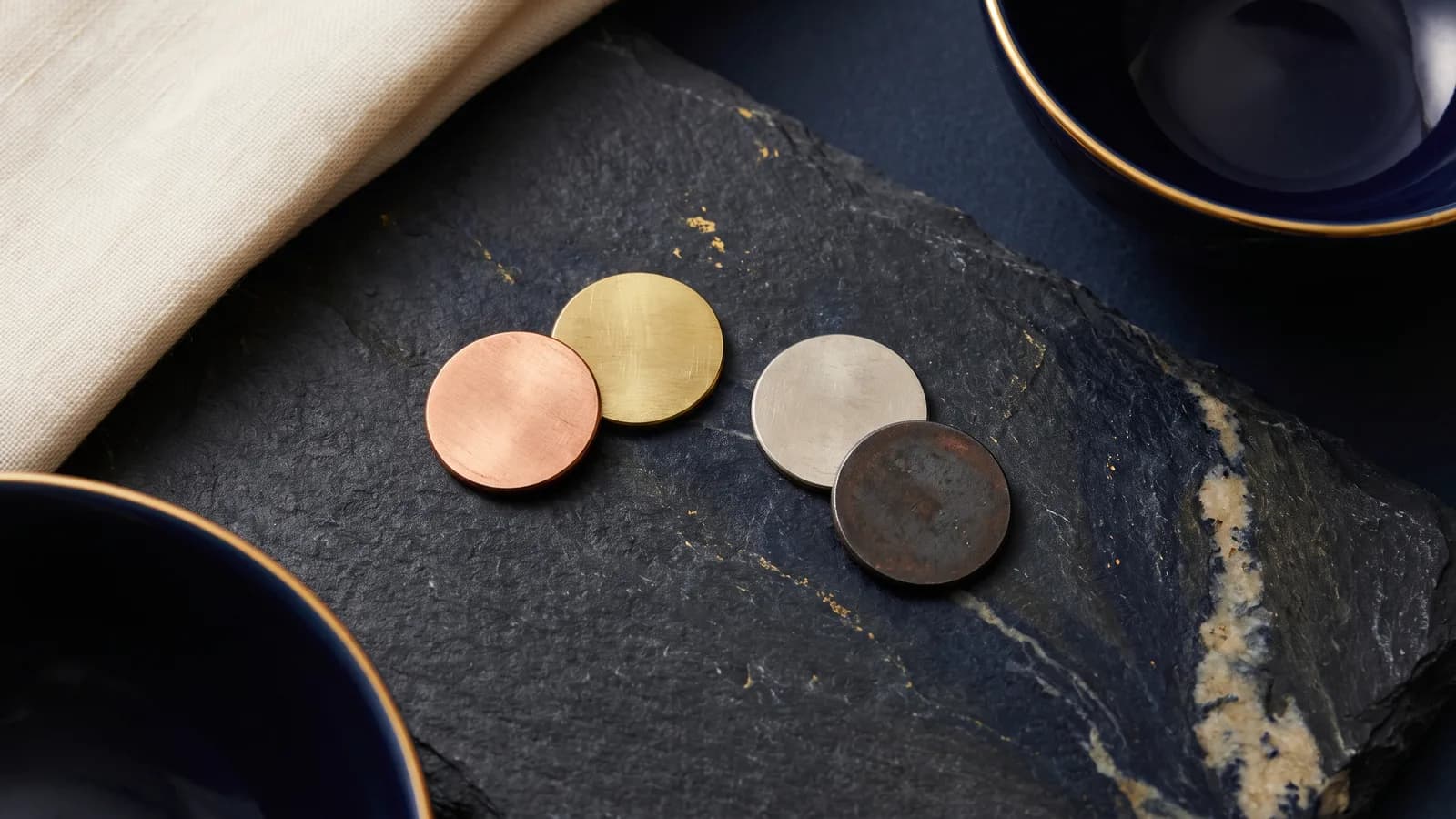
Civil War Token Metals: Copper, Brass, Silver, and Off-Metals
Copper is the default Civil War token metal, but brass, copper-nickel, tin, and rare silver off-metal strikes exist, and the metal often decides the price.
By Richard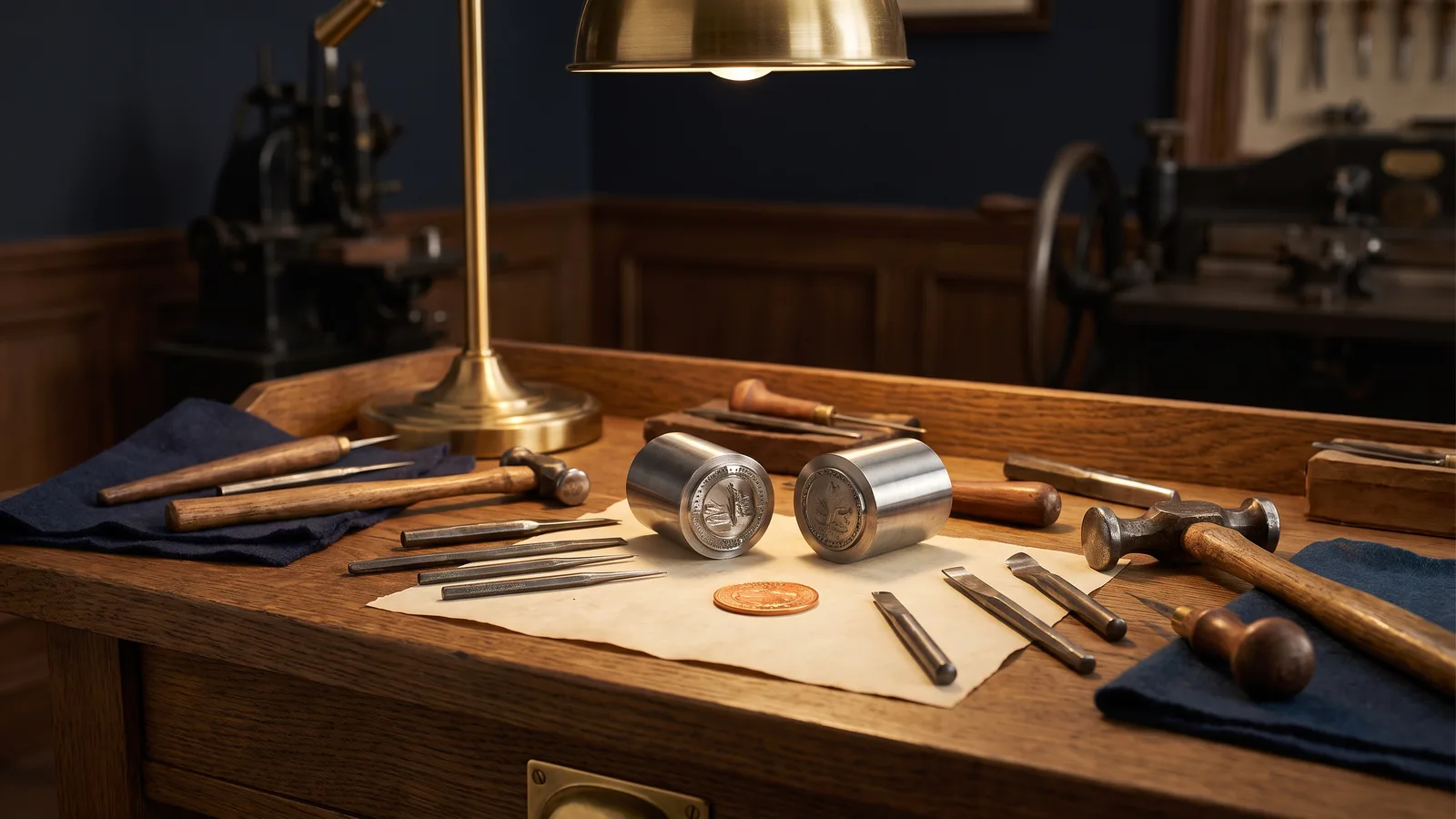
Civil War Token Mules and Off-Metal Strikes
A mule is a Civil War token struck from two dies that were never intended to be paired. Many are prized postwar concoctions, so disclosure and provenance matter.
By Richard
The Most Valuable Civil War Tokens (and Why)
Common Civil War tokens are cheap, but rarity, off-metal strikes, sutler issues, and top grade push the best pieces into the hundreds and thousands.
By Richard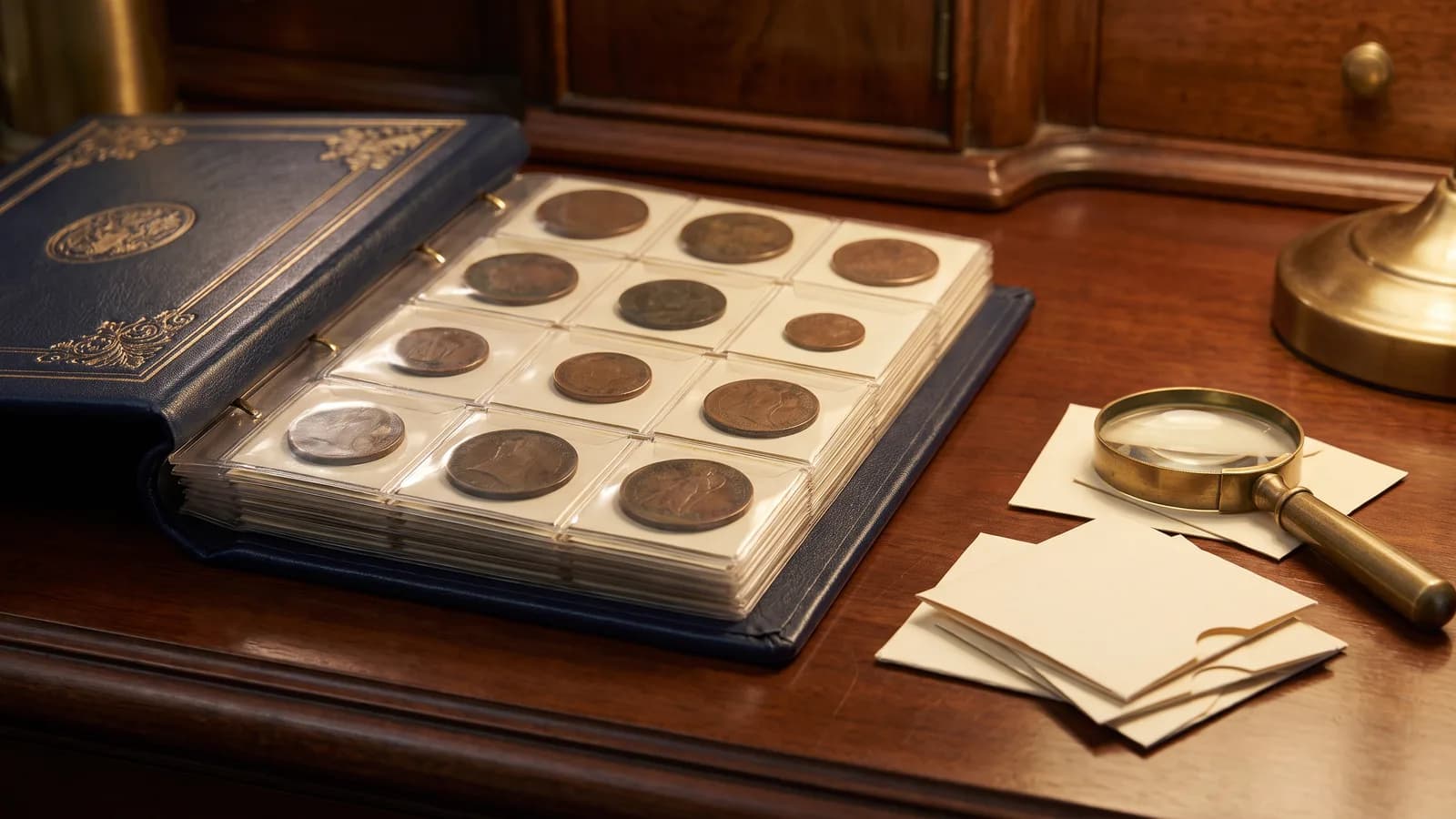
How to Start Collecting Civil War Tokens
Civil War tokens pair genuine 1860s history with low entry prices, making them one of the friendliest ways into serious collecting.
By Richard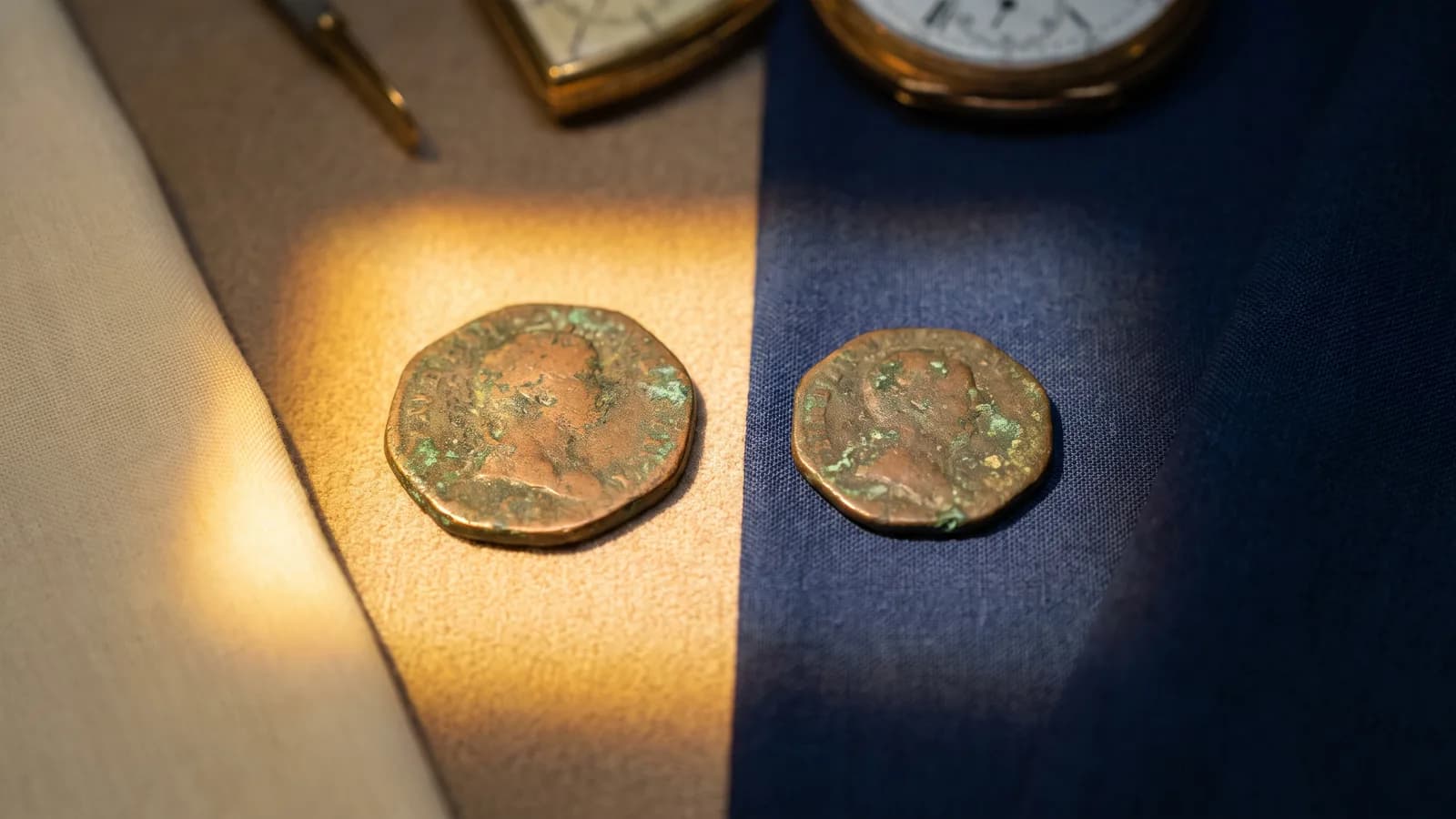
Civil War Tokens vs. Hard Times Tokens: The Difference
Both are private tokens issued during coin shortages, but Hard Times tokens came a generation earlier, out of Andrew Jackson's bank war and the Panic of 1837.
By Richard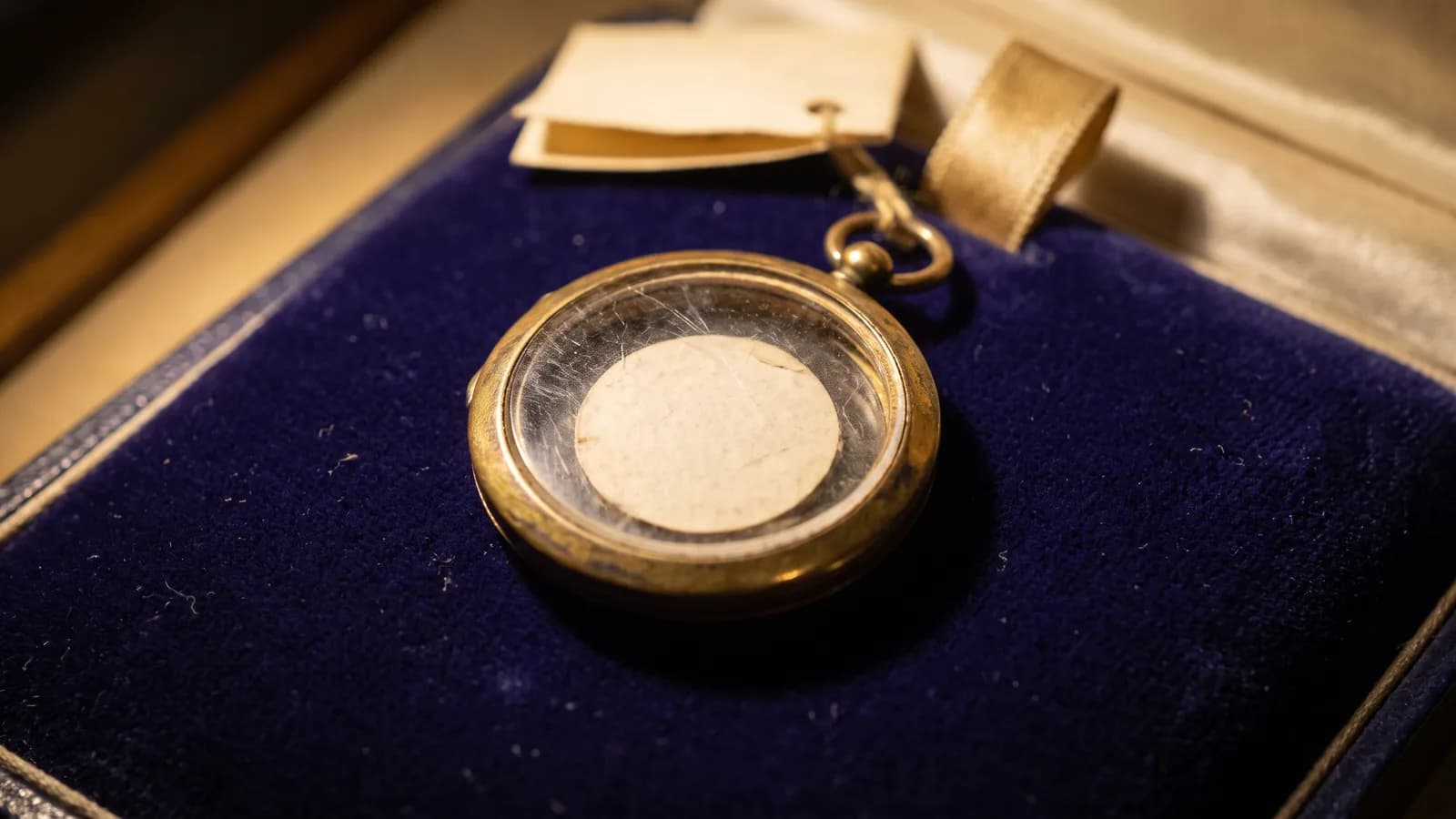
Encased Postage Stamps: Civil War Emergency Money
When coins vanished during the Civil War, John Gault sealed postage stamps behind mica in little brass frames so they could pass as small change.
By Richard
Were Civil War Tokens Legal? History and Legal Status
Civil War tokens were never official money. They circulated on public trust at one cent, and collecting them today is completely legal.
By Richard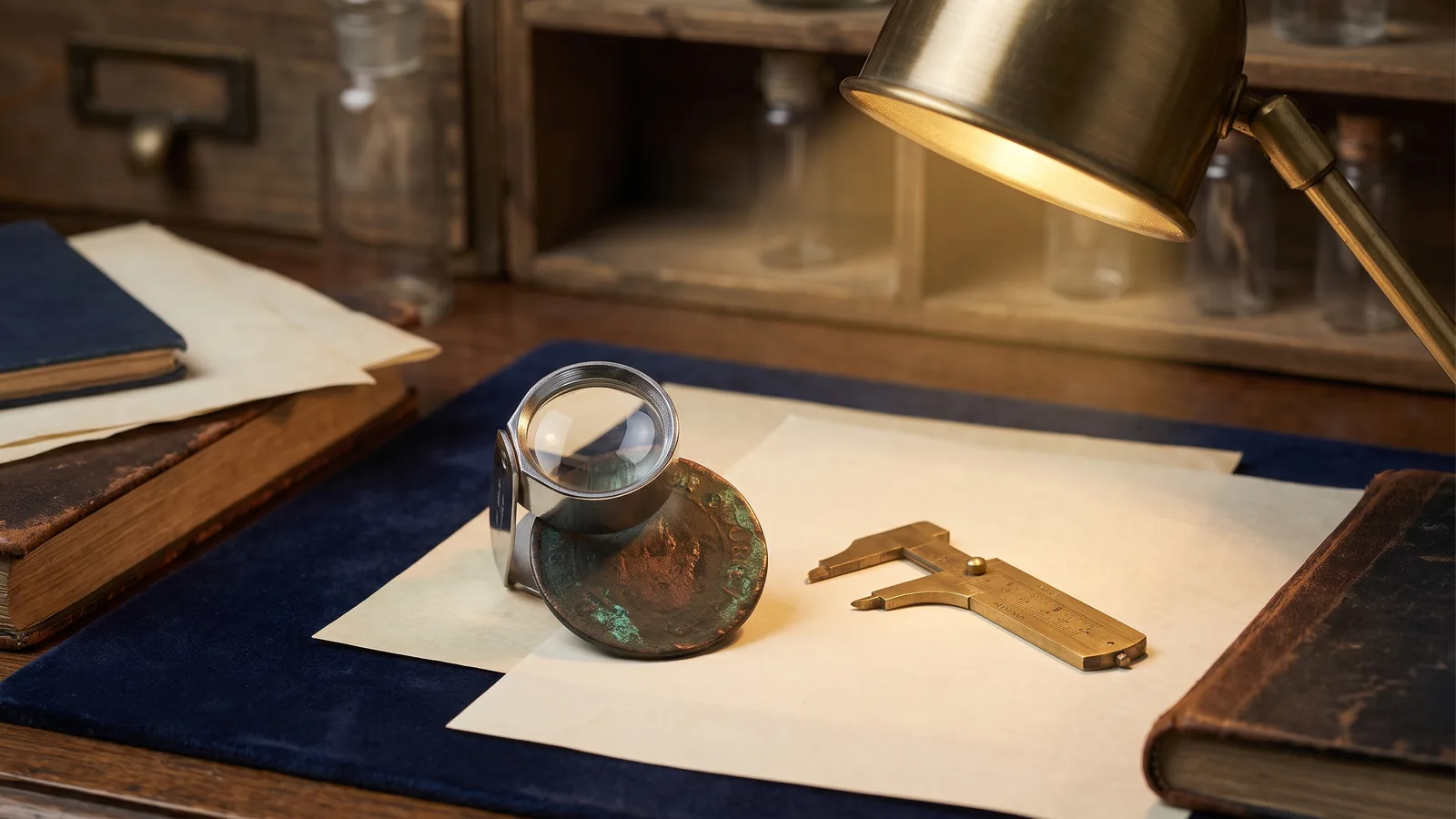
How to Spot Fake Civil War Tokens
Common Civil War tokens rarely get faked because they cost too little. The risk sits in scarce varieties, sutler tokens, off-metals, and high grades.
By Richard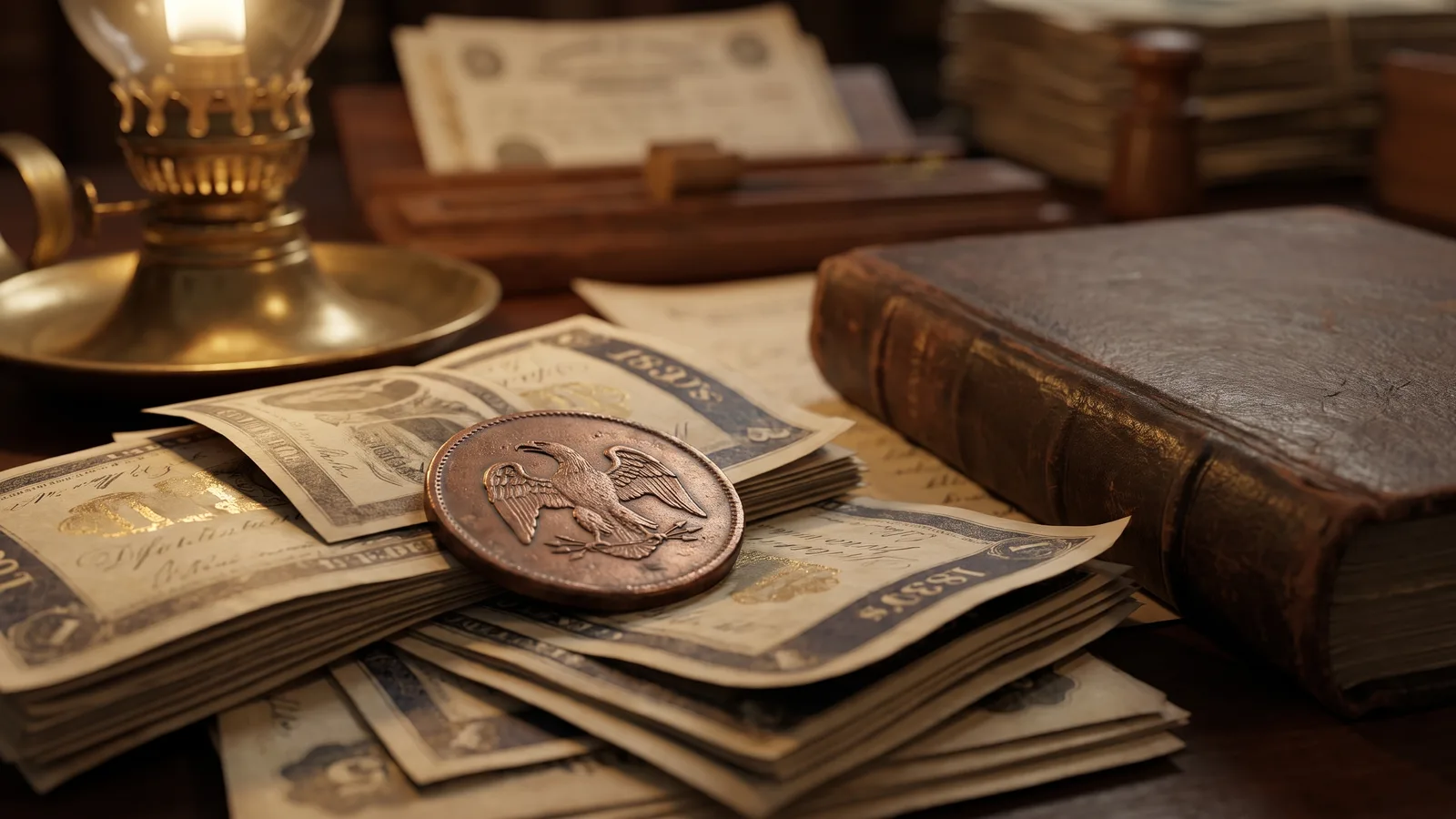
Hard Times Tokens: A Complete Collector's Guide
Privately made copper tokens the size of a large cent, born from Andrew Jackson's Bank War and the Panic of 1837, that passed as pennies by public acceptance.
By Richard
Hard Times Token Values: What Are They Worth?
Common Hard Times tokens run about $20 to $60 worn, but design, rarity, grade, and copper color can push the best pieces into five figures.
By Richard
Andrew Jackson and the Political Hard Times Tokens
The political Hard Times tokens were the era's protest coinage, mocking Andrew Jackson's Bank War and the Panic of 1837 in copper.
By Richard
Hard Times Store Cards: Merchant Tokens of the 1830s
A Hard Times store card is a merchant advertising token that named a shop, its trade, and its city, and passed hand to hand as an unofficial cent.
By Richard
Hard Times Token Designs and Slogans Explained
The same handful of political scenes and legends appear again and again on Hard Times tokens, and each one carries a specific 1830s meaning.
By Richard
The 'Am I Not a Woman and a Sister' Abolitionist Token
An 1838 Hard Times token that carried an antislavery plea into everyday American pockets.
By Richard
How to Identify Hard Times Tokens (Low and Rulau Numbers)
Most Hard Times tokens are large-cent sized copper pieces from about 1832 to 1844, cataloged by Low and Rulau numbers.
By Richard
Hard Times Tokens vs. Large Cents: How to Tell Them Apart
Hard Times tokens copied the size of the federal large cent on purpose, so the giveaway is the design and wording, not the diameter.
By Richard
The Most Valuable Hard Times Tokens (and Why)
The most valuable Hard Times tokens combine a scarce variety, a historically important design, and high grade with original color.
By Richard
How to Start Collecting Hard Times Tokens
Hard Times tokens pack American history from the 1830s and 1840s into affordable copper, with common pieces often selling for $20-$60.
By Richard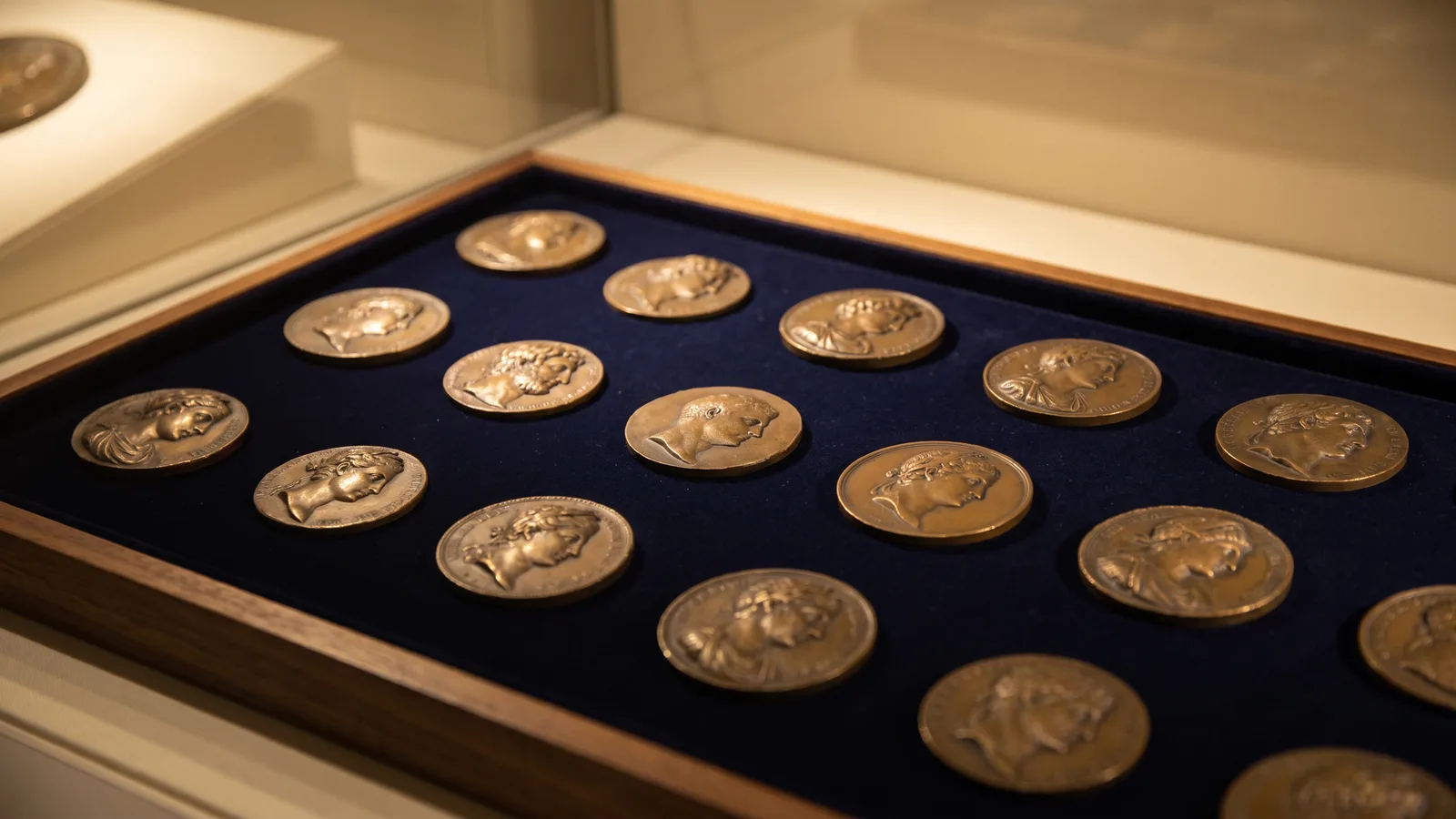
Collecting Medals and Exonumia: A Complete Guide
Medals carry no denomination and were never meant to circulate, which sets them apart from coins and tokens and puts them in the broad field called exonumia.
By Richard
The Medallic Art Company: America's Great Medal Maker
For more than a hundred years, the Medallic Art Company struck the art medals, prize medals, and Congressional Gold Medals that defined American medallic art.
By Richard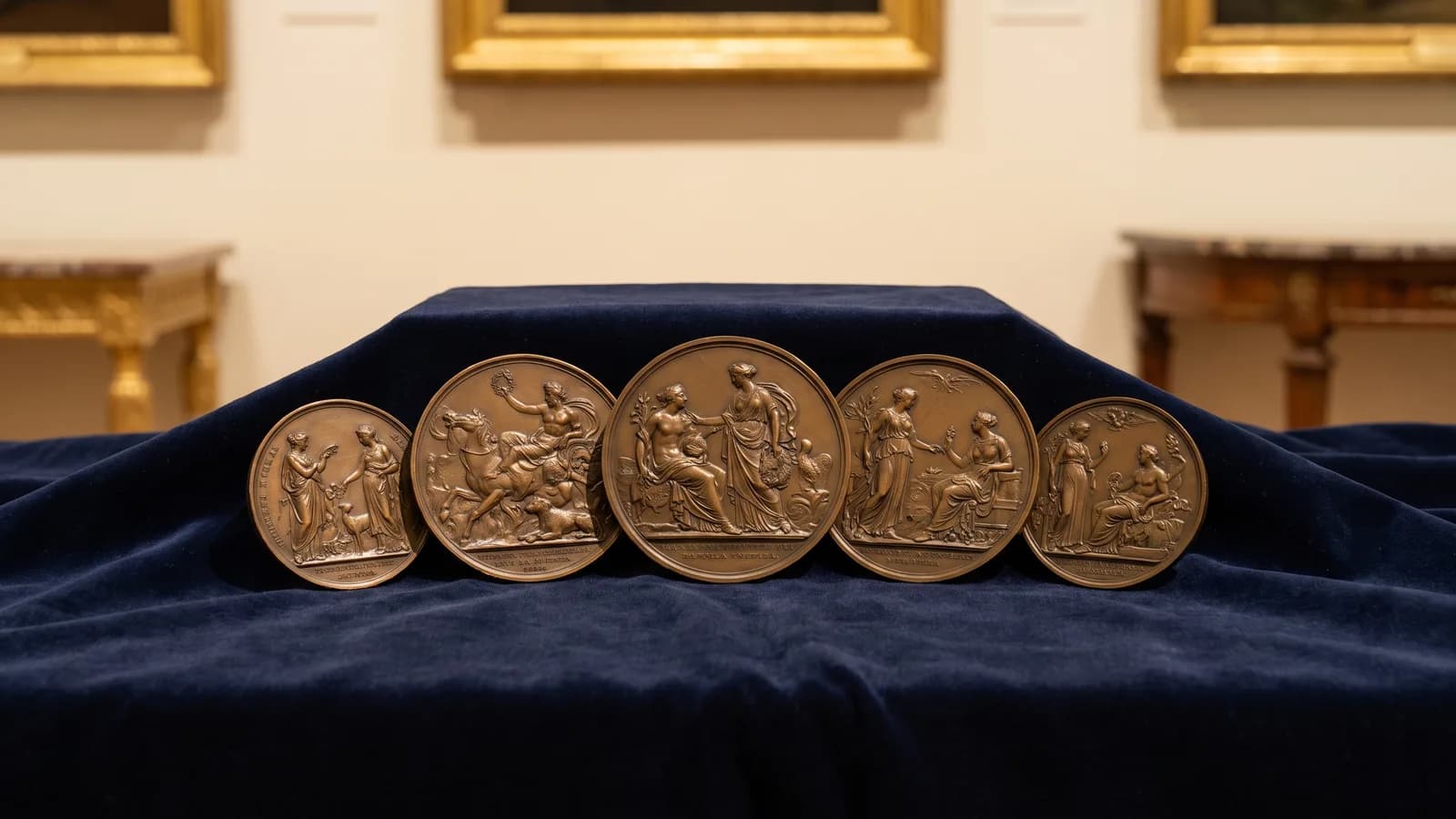
The Society of Medalists: America's Great Art-Medal Series
For 65 years the Society of Medalists put fine art medals by major American sculptors into collectors' hands, two issues at a time.
By Richard
Hall of Fame for Great Americans Medals (Bronze and Silver)
An underappreciated art-medal series honoring America's Hall of Fame electees, struck from 1963 to 1974 in bronze and silver by dozens of leading sculptors.
By Richard
John Adams Bolen: The Springfield Die-Sinker and His Medals
Bolen made store cards, Springfield medals, and open copies of rare early American coins, all sold to collectors of his day rather than made to deceive.
By Richard
Medallic Washington and Musante's GW Numbers Explained
Musante's two-volume Medallic Washington replaced the 130-year-old Baker numbers with a clearer GW system for cataloging Washington medals.
By Richard
Abraham Lincoln Campaign Medals of 1860 and 1864
Small political medalets handed out for Lincoln's 1860 and 1864 campaigns are a popular and historic corner of Lincolniana.
By Richard
Presidential Campaign Medals and Medalets: A Collector's Guide
Campaign medalets were the wearable political medals of 19th-century U.S. elections, and the direct ancestors of the celluloid pinback button.
By Richard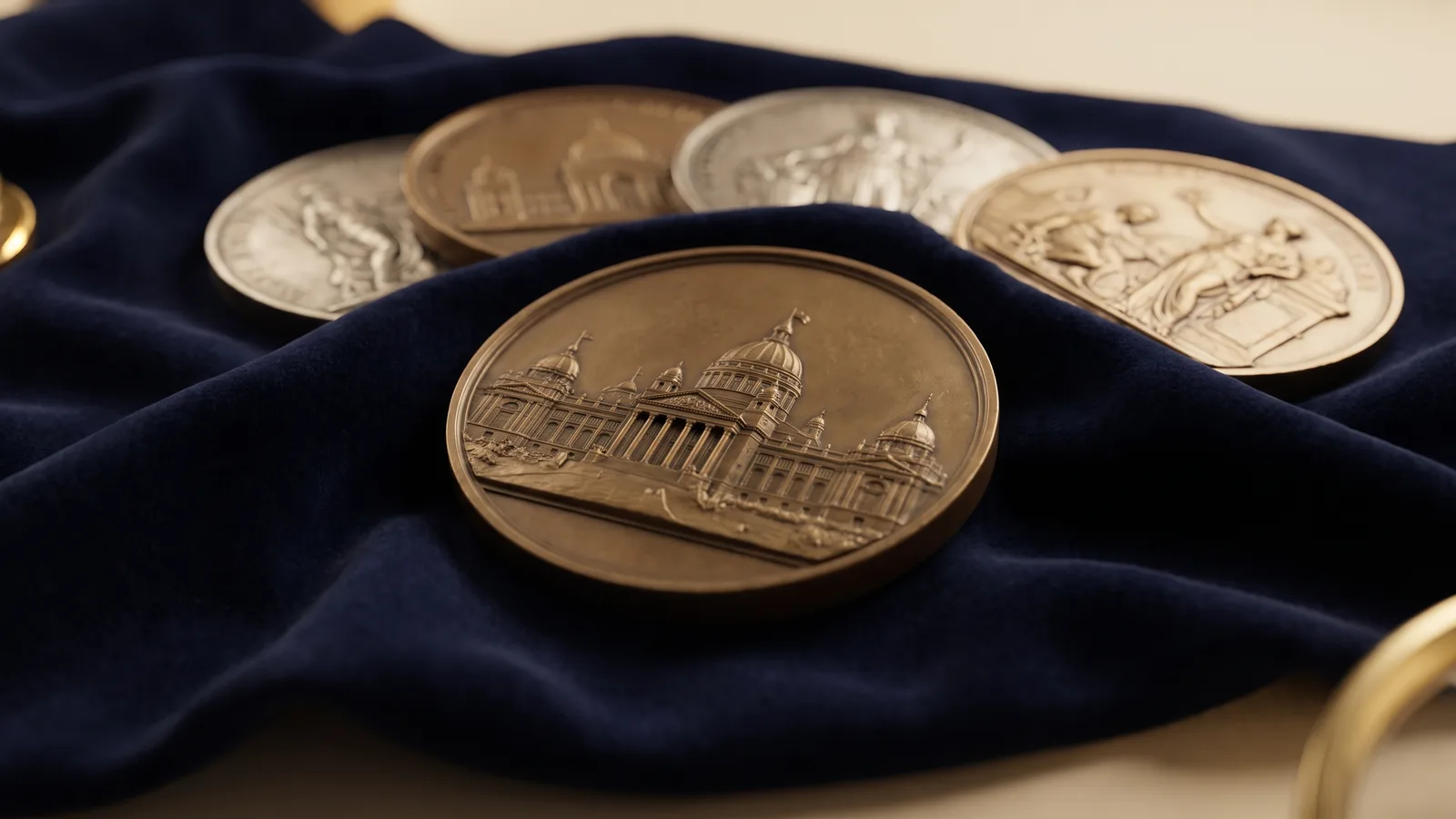
So-Called Dollars: The Dollar-Sized Medals Explained
So-called dollars look like silver dollars but carry no face value; they are commemorative medals struck for expositions, events, and famous people.
By Richard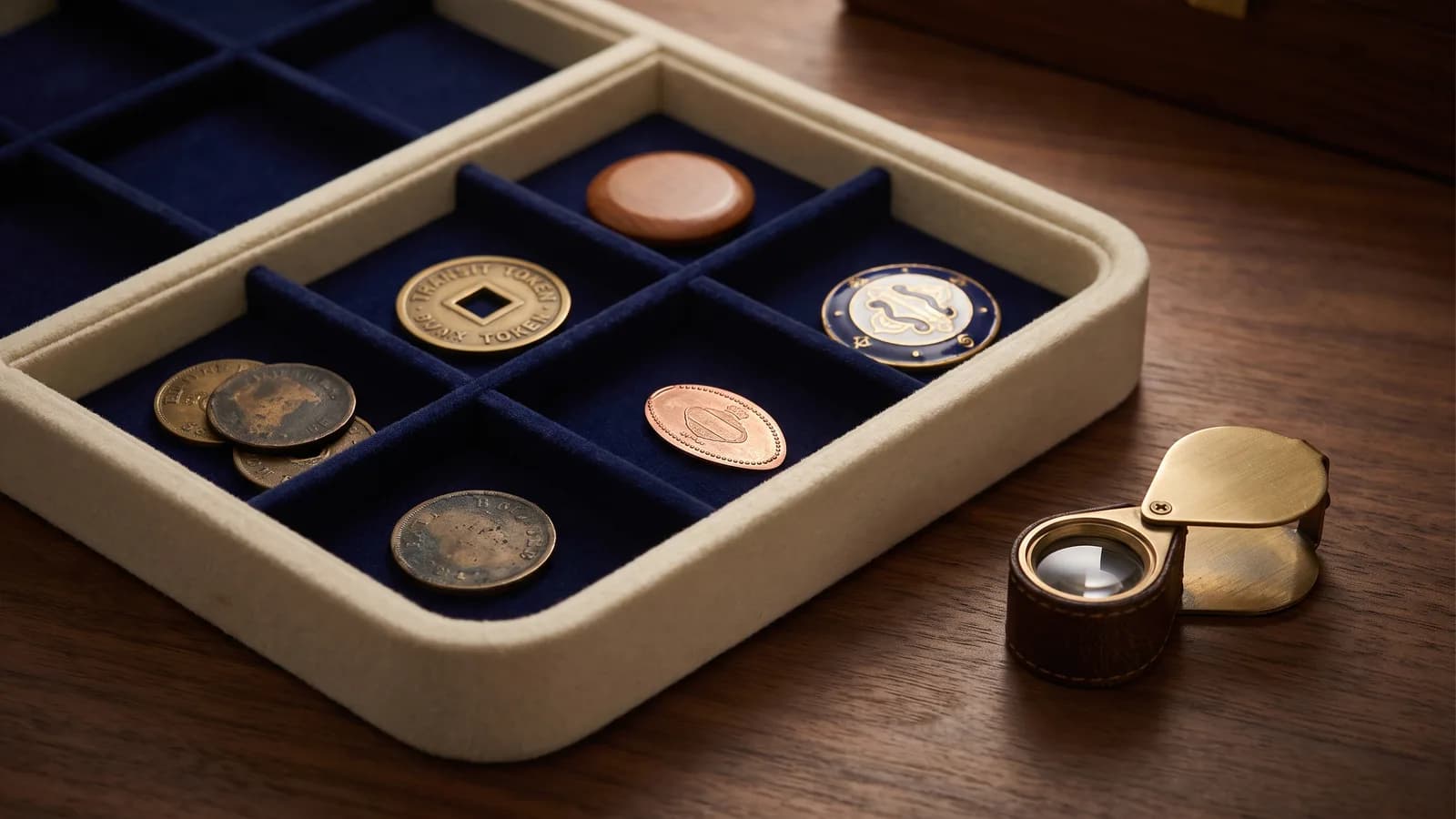
Collectible Tokens: A Guide to Trade Tokens, Transit Tokens, and More
From saloon good-for tokens to pressed pennies and challenge coins, most collectible tokens are affordable history that turns up constantly in inherited boxes.
By Richard
Trade Tokens and 'Good For' Tokens: A Collector's Guide
A trade token was money at exactly one store, saloon, or dairy, and the ones you can pin to a real town and merchant are the ones worth chasing.
By Richard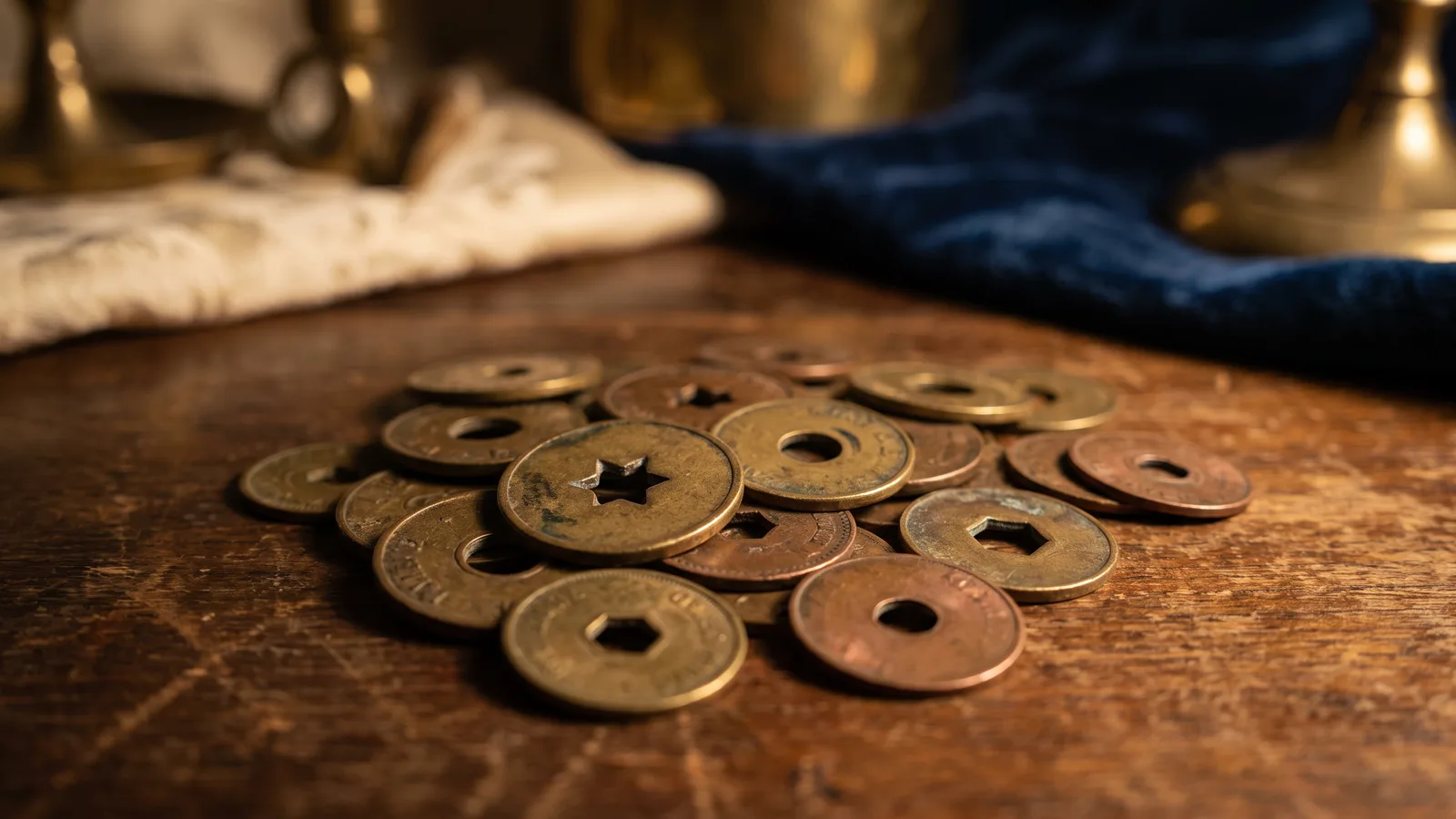
Transportation Tokens: Transit Fare Tokens Explained
Transportation tokens were fare tokens for streetcars, buses, subways, and ferries, often with a cutout so collectors could recognize the system by touch.
By Richard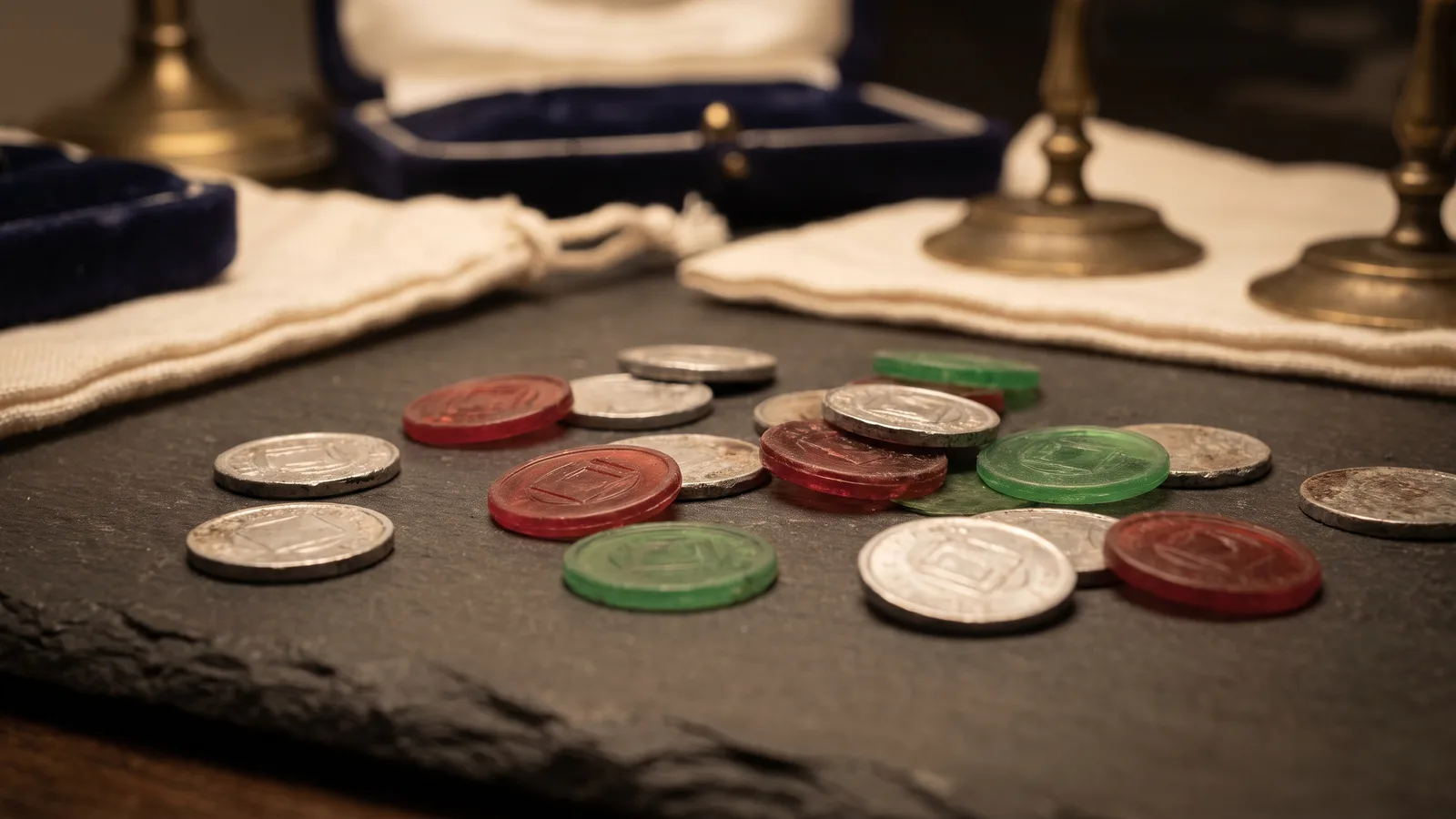
Sales Tax Tokens: Depression-Era Mills Explained
These small mill tokens let Depression-era shoppers pay a fraction of a cent in sales tax instead of being rounded up.
By Richard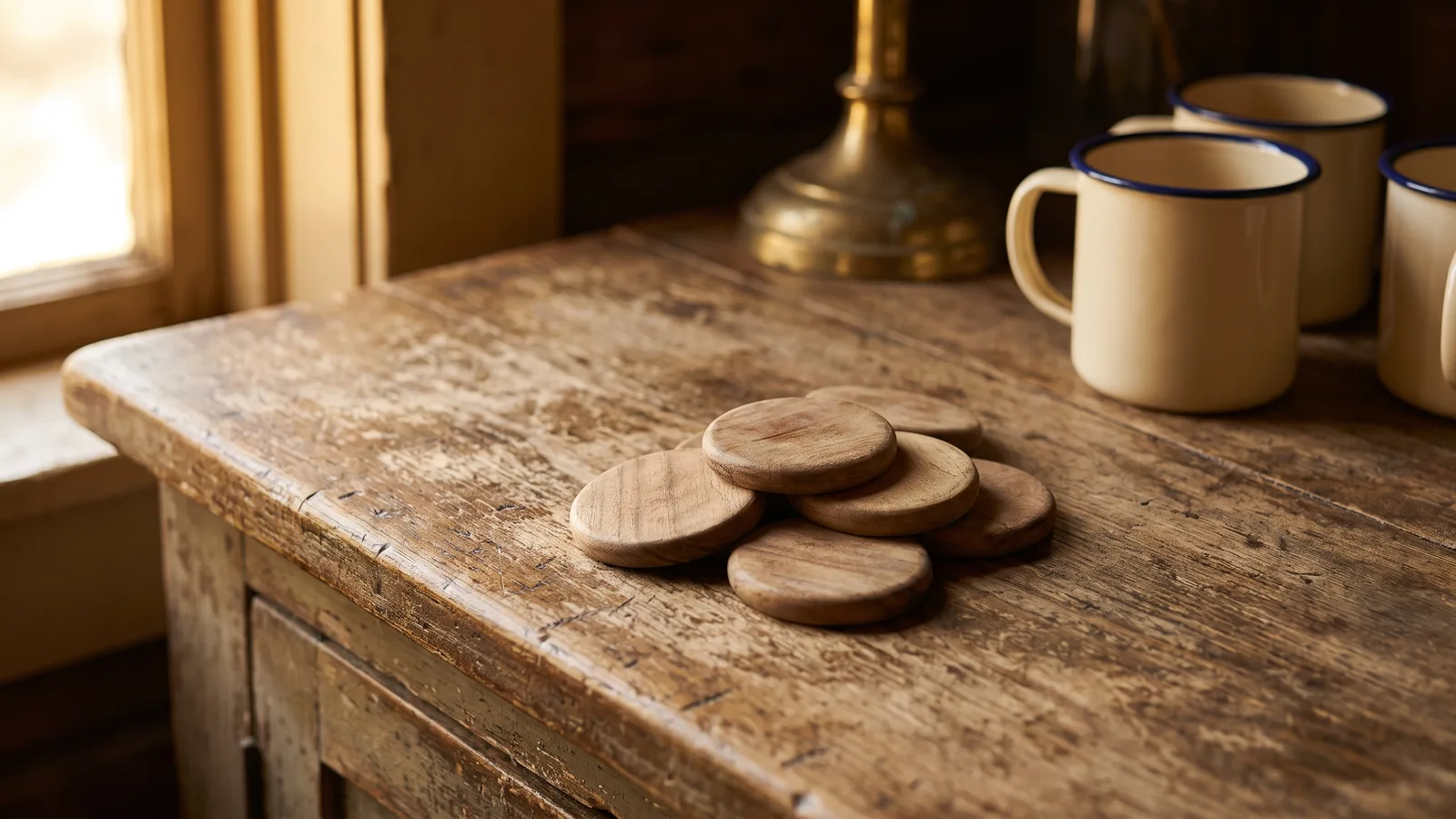
Wooden Nickels: History and Value
A wooden nickel is a flat wooden token coin, ranging from 1930s emergency town scrip to the promotional giveaways still handed out today.
By Richard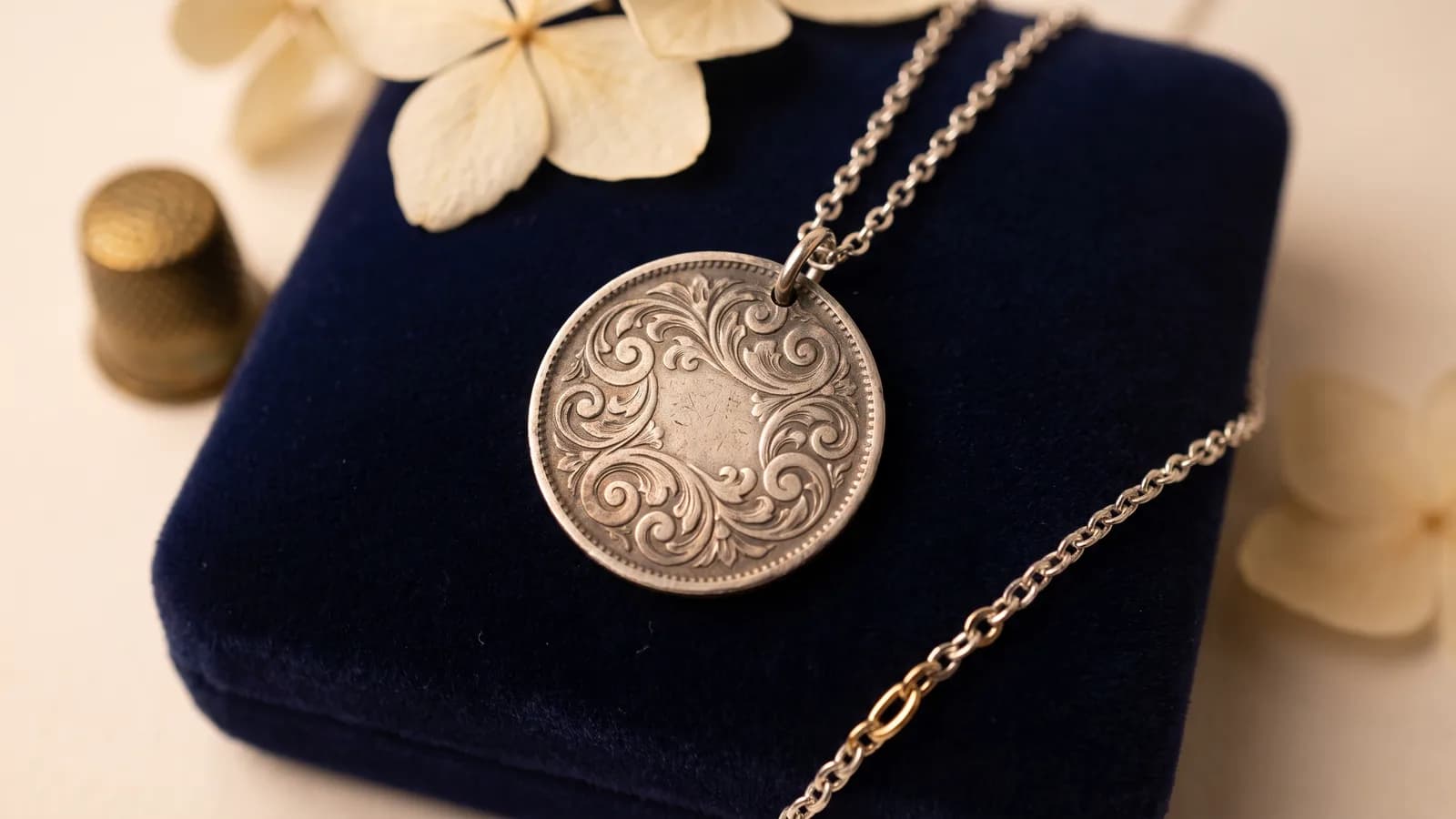
Love Tokens: Hand-Engraved Coins and Their Value
A love token is a coin, classically a dime, smoothed and hand-engraved with initials, a name, or a scene, then kept or worn as jewelry.
By Richard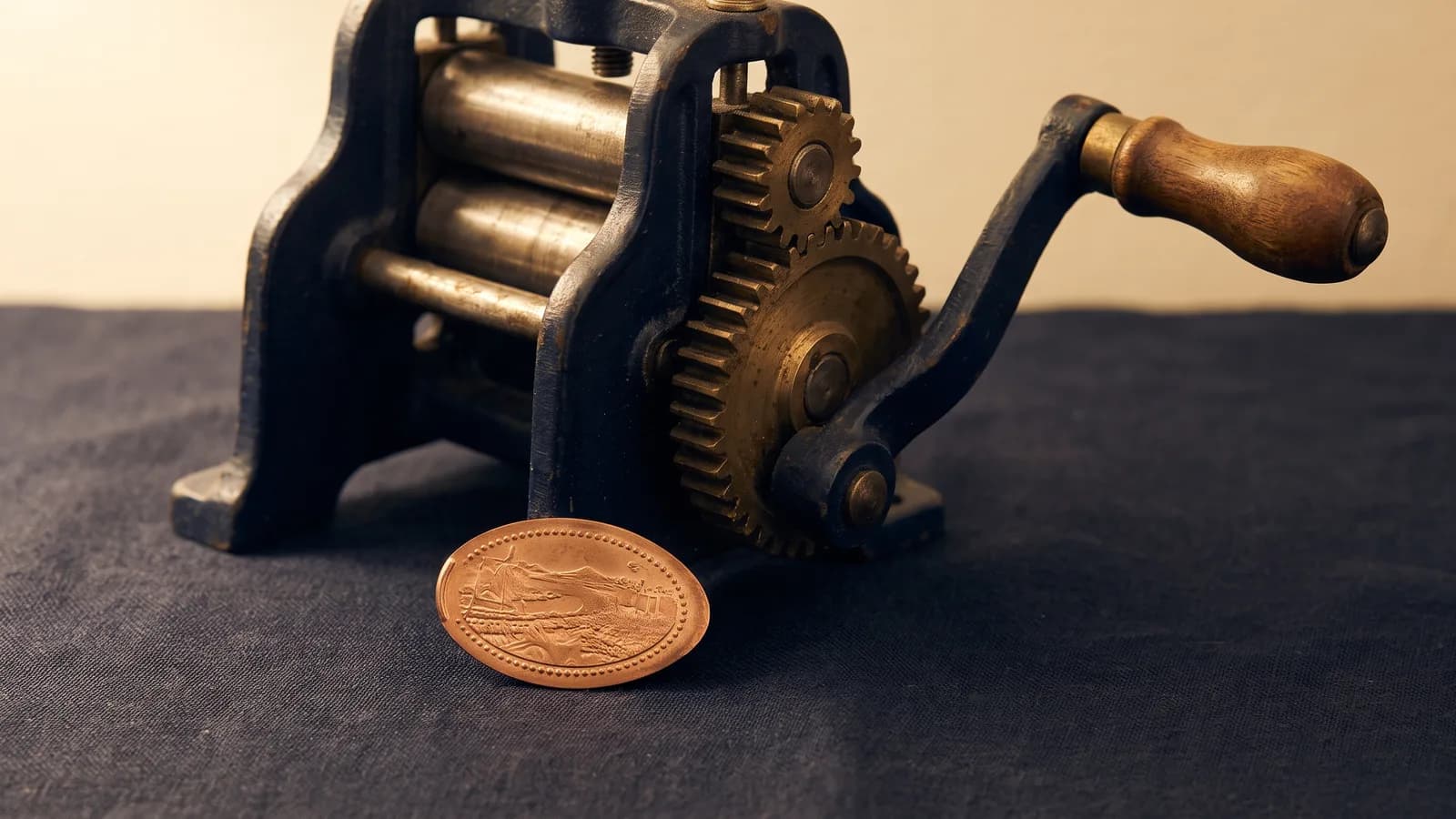
Elongated Coins (Pressed Pennies): History and Collecting
A pressed penny is a coin rolled under heavy pressure through an engraved die that stretches it oval and impresses a souvenir design.
By Richard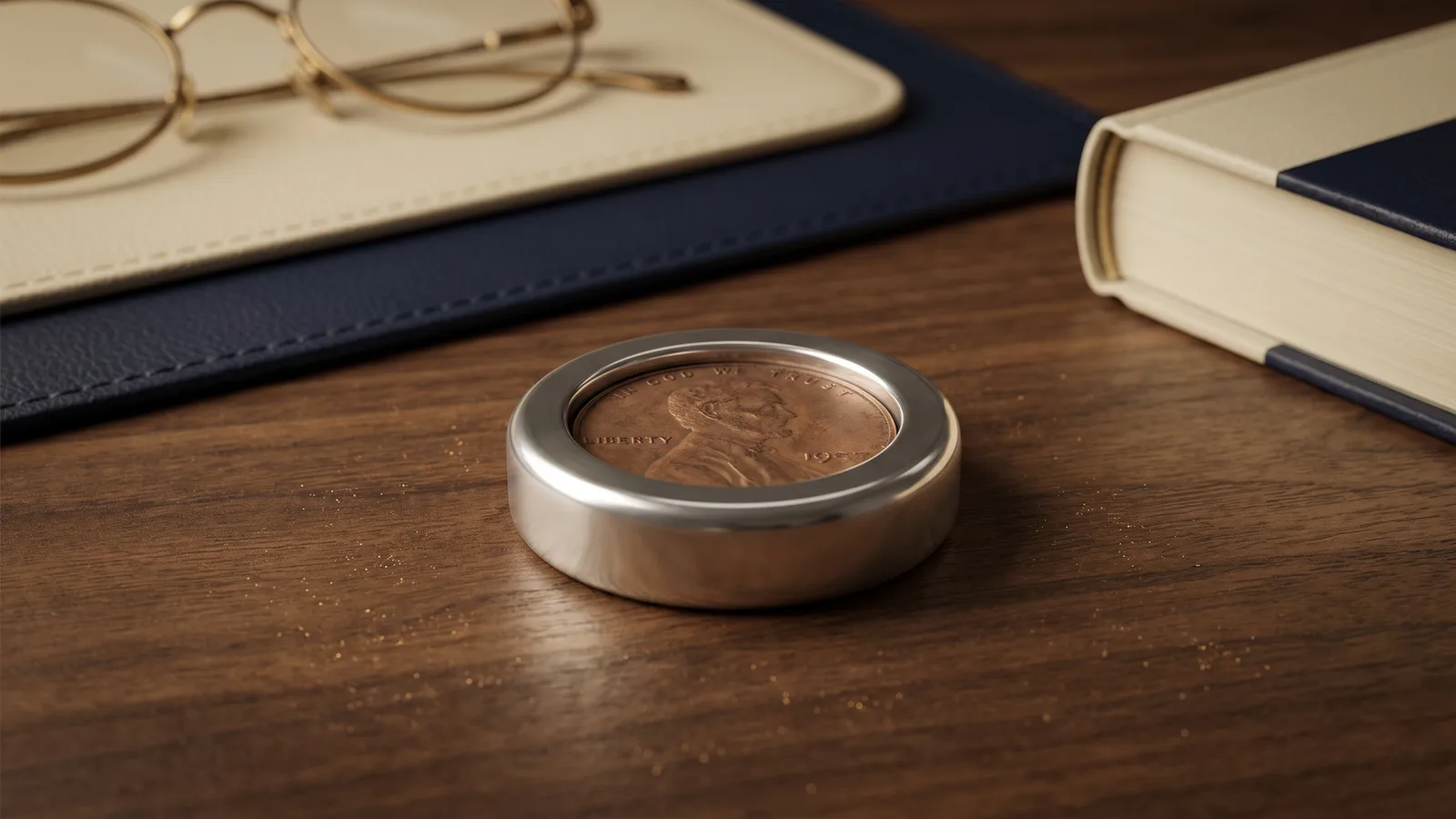
Encased Coins: The 'Keep Me and Never Go Broke' Lucky Penny
An encased coin is a genuine cent held inside a metal ring stamped with a business name and a good-luck slogan, made as advertising from the early 1900s to today.
By Richard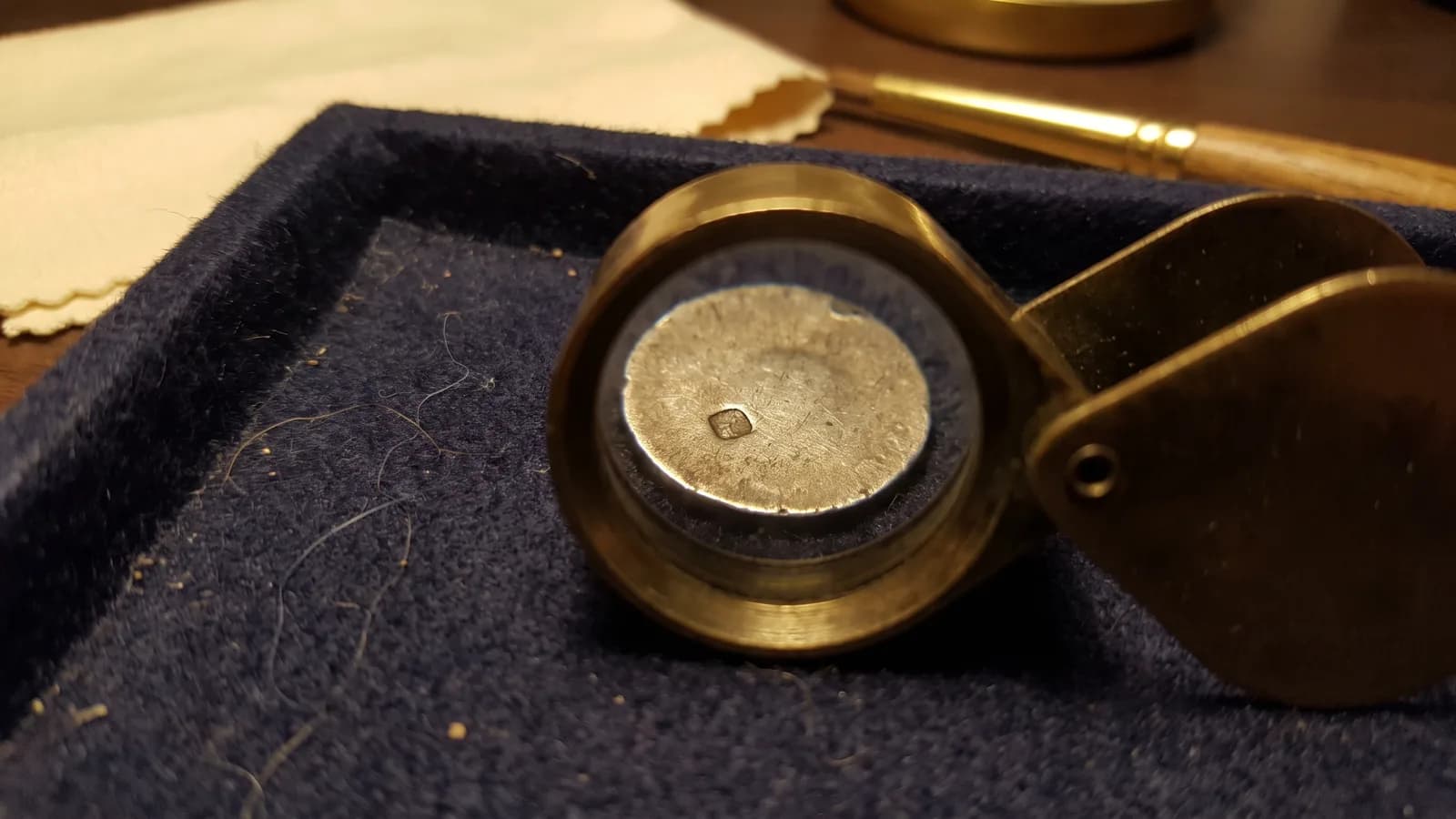
Counterstamped Coins: Merchant Marks and Their Value
A counterstamped coin is a real coin that someone punched with a mark, turning it into a tiny advertisement or a maker's signature.
By Richard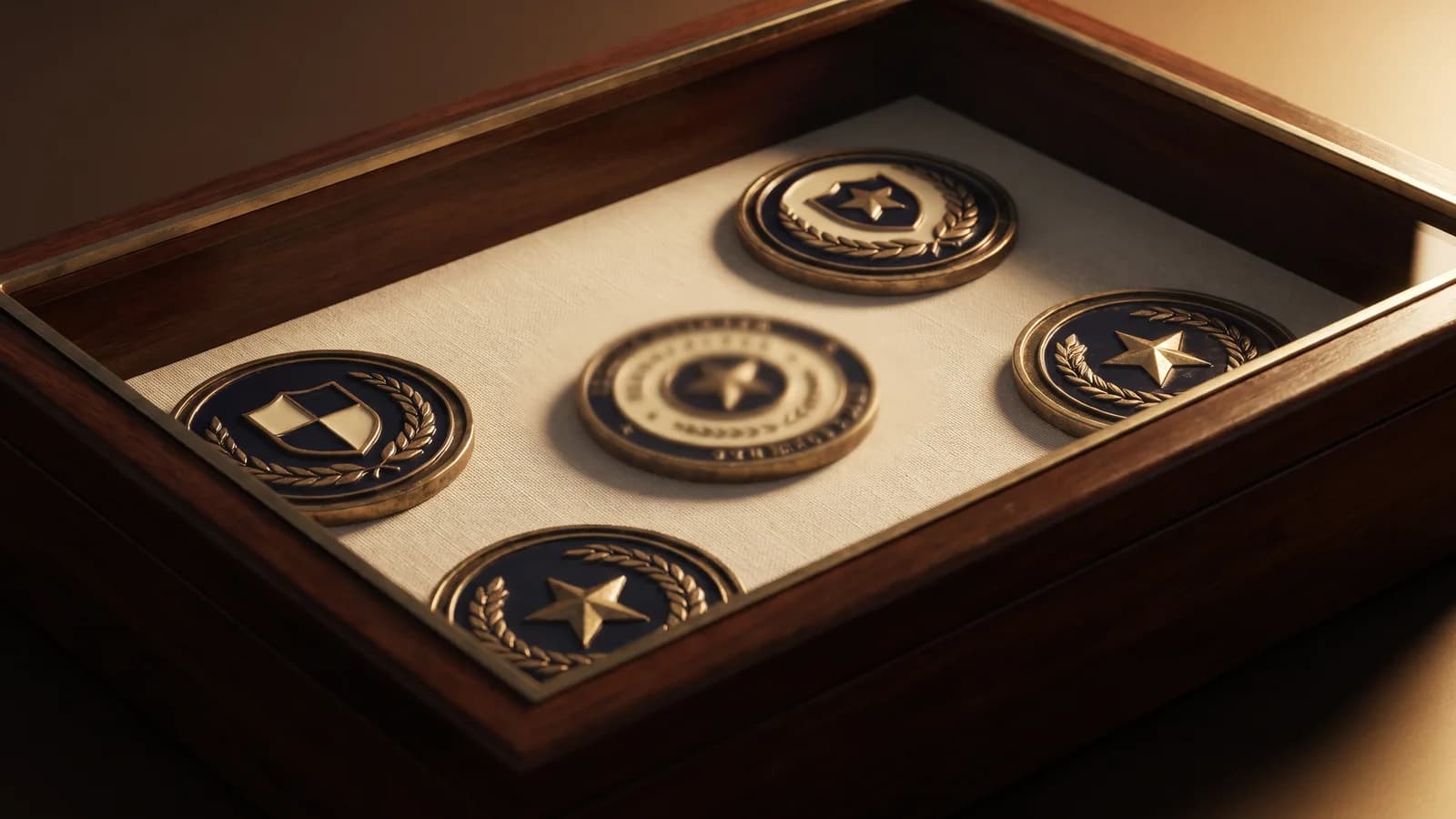
Military Challenge Coins: History, Tradition, and Collecting
A challenge coin is a small medallion bearing a unit's insignia, carried by members, exchanged by handshake, and collected as modern exonumia.
By RichardFor Coin Shop Owners
Own or Manage a Coin Shop?
Claim your listing, update your business details, add specialties, and help collectors find your shop more easily.