
Patriotic Civil War Tokens: Designs, Slogans, and Value
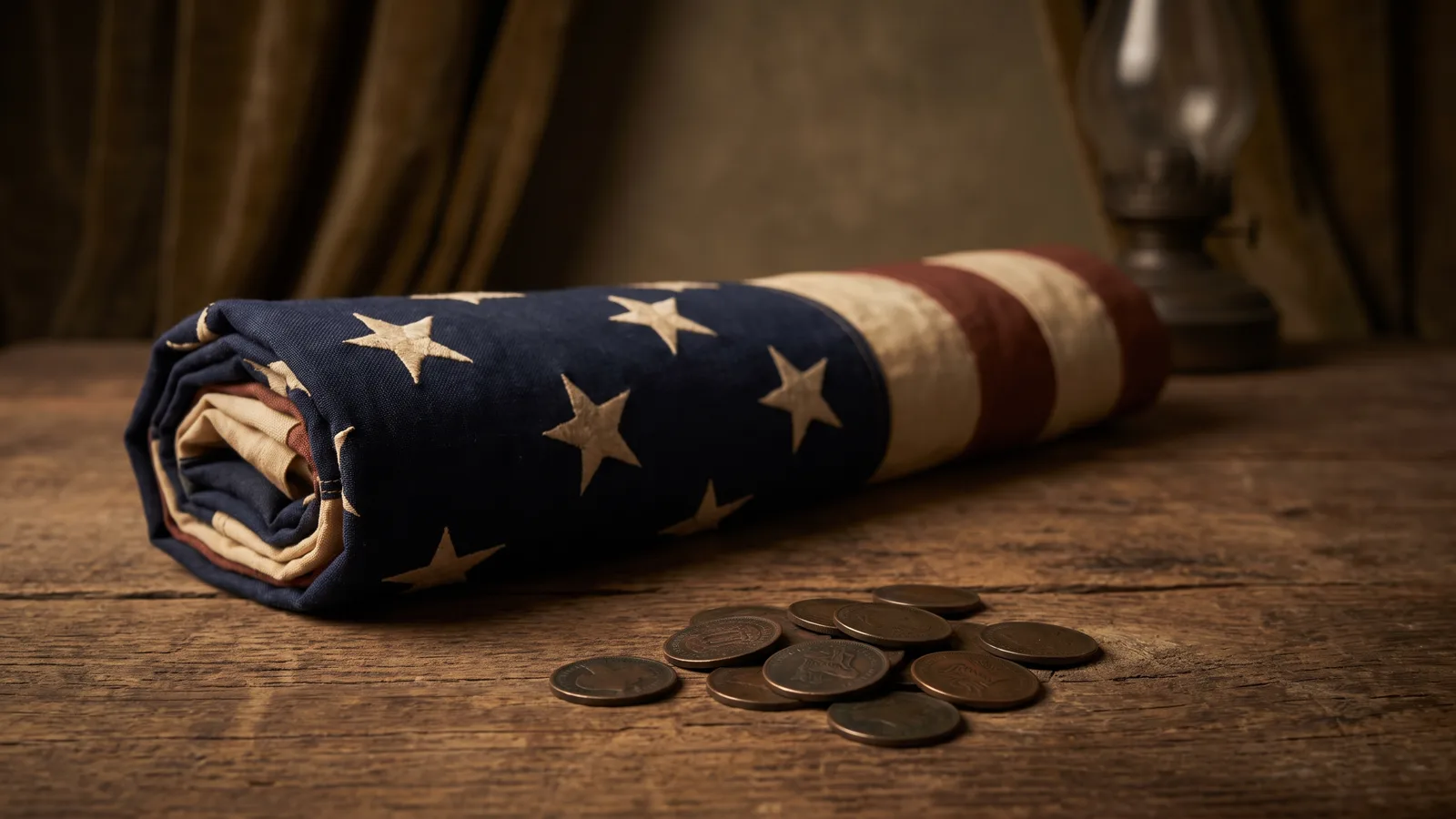
Patriotic Civil War tokens are privately minted cent-sized tokens that carry a patriotic slogan or design and no merchant name. That absence of a business name is the single feature that separates a patriotic token from a store card. Struck mostly in 1863 as small change vanished in the wartime North, common patriotic tokens sell for about $15-$40 in circulated grades today, with more for high grade and full red mint color. This guide covers the designs, the legends, the Fuld numbering, and how to start a collection.
Key takeaways
- A patriotic Civil War token carries a patriotic slogan or design and no merchant name, which distinguishes it from a store card that advertises a business.
- Common patriotic tokens (rarity R-1 to R-3) typically sell for about $15-$40 in circulated grades, with attractive Uncirculated red (RD) examples worth more.
- The Fuld patriotic system numbers each token by obverse die and reverse die plus a metal letter, written like Fuld 207/409a (obverse die 207, reverse die 409, copper).
- Many patriotics read "NOT ONE CENT" so the word NOT gave legal cover against laws barring imitation of federal coin.
- The same die can appear across many different obverse-and-reverse combinations, so attribution by die number matters as much as the design itself.
What Makes a Token Patriotic Rather Than a Store Card
A patriotic Civil War token carries a patriotic slogan or design and does not name any merchant. A store card, by contrast, is a Civil War token that advertises a private business with a merchant name plus a city and state. That one difference, the presence or absence of a business name, is how collectors sort the two most common types apart.
Both types are part of the broader Civil War token story. These were privately struck one-cent-sized pieces, roughly 19mm and mostly copper, that circulated informally at a cent in the North while federal coins were being hoarded. For the full background on why they exist and how they ended, see the pillar Civil War tokens guide.
If you are holding a piece and are unsure which category it falls in, start with the design. No shop name means patriotic. A named business means a store card, covered in our Civil War store cards guide.
The Common Designs and Legends
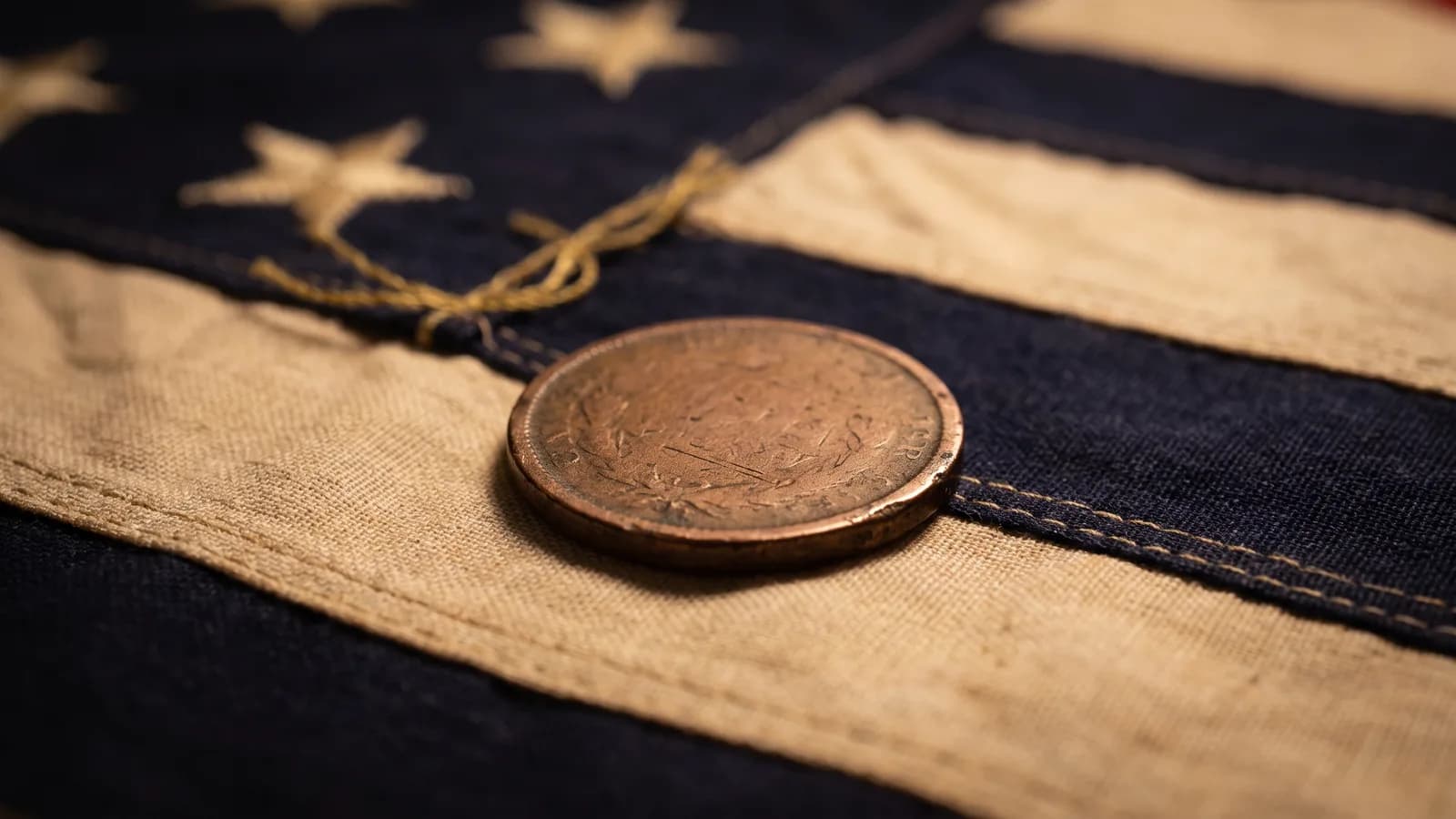
Most patriotic tokens repeat a small set of pro-Union images and phrases. The recurring designs include the American flag, the eagle, an Indian head, a portrait of George Washington, and a cannon. The recurring legends include "The Union Must and Shall Be Preserved," "Union For Ever," and "Not One Cent."
These slogans were the visual language of the wartime North, and die-sinkers mixed and matched them freely. A flag obverse might pair with a wreath reverse reading "Union For Ever," while an Indian head obverse often pairs with a "NOT ONE CENT" reverse. Because the images repeat, learning the handful of core motifs lets you identify most pieces quickly. For a deeper look at the artwork, see our patriotic Civil War token designs breakdown.
One of the most collected slogans is the Dix legend. It comes from John Adams Dix, U.S. Secretary of the Treasury, who in January 1861 ordered agents to shoot anyone who tried to haul down the American flag. That order became a Northern rallying cry and appears on tokens as "IF ANY ONE ATTEMPTS TO TEAR IT DOWN SHOOT HIM ON THE SPOT." A famous blundered die even misspells it "SPOOT." See the full story in our Dix shoot-him-on-the-spot token guide.
The "Not One Cent" Legal Evasion
"NOT ONE CENT" was a deliberate legal dodge. Many tokens looked like the federal cent, and imitating U.S. coin was legally risky, so issuers stamped the words "NOT ONE CENT" on the piece. The word NOT gave legal cover: the token plainly said it was not a cent, even while everyone used it as one.
This legend often sits on a reverse paired with an Indian-head obverse, echoing the look of the contemporary Indian Head cent without claiming to be one. If you collect the small copper coinage of the period, our Indian Head penny value guide covers the federal coin these tokens imitated.
How Fuld Patriotic Numbering Works
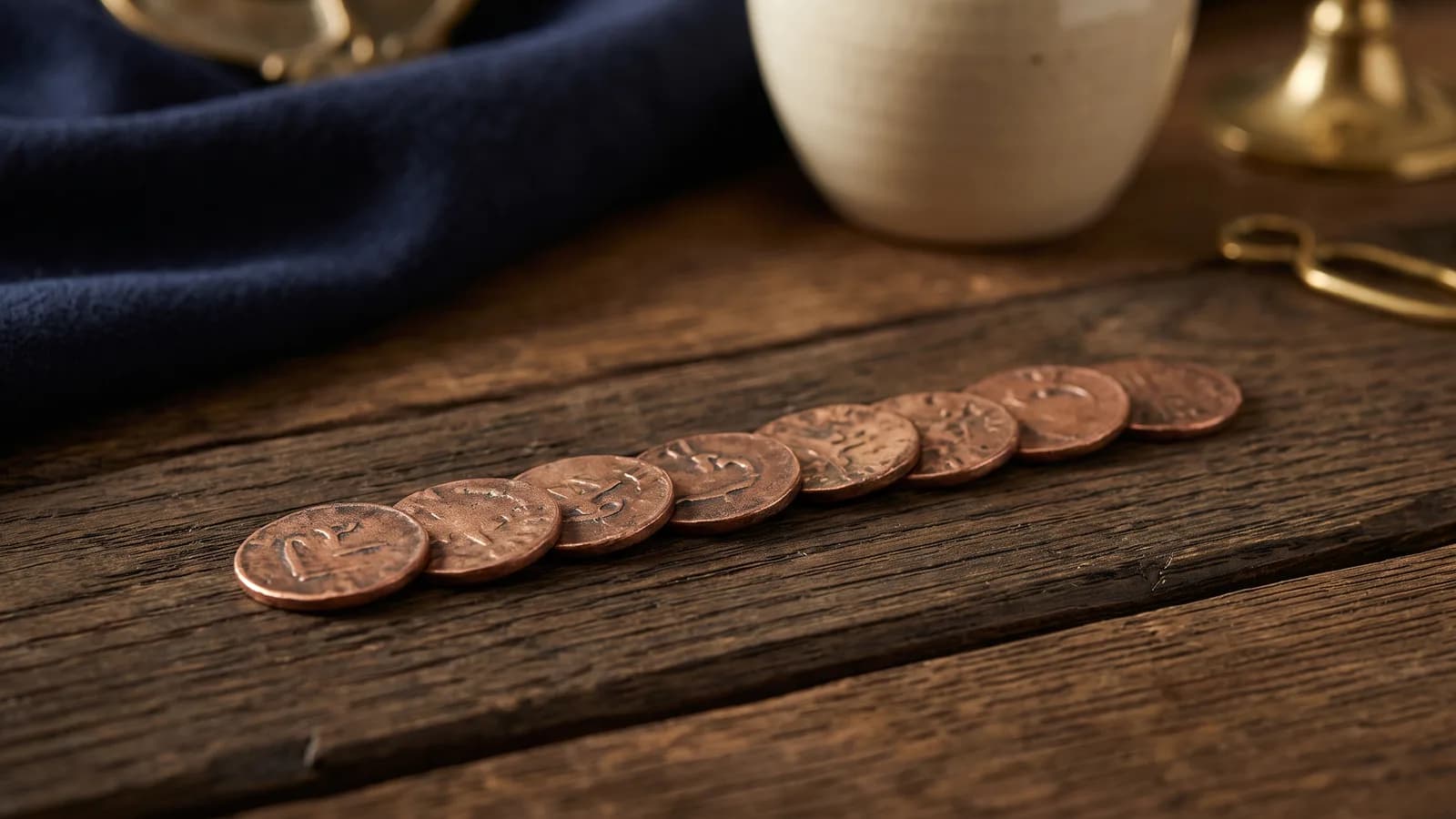
Patriotic tokens are cataloged by the Fuld system, which numbers each piece by its obverse die, then its reverse die, then a letter for the metal. A citation like Fuld 207/409a means obverse die 207, reverse die 409, struck in copper (the letter a).
The metal letters you will see most are a for copper, b for brass, and f for silver, with other letters covering nickel, German silver, white metal, and tin. Because a token is defined by its die pairing, the same obverse die can appear across many different combinations. Obverse die 207 might be paired with a dozen or more reverses, each pairing a separate collectible number. This is why two tokens that look almost identical can carry different Fuld numbers, and why a single-number difference can move a piece from about $50 to several hundred dollars.
The Fuld reference books and the rarity system behind them are maintained by the Civil War Token Society, the specialty club founded in 1967. To practice reading these numbers off an actual piece, see how to identify Civil War tokens.
What Patriotic Tokens Are Worth
Common patriotic tokens are affordable. Pieces in the R-1 to R-3 rarity range typically sell for about $15-$40 in circulated grades. Attractive About Uncirculated and Uncirculated common types run roughly $50-$150, and pieces with full red (RD) original mint color bring the higher end and beyond.
Value climbs sharply with scarcity and with metal. Scarcer die pairings (R-6 and up), off-metal strikes in silver, and popular designs can run into the hundreds or low thousands. True rarities, the R-8 to R-10 pieces where only a handful survive, reach into the thousands at auction. Grading services such as PCGS and NGC certify these tokens and assign the copper color designations (BN brown, RB red-brown, RD red) that drive much of the premium.
Because most patriotics are copper, condition problems specific to copper matter. Corrosion, porosity, cleaning, and environmental damage hurt value more than honest wear does. For grading fundamentals, see coin grading explained.
| Design or legend | Typical rarity | Circulated value (hedged) |
|---|---|---|
| Flag with "THE FLAG OF OUR UNION" | Often R-1 | About $10-$40 |
| Dix "SHOOT HIM ON THE SPOT" | Often R-1 | About $10-$40 |
| "The Union Must and Shall Be Preserved" | Commonly R-1 to R-3 | About $15-$40 |
| Indian head with "NOT ONE CENT" | Commonly R-1 to R-3 | About $15-$40 |
| "Union For Ever" wreath | Commonly R-1 to R-3 | About $15-$40 |
| Scarce die pairings or off-metal | R-6 and up | Hundreds to low thousands |
Patriotics Compared to Store Cards
Patriotics and store cards are priced similarly at the common end but for different reasons. A common patriotic token is common because its die pairing survived in quantity. A store card's value instead tracks the merchant and place: New York City pieces are the most common, while scarce towns and Southern states command large premiums.
For a new collector, patriotics are often the easier entry point. The designs are national rather than local, the numbers are die-based rather than geographic, and there is no need to chase a specific city. Store cards reward collectors who want a hometown connection or a specific trade. Many people collect both, using the pillar Civil War tokens guide to keep the two systems straight.
How to Start Collecting Patriotics
The simplest way to begin is to pick a lane and buy the book. Two popular approaches are collecting by die and collecting by theme. Collecting by die means chasing every reverse paired with a favorite obverse, which turns the Fuld numbering into a checklist. Collecting by theme means gathering a design family, such as every flag type or every Dix variety, regardless of die number.
Whichever path you choose, the standard Fuld patriotic reference pays for itself quickly, because attribution drives value more than eye appeal on these pieces. Start with common R-1 to R-3 examples to learn the designs cheaply, then move to scarcer pairings once you can read the numbers confidently. Background reading like coin collecting for beginners helps if you are new to the hobby.
When you are ready to buy in person or to have a piece attributed, a specialist is worth finding. Browse dealers in the tokens and medals directory, and read more history at the Wikipedia entry on Civil War tokens.
Frequently asked questions
What is the difference between a patriotic token and a store card?+
A patriotic token carries a patriotic slogan or design and names no merchant. A store card is a Civil War token that advertises a private business with a merchant name plus a city and state. The presence or absence of a business name is the deciding factor.
What does a Fuld number like 207/409a mean?+
It identifies the token by die pairing and metal. The first number is the obverse die, the second is the reverse die, and the trailing letter is the metal, with a for copper, b for brass, and f for silver. So 207/409a is obverse die 207, reverse die 409, struck in copper.
Why do some tokens say NOT ONE CENT?+
It was a legal workaround. Many tokens resembled the federal cent, and imitating U.S. coin was legally risky, so issuers added NOT ONE CENT. The word NOT let the piece deny being a cent even while it passed as one.
How much is a common patriotic Civil War token worth?+
Common patriotic tokens in the R-1 to R-3 rarity range typically sell for about $15-$40 in circulated grades. Attractive Uncirculated examples run roughly $50-$150, and full red (RD) pieces bring more. Scarce die pairings and off-metals go into the hundreds or beyond.
Are patriotic Civil War tokens legal to own?+
Yes. Owning and collecting Civil War tokens is legal and always has been. Federal law ended new production of private one-cent tokens during the war, but it never made owning existing pieces illegal. They are collectibles, not legal tender.
Why can two similar-looking tokens have very different values?+
Attribution. The same die can appear in many obverse-and-reverse combinations, so two pieces that look alike may carry different Fuld numbers and different rarities. A single-number difference can move a piece from about $50 to several hundred dollars.