
Civil War Tokens vs. Hard Times Tokens: The Difference
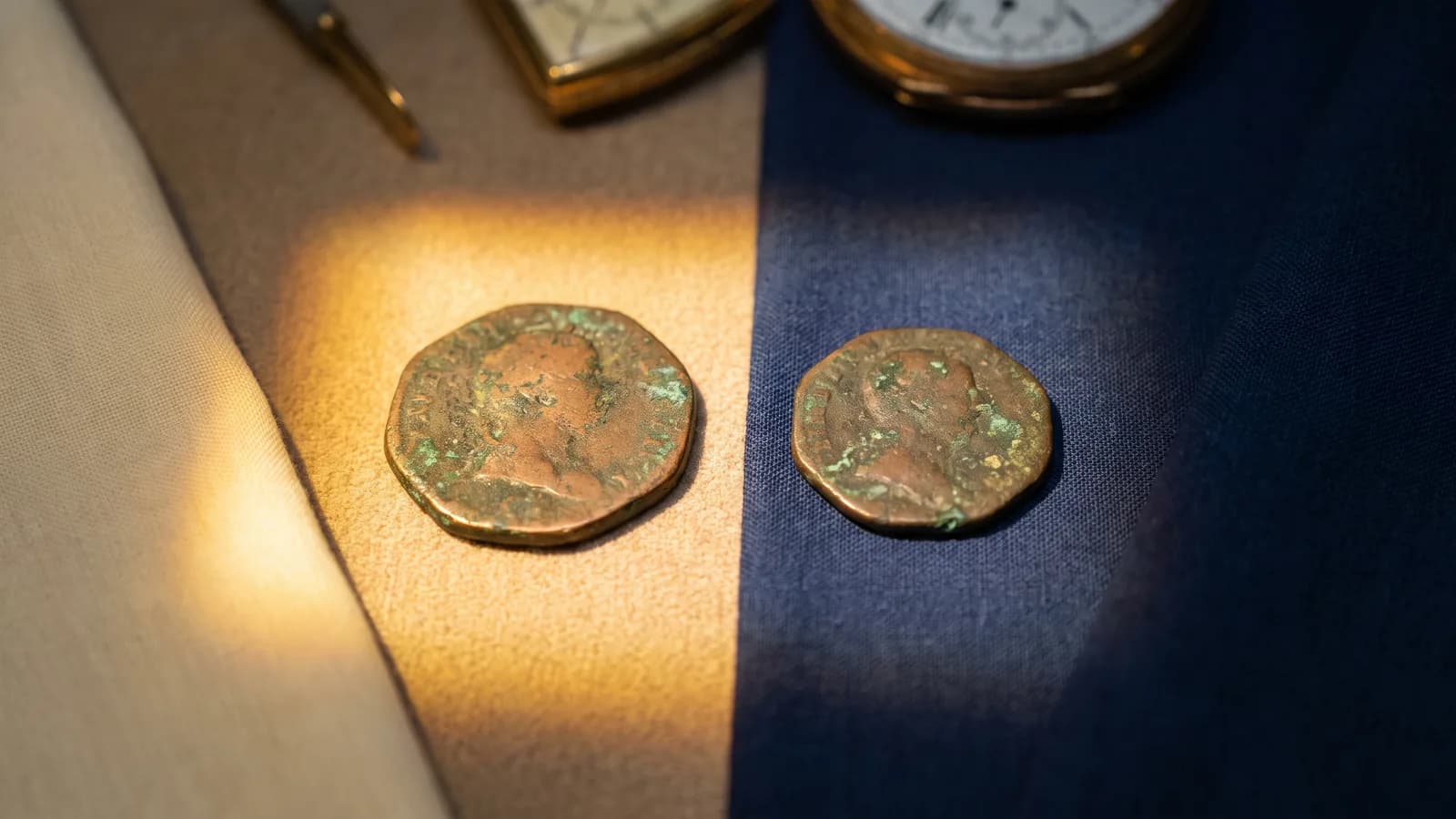
The difference between Civil War tokens and Hard Times tokens is mostly one of era and cause. Both are privately minted, cent-sized copper tokens that circulated as unofficial substitutes for the federal cent during a coin shortage, but Hard Times tokens came first, roughly 1832 to 1844, growing out of Andrew Jackson's war on the Second Bank of the United States and the Panic of 1837. Civil War tokens date from about 1861 to 1864 and came from wartime hoarding. If you understand civil war tokens vs hard times tokens as two answers to the same problem in two different decades, the rest of the distinctions fall into place.
Key takeaways
- Both Hard Times tokens and Civil War tokens are privately made, cent-sized copper pieces that circulated as informal substitutes for the federal cent during coin shortages.
- Hard Times tokens came first, roughly 1832 to 1844, tied to Andrew Jackson's fight over the Second Bank of the United States and the Panic of 1837; Civil War tokens date from about 1861 to 1864.
- Hard Times tokens are cataloged by Low numbers (from Lyman H. Low's 1899 work) and later HT numbers from Russell Rulau; Civil War tokens use Fuld numbers plus the R-1 to R-10 rarity scale.
- Hard Times tokens are the size of the old large cent (roughly 28mm); Civil War tokens match the small cent adopted in 1857 (about 19mm).
- Both series have affordable common pieces and scarce rarities, so many collectors work in both at once.
What Both Series Have in Common
Both are private tokens that stood in for the federal one-cent coin when small change disappeared from circulation. In each case the U.S. Mint could not keep enough cents in people's hands, private die-sinkers filled the gap, and merchants and the public accepted the tokens informally at one cent.
The shared logic matters more than any single design. When gold, silver, and even copper coins get hoarded, commerce stalls because nobody can make change. A cent-sized copper token that everyone treats as a cent keeps a store running. That is the thread connecting the 1830s and the 1860s, and it is why both series sit together in the tokens and medals category rather than with regular federal coinage.
Neither series was legal tender. They were tolerated because they were useful, and both faded once the government restored a reliable supply of small change.
When and Why Each Series Appeared
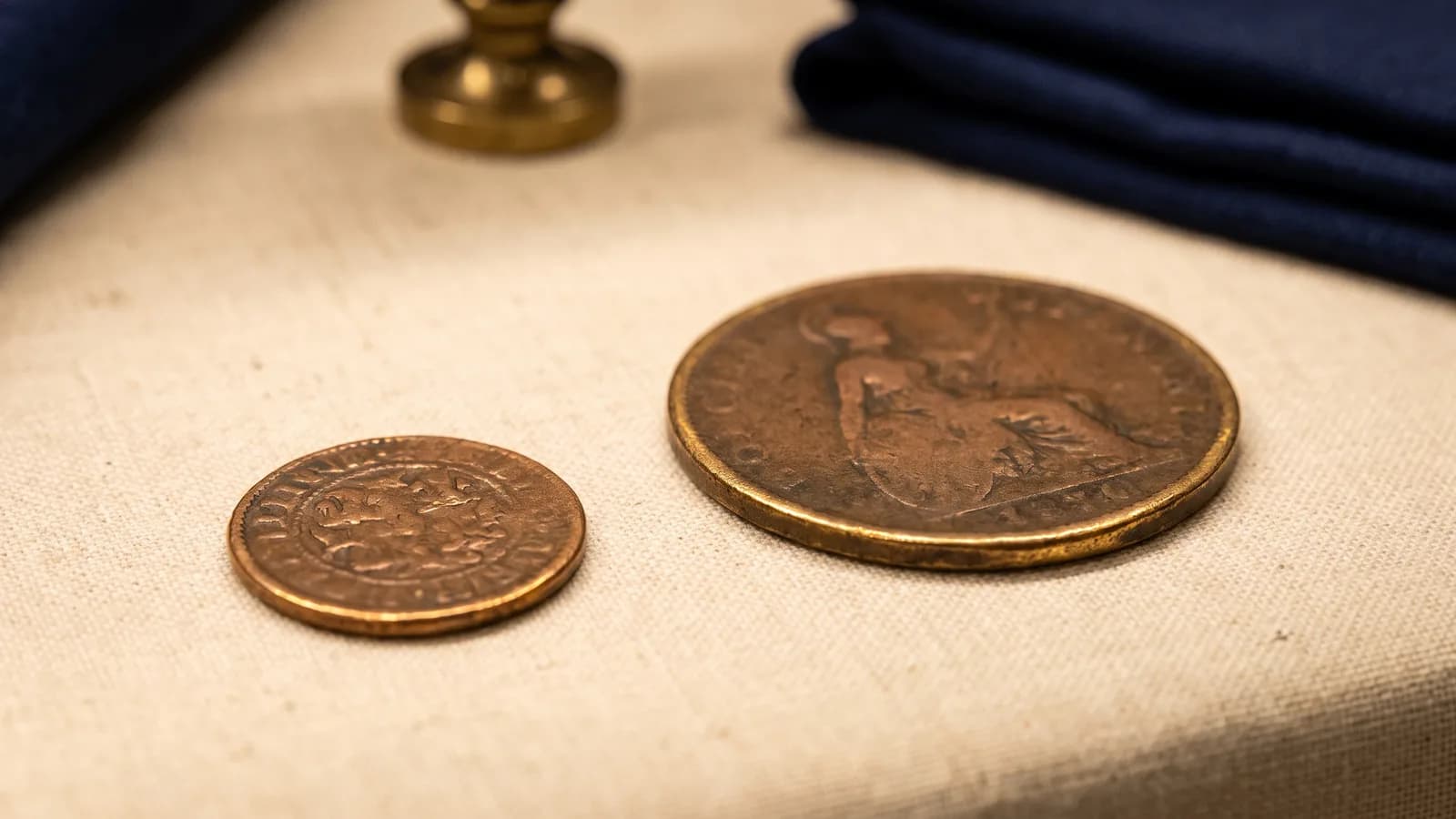
Hard Times tokens run from about 1832 to 1844; Civil War tokens run from about 1861 to 1864. The gap of roughly two decades is the single fastest way to tell the two stories apart.
Hard Times tokens grew out of a political and financial fight. President Andrew Jackson vetoed the recharter of the Second Bank of the United States in 1832 and pulled federal deposits, a struggle known as the Bank War. The instability that followed helped trigger the Panic of 1837, a sharp depression in which banks suspended payments in gold and silver and hard money grew scarce. Private tokens circulated to fill the shortage, and many carried pointed political satire aimed at Jackson, his opponents, or the banking system.
Civil War tokens came from a different shortage. As the war dragged on after 1861, people hoarded coins for their metal, first gold, then silver, then even the small copper-nickel cent. By 1862 and especially 1863, private tokens were struck by the millions to keep everyday trade moving in the North. For the full picture of that period, see the Civil War tokens guide.
Hard Times Tokens vs. Civil War Tokens at a Glance
The table below sums up the practical differences. Treat the values as broad, hedged ranges for common pieces in collectible grades, not quotes for any specific variety.
| Feature | Hard Times tokens | Civil War tokens |
|---|---|---|
| Era | About 1832-1844 | About 1861-1864 |
| Main cause | Jackson's bank war, Panic of 1837 | Coin hoarding during the Civil War |
| Size | Large-cent size (roughly 28mm) | Small-cent size (about 19mm) |
| Catalog system | Low numbers, then HT/Rulau numbers | Fuld numbers plus R-1 to R-10 rarity |
| Main types | Political satire and store cards | Patriotic, store cards, sutler |
| Typical entry value | Roughly $20-$100 circulated | Roughly $15-$40 circulated |
How Hard Times Tokens Are Cataloged
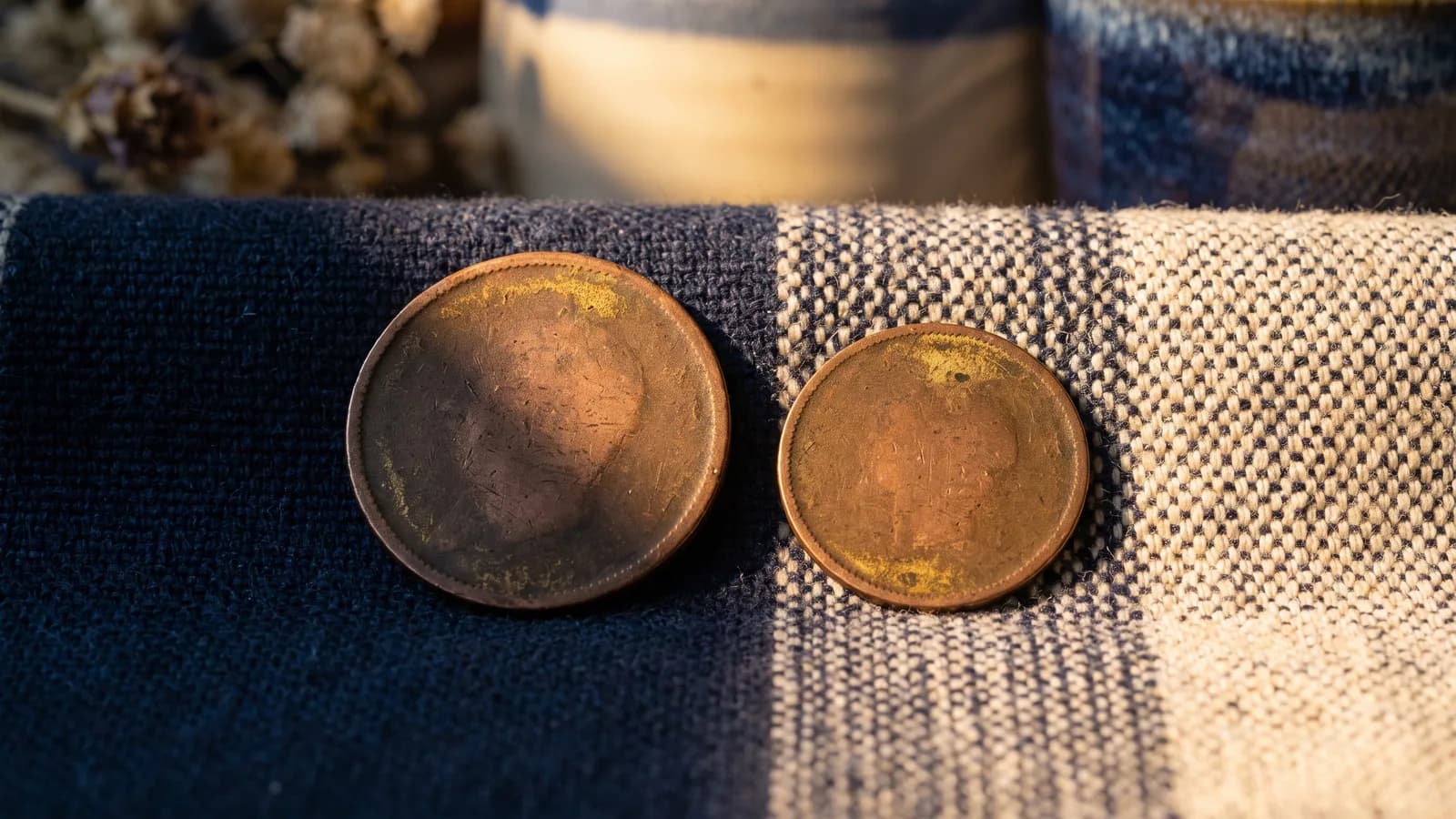
Hard Times tokens are identified by Low numbers and by later HT numbers from Russell Rulau. Lyman H. Low published the foundational reference in 1899, and collectors still cite those Low numbers today.
Russell Rulau later expanded the field in his Standard Catalog of Hard Times Tokens, which built on Low's framework and added die varieties, updated attributions, and pricing. Rulau's catalog lists more than 500 known pieces, so the series is far smaller and more contained than the Civil War field. A dealer describing a Hard Times token will usually give you a Low number, an HT number, or both. For a concise overview of the series, see the Wikipedia entry on Hard Times tokens.
Because the catalog is compact, attribution is more approachable for a beginner. You can often narrow a Hard Times token to a single reference number by its inscription and design alone.
How Civil War Tokens Are Cataloged
Civil War tokens use Fuld numbers, from the reference works of Melvin and George Fuld, together with a rarity scale that runs from R-1 to R-10. This is a larger and more granular system than the Hard Times catalog.
Patriotic tokens get a die-pair number such as Fuld 207/409a, where the numbers identify the obverse and reverse dies and the letter shows the metal. Store cards get a geographic code such as NY-630-BD, which encodes state, city, and merchant. The R-1 to R-10 scale then estimates how many survive, from R-1 (more than 5,000 known) down to R-10 (unique). A single Fuld-number difference can move a common token into scarce territory, so attribution drives value. To practice reading these markings, see how to identify Civil War tokens.
The Civil War field is also much bigger, with roughly 7,000 to 8,000 or more varieties across all types, compared with a few hundred Hard Times listings.
The Sub-Types Within Each Series
Each series breaks into a small number of recognizable sub-types. Learning them is the fastest way to know what you are holding.
Hard Times tokens split mainly into two groups. Political and satirical pieces carry slogans and cartoons about Jackson, the bank, and the economy. Store cards, also called shop cards, advertise a private business with its name and city. A store card is a token that doubles as a merchant advertisement, and the idea carried straight into the next generation.
Civil War tokens have three sub-types. Patriotic tokens carry a slogan or design and no merchant name. Store cards advertise a specific business, and you can go deeper in the Civil War store cards guide. Sutler tokens were issued by merchants attached to army regiments and are by far the rarest type. Notice that store cards appear in both series, which is one reason the two fields feel related.
What Are They Worth?
Both series offer affordable common pieces and expensive rarities, so there is no single price for either one. As a rough guide, common Hard Times tokens in circulated grades often run from about $20 to $100, and common Civil War patriotic tokens run about $15 to $40 in circulated grades.
From there, scarcity, condition, and attribution take over. Attractive Uncirculated common Civil War tokens often run about $50 to $150, more with full red copper color, and scarce varieties, off-metal strikes, sutler tokens, or sought-after store cards can reach the hundreds or low thousands. Hard Times rarities and popular satirical types climb similarly, into the hundreds or beyond for the best pieces. Because copper color and surface quality swing prices sharply, both series are usually graded by PCGS or NGC.
For a general framework on what sets any coin's price, see how coin prices are determined. When you are ready to buy or sell, a numismatic appraiser or established dealer can confirm attribution before money changes hands.
Which Should You Collect, and Why Collectors Cross Over
There is no wrong choice, and many collectors do not choose at all. Both series reward patience with history, both have common pieces you can buy for the price of a modern gift, and both have rarities that keep advanced specialists busy for years.
If you like tight, catalog-able sets and pointed political history, Hard Times tokens offer a compact field of a few hundred pieces. If you prefer variety, regional store cards, and a deep rarity scale, Civil War tokens give you thousands of options. Because both are cent-sized copper substitutes born of coin shortages, the collecting skills transfer directly, which is why so many people who start with one drift into the other. For historical context on the federal coins these tokens imitated, the large cents and half cents guide is a useful companion. The Civil War Token Society is the specialty club and reference source for the later series.
Whichever you choose, buy the piece and the attribution, not just the story. A correctly identified common token is a better foundation than an unattributed bargain.
Frequently asked questions
Are Civil War tokens and Hard Times tokens the same thing?+
No. They share the same idea, private cent-sized substitutes for the federal cent during a coin shortage, but Hard Times tokens date from about 1832 to 1844 and Civil War tokens from about 1861 to 1864. They come from different crises and use different catalog systems.
Which came first, Hard Times tokens or Civil War tokens?+
Hard Times tokens came first, by roughly two decades. They circulated during the Jacksonian era and the Panic of 1837, while Civil War tokens appeared during the war in the early 1860s.
How can I tell them apart by size?+
Hard Times tokens are the size of the old large cent, roughly 28mm, because the large cent was still in use when they circulated. Civil War tokens match the small cent adopted in 1857 and are about 19mm across.
How are the two series cataloged?+
Hard Times tokens use Low numbers from Lyman H. Low's 1899 reference and later HT numbers from Russell Rulau. Civil War tokens use Fuld numbers along with the R-1 to R-10 rarity scale.
Are these tokens legal to own?+
Yes. Owning and collecting both Hard Times tokens and Civil War tokens is legal. Neither is legal tender, and both are collected purely as historical numismatic items.