
Questions to Ask Before Buying Gold or Silver
Buying physical precious metals is straightforward once you know what to ask. The goal is simple: own genuine metal at a fair cost over spot, from a dealer who'll buy it back fairly later. These questions get you there.
Key takeaways
- Every bullion product sells above spot — ask for the all-in price and compare it to live spot so the premium is obvious.
- Favor established dealers and recognized sovereign-mint or major-refiner products; a price well below normal premiums is a warning sign.
- Before buying, ask what the dealer would pay to buy the same item back — a tight buy/sell gap signals a fair, liquid market.
- Decide on storage (home safe vs. depository) before you buy, and keep receipts and documentation to make resale smoother.
What should I know before buying gold or silver?
Buying physical metal comes down to four questions: what you're paying over spot, whether it's genuine, what the dealer will pay to buy it back, and how you'll store it. Get clear answers to those and you'll buy well.
The aim is simple — own genuine metal at a fair cost over the spot price, from a dealer who'll buy it back fairly later. If you're weighing bullion against collectible coins first, see coin shop vs. bullion dealer.
Coins, rounds, or bars — which should I buy?
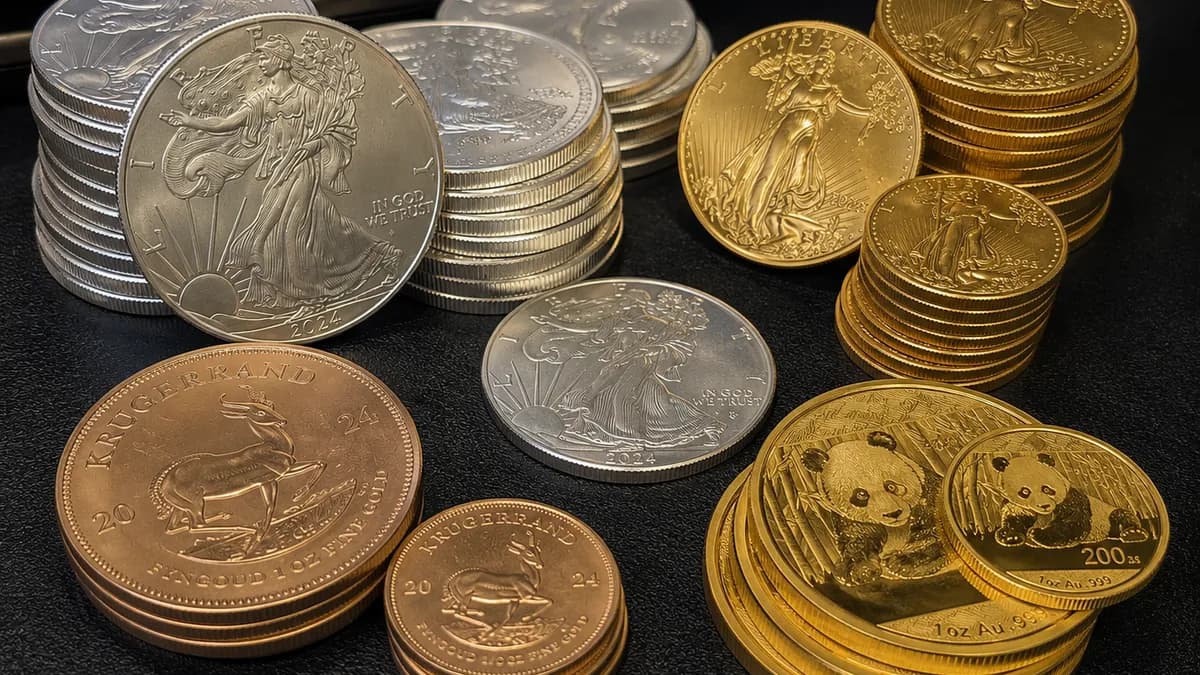
All three are good ways to own metal; they differ in premium and how easily they're recognized. The table sums up the trade-offs.
| Format | Premium over spot | Best for |
|---|---|---|
| Government coins (Eagles, Maples) | Highest | Recognizability and resale |
| Private rounds | Low | More metal per dollar |
| Bars | Lowest (esp. larger) | Stacking weight efficiently |
How do I know the metal is genuine?
Buy from established dealers and favor recognized products — sovereign-mint coins and bars from well-known refiners are easiest to authenticate and resell. The U.S. Mint details the specs of American Eagles and Buffalos, which helps you spot a fake.
Reputable shops test metal and stand behind what they sell. Be wary of deals well below normal premiums; if a price seems too good, the metal may not be what it claims.
What will the dealer pay to buy it back?
Liquidity matters as much as the buy price. Before buying, ask the dealer what they'd pay to buy the same item back today. A tight gap between their sell and buy prices signals a healthy, fair market in that product; wide spreads — or no buyback at all — are a reason to reconsider.
How and where should I store it?
Physical metal needs safekeeping. Decide between a home safe and a bank or third-party depository before you buy, and factor any storage cost into the decision. Keep receipts and product documentation — they make eventual resale smoother.
Once you own metal, track your whole position's live value with the Stack Tracker.
Do I owe tax when I buy or sell bullion?
Buying bullion is generally not a taxable event, but selling at a profit can be — physical gold and silver are usually treated as collectibles for capital-gains tax. Rules and reporting thresholds change, so check current guidance at IRS.gov or with a tax professional before a large sale.
Keep your purchase records either way; a clear cost basis makes any future sale simpler.
Frequently asked questions
Are coins or bars better for buying silver?+
Bars and generic rounds carry lower premiums per ounce, so you get more metal for your money. Government coins like Eagles cost more but are the most recognizable and liquid. Many buyers hold a mix.
What's a reasonable premium over spot?+
It varies with product and market conditions. Generic rounds and bars carry the smallest premiums; sovereign coins carry more. Compare the all-in price to live spot and shop a couple of dealers to gauge what's fair right now.
Should I buy graded bullion coins?+
For pure metal exposure, no — you're paying extra for the grade, not more metal. Graded bullion makes sense only if you specifically want the collectible angle.
Is buying gold or silver reported to the government?+
Routine retail purchases generally are not reported. Certain sales and large cash transactions can trigger reporting, and selling at a profit may be taxable. Check current IRS rules or a tax professional for your situation.