
Coin Shop vs Bullion Dealer: What's the Difference?
“Coin shop” and “bullion dealer” are often used interchangeably, and many businesses are both. But they emphasize different things, and knowing which side of the counter you need saves money and time — especially when you're investing rather than collecting.
Key takeaways
- A coin shop prices items on rarity, condition, and demand; a bullion dealer prices them on metal content plus a premium over spot.
- Use a coin shop to build a collection, chase a date, or get a coin graded; use a bullion dealer to stack metal at a low cost over spot.
- The two overlap on bullion coins and 90% 'junk' silver — what matters is whether your item is valued on rarity or on metal.
- Selling a mixed inherited lot may need both, or an estate buyer who can value numismatic and bullion items together.
What's the difference between a coin shop and a bullion dealer?
A coin shop prices items on rarity, condition, and collector demand; a bullion dealer prices them on metal content plus a premium over the live spot price. That single difference — value from rarity versus value from metal — drives everything else.
Many businesses do both, but they lean one way. The table below shows where each one fits.
| Coin shop | Bullion dealer | |
|---|---|---|
| Prices on | Rarity, grade, demand | Metal weight + premium over spot |
| Best for | Collecting, key dates, graded coins | Stacking metal as an investment |
| Typical stock | Rare and type coins, currency, tokens | Gold/silver coins, rounds, bars |
| Selling here when | Your item has collector value | Your item is valued for its metal |
What does a coin shop do?
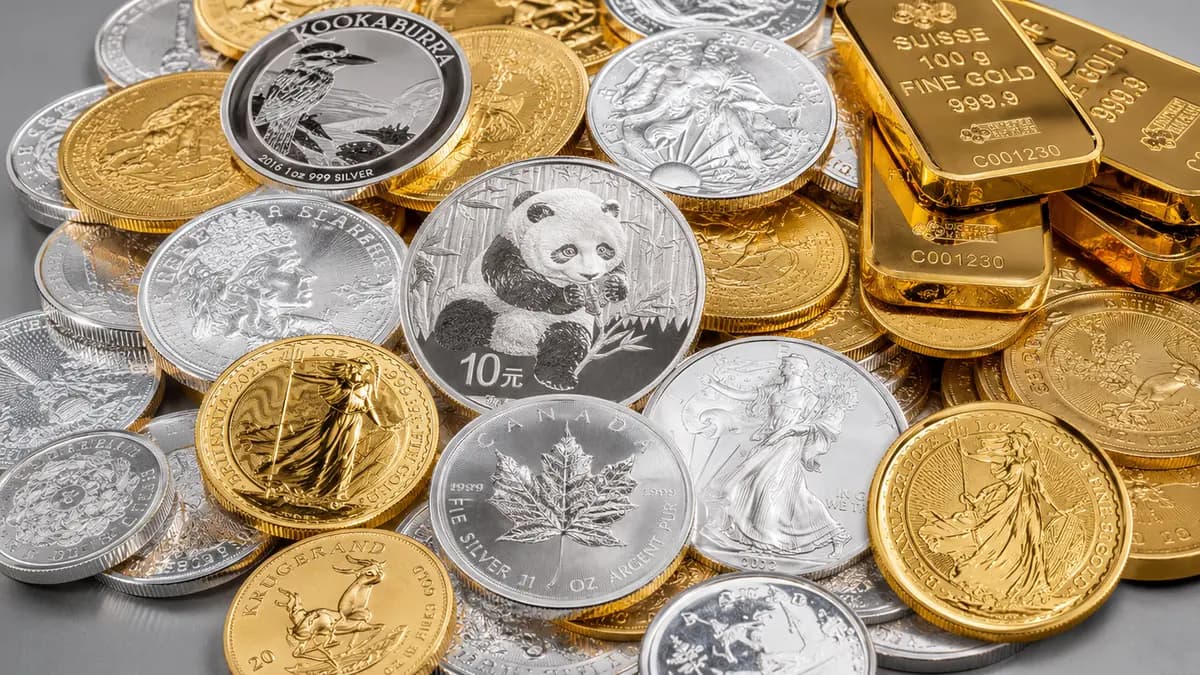
A coin shop deals in numismatics — coins valued for rarity, condition, history, and demand, not just metal content. That includes key dates, certified coins, type sets, world and ancient coins, currency, and tokens. Pricing reflects collector demand and grade, so two coins of identical metal weight can be worth wildly different amounts.
Coin shops are where you go to build a collection, chase a specific date or variety, get a coin graded, or sell collectible pieces for more than their melt value. Our guide on what your coins are worth covers how that value is set.
What does a bullion dealer do?
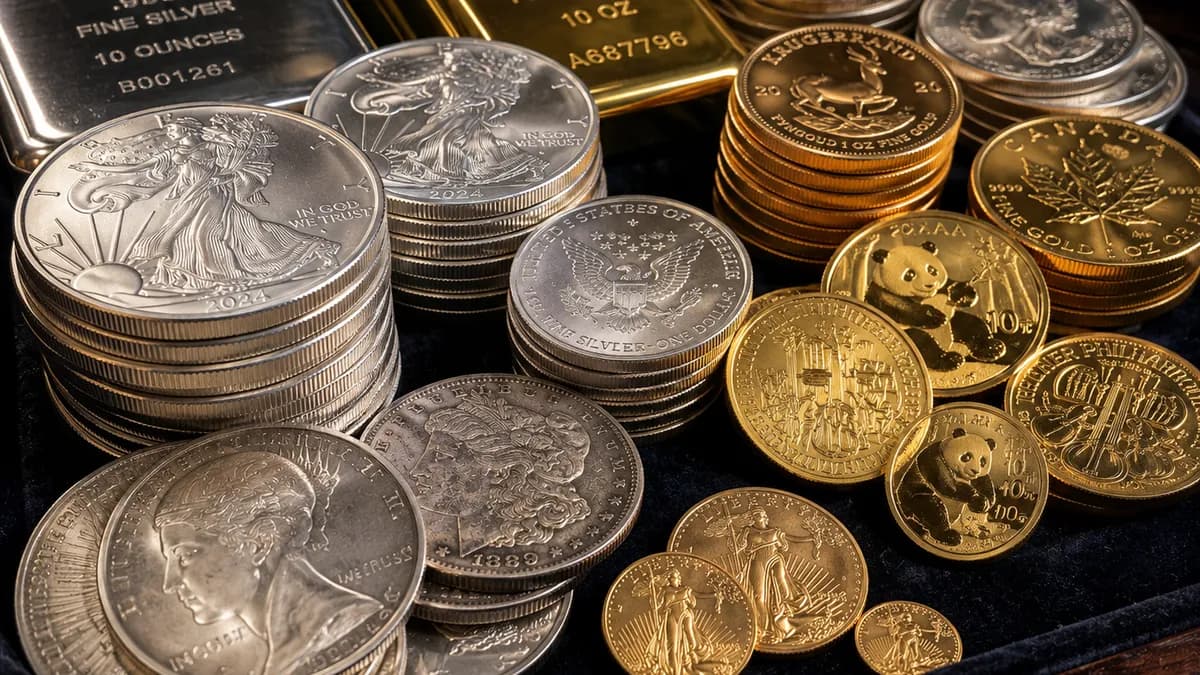
A bullion dealer trades primarily on metal content. Gold, silver, platinum, and palladium — as coins, rounds, and bars — are priced off the live spot price plus a premium. Spot is the current market price of the raw metal, set on exchanges and benchmarked by bodies like the LBMA.
The focus is investment: stacking ounces at the lowest reasonable cost over spot, and selling them back near spot later. If your goal is to own physical metal as a store of value, a bullion-focused dealer with tight, transparent spreads usually serves you better than a collector-oriented shop.
Where do coin shops and bullion dealers overlap?
The line blurs with bullion coins like American Eagles, which carry a modest collector premium, and with junk silver — pre-1965 U.S. 90% silver coins that sell for their silver content at either type of business. The practical question isn't the label on the door; it's whether the business prices your item on rarity or on metal.
Which one should you use?
Collecting, selling rare coins, or getting something graded? Start with a coin shop or rare coin dealer. Buying metal as an investment, or selling bullion and scrap? Start with a bullion dealer. Selling a mixed inherited collection? You may need both — or an estate buyer who can value numismatic and bullion items together; our guide on selling a coin collection covers that path.
Check an item's melt value before you sell, and use the Stack Tracker to value an entire bullion position at once.
How do I tell which one my item needs?
Ask one question: is this worth more than its metal? If a coin is a common date in worn condition, it's a metal item — a bullion dealer or any shop will pay its melt. If it's an older, scarce, or high-grade coin, it may carry collector value, so a coin shop that prices on rarity will likely beat a pure melt offer.
When in doubt, take it to a coin shop first. They can tell you whether it's numismatic or metal, and you've lost nothing. Before buying physical metal, our questions to ask before buying gold or silver is a useful checklist.
Frequently asked questions
Is a bullion coin a collectible or an investment?+
It can be both. A common-date American Silver Eagle trades mostly on silver content with a small premium, while a low-mintage or graded Eagle can carry a real collector premium. For most stackers, treat bullion coins as metal first.
Will a bullion dealer pay extra for a rare coin?+
Usually not — a pure bullion buyer may only offer melt. If you suspect a coin has numismatic value, take it to a coin shop or rare coin dealer so it's valued on rarity, not just metal.
Is junk silver bought by coin shops or bullion dealers?+
Both. Pre-1965 U.S. 90% silver coins are valued for their silver content, so coin shops and bullion dealers alike will buy them near melt. Compare a couple of offers and confirm the price tracks current spot.
Can one business be both a coin shop and a bullion dealer?+
Yes — many are. The label matters less than how they price a given item. Ask whether they're valuing your coin on rarity or on metal, and you'll know which hat they're wearing.