
Are Commemorative Coins Worth Anything? Modern vs. Classic
"Commemorative coin" covers an enormous range — from the classic 1892 Columbian Exposition half dollar (a genuine rarity worth $25–$300+ depending on condition) to a $39.99 colorized coin sold on a home shopping network (worth about 25 cents on the secondary market). The word "commemorative" itself tells you almost nothing about value. What matters is whether the coin is a genuine, limited-mintage U.S. Mint issue or a mass-produced novelty product. This guide covers how to tell the difference.
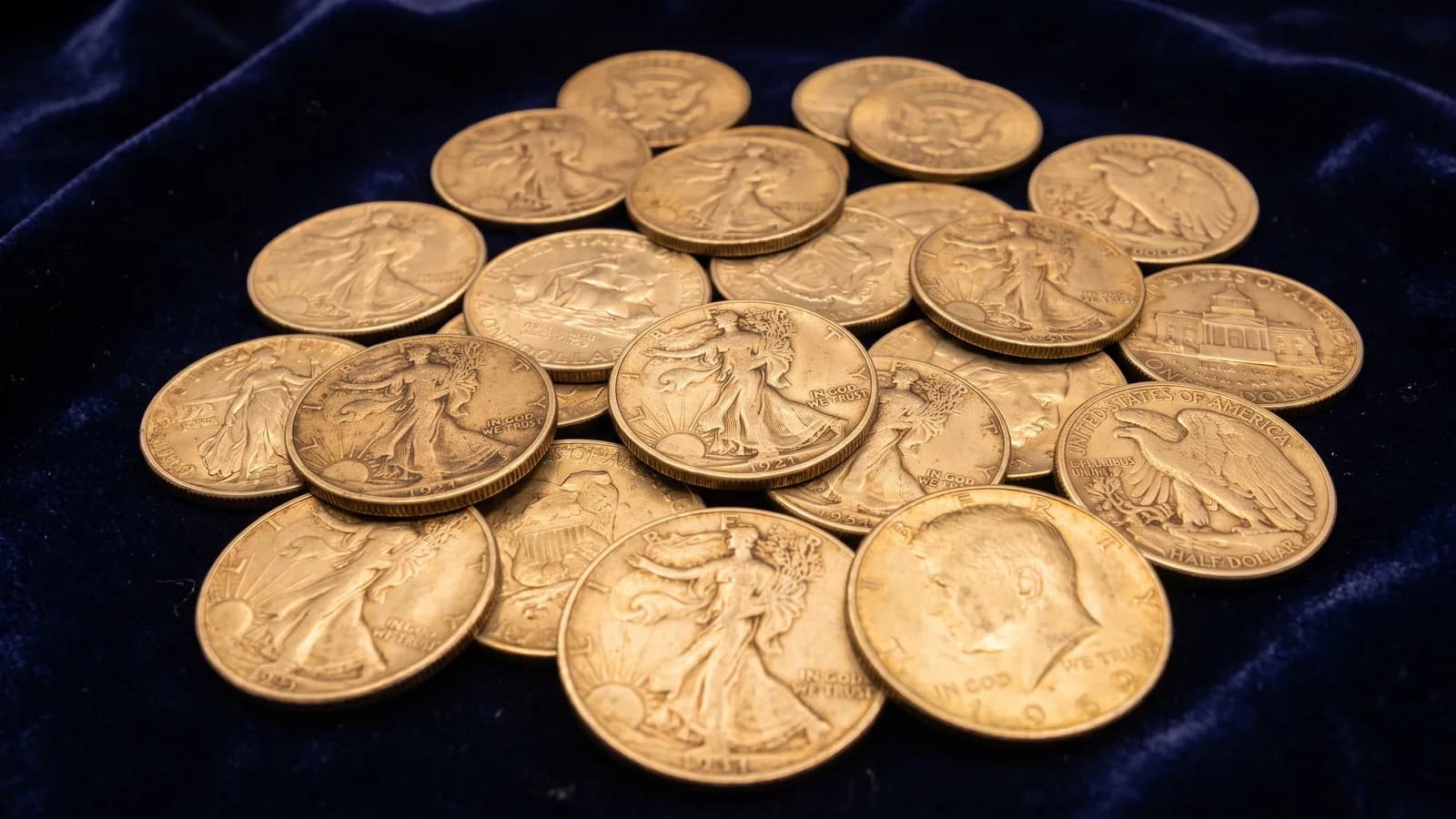
Key takeaways
- Classic U.S. commemoratives (1892–1954) were struck in limited quantities and can have genuine numismatic value, from $30 to several thousand dollars.
- Modern U.S. commemoratives (1982–present) were often struck in the millions and typically sell near face value or silver/gold melt on the secondary market.
- "Collector edition" coins from television, home shopping, and direct mail are typically sold at 3–10× their actual market value — avoid them as investments.
- The most valuable classic commemoratives are those with low mintages, historical significance, and strong collector demand.
- Before selling an old commemorative coin, have it identified — it may be a classic issue worth researching carefully.
Classic U.S. Commemoratives (1892–1954): The Valuable Category
Congress authorized a series of silver half dollars and gold dollars from 1892 to 1954 commemorating specific events and themes: the Columbian Exposition (1892–1893), the Panama-Pacific Exposition (1915), the 1921 Alabama Centennial, and dozens more through 1954. These were sold to the public through sponsoring organizations at a modest premium over face value, with limited production authorized.
Unlike circulation coinage, these were collector items from the moment they were issued. Mintages ranged from a few thousand to a couple hundred thousand pieces per issue — genuinely limited compared to regular coinage. Today, classic commemoratives in common dates in Very Fine to Extremely Fine condition sell for $30–$200; scarce varieties and high-grade examples bring considerably more.
What Classic Commemoratives Are Worth the Most?
Among classic commemoratives, low-mintage issues with strong historical connections command the most. The 1915-S Panama-Pacific Exposition $50 gold piece (round or octagonal) — the largest U.S. gold coin ever issued for public sale — is worth tens of thousands in any grade. The 1921 Missouri Centennial half dollar with the "2★4" privy mark, the 1928 Hawaiian Sesquicentennial, and several Battle of Antietam issues have limited surviving populations and active collector demand.
A useful reference: the Red Book ("A Guide Book of United States Coins" published annually) lists mintages and retail values for all classic and modern commemoratives. It is widely available and an essential reference for anyone researching a commemorative coin's value.
Modern U.S. Commemoratives (1982–Present): A Different Story
Congress resumed the U.S. commemorative coin program in 1982 after a 28-year gap. Modern commemoratives are struck in silver ($1, 90% silver) and gold ($5, .900 fine) and sold by the Mint at premiums above face value. Unlike classic commemoratives, modern issues often have mintages in the hundreds of thousands and were aggressively marketed to collectors.
The secondary market for most modern commemoratives is weak — many issues sell for melt (silver or gold content) plus a small premium, or sometimes at a discount to issue price. Some low-mintage issues (like the 1996 Smithsonian Institution $5 gold or 1996 rowing silver dollar) have genuine secondary market demand, but these are exceptions.
The TV/Shopping Channel Trap
An enormous category of "commemorative" coins has nothing to do with the U.S. Mint. These are products sold by private companies through television, direct mail, and online advertisements, typically featuring: colorized U.S. coins (quarters, dollars), gold-plated coins, "mint-issued" coins from obscure foreign countries with minimal connection to the theme, and elaborate packaging presented as part of the value.
These products are sold at $20 to $150 each for items worth $0.25 to $5 at any coin dealer. Their secondary market value is essentially zero above metal content or face value. The American Numismatic Association warns consumers repeatedly about this category. If you see a commemorative coin advertised on television or in a catalog emphasizing "legal tender" or "limited edition" in a way that seems more marketing than numismatic, it is almost certainly in this category.
How to Evaluate a Commemorative Coin You Own
If you have a commemorative coin and are unsure of its value, start by identifying it: look for the date, the denomination, and any inscriptions that identify the event. Search the coin in the current Red Book or on PCGS CoinFacts. If it appears in either reference as a classic (1892–1954) or a recognized modern U.S. Mint commemorative, note the mintage and value range in your condition.
If you cannot find it in standard references — if it is a foreign coin with a U.S. theme, a colorized coin, or a product from a private mint — it is almost certainly in the novelty category. A local coin dealer can confirm this in five minutes and is worth consulting before making any decision.
Frequently asked questions
Are classic commemorative half dollars silver?+
Yes. Classic U.S. commemorative half dollars (1892–1954) are 90% silver, the same as circulation half dollars of the same era. Each contains approximately 0.3617 troy oz of silver.
Why are modern commemoratives worth less than classic ones?+
Modern commemoratives were struck in larger quantities, actively marketed to collectors at high premiums, and had their supply well-matched (or exceeded) the demand. Classic commemoratives were often sold through small sponsoring organizations with genuinely limited distribution, creating real scarcity.
I received a commemorative coin set as a gift — is it worth anything?+
It depends on what is in it. If it is from a television or direct-mail program, it is likely worth face value or melt. If it contains classic U.S. Mint commemoratives (1892–1954) or even some early modern issues, it could be worth researching. A local coin dealer can identify it quickly.
Are gold commemorative coins worth the premium?+
Modern U.S. gold commemoratives (the $5 gold issues) contain 0.2418 troy oz of gold. At current gold prices, that is roughly $725–$850 in metal. Premiums vary — common issues sell near melt; low-mintage issues like the 1996 Smithsonian $5 gold trade above melt with collector demand.
Should I submit a commemorative coin to PCGS or NGC?+
For classic commemoratives in nice condition — or if you suspect you have a low-mintage modern issue — certification is worthwhile. For common modern commemoratives that trade near melt, certification fees may not be recovered.