
Sales Tax Tokens: Depression-Era Mills Explained
Sales tax tokens are tiny tokens that several states issued in the 1930s and 1940s so shoppers could pay fractional-cent sales tax on small purchases without being rounded up a full cent. Their values are stated in mills, where one mill equals one-tenth of a cent, and 1 mill and 5 mills were the common denominations. Because states made them in the hundreds of millions across metal, fiber, cardboard, and plastic, most sales tax tokens survive today and are worth only a few cents to about a dollar. This guide explains what they are, why they existed, which twelve states issued them, and how to identify and collect them.
Key takeaways
- Sales tax tokens were issued in the 1930s and 1940s so shoppers could pay fractional-cent sales tax on small purchases instead of being rounded up a full cent.
- Denominations were measured in mills, where one mill equals one-tenth of a cent; 1 mill and 5 mills were the common values.
- Twelve states issued them: Alabama, Arizona, Colorado, Illinois, Kansas, Louisiana, Mississippi, Missouri, New Mexico, Oklahoma, Utah, and Washington.
- They were made in aluminum, zinc, brass, fiber, cardboard, and plastic in the hundreds of millions, so most survive today and are worth only a few cents to about a dollar.
What Are Sales Tax Tokens?
A sales tax token is a small, low-value token that let a shopper pay the exact fractional-cent tax owed on a cheap purchase. When a new state sales tax added, say, three-tenths of a cent to a small sale, a merchant would otherwise round up to the next full penny, which quietly overcharged the buyer. Sales tax tokens gave both sides a way to settle the odd fraction precisely.
They belong to the broader world of exonumia, the collecting of numismatic items other than government coins and paper money. For the wider family of merchant and fare pieces, see the pillar guide to collectible tokens, or the overview on Wikipedia.
What Is a Mill?
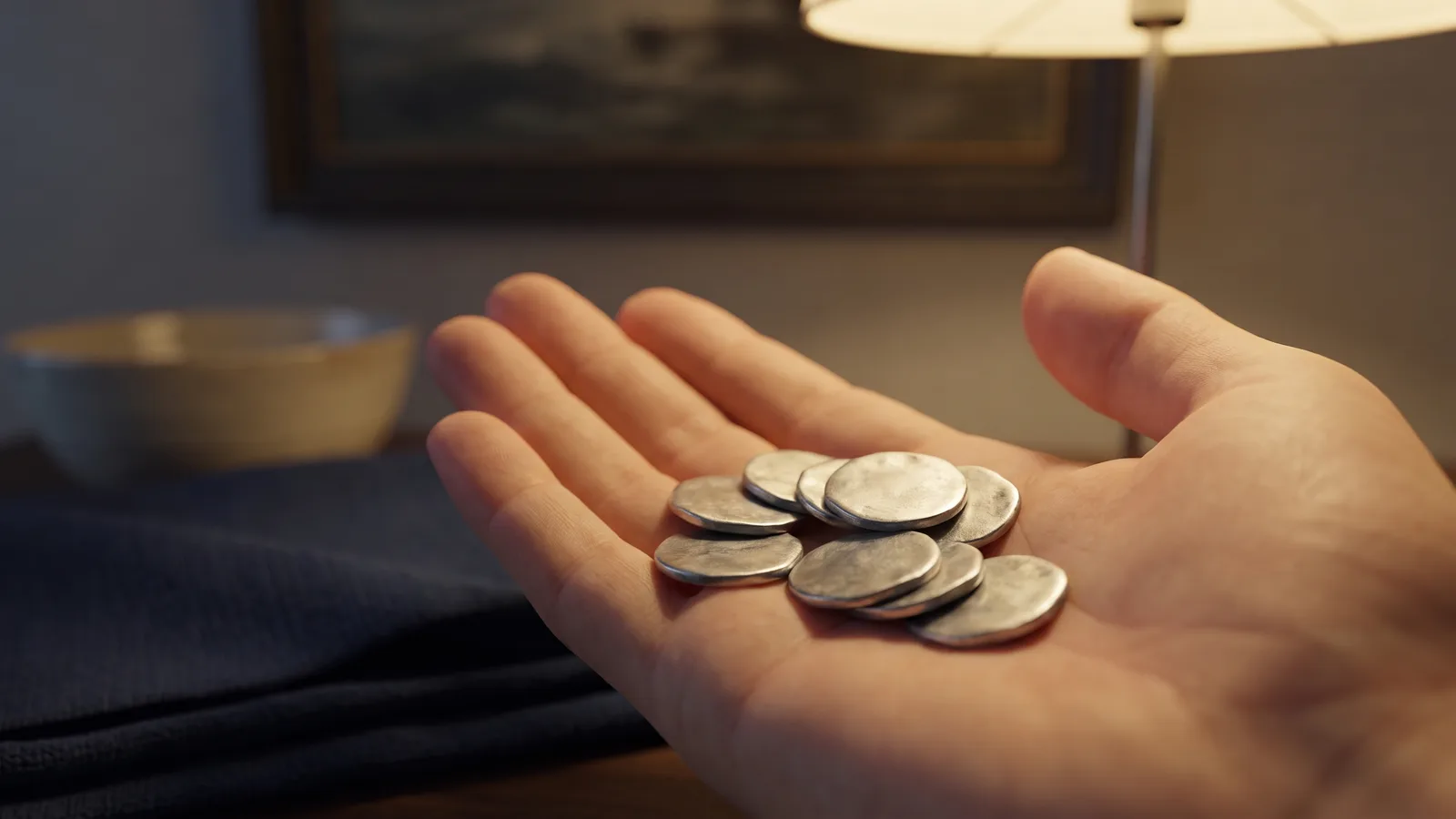
A mill is a unit of money equal to one-tenth of a cent, or one-thousandth of a dollar. It is an accounting unit rather than a coin the U.S. Mint ever struck for circulation, which is exactly why states needed a separate token to represent it at the register.
Sales tax tokens were denominated in mills, most commonly as 1 mill and 5 mills. A shopper who owed three mills in tax might hand over three 1-mill tokens, or receive tokens in change so the fractional tax came out even. The pieces circulated only for tax settlement, not as general money.
Why Did Sales Tax Tokens Exist?
Sales tax tokens existed because the Great Depression pushed many states to adopt retail sales taxes for the first time, and those taxes applied to small everyday purchases. On a five-cent or ten-cent sale, a percentage tax works out to a fraction of a penny, and there was no coin smaller than the cent to pay it.
Rounding every fractional tax up to a full cent was unpopular with shoppers and hard for merchants to defend. Mill tokens solved the problem by making the fraction payable, which is why they spread quickly through the states that used them during the 1930s.
Which States Issued Sales Tax Tokens?
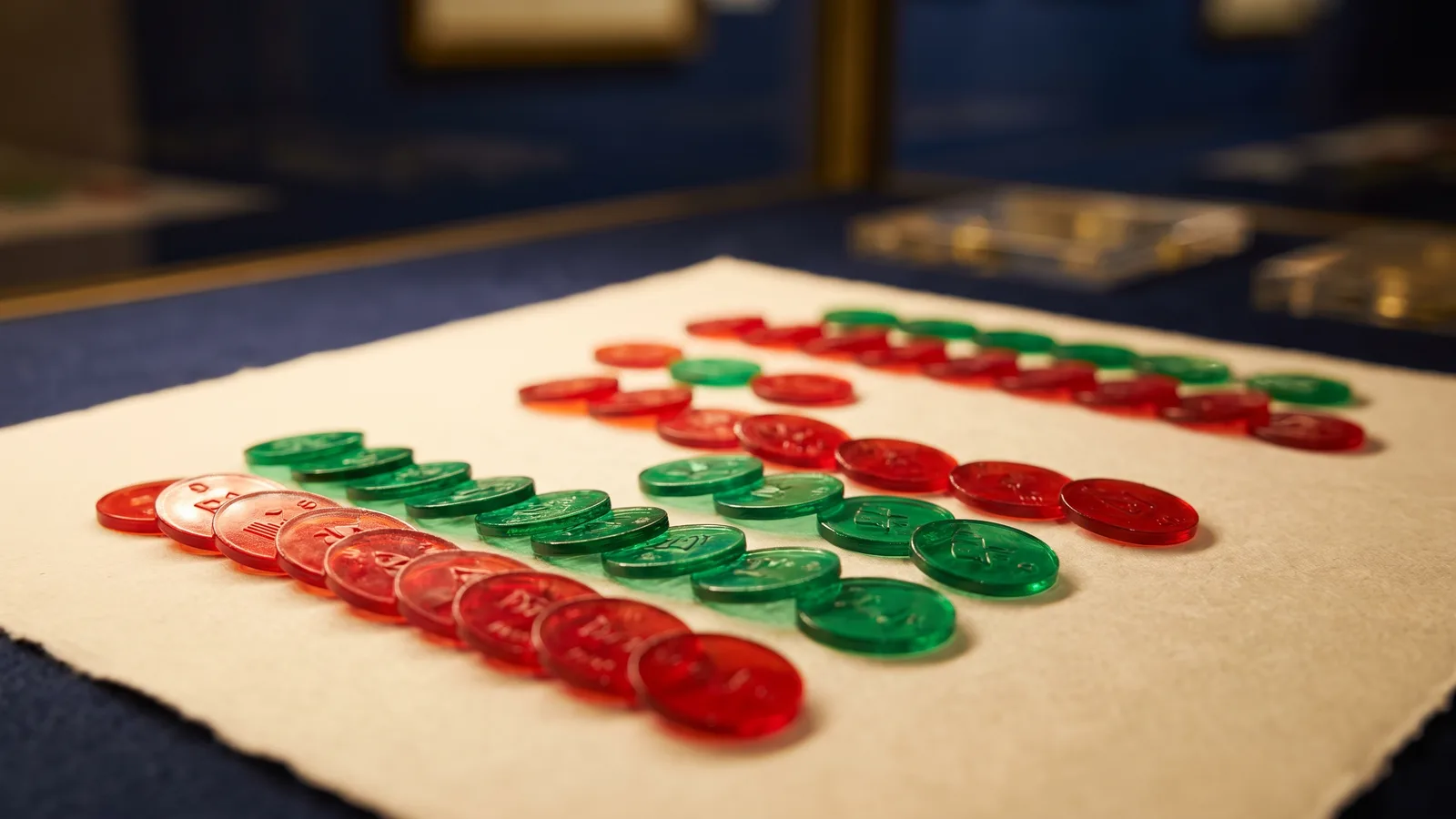
Twelve U.S. states issued official sales tax tokens: Alabama, Arizona, Colorado, Illinois, Kansas, Louisiana, Mississippi, Missouri, New Mexico, Oklahoma, Utah, and Washington. Each state produced its own designs, usually naming the state and the mill value.
The table below lists the twelve issuing states. Because designs and materials varied within a single state over time, treat any single description as a general guide rather than a complete catalog.
| State | Typical denominations | Notes |
|---|---|---|
| Alabama | 1 mill, 5 mills | State-named mill tokens |
| Arizona | 1 mill, 5 mills | State-named mill tokens |
| Colorado | 1 mill, 5 mills | State-named mill tokens |
| Illinois | 1 mill, 5 mills | State-named mill tokens |
| Kansas | 1 mill, 5 mills | State-named mill tokens |
| Louisiana | 1 mill, 5 mills | State-named mill tokens |
| Mississippi | 1 mill, 5 mills | State-named mill tokens |
| Missouri | 1 mill, 5 mills | Widely issued mill tokens |
| New Mexico | 1 mill, 5 mills | State-named mill tokens |
| Oklahoma | 1 mill, 5 mills | Widely issued mill tokens |
| Utah | 1 mill, 5 mills | State-named mill tokens |
| Washington | 1 mill, 5 mills | State-named mill tokens |
What Were Sales Tax Tokens Made Of?
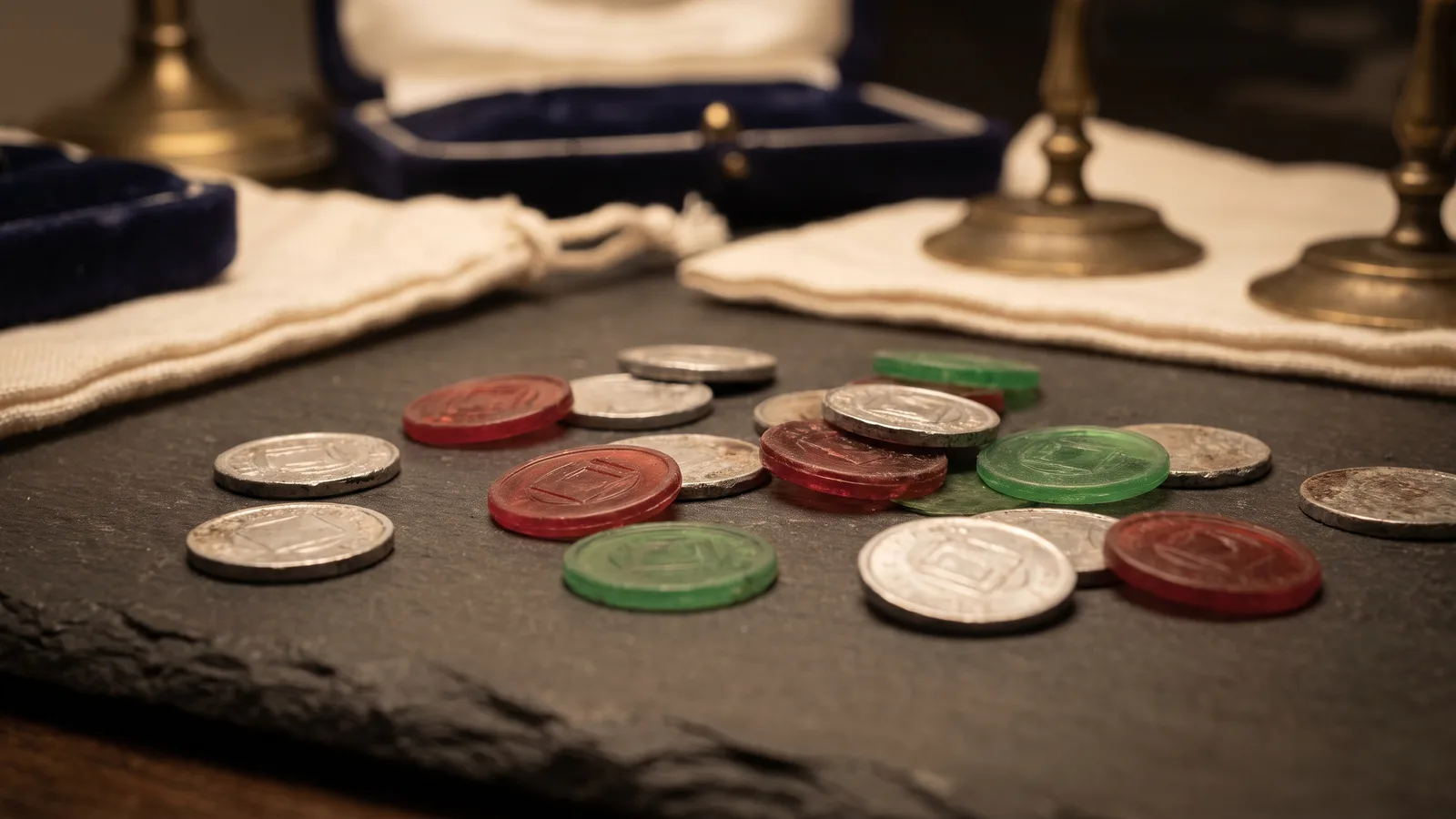
Sales tax tokens were made from a wide range of cheap materials, including aluminum, zinc, brass, pressed fiber, cardboard, and colorful molded plastic. The goal was to keep production cost far below the tiny value the token represented.
States minted them in the hundreds of millions across these materials. That enormous output is the single most important fact for a collector to remember, because it shapes what the tokens are worth today. For a related low-cost material story, compare the wooden scrip covered in the wooden nickels guide.
What Are Sales Tax Tokens Worth?
Most sales tax tokens are worth only a few cents to about a dollar. So many were produced, and so many were saved as curiosities, that common pieces have almost no scarcity premium. A worked example: a jar holding a mix of ordinary aluminum and plastic tokens from several states is usually a small-dollar lot overall, not a valuable one, no matter how many pieces it contains.
The exceptions are scarce varieties, mint errors, and certain state and material combinations that survive in smaller numbers. Values below are broad, hedged ranges for general guidance, not price quotes; condition, variety, and demand move real prices.
| Type | Typical range | Why |
|---|---|---|
| Common metal or plastic token | A few cents to about $1 | Made in huge quantities and widely saved |
| Complete common state set | A few dollars | Assembled from readily available pieces |
| Scarcer variety or material | Low single digits to tens of dollars | Fewer survive in that combination |
| Error or rare variety | Tens of dollars or more | Genuine scarcity, verify before paying up |
When and Why Did They Disappear?
Sales tax tokens faded out roughly between the 1940s and the 1960s as state tax systems changed. Wartime metal needs, the administrative hassle of the tokens, and a shift toward simply rounding tax using bracket schedules all made the mill piece unnecessary.
As states dropped the token approach, the pieces stopped circulating and moved straight into drawers, jars, and eventually collections. Their short working life is part of why they turn up so often in inherited holdings alongside other odd tokens, such as transportation tokens.
How to Identify and Collect Sales Tax Tokens
To identify a sales tax token, look for a state name and a value given in mills, often reading something like tax on purchase or a simple mill number. That mill denomination is the clearest sign you are holding a sales tax token rather than a merchant or fare piece.
Two collecting approaches are popular and beginner-friendly. Collect by state, aiming for an example from each of the twelve issuing states, or collect by material, gathering aluminum, zinc, brass, fiber, cardboard, and plastic examples to show the full range. Both can be built inexpensively, which makes this a low-cost entry point into exonumia. The American Numismatic Association publishes general collecting resources, and the Newman Numismatic Portal archives token reference material.
If you have inherited a group and want a professional opinion or an outlet to sell, a local specialist can help. Browse token and medal specialists in the medals and tokens directory, or find a general shop through collectibles shops.
Frequently asked questions
What is a mill in a sales tax token?+
A mill is one-tenth of a cent, or one-thousandth of a dollar. Sales tax tokens were usually issued as 1 mill and 5 mills so shoppers could pay fractional-cent tax exactly.
How many states issued sales tax tokens?+
Twelve states did: Alabama, Arizona, Colorado, Illinois, Kansas, Louisiana, Mississippi, Missouri, New Mexico, Oklahoma, Utah, and Washington.
Are sales tax tokens worth any money?+
Most are worth only a few cents to about a dollar because they were made in the hundreds of millions. Scarce varieties, errors, and certain state or material combinations can be worth more.
What were sales tax tokens made of?+
They were made in aluminum, zinc, brass, pressed fiber, cardboard, and molded plastic, all cheap materials chosen to keep production cost below the token's tiny value.
Why did sales tax tokens stop being used?+
They faded out between roughly the 1940s and 1960s as states changed their sales tax systems, often shifting to rounding rules and bracket schedules that made mill tokens unnecessary.
Can I still spend a sales tax token?+
No. They were only valid for settling fractional sales tax in their issuing state during the era they were used, and they have no spending value today. They are collected as historical tokens.