
Transportation Tokens: Transit Fare Tokens Explained
Transportation tokens, also called transit tokens, are fare tokens that riders once dropped into a fare box or handed to a conductor to pay for a ride on a streetcar, bus, subway, ferry, or toll crossing. They were used widely from the late 1800s through the late 1900s, before paper farecards and electronic fares replaced them. Most are common and inexpensive, commonly about $1-$10, while scarce early or error pieces bring more. They are a large, affordable branch of exonumia, the collecting of numismatic items other than government coins and paper money.

Key takeaways
- Transportation tokens are fare tokens used on streetcars, buses, subways, ferries, and toll bridges, widely from the late 1800s through the late 1900s before farecards and electronic fares.
- Many carry a distinctive cutout or shape so fare collectors could recognize the token by touch.
- The standard reference is the Atwood-Coffee Catalogue, which lists pieces by AC number and organizes them by state and city; collectors are called vecturists.
- Most transportation tokens are inexpensive, commonly about $1-$10, with scarce early, small-system, error, or off-metal pieces bringing more.
What Are Transportation Tokens?
A transportation token is a small metal token that a transit system sold or accepted as payment for a single fare. Instead of exact change, a rider bought tokens in advance and used one per trip on a streetcar, bus, subway, ferry line, or toll bridge or turnpike.
Many tokens have a distinctive cutout, a center hole, or an unusual shape. That was practical, not decorative: a fare collector working in dim light could recognize the right token by touch and feel a foreign coin or slug that did not belong. Legends often name the transit company and read something like GOOD FOR ONE FARE.
Transportation tokens sit within collectible tokens, the family that also includes merchant trade tokens and other everyday token types.
When Were Transit Tokens Used?

Transit tokens were in wide use from the late 1800s through the late 1900s. They spanned the horsecar and electric streetcar era, the growth of city bus systems, and the early decades of subways and commuter ferries.
Tokens faded as systems moved to paper farecards, magnetic-stripe cards, and eventually contactless and mobile payment. Some agencies retired tokens in the late 20th century, and a handful lingered into the early 2000s before electronic fare systems finished the transition.
How Transportation Tokens Are Cataloged
The standard reference is the Atwood-Coffee Catalogue of United States and Canadian Transportation Tokens. It assigns each token an AC number and organizes pieces by state and then by city, so a collector can look up a specific system and see its known issues.
Collectors of transportation tokens are called vecturists, and many belong to the American Vecturist Association, the specialty group for the field. The catalog and the community together make attribution, matching a token to the exact city and system, a central part of the hobby.
For background reading, the Wikipedia entry on the transportation token gives a general overview, and the Newman Numismatic Portal hosts digitized numismatic literature useful for research.
What Drives a Transportation Token's Value?
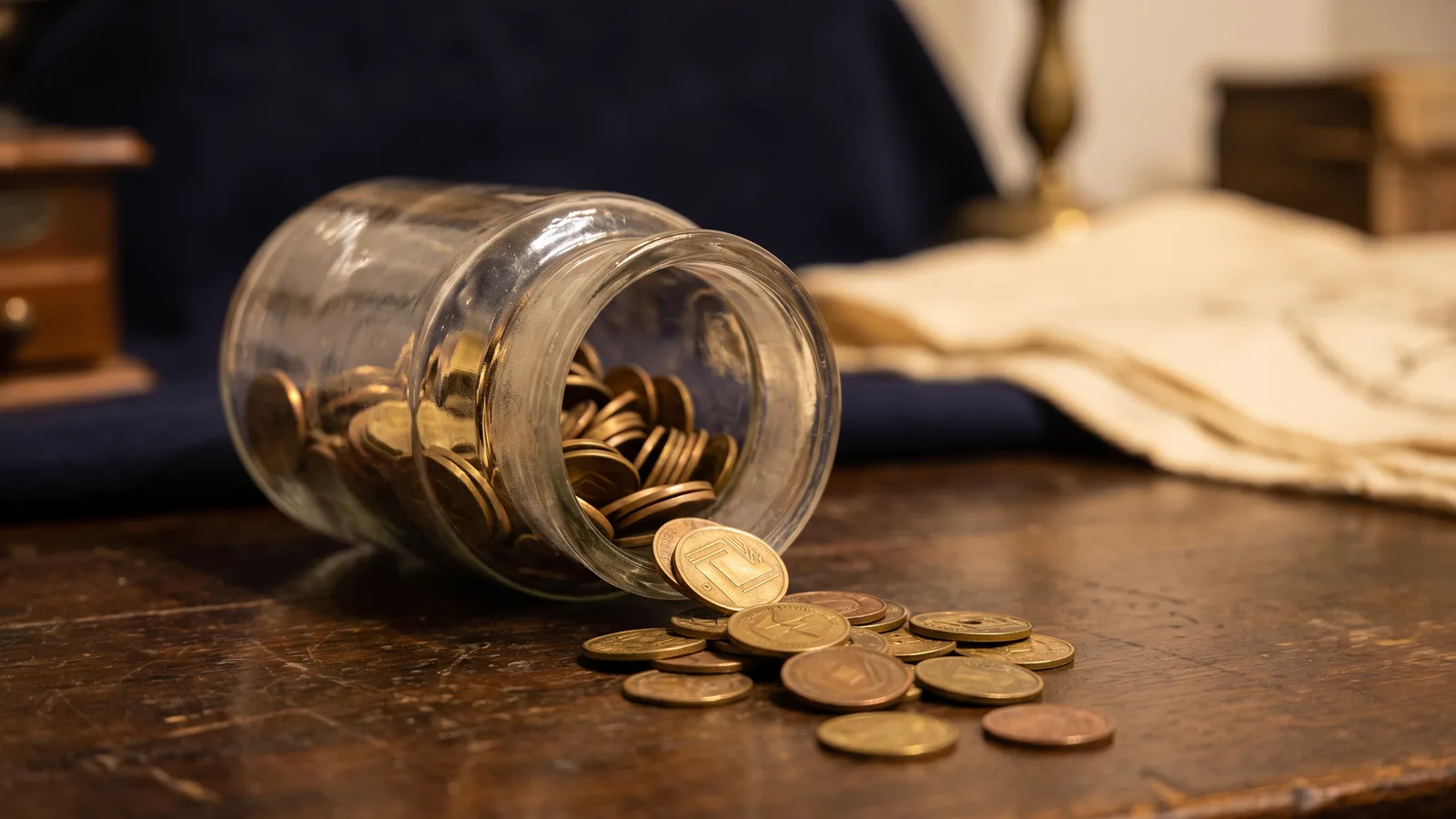
Most transportation tokens are common and trade for a few dollars, so value is driven by scarcity and demand rather than metal content. The strongest factors are how early the piece is, how small or short-lived the system was, and whether the token shows an error or was struck on the wrong metal.
The table below outlines the main value factors in hedged terms. Exact prices depend on the specific system, condition, and current demand, so treat these as general ranges rather than quotes.
| Factor | Effect on value | Typical range |
|---|---|---|
| Common later-era token | Baseline; many survive | About $1-$10 |
| Early or small-system issue | Fewer made and saved | Often tens of dollars |
| Error or off-metal strike | Unusual, sought after | Higher, varies widely |
| Distinctive cutout or shape | Adds interest | Modest premium |
| Poor condition or corrosion | Reduces appeal | Below baseline |
How to Identify a Token by City or System
Start with the legend. Most transportation tokens name the transit company, and many name or abbreviate the city, so reading the full text on both sides is the fastest route to attribution.
Note the physical traits next: the metal (often brass, aluminum, or a bimetallic mix), the diameter, and the cutout or shape. Those details, combined with the wording, let you match the piece to a listing in the Atwood-Coffee Catalogue and its AC number.
If the legend is worn or the company name is unfamiliar, the vecturist community and the catalog's state-and-city arrangement help narrow it down. A local coin shop or numismatic appraiser that handles exonumia can also help confirm an attribution.
A Worked Example
Suppose you find a small brass token with a center cutout that reads GOOD FOR ONE FARE and names a city bus company. First, you read both sides and record the company name, the city, the metal, and the diameter.
You then look up that city in the Atwood-Coffee Catalogue, find the matching AC number, and confirm the metal and shape agree with the listing. If the catalog shows the type is common, the token likely falls in the everyday range of about $1-$10. If the listing flags it as an early issue from a short-lived system, or your piece looks like an off-metal strike, it may be worth setting aside for a closer look or a second opinion.
Where to Buy and Sell Transportation Tokens
Transportation tokens turn up constantly in inherited collections, junk boxes, and dealer lots, which is why bulk groups are common and inexpensive. Buying a mixed lot is a low-cost way to start, and it often hides a few better pieces among the common ones.
For selling or getting an attribution, a shop that handles exonumia is your best first stop. You can find one through the medals and tokens directory or a general collectibles shop near you. Specialty club auctions and vecturist gatherings are where scarcer pieces tend to find the most interested buyers.
Sales-tax and transit tokens are sometimes confused because both are small and inexpensive; if yours is a tiny piece marked in mills rather than a fare, see the sales-tax tokens guide instead.
Should You Have Tokens Appraised?
Most transportation tokens are worth a few dollars, so a formal appraisal usually is not needed for a common piece. It makes sense to seek one when a token looks early, comes from an obscure system, shows an error, or is part of a large accumulation you plan to sell.
When in doubt, catalog what you have, note the standout pieces, and bring those to a dealer who knows exonumia. That keeps costs down while making sure a scarce token is not sold for the price of a common one.
Frequently asked questions
What is a transportation token worth?+
Most transportation tokens are common and sell for about $1-$10. Scarce early issues, small-system tokens, and error or off-metal strikes can bring more, depending on the system and condition.
Why do many transit tokens have holes or cutouts?+
The cutout or unusual shape let a fare collector recognize the correct token by touch, even in poor light, and made it easier to spot foreign coins or slugs that did not belong.
What is a vecturist?+
A vecturist is a collector of transportation tokens. Many belong to the American Vecturist Association, the specialty group for the field.
How do I identify my transportation token?+
Read the legend for the transit company and city, note the metal, size, and shape, then match those details to a listing and AC number in the Atwood-Coffee Catalogue.
Are transportation tokens still used?+
Rarely. Most systems replaced tokens with farecards and electronic or mobile fares from the late 1900s into the early 2000s, though a few tokens survived longer.