
So-Called Dollars: The Dollar-Sized Medals Explained
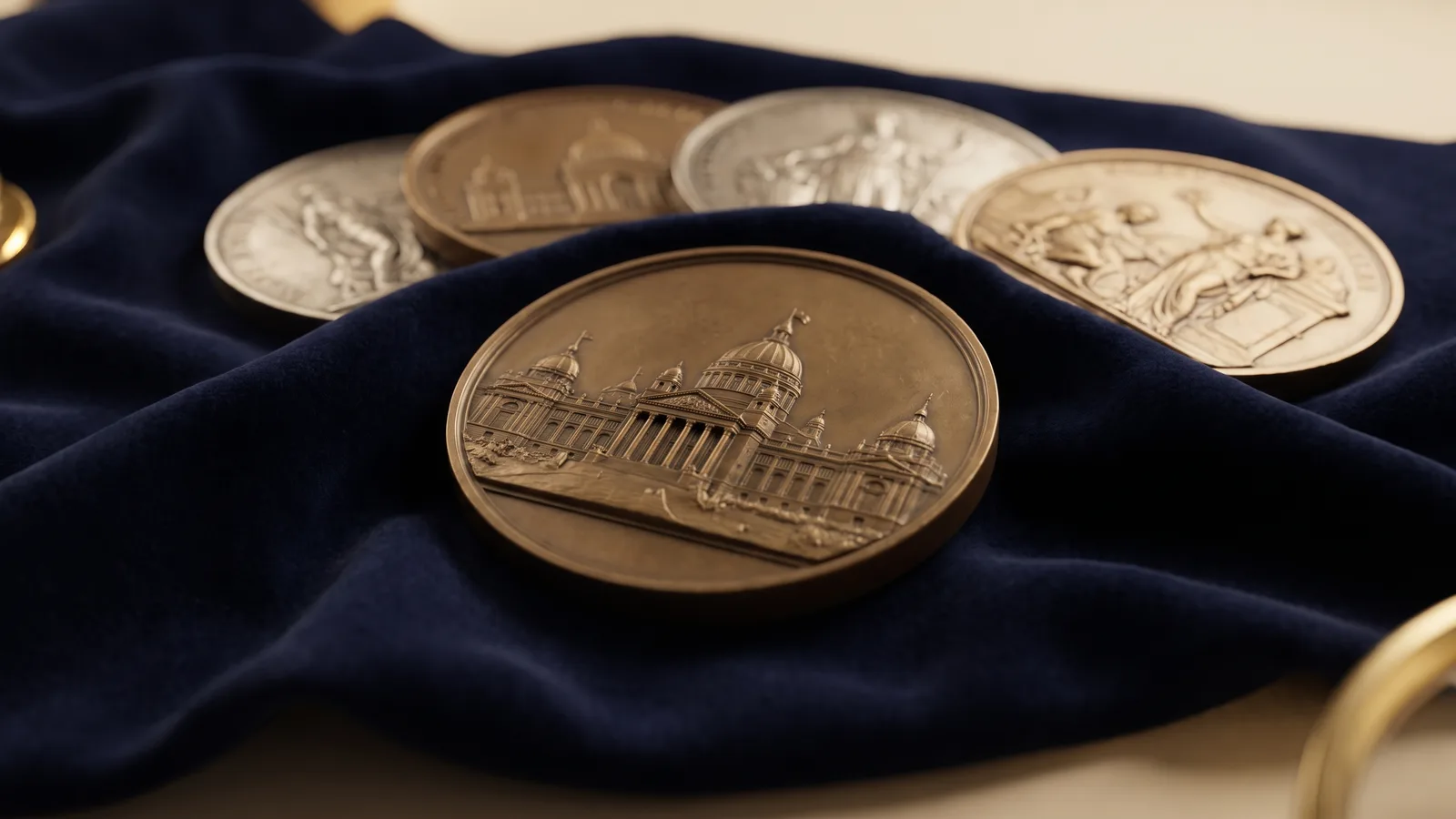
So-called dollars are dollar-sized medals, roughly 33mm to 45mm across, that look like a silver dollar but are not coins, trade tokens, or store cards. They carry no denomination and were never money. Collectors use the term for commemorative medals struck mainly for expositions, national and regional events, and famous people, and the field takes its name from the standard reference by Harold E. Hibler and Charles V. Kappen. Many so-called dollars are affordable, which makes them a popular way into exonumia, while a smaller number are genuinely rare.
Key takeaways
- So-called dollars are dollar-sized medals, roughly 33mm to 45mm (catalog Size 21 to Size 28), that are not coins, trade tokens, or store cards and carry no denomination.
- They were issued mainly to commemorate world's fairs and expositions, national and regional events, and famous people, along with monetary satire such as Bryan money.
- The standard reference is Harold E. Hibler and Charles V. Kappen, 'So-Called Dollars' (1963; second edition 2008), which assigns each type an HK number and lists roughly 1,000-plus types.
- Many so-called dollars are inexpensive entry points into exonumia, while scarce types, better metals, and high grades command far more.
What Are So-Called Dollars?
A so-called dollar is a dollar-sized medal, roughly 33mm to 45mm in diameter, made to commemorate a person, place, or event rather than to spend. The name is a collector convention: the pieces resemble a U.S. silver dollar in size and often in look, but they are not money.
This puts them firmly in the family of medals rather than coins or tokens. A coin is government-issued money with a face value, and a token is a money substitute or redeemable piece. A so-called dollar is neither. For the broader picture of how medals differ from coins and tokens, see our guide to collecting medals.
What Qualifies as a So-Called Dollar?
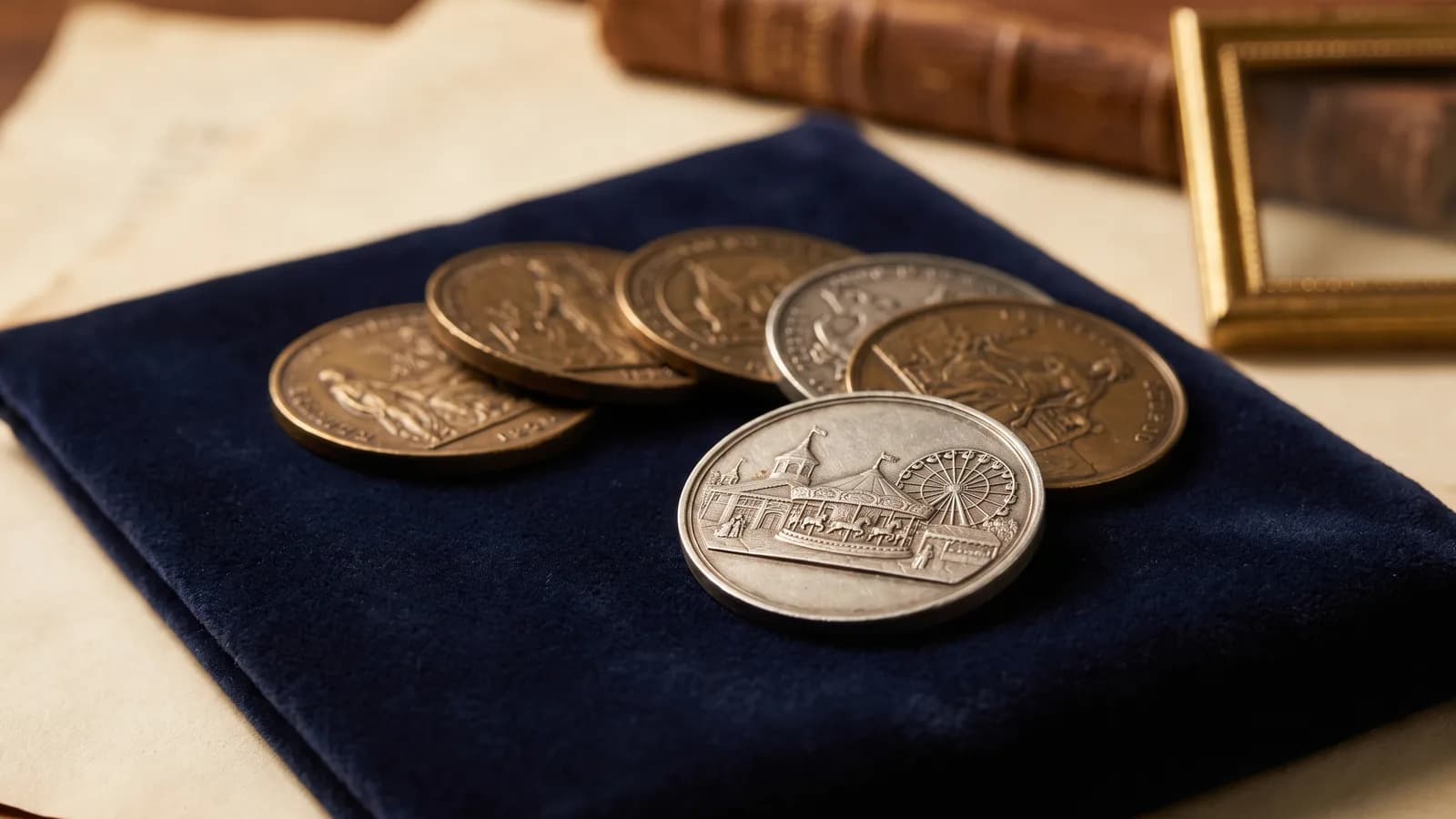
To qualify, a piece needs to be about the size of a dollar and it must not be money. The standard reference defines the field by size, cataloging pieces in the range of Size 21 through Size 28, which corresponds to roughly 33mm to 45mm.
Just as important is what a so-called dollar is not. It is not a coin, because it has no denomination and was not issued by a government as legal tender. It is not a trade token or store card, which are redeemable for goods or services. A so-called dollar is a commemorative medal that happens to be dollar-sized, and that combination of size plus purpose is what defines the category.
What Subjects Do So-Called Dollars Cover?
Most so-called dollars commemorate expositions and world's fairs, national and regional events, and famous people. The great American fairs of the late 1800s and early 1900s produced many of the best-known types.
The 1893 World's Columbian Exposition in Chicago, marking the 400th anniversary of Columbus reaching the New World, generated a large run of pieces; the U.S. Mint exhibit medal from that fair is cataloged as HK-154. The 1915 Panama-Pacific International Exposition in San Francisco produced another well-collected group of exposition medals.
The field also takes in monetary satire. The best-known example is Bryan money, oversized satirical pieces tied to William Jennings Bryan and the free-silver debate of the 1890s. That thread connects so-called dollars to the older tradition of politically pointed exonumia seen in Hard Times tokens.
The Standard Reference and HK Numbers
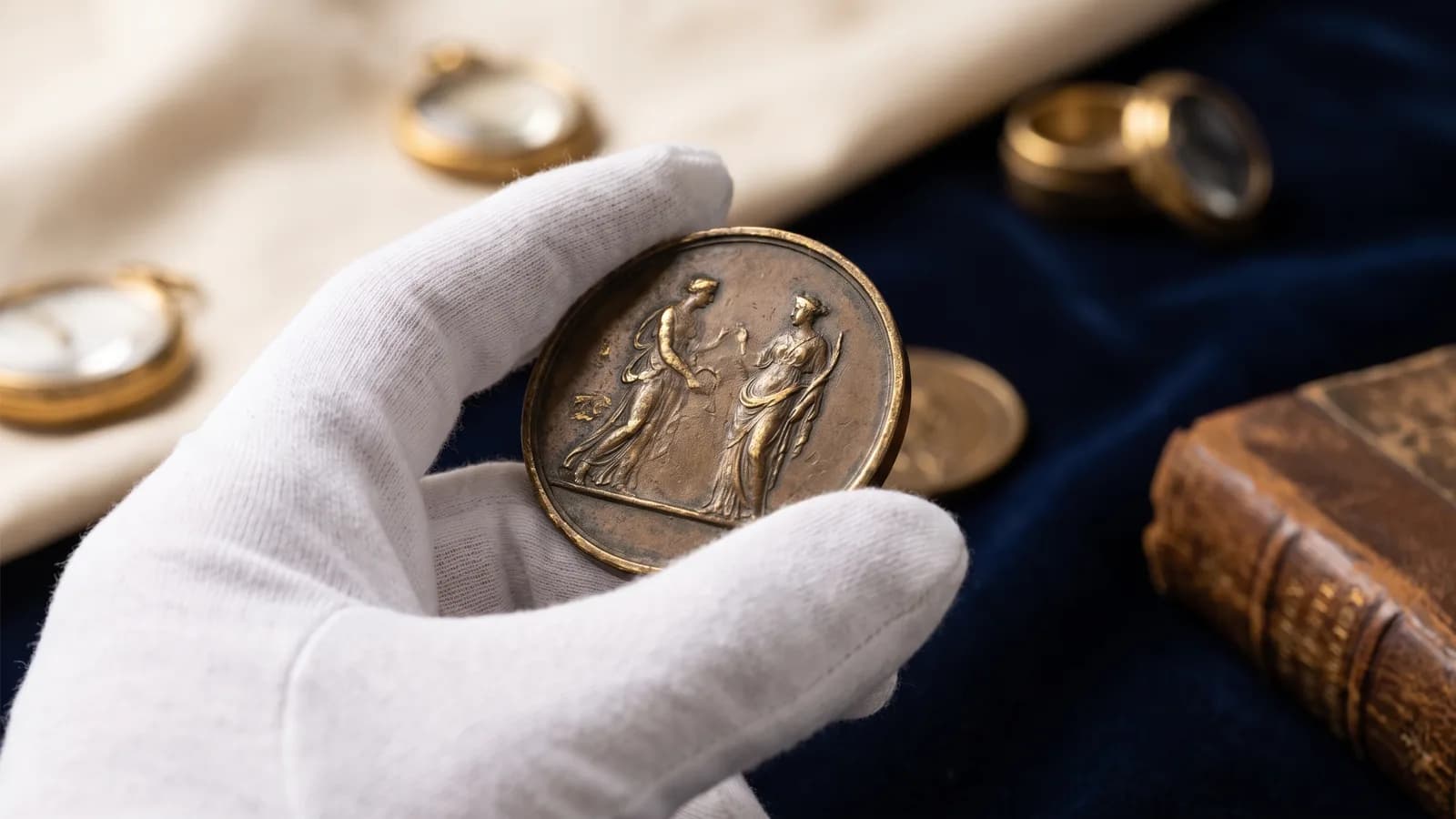
The reference that names and organizes the field is Harold E. Hibler and Charles V. Kappen's 'So-Called Dollars,' first published in 1963, with a second edition in 2008. It assigns every type a catalog number cited as HK-#, and it lists on the order of 1,000-plus distinct types.
In practice a piece is described by its HK number, for example the Columbian Exposition U.S. Mint medal noted above as HK-154. Sellers, auction houses, and grading services all use HK numbers, so learning to read them is the fastest way to identify a piece and compare it against past sales. The habit of anchoring a piece to a standard catalog number mirrors how collectors cite Musante GW numbers for Washington medals.
How to Read a So-Called Dollar Listing
When you look at a listing or a holder, three attributes tell you most of what you need: the size, the metal, and the HK number. The table below summarizes what to check.
| Attribute | What to look for |
|---|---|
| Size | Roughly 33mm to 45mm, cataloged as Size 21 through Size 28 |
| Denomination | None; a so-called dollar is a medal, not legal tender |
| Common metals | Bronze, brass, white metal, aluminum, gilt; silver and gold are scarcer |
| Catalog number | HK-# from Hibler and Kappen, used across sellers and graders |
| Typical subjects | Expositions and world's fairs, events, famous people, Bryan money |
Metals and Grading
So-called dollars turn up in a range of metals. Bronze and brass are common, along with white metal and aluminum; gilt (gold-plated) examples exist, and silver and gold strikings are scarcer and generally more valuable. The same design was often issued in several metals, so metal is part of how a type is identified and priced.
Major third-party grading services, including PCGS and NGC, grade many so-called dollars on the standard 70-point scale and encapsulate them with the HK number on the label. Plenty of collectors also buy pieces raw. To compare authenticated examples and past prices, HK-numbered listings on the grading services are a good starting point.
What Are So-Called Dollars Worth?
Value depends on the type, the metal, the grade, and the demand for the subject, so ranges vary widely. As a general guide, many common exposition types in bronze or white metal are affordable, commonly trading in the tens of dollars, which is a large part of why the field is popular.
Scarcer types, better metals such as silver or gold, and high grades move well up from there, and the rarest pieces can be genuinely expensive. Because a single design may exist in several metals at very different values, always match the exact HK number and metal before comparing prices. For a broad sanity check on any silver piece, our precious metals value calculator can estimate melt value, though collector premiums usually exceed melt.
How to Start a Collection
A good way to begin is to pick a lane rather than trying to buy one of everything. Two popular approaches are collecting by exposition and collecting by theme.
Collecting by exposition means focusing on a single fair, such as the 1893 Columbian or the 1915 Panama-Pacific, and gathering the pieces made for it. Collecting by theme means following a subject across events, for example Bryan money and other monetary satire, or medals tied to a particular person. Because campaign and commemorative medals overlap in spirit, many collectors also branch into presidential campaign medals. To find dealers who handle exonumia, browse our tokens and medals directory or check local collectibles shops.
Where So-Called Dollars Fit in Exonumia
So-called dollars sit inside exonumia, the collecting field for numismatic items other than government coins and paper money, which also includes tokens, badges, counterstamps, and encased postage.
Within that world, so-called dollars occupy a distinctive niche: they carry the look and heft of a coin while functioning as commemorative medals, and they document American expositions, events, and political moments in metal. That mix of history, art, and affordability is why the field remains a durable entry point for new and experienced collectors alike. Background overviews are available from the American Numismatic Association and the So-Called Dollar entry on Wikipedia.
Frequently asked questions
Are so-called dollars real money?+
No. So-called dollars are commemorative medals. They are dollar-sized and often resemble silver dollars, but they carry no denomination and were never legal tender.
How big is a so-called dollar?+
Roughly 33mm to 45mm in diameter, which the standard catalog records as Size 21 through Size 28, about the size of a U.S. silver dollar.
What does the HK number mean?+
HK stands for Hibler and Kappen, the authors of the standard reference 'So-Called Dollars.' Each type has an HK number that sellers and grading services use to identify it.
What is Bryan money?+
Bryan money refers to oversized satirical pieces from the 1890s free-silver debate associated with William Jennings Bryan. Many examples are collected as so-called dollars.
Are so-called dollars a good place to start collecting?+
For many collectors, yes. A large share of common exposition types are affordable, so-called dollars are widely available, and the HK catalog makes them easy to identify and organize.