
The Most Valuable Hard Times Tokens (and Why)
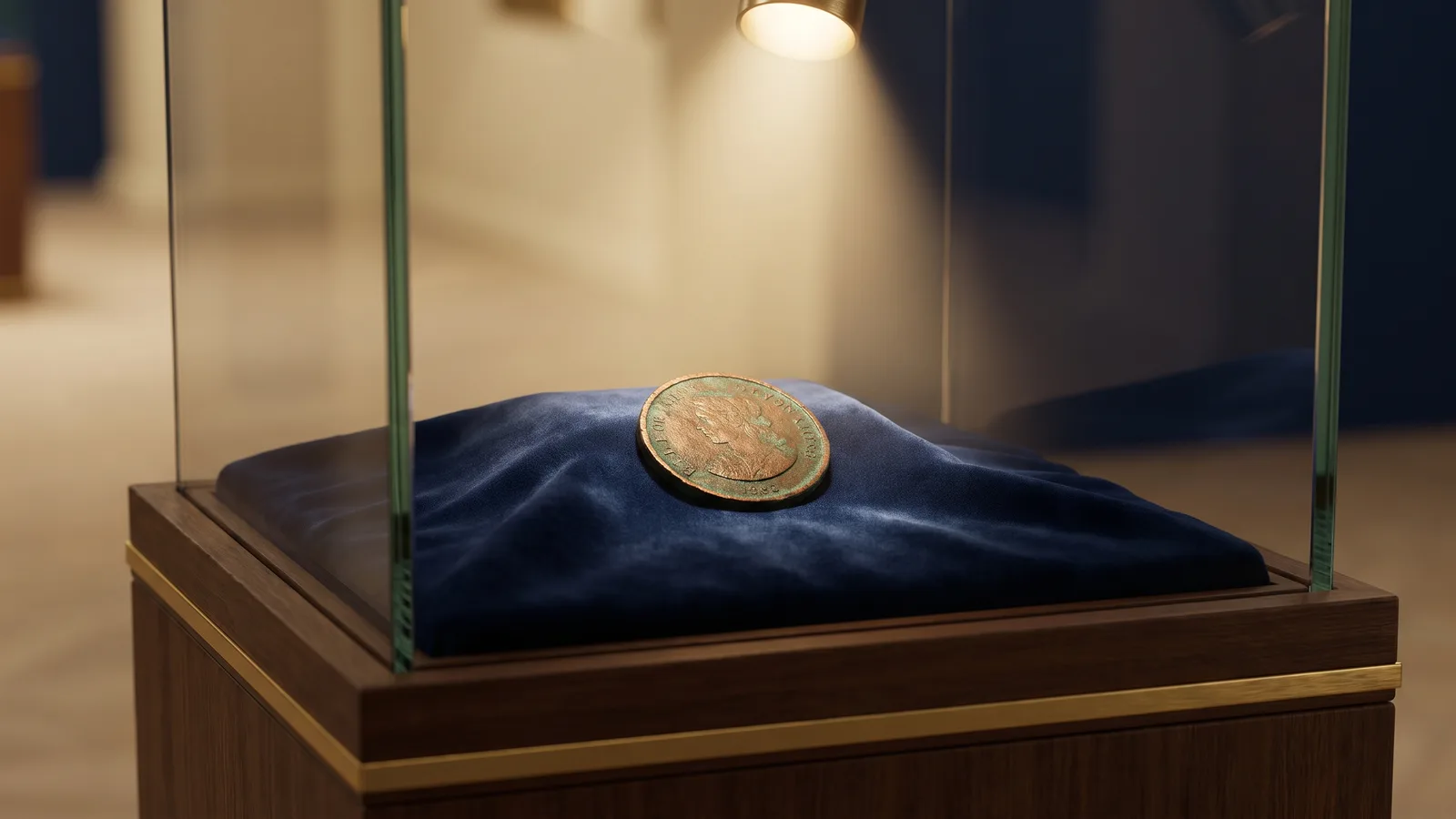
The most valuable Hard Times tokens are the rare and historically important exceptions in a series that is mostly affordable. Hard Times tokens are privately made copper cent substitutes struck from about 1833 to 1844, and most trade for $20-$60 in circulated grades. The pieces that reach the hundreds to five figures are scarce varieties, popular or historic designs like the abolitionist tokens, hard-to-find merchant store cards, and top-grade examples with original red color. For the full background on the series, see the [Hard Times tokens guide](/guides/hard-times-tokens-guide).
Key takeaways
- Most Hard Times tokens are affordable, commonly $20-$60 in circulated grades, so value comes from the exceptions: rare varieties, historic designs, scarce merchants, and top grade.
- The abolitionist tokens are among the most famous and valuable in the series; a rare Am I Not a Man and a Brother example sold for about $70,500 at a Heritage auction.
- Copper color drives price: fully original red (RD) uncirculated pieces command large premiums over brown examples of the same variety.
- Correct attribution by Low number (Lyman Low) and Rulau HT number, plus third-party certification from PCGS or NGC, separates a genuine rarity from a common look-alike.
- Because copper is often cleaned or corroded, condition and authenticity should be verified before buying or selling a valuable piece.
Are Hard Times Tokens Actually Worth Much?
Most are not, and that is what makes the valuable ones stand out. Common political satires and merchant store cards in Fine to Very Fine condition commonly run about $20-$60, and nicer common types in About Uncirculated to Uncirculated grades usually fall around $75-$250.
Value climbs sharply once a token has something that most examples lack: a genuinely scarce variety, a design collectors compete for, a rare merchant, or exceptional grade and color. When two or three of those stack together, prices move from tens of dollars into the hundreds, thousands, or higher. For a broader look at how prices are set across the series, see what Hard Times tokens are worth.
The takeaway: treat any four-figure or five-figure claim with healthy skepticism until the specific variety, grade, and provenance check out.
What Makes One Token Worth More Than Another?
Four drivers explain nearly every high price: rarity, design, merchant scarcity, and grade with color. A token that scores high on several of these is where the real money sits.
Rarity means few examples survive, often expressed on standard numismatic rarity scales. Design means the imagery or slogan is popular or historically important, such as an abolitionist appeal or a sharp political satire. Merchant scarcity applies to store cards from businesses that issued very few tokens or whose pieces rarely surface. Grade and color reward high preservation and, for copper, original surfaces.
Copper color is graded as brown (BN), red-brown (RB), and full red (RD). Because raw copper tones over time, an original red uncirculated example is far scarcer, and far more valuable, than a brown one of the same variety.
| Category | Why it commands a premium | Hedged range |
|---|---|---|
| Rare variety / low survival | Few examples known; competition among specialists | Hundreds to five figures |
| Historic or popular design (e.g. abolitionist) | Strong collector and cross-market demand | Thousands to five figures |
| Scarce merchant store card | Business issued few pieces or they rarely surface | Low hundreds to low thousands |
| Top grade with full red (RD) color | Original uncirculated copper is genuinely scarce | Several hundred to low thousands |
The Abolitionist Tokens: The Series Headliners
The abolitionist tokens are the most famous and among the most valuable Hard Times pieces. Two designs anchor this group: Am I Not a Woman and a Sister, dated 1838 and showing a kneeling enslaved woman, and the far rarer companion, Am I Not a Man and a Brother.
Both adapted the well-known Wedgwood antislavery medallion image into a cent-sized token that circulated with everyday change, part of the broader Hard Times token history. The Woman and Sister type is the more available of the two, while the Man and a Brother is a genuine rarity; a strong example sold for about $70,500 at a Heritage auction, one of the highest results recorded for the series.
These pieces carry demand from both numismatists and collectors of American history, which is exactly why they top the value charts. For the design, dating, and history in depth, see the Am I Not a Woman and a Sister token guide.
Rare Political Satires and Scarce Store Cards
Beyond the abolitionist pieces, the strongest values come from scarce political satires and hard-to-find merchant store cards. Political tokens attacked or mocked President Andrew Jackson, President Martin Van Buren, and the Second Bank of the United States, and the scarcer varieties are the ones that bring premiums.
Well-known designs include the I Take the Responsibility type, showing Jackson rising from a strongbox with a sword and money bag, and the running jackass that ridiculed Jackson and Van Buren. Common versions are affordable, but scarce die varieties and mules (unintended obverse and reverse pairings) can run into the hundreds or more. See the Andrew Jackson Hard Times tokens guide for the political imagery.
Merchant store cards advertised a private business by name, trade, and city, and they are the direct ancestors of the store cards that followed in the next generation. A store card from a business that issued very few tokens, or one from a short-lived firm, can be far scarcer than any political type. Collectors who enjoy this trade-card angle often also study the most valuable Civil War tokens, which extend the same idea into the 1860s.
Grade and Color: Why the Same Design Ranges So Widely
Grade and original color can multiply a token's value several times over for the exact same design. A common political type might bring $30 in Very Fine, a few hundred in choice uncirculated, and a strong premium again if it is full red rather than brown.
Grading is done on the 70-point Sheldon scale, with copper color noted as BN, RB, or RD. For copper specifically, surfaces matter as much as sharpness: cleaning, corrosion, spots, and porosity all reduce value, sometimes severely. A background on the scale is in coin grading explained.
The practical lesson: never assume two examples of the same variety are worth the same. A high grade with honest, original surfaces is often the single biggest price factor after rarity.
A Worked Example: Stacking the Value Drivers
Consider how value builds when the drivers stack. Start with a common Jackson political satire in Very Fine: roughly $30-$50. Now change one factor at a time.
Make it a scarce die variety instead of the common one, and demand from specialists can push it into the low hundreds. Move that same scarce variety up to a choice uncirculated grade, and it can climb further. Add original full red color on clean surfaces, and you are into strong four-figure territory for the right piece.
Now swap the design entirely for a rare abolitionist type in a solid grade, and you are in the realm of the five-figure result noted above. The lesson is that no single factor sets the price; rarity, design, grade, and color combine, and the rarest combinations are where the top numbers come from.
Attribution, Authentication, and Selling Wisely
Before you buy or sell a valuable Hard Times token, confirm exactly what it is and that it is genuine. Attribution starts with the reference numbers: Lyman Low first cataloged the series in 1899, and pieces are cited by Low numbers (L-#), while Russell Rulau expanded the reference and added the now-standard HT numbers (HT-#). The correct number often separates a common variety from a rare one that looks similar.
For anything you believe is scarce or high grade, third-party certification from PCGS or NGC verifies authenticity and grade and protects resale value, which matters because copper is frequently cleaned, corroded, or altered. Population and auction data from PCGS and educational resources from the American Numismatic Association can help you gauge relative scarcity. If you are evaluating an inherited group or a single important piece, an independent numismatic appraiser can give a grounded estimate.
When it is time to sell, compare offers rather than accepting the first one. A specialist through a reputable rare coin dealer, or consignment to an established coin auction, typically reaches the buyers who pay the most for genuine rarities. Get the attribution and grade settled first, then let informed competition set the price.
Frequently asked questions
What is the most valuable Hard Times token?+
The abolitionist designs rank at the top. The rare Am I Not a Man and a Brother token is a series headliner; a strong example sold for about $70,500 at a Heritage auction. Most other Hard Times tokens are far more affordable, commonly $20-$60 in circulated grades.
How can I tell if my Hard Times token is rare?+
Identify the exact variety by its Low number and Rulau HT number, then check its rarity rating in a standard reference. Two tokens that look alike can differ greatly in scarcity, so precise attribution is essential before assuming any is rare.
Does color really affect a copper token's value?+
Yes, significantly. Copper is graded as brown (BN), red-brown (RB), or full red (RD). An original red uncirculated example is much scarcer, and worth much more, than a brown one of the same variety and grade.
Should I clean a valuable Hard Times token?+
No. Cleaning removes original surfaces and usually lowers value, sometimes sharply. Leave any potentially valuable copper token as is and have it evaluated by a professional before doing anything to it.
How do I sell a valuable Hard Times token for a fair price?+
Confirm the variety and grade first, ideally with PCGS or NGC certification, then compare offers from established dealers or consign to a reputable auction. Informed competition among serious buyers is what produces a fair result on genuine rarities.