
Coin Collecting for Beginners: How to Start
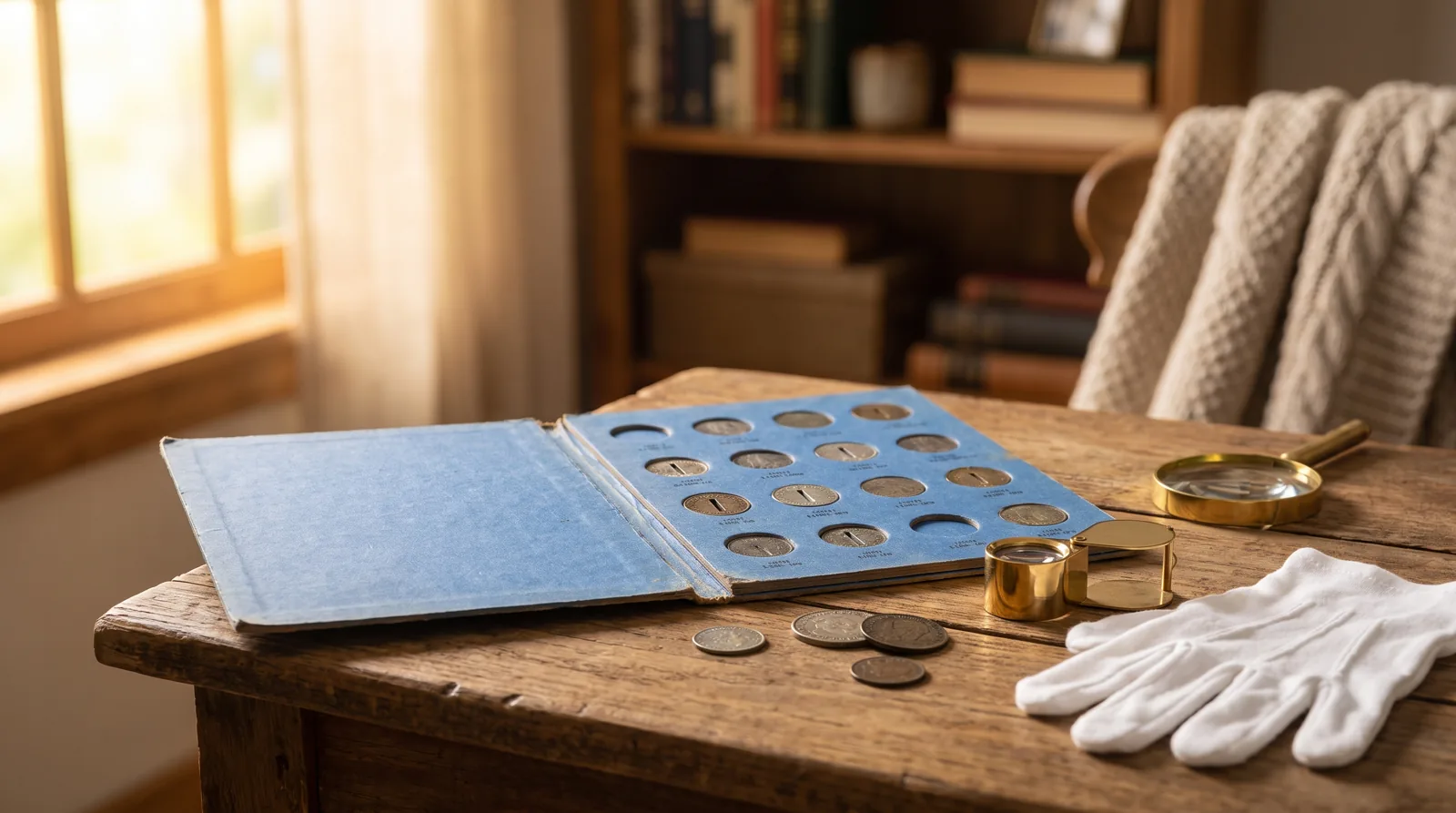
Coin collecting is one of the oldest and most rewarding hobbies, and getting started is easier than it looks. You don't need a fortune — just a focus, a little knowledge, and a trustworthy place to buy. This guide walks a beginner through choosing what to collect, handling and storing coins correctly, learning the basics of grade and value, where to buy, and the common mistakes that cost newcomers money.
Key takeaways
- Start by picking a focus — a single series, a type set, a country, or a theme — so your collecting has direction instead of becoming a random pile.
- Handle coins by the edges, store them in proper holders, and never clean them; cleaning permanently lowers value.
- Learn the basics of grade and value before spending real money, and buy the book before the coin.
- Buy from reputable local shops, coin shows, and established dealers, and build a relationship with a shop you trust.
- The biggest beginner mistakes are overpaying for 'rare' coins, cleaning coins, and buying without learning first.
How do I start coin collecting?
Start by choosing a focus and learning the basics before you spend much. A clear focus turns a random pile of coins into a collection with direction, and a little knowledge protects you from overpaying early on.
You can begin for almost nothing — searching pocket change, buying inexpensive coins, or picking up a starter album. The hobby grows with you from there.
What should I collect?
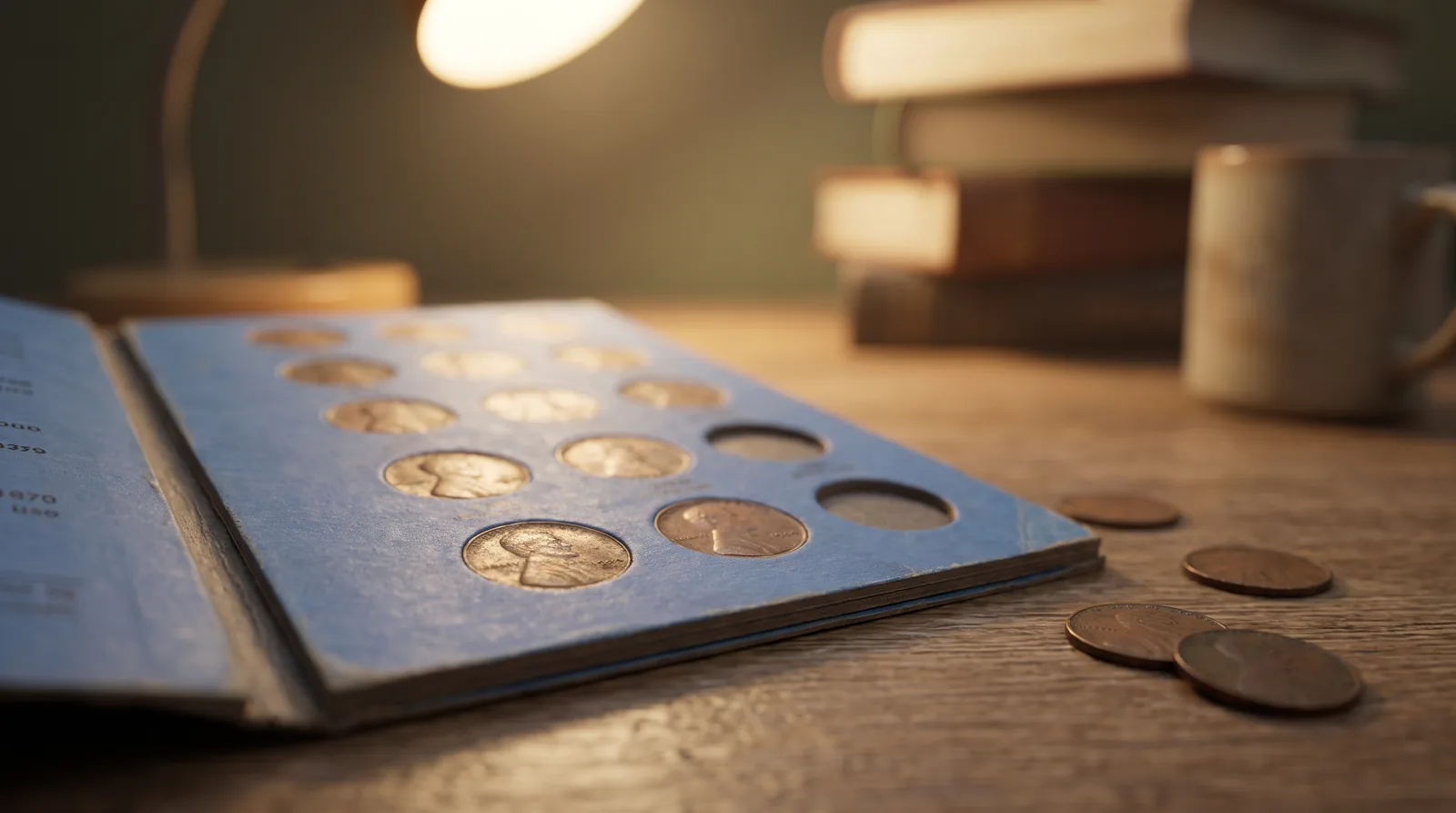
Pick a focus that genuinely interests you; the options below are all popular starting points. Many collectors begin with a single U.S. series, like Lincoln cents or Mercury dimes, because the goal — filling every date and mint mark — is clear and satisfying.
| Approach | Example |
|---|---|
| A single series | Every date of Lincoln wheat cents |
| A type set | One example of each U.S. coin design |
| A country or era | World coins, or ancient coins |
| A theme | Animals, ships, or presidents on coins |
| Bullion + collecting | Silver coins you enjoy and that hold metal value |
How should I handle and store coins?
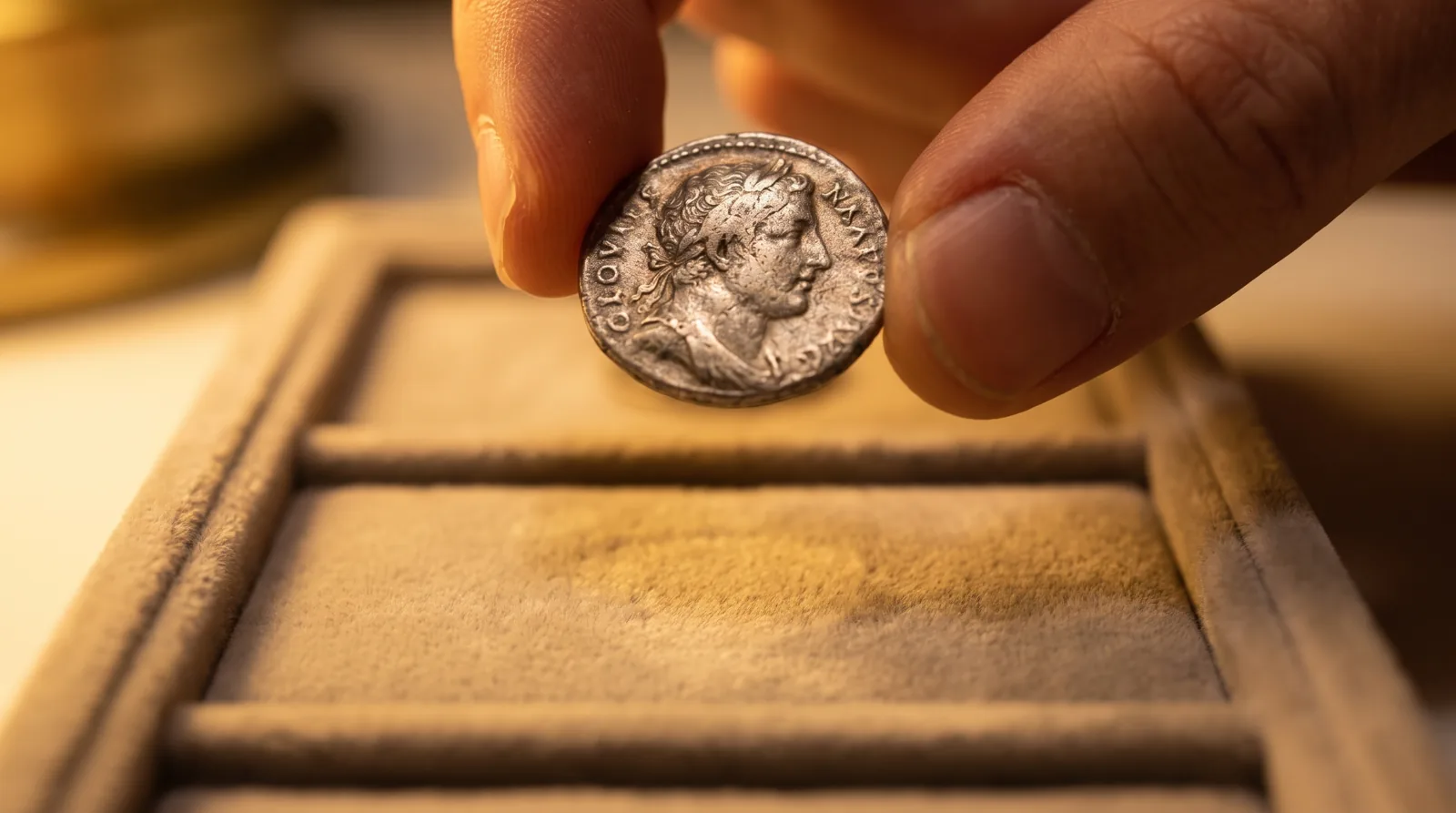
Always hold a coin by its edges, over a soft surface, and never wipe or clean it — cleaning leaves microscopic scratches that lower value, often permanently. The patina on an old coin is desirable, not dirt.
Store coins in proper, coin-safe holders (avoid PVC-containing soft flips, which can damage surfaces over time), kept somewhere cool and dry. Good storage protects both the coins and their value.
Do I need to understand grading?
At least the basics. Grade is a coin's condition on the 70-point Sheldon scale, and it often matters as much as the date in setting value. You don't need to be an expert, but knowing roughly where a coin falls keeps you from overpaying.
For valuable coins, third-party certification by PCGS or NGC provides a trusted grade. Our coin grading explained guide covers the scale in plain English.
Where should I buy coins?
Buy from reputable sources: established local coin shops, coin shows, and well-reviewed dealers. In person, you can examine coins, ask questions, and build a relationship — all valuable when you're learning.
Coin shows are especially good for beginners: many dealers in one place, no pressure, and a chance to compare. Be more cautious with online auctions until you can grade and authenticate confidently.
Should I find a local shop to work with?
Yes — a good local dealer is a beginner's best resource. They can answer questions, steer you away from mistakes, source coins for your focus, and grow into a trusted advisor as your collection develops.
Our guide on how to choose a local coin shop covers what to look for and the questions to ask before you buy.
What mistakes do beginners make?
Three big ones: cleaning coins (which lowers value), overpaying for coins pitched as 'rare' that are actually common, and buying before learning. The old advice holds — 'buy the book before the coin.'
Take your time, learn steadily, and lean on reputable dealers and resources like the American Numismatic Association. The collectors who enjoy the hobby most are the ones who learned the fundamentals first.
Frequently asked questions
How much money do I need to start collecting coins?+
Very little. You can start by searching pocket change or buying inexpensive coins and a starter album. The hobby scales to any budget — focus and knowledge matter more than money.
What is the best coin series for a beginner?+
Popular, affordable starts include Lincoln cents, Jefferson nickels, and Mercury or Roosevelt dimes. Choose a series you find interesting and that has an achievable set of dates.
Should I clean my coins?+
No. Cleaning almost always lowers a coin's value by scratching the surface and removing original patina. Leave coins as they are.
Is it better to buy graded or raw coins as a beginner?+
For more valuable purchases, certified (graded) coins from PCGS or NGC reduce risk because the grade and authenticity are guaranteed. Inexpensive coins are fine raw as you learn.