
Civil War Token Mules and Off-Metal Strikes
A Civil War token mule is a token struck from two dies that were never originally intended to be paired together. Off-metal strikes are the related category of tokens made in an unusual metal, such as silver, white metal, or copper-nickel, usually in small numbers. Both are prized by specialists for scarcity and novelty, but many were deliberately created after the war, so their status as concoctions or restrikes should always be disclosed. This guide explains how these pieces arose, how the market values them, and how to tell a genuine wartime piece from a later fantasy.
Key takeaways
- A Civil War token mule is a piece struck from two dies that were not originally intended to be paired together.
- Off-metal strikes are the same token made in an unusual metal such as silver, white metal, or copper-nickel, often in small numbers for collectors.
- Many mules and off-metals were deliberately created after the war by die owners and restrikers, so their concoction status should always be disclosed.
- Because scarcity and novelty drive demand, genuine wartime rarities and desirable off-metals often carry a strong premium, into the hundreds of dollars or more.
- Provenance, standard Fuld references, and PCGS or NGC certification are the practical ways to separate a genuine period piece from a postwar fantasy.
What Is a Token Mule?
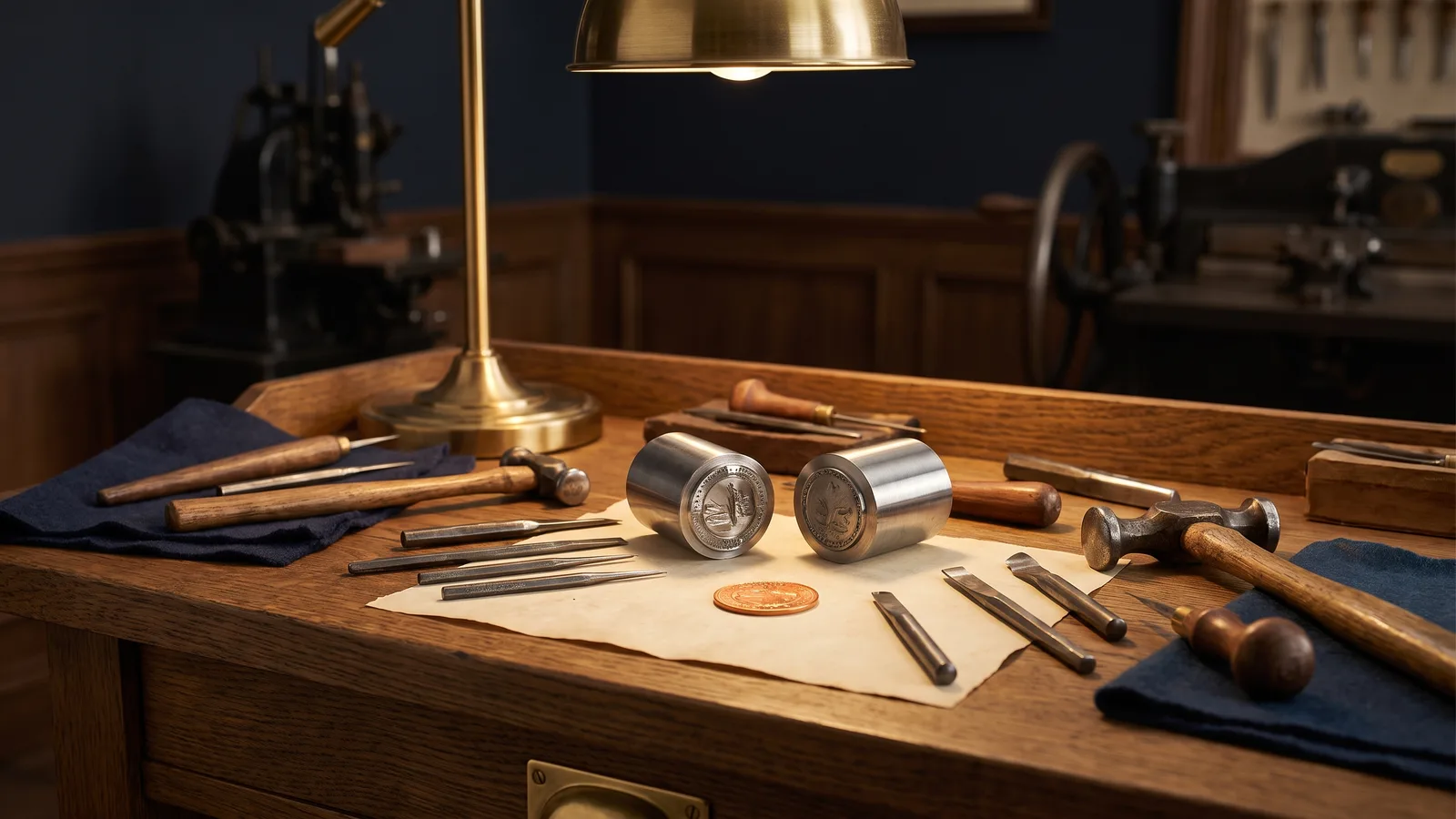
A mule is a token struck from two dies that were not designed to be used together. The term comes from the idea of an unnatural pairing, and it applies whenever an obverse die from one design meets a reverse die from another.
Civil War tokens are privately minted, cent-sized pieces (about 19mm, mostly copper or bronze) that circulated in the North from roughly 1861 to 1864 as an unofficial substitute for the federal cent. Because dozens of private die-sinkers cut thousands of dies, the raw material for mules was everywhere. When a die owner combined, say, a patriotic obverse with an unrelated store-card reverse, the result was a mule that no merchant had ordered for commerce.
For background on the series as a whole, see the pillar overview in our complete guide to Civil War tokens.
How Civil War Token Mules Arose
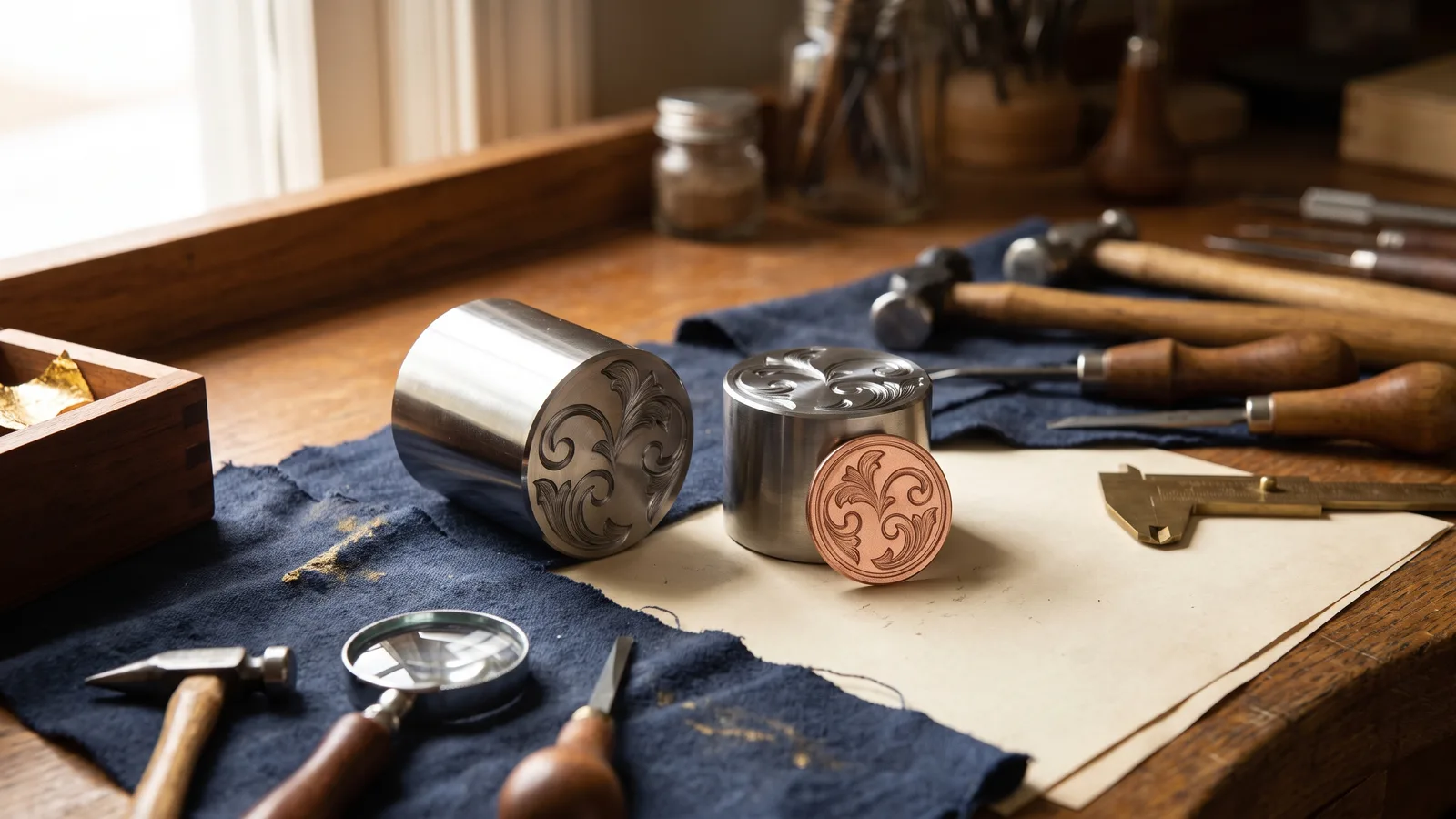
Most Civil War token mules were created not by accident during the war but on purpose afterward, when die owners recombined surviving dies to make novelties for collectors. A smaller number occurred during the war years when a shop paired whatever dies were at hand.
The private nature of the series is the key. When a die-sinker or a later owner held a drawer of leftover obverse and reverse dies, striking a fresh combination cost almost nothing and produced something no one had seen before. By the late 1860s and beyond, a collector market already existed, and unusual pairings sold well. That incentive is why the mule category grew after the guns fell silent rather than during the coin shortage that produced the tokens in the first place.
What Are Off-Metal Strikes?
An off-metal strike is a token struck in a metal other than the one normally used for that design, such as silver, white metal, brass, or copper-nickel instead of the usual copper. These were often produced in small numbers, frequently for collectors rather than for circulation.
Standard Civil War tokens are mostly copper, sometimes brass or copper-nickel. The Fuld reference system records the metal with a letter suffix, where 'a' means copper, 'b' means brass, and 'f' means silver, with other letters covering nickel, German silver, white metal, and tin. A silver off-metal example of a common copper token can be far scarcer than the copper version, which is exactly what makes it collectible. Our guide to the metals used in Civil War tokens explains these suffixes in more detail.
Why Specialists Prize Mules and Off-Metals
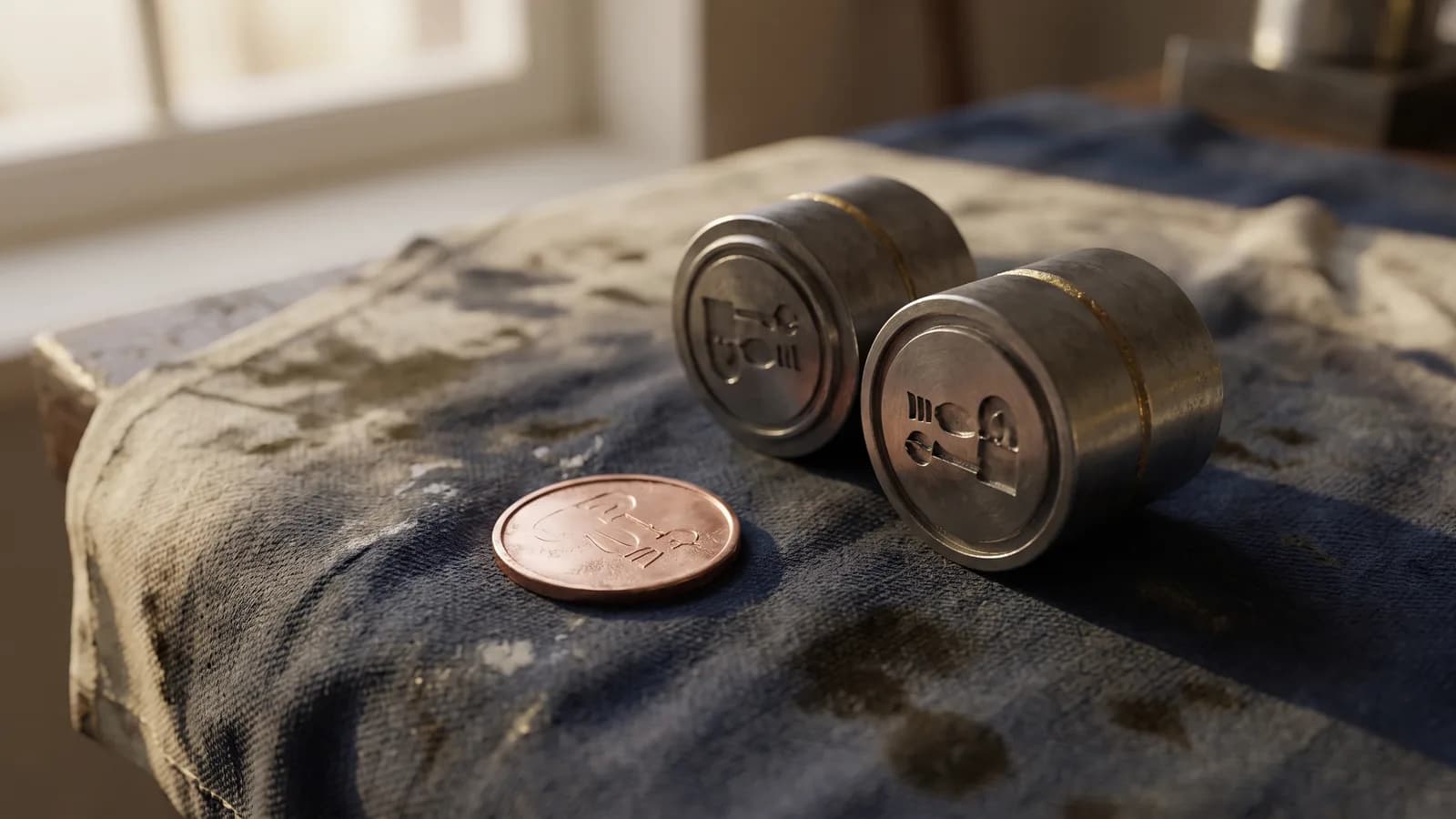
Specialists value mules and off-metal strikes mainly for scarcity and novelty, since both categories exist in far smaller numbers than standard copper tokens. A collector assembling a die-variety set or a metals set will pay a premium to fill these slots.
The demand is real, but it comes with a condition that separates careful collecting from speculation. Because many of these pieces are deliberate creations rather than wartime currency, an honest seller discloses that status. A silver off-metal or an unusual die pairing described plainly as a postwar concoction is still collectible and valuable. The same piece sold as a circulating wartime rarity would be misleading, and the market discounts anything whose story does not hold up.
Genuine Wartime Piece or Postwar Fantasy?
The practical way to tell a genuine period piece from a postwar fantasy is to rely on provenance, standard references, and third-party certification rather than eye appeal alone. No single feature settles the question, so collectors triangulate.
Start with the standard Fuld catalogs published by the Civil War Token Society, which record known die combinations and metals. A pairing or off-metal that does not appear in the references, or appears flagged as a later product, is a signal to slow down. Documented ownership history adds weight, since a piece traced through known collections is easier to trust. Finally, PCGS and NGC grade and attribute Civil War tokens, and a certified holder that names the variety and metal removes much of the guesswork. For related warning signs, see our guide on how to spot fake Civil War tokens. If you are evaluating an inherited or unfamiliar piece, a listed numismatic appraiser can attribute it in person.
Mule vs Off-Metal vs Standard Token
The three categories differ in what they are, why they exist, and how collectors treat them. The table below summarizes the practical distinctions.
| Type | What it is | Why it exists | Collector view |
|---|---|---|---|
| Standard token | Copper or bronze token in its intended die pairing | Struck as wartime small change or advertising | The baseline of the series; common types are affordable |
| Mule | Two dies never meant to be paired together | Often recombined after the war as a novelty | Prized for scarcity; concoction status must be disclosed |
| Off-metal strike | Same design in an unusual metal (silver, white metal, copper-nickel) | Made in small numbers, frequently for collectors | Scarce and desirable; provenance and metal attribution matter |
What Are Mules and Off-Metals Worth?
Because scarcity and novelty drive the market, genuine mules and desirable off-metal strikes commonly carry a strong premium over ordinary copper tokens, often into the hundreds of dollars and higher for the rarest pieces. Common copper tokens by comparison run roughly $15 to $40 in circulated grades.
Value depends heavily on the exact variety, the metal, the grade, and how well the piece is documented. A silver off-metal of a popular design or a well-attested mule can reach the hundreds to low thousands, while a poorly documented piece of uncertain status trades at a discount no matter how unusual it looks. Attribution genuinely moves the number, since a single Fuld-number difference can separate a modest token from a scarce one. For a broader look at the top of the market, see the most valuable Civil War tokens, and browse rare coin dealers when you are ready to buy or sell. The Wikipedia overview of Civil War tokens offers additional historical context.
Frequently asked questions
Is a Civil War token mule fake?+
Not necessarily. A mule is a real token struck from two dies that were not meant to be paired. Many are legitimate collectibles, but because a large share were made after the war as novelties, an honest seller discloses that status rather than presenting the piece as circulating wartime currency.
What is an off-metal strike?+
An off-metal strike is a token made in a metal other than its usual one, such as silver, white metal, or copper-nickel instead of copper. These were often produced in small numbers, frequently for collectors, which makes them scarcer than the standard copper version.
How can I tell if my mule is a genuine wartime piece?+
Check it against the standard Fuld references from the Civil War Token Society, look for documented ownership history, and consider PCGS or NGC certification, which attributes the variety and metal. A pairing that is unlisted or flagged as a later product should be treated with caution.
Are mules and off-metals worth more than standard tokens?+
Usually yes. Scarcity and novelty mean genuine mules and desirable off-metals often carry a strong premium, frequently into the hundreds of dollars or more, while common copper tokens run about $15 to $40 in circulated grades. Attribution and provenance drive the exact figure.
Why were mules made after the Civil War?+
Private die owners held surviving dies and a collector market already existed by the late 1860s. Striking a new die combination cost little and produced a novelty that sold well, so many mules were deliberately created after the war rather than during it.