
How Coin Appraisals Work
An appraisal is a professional opinion of value, documented in writing. People seek one for insurance, estate settlement, equitable division among heirs, or simply to know what a collection is worth before selling. Understanding the process helps you get an accurate, useful result.
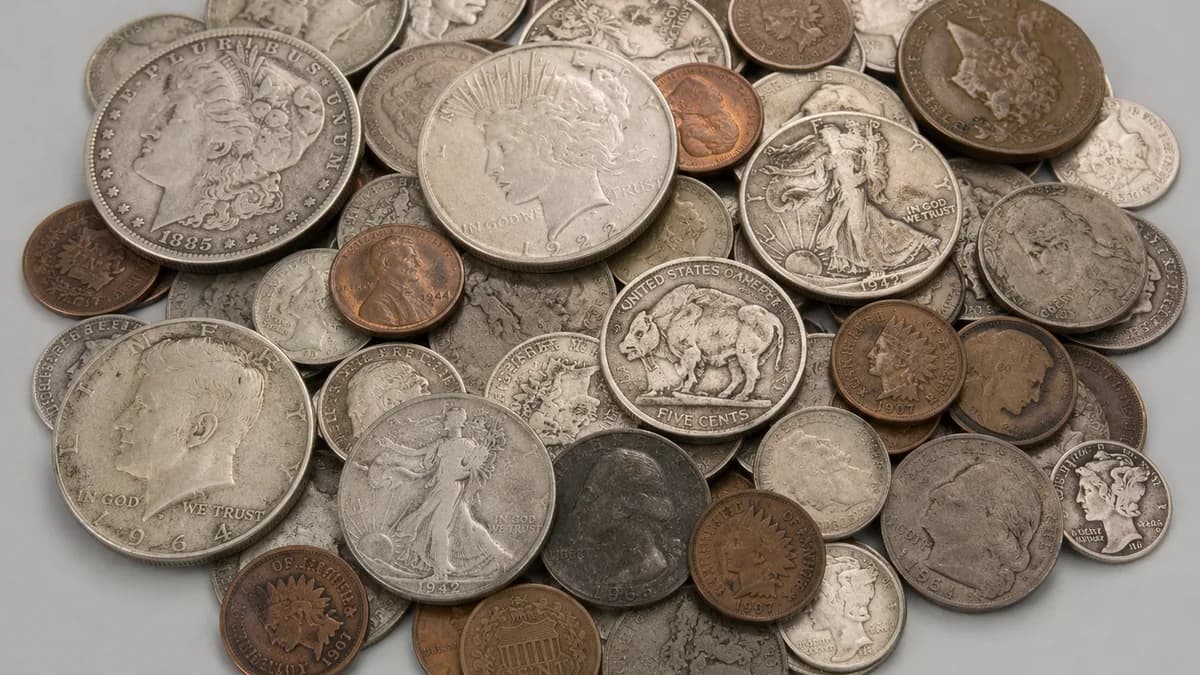
Key takeaways
- An appraisal is an independent, written opinion of value you pay for; a dealer's offer to buy is necessarily lower because they resell at a margin.
- Grade drives value — coins use the 70-point Sheldon scale, and a difference of a few grades can multiply a coin's worth.
- A good appraisal is itemized, states its valuation basis (insurance, fair market, or liquidation), and lists the appraiser's credentials.
- Expect an hourly or flat fee, never a percentage of value — percentage pricing creates a conflict of interest.
What is a coin appraisal?
A coin appraisal is an independent, written opinion of value, prepared by a qualified professional. It documents what a coin or collection is worth on a stated basis — and that documentation is the whole point.
People get one for insurance, settling an estate, dividing a collection fairly among heirs, or simply to know what they have before selling. Understanding the process helps you get an accurate, useful result rather than a number you can't rely on.
Appraisal vs. an offer to buy: what's the difference?
An appraisal and a buy offer are not the same thing, and conflating them causes confusion. An appraisal is an independent valuation you typically pay for, often at retail or insurance-replacement value. A dealer's offer to buy is what they'll actually pay — necessarily lower, because they resell at a margin.
For an unbiased number, use an appraiser who isn't also trying to buy the collection. A free 'evaluation' is almost always a buy offer in disguise.
What kind of value does an appraisal report?
A good appraisal states which value it's reporting, because the same coin is worth different amounts depending on the purpose. The three common bases are below.
| Basis | What it means | Used for |
|---|---|---|
| Insurance replacement | Retail cost to replace the coin | Insuring a collection |
| Fair market value | Price between willing buyer and seller | Estates, equitable division, tax |
| Liquidation value | What you'd net selling quickly | A fast sale |
When do I actually need an appraisal?
You need a formal appraisal when you need documentation — for insurance coverage, an estate, dividing coins among heirs, or a charitable donation. For simply selling, you may not: comparing two or three dealer offers can be enough for a modest, mostly-common lot.
Our guide on selling a coin collection covers when an appraisal is worth the fee and when offers will do.
How does grade drive the value?
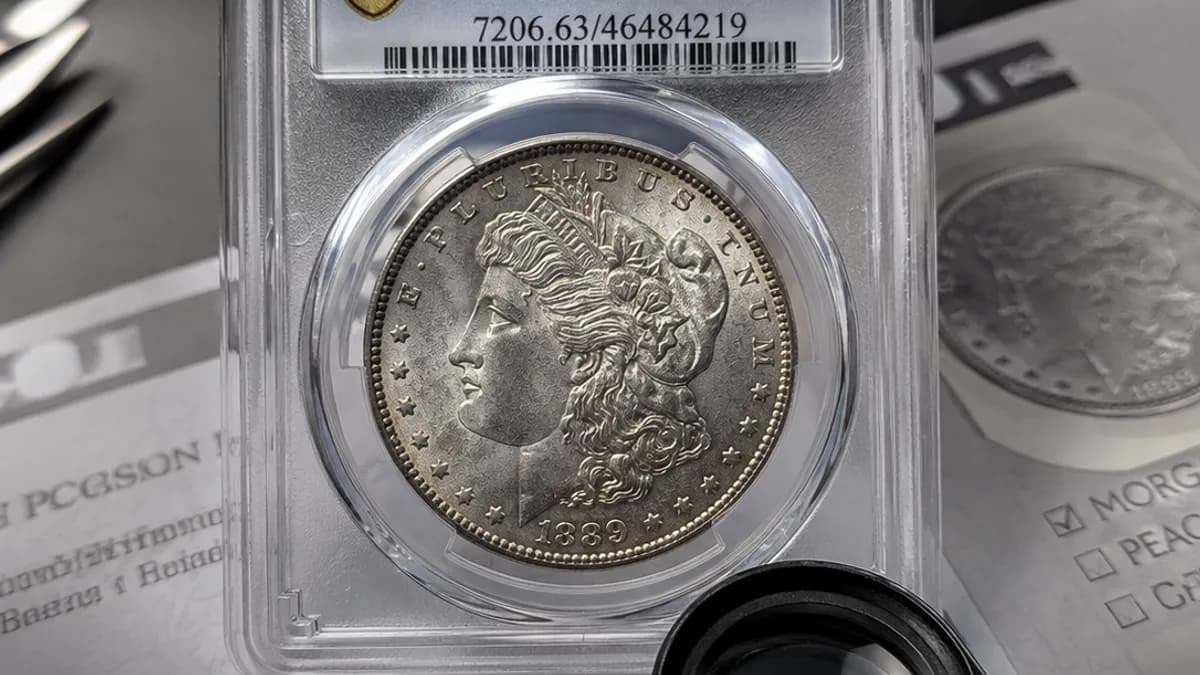
Condition is everything in numismatics, and grade is condition measured on a standard scale. Coins are graded on the 70-point Sheldon scale, from heavily worn to a flawless 70, and the difference between two grades can multiply a coin's value many times over.
Professional appraisers know these standards, and significant coins are often sent to third-party graders like PCGS or NGC, whose certified, encapsulated grades the market trusts. See what your coins are worth for how grade fits the bigger picture.
What should a good appraisal include?
Expect an itemized list of significant pieces with dates, mint marks, grades, and values; a clear statement of the valuation basis; the date of the appraisal; and the appraiser's credentials. Bulk common material may be valued in lots rather than coin by coin, which is normal and reasonable.
Credentials matter — look for membership in a body like the American Numismatic Association and experience with material like yours.
What does a coin appraisal cost?
Appraisers typically charge an hourly rate or a flat fee based on collection size — never a percentage of value, which creates a conflict of interest. Avoid anyone who prices their appraisal as a cut of the total.
For insurance or estate work, a documented, defensible valuation is well worth the fee. Find qualified numismatic appraisers near you, and ask up front about credentials, method, and fee.
Frequently asked questions
How much does a coin appraisal cost?+
Usually an hourly rate or a flat fee scaled to the collection's size, rather than a percentage of value. Ask for the fee structure before you commit, and be cautious of percentage-based pricing.
Do I need coins graded before an appraisal?+
Not necessarily — a qualified appraiser can grade in hand. For especially valuable coins, third-party grading (PCGS/NGC) adds market-trusted certification that can raise both value and liquidity.
Is a free dealer evaluation the same as an appraisal?+
No. A free evaluation is usually a buy offer, which is lower than replacement value by design. For insurance or estate purposes, get an independent written appraisal.
What's the difference between an appraisal for insurance and for selling?+
An insurance appraisal reports retail replacement cost, which is higher; a selling-oriented valuation reflects fair market or what a dealer will actually pay. Make sure the appraisal states which basis it uses.