
How to Start Collecting Hard Times Tokens
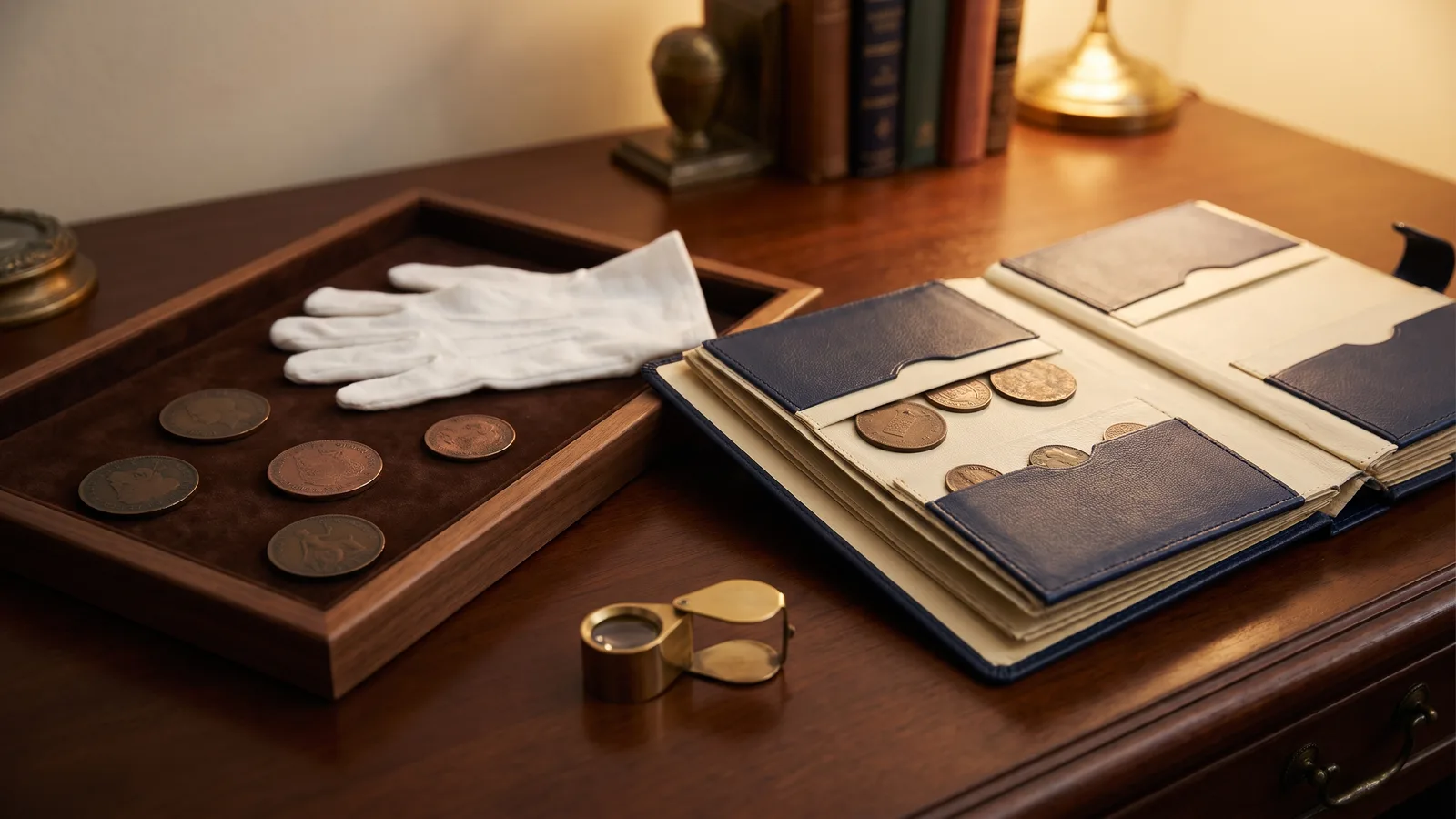
Collecting Hard Times tokens is one of the most approachable ways into 19th-century American numismatics, because the field is affordable, deeply historical, and full of variety. Hard Times tokens are privately made copper pieces, most about the size of the old U.S. large cent, that circulated as unofficial cents in the United States from roughly 1832 through 1844 during the economic turmoil around the Panic of 1837. Common political tokens and merchant store cards frequently sell for about $20-$60 in circulated grades, so a beginner can build a meaningful collection without a large budget. For the full background, see the [Hard Times tokens pillar guide](/guides/hard-times-tokens-guide).
Key takeaways
- Hard Times tokens are an affordable entry into 19th-century American history, with common political tokens and merchant store cards often selling for about $20-$60 in circulated grades.
- Most collectors choose a focus, such as political satire, merchant store cards by city or trade, a type set of famous designs, or the abolitionist pieces, rather than trying to buy everything.
- The standard references are Lyman Low's original catalog and Russell Rulau's expanded work, which assigns the HT numbers now used to identify pieces.
- Because these are copper, color and surface quality drive price; avoid cleaned or corroded pieces and consider certified examples for anything expensive.
Why Are Hard Times Tokens a Good Field for Beginners?
Hard Times tokens reward new collectors because they combine low entry prices with genuine historical weight and almost endless variety. You get real 1830s and 1840s copper tied to President Andrew Jackson's Bank War and the Panic of 1837, at prices well below most federal coins of the period.
The series is large and varied, ranging from biting political satires to plain merchant advertisements, so there is room to specialize by theme, city, trade, or design. That variety means you can keep finding new pieces for years without repeating yourself, and it makes the hunt itself part of the appeal. For a sense of what the whole series covers, the pillar overview lays out the history and main types.
The takeaway: few historical U.S. series offer this much history and choice at this price, which is why many collectors start here.
How Do I Choose a Focus?
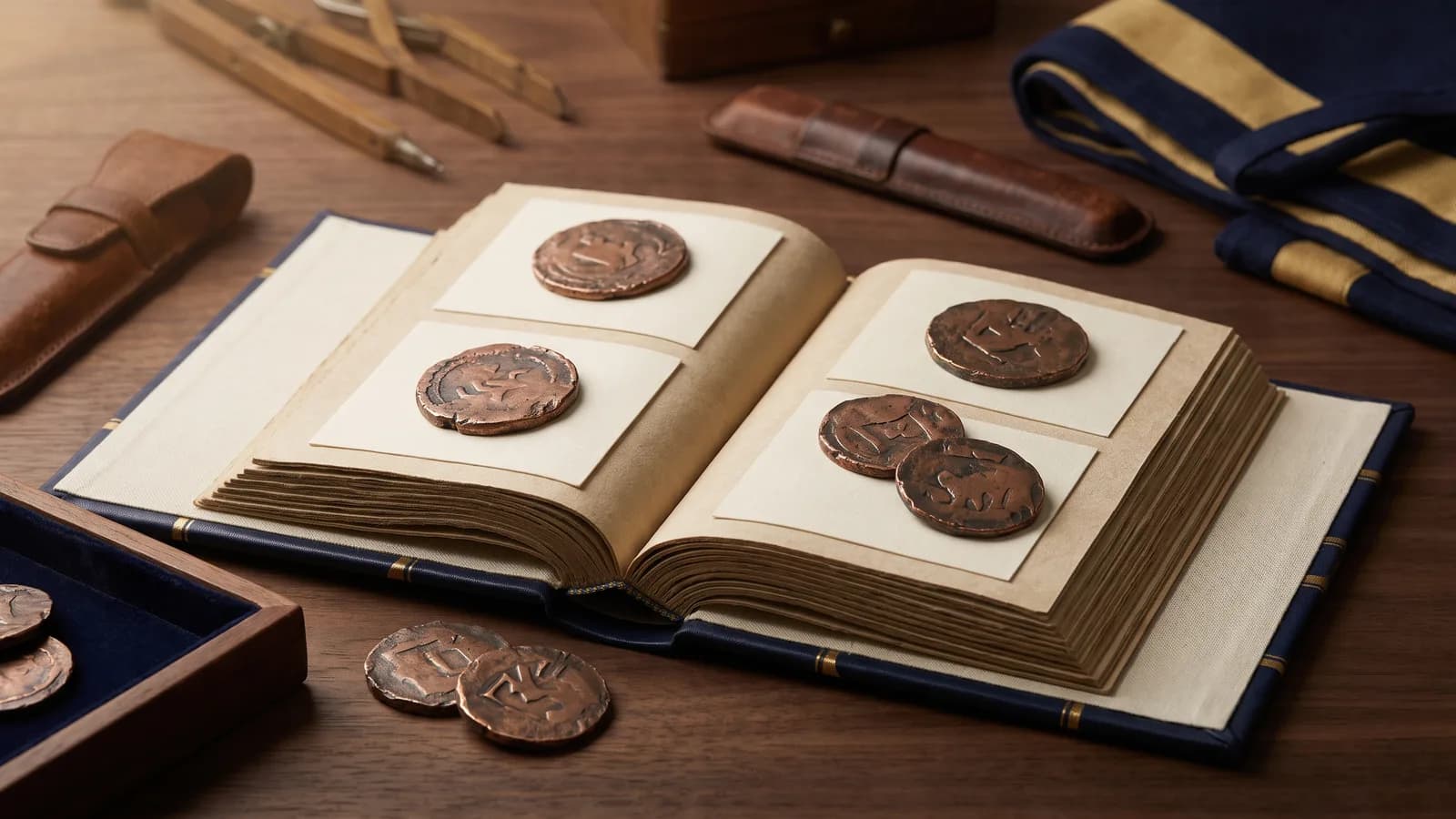
Pick one collecting approach rather than buying at random, because a defined focus makes your collection more coherent and more satisfying to complete. Most collectors settle on political satire tokens, merchant store cards, a type set of famous designs, or the abolitionist pieces.
Political tokens attack or mock Jackson, Martin Van Buren, and the Second Bank of the United States; many imitate the large cent's Liberty head but read "NOT ONE CENT." Merchant store cards, also called tradesman's cards, advertise a private business by name, trade, and city, which lets you collect by your own hometown or by an occupation you find interesting. A type set gathers one example of each famous design, and the abolitionist pieces such as "AM I NOT A WOMAN AND A SISTER" form a small but historically powerful group.
The table below compares the main approaches so you can match one to your interests and budget. The takeaway: choose a lane first, then let the market bring pieces to you.
| Approach | What you collect | Pros | Starting budget note |
|---|---|---|---|
| Political / satirical | Anti-Jackson, anti-Van Buren, and Bank War designs | Strong history and visual variety; many affordable common types | Common pieces often $20-$60; scarcer satires run into the hundreds |
| Merchant store cards | Business cards by city and trade | Collect your hometown or a trade; local-history appeal | Common cards often $20-$60; rare cities or trades cost more |
| Type set of famous designs | One example of each iconic design | A curated highlight reel of the series | Budget varies widely; mix of common and scarce types |
| Abolitionist pieces | "Woman and a Sister" and related tokens | Historically important and widely admired | Higher entry; genuine examples can reach the hundreds or more |
What Does a Starter Budget Buy?
A modest starter budget goes a long way in this series, because so many pieces sit in the $20-$60 range. With roughly $200 to $300 you can assemble a small but real collection of several common political tokens and merchant store cards in Fine to Very Fine condition.
If you can stretch to nicer surfaces, common types in About Uncirculated to Uncirculated grades commonly run about $75-$250, so a similar budget might instead buy one or two attractive higher-grade pieces. Scarcer political satires and less common merchants climb into the hundreds, and genuine rarities reach the thousands, so it helps to decide early whether you value quantity or quality. For how these prices are set across grades, see the Hard Times tokens value guide.
The takeaway: a few hundred dollars is enough to start seriously, so buy the best examples your budget allows rather than the most pieces.
Where Should I Buy Hard Times Tokens?
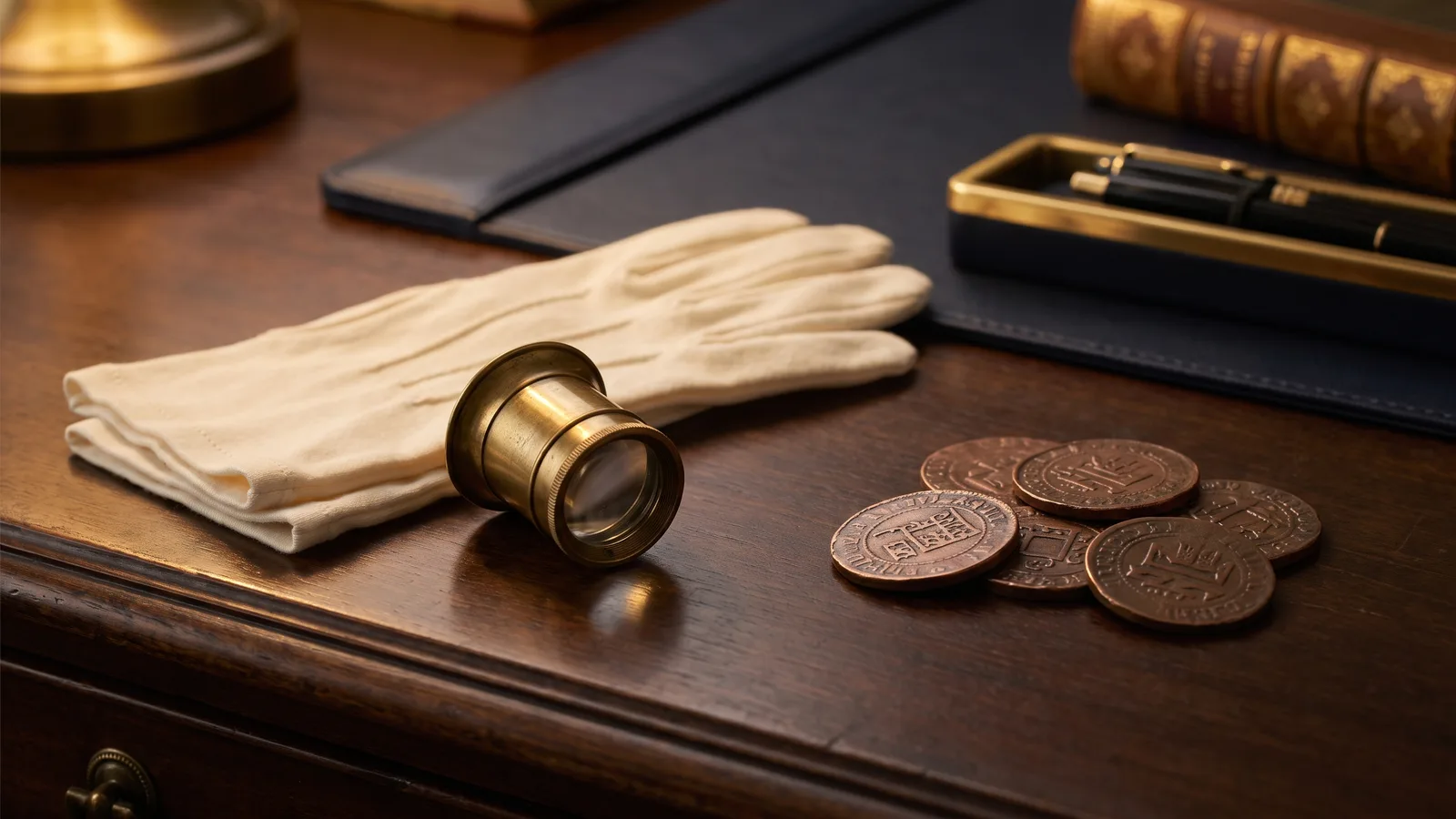
Buy from a mix of local coin shops, coin shows, specialist token dealers, and established auctions, because each source offers different pieces and different value. Handling tokens in person, especially early on, teaches you far more than photos can.
Local coin shops let you inspect pieces directly and build a relationship; find nearby options through the coin shops directory. Coin shows put many dealers in one room, which is ideal for comparing pieces and prices, and our coin shows guide explains how to work a show. Specialist dealers who focus on tokens and medals, listed under medals and tokens, tend to carry deeper inventory and can help you find specific varieties. Major auctions are where scarcer and higher-value pieces surface.
For anything expensive, buy pieces already certified by PCGS or NGC, because independent grading and authentication protect you against cleaned, damaged, or altered pieces. The takeaway: start local and at shows to learn, then use dealers and auctions as you target specific pieces.
Which References Do I Need?
Two catalogs anchor the series, and both are worth knowing before you spend much. Lyman H. Low first cataloged Hard Times tokens in 1899, and pieces are still cited by Low numbers, written as L followed by a number.
Russell Rulau later greatly expanded the reference and added HT numbers, which are now the standard way to identify a piece, so you will often see both an L number and an HT number quoted for the same token. Learning to read these attributions is the core skill of the hobby, and our guide to identifying Hard Times tokens walks through it. The free Newman Numismatic Portal hosts scanned numismatic literature and is a valuable place to research designs and history at no cost.
The American Numismatic Association is another solid resource for education and dealer referrals. The takeaway: keep a numbering reference handy so you always know exactly which variety you are buying.
How Do I Judge Condition and Copper Color?
Condition and color matter more with copper than with most metals, so learn to read them before you buy. Graders describe copper color with three abbreviations: BN for brown, RB for red-brown, and RD for full original red, with more original red generally commanding a premium at a given grade.
Beyond color, look at wear, strike, and surfaces. Avoid pieces that have been cleaned, which often show unnatural brightness or fine hairline scratches, and steer clear of corroded, pitted, or heavily damaged copper, because these problems are permanent and hurt both eye appeal and value. A pleasing, original brown piece is usually a better buy than a brighter but cleaned one. For the mechanics of grading, see coin grading explained.
The takeaway: prioritize original, problem-free surfaces over raw sharpness, and treat cleaning or corrosion as a reason to pass.
How Do I Store Copper Tokens Safely?
Store copper tokens in inert, archival holders and keep them dry, because copper reacts easily and spots or tones when exposed to moisture or reactive materials. The goal is to preserve original surfaces, since damage cannot be undone.
Use holders made of inert plastic, such as Mylar flips or hard capsules, and avoid older PVC-based flips, which can leave a green residue that harms copper over time. Keep tokens away from humidity, handle them by the edges, and never clean them yourself. Our guide to storing coins covers holders, humidity control, and handling in more detail.
The takeaway: inert holders plus a dry, stable environment will protect your copper for decades.
A First-Purchase Example
A sensible first purchase is a common, well-known type in honest circulated condition, which teaches you the market without much risk. Suppose you set aside about $50 and choose a political focus.
At a coin show you find a Liberty-head imitation reading "NOT ONE CENT" in Very Fine, with even brown surfaces and no cleaning or corrosion, priced at $45. It is a recognizable design, the price sits within the typical $20-$60 range for common circulated pieces, and the surfaces are original, so it is a solid buy. You confirm the attribution against a Rulau HT number, note it, and store it in an inert flip.
From there you might add a merchant store card from your own city, then a second political design, gradually building a small themed set. If you later develop an interest in the token idea's revival during the 1860s, the guide to collecting Civil War tokens is a natural next step. The takeaway: start with one honest, common piece, learn from it, and expand deliberately.
Frequently asked questions
How much money do I need to start collecting Hard Times tokens?+
Not much. Common political tokens and merchant store cards often sell for about $20-$60 in circulated grades, so a few hundred dollars can build a small but genuine collection. Buy the best examples your budget allows rather than the most pieces.
Are Hard Times tokens legal to buy and sell?+
Yes. Hard Times tokens were privately made and never official legal tender, but they passed at one cent by public acceptance in the 1830s and 1840s. Owning, buying, selling, and collecting them today is completely legal.
Should I buy raw or certified Hard Times tokens?+
For inexpensive common pieces, raw tokens bought in person are fine once you can spot cleaning and corrosion. For anything expensive, favor examples certified by PCGS or NGC, since independent grading protects you against altered or damaged pieces.
What is the difference between a Low number and an HT number?+
Both identify a specific token. Lyman Low's 1899 catalog assigned Low numbers, written as L followed by a number. Russell Rulau later expanded the reference and added HT numbers, which are now the standard, so pieces are often cited with both.
How are Hard Times tokens different from Civil War tokens?+
Hard Times tokens date from about 1832 to 1844 and are large-cent sized, roughly 28-29mm. Civil War tokens date from 1861 to 1864 and are small-cent sized, roughly 19mm. Each imitated the federal cent of its own era.