
Were Civil War Tokens Legal? History and Legal Status
Whether Civil War tokens were legal tender is a common question, and the direct answer is no. Civil War tokens were never official legal tender. They were privately minted cent-sized pieces that circulated in the North from about 1861 to 1864, accepted informally at one cent because real coins had disappeared during the war. They were tolerated by the public, then curbed by Congress in 1864. Owning and collecting them today is completely legal, but they were never money in the legal sense.

Key takeaways
- Civil War tokens were never legal tender. They were privately made cent-sized pieces that passed informally at one cent because federal coins had vanished from circulation.
- The Coinage Act of April 22, 1864 introduced the bronze cent and the two-cent piece bearing In God We Trust, and a follow-up act of June 8, 1864 (later codified as 18 U.S.C. 486) made issuing private one-cent tokens a federal crime.
- Those two 1864 laws ended new token production, not by seizing existing pieces but by making further minting illegal.
- Owning, buying, selling, and collecting Civil War tokens is completely legal today; they simply are not money.
- Genuine Civil War tokens differ from period counterfeit cents, which imitated federal coins and were illegal then and now.
Were Civil War Tokens Ever Legal Tender?
No. Civil War tokens were never legal tender and no law ever made them official money. A Civil War token is a privately produced piece, about the size of the cent (roughly 19mm and usually copper or bronze), struck by private die-sinkers rather than by the U.S. Mint.
Legal tender means a government has declared something valid for settling debts. These Civil War tokens carried no such backing. They moved from hand to hand purely on public acceptance, valued at one cent because that is what people agreed to treat them as. When Congress acted in 1864, it did not demote them from legal tender; they had never held that status to begin with.
For the full background on how these pieces were made and cataloged, see our Civil War tokens guide.
How They Circulated Without Being Money

Civil War tokens circulated on trust during a severe coin shortage, filling a gap the government could not. As the war dragged on, people hoarded gold, then silver, then even the copper-nickel Indian Head cent. Small change vanished, and merchants could not make change for ordinary purchases.
Private die-sinkers stepped in and struck cent-sized tokens by the millions, an estimated 25 million in circulation by 1864 across roughly 7,000 to 8,000 varieties (see the overview from the Civil War Token Society). Shopkeepers handed them out as change and accepted them back at one cent, so a token issued in one shop often spent freely at the next.
The pieces came in recognizable forms. Patriotic tokens carried slogans and designs such as an eagle, a flag, or The Union Must and Shall Be Preserved. Store cards advertised a private business by name and city. Sutler tokens, the rarest type, were issued by merchants attached to army regiments. None of them was money, yet all of them worked as money because the alternative was having no small change at all.
Why the Government Moved Against Them
The government acted because private tokens were competing directly with federal coinage. Every token that circulated at one cent was a cent the U.S. Mint did not issue, and the Treasury wanted control of the nation's small change restored.
There was also a profit angle. Many tokens cost the issuer less than a cent to strike, yet passed at a full cent, so merchants and die-sinkers sometimes profited on the spread between production cost and face value. That gap looked less like emergency relief and more like private parties minting money for gain.
By 1864 the Mint had a practical fix in hand. A new lighter bronze cent could be produced cheaply enough to flood circulation and make the private substitutes unnecessary, which set the stage for the laws that followed.
The Two 1864 Laws That Ended Production
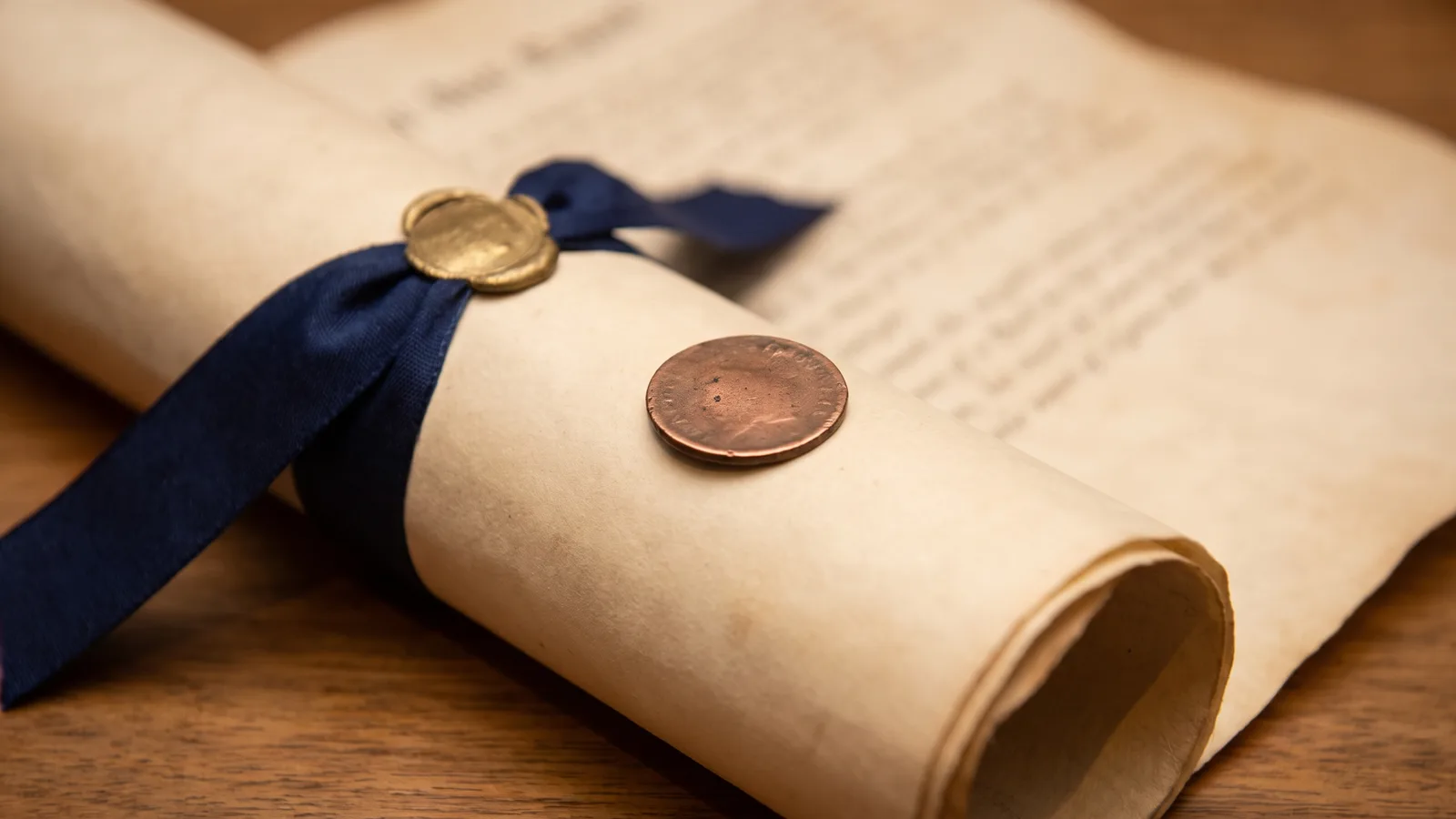
Two federal laws in 1864 ended Civil War token production. The Coinage Act of April 22, 1864 introduced the bronze cent (95 percent copper) and the two-cent piece, which was the first U.S. coin to carry the motto In God We Trust. That act gave the Mint a workable low-cost cent and restricted private cent coinage.
A follow-up act of June 8, 1864, later codified as 18 U.S.C. 486, made issuing private one-cent tokens a federal crime carrying fines and possible imprisonment. Between the new federal cent and the criminal penalty, the incentive and the legal room to strike tokens both disappeared, and new production stopped.
Importantly, these laws targeted future minting, not the tokens already in people's pockets. Existing pieces were not confiscated; they simply faded from circulation as genuine cents became plentiful again. The details behind that new two-cent coin appear in our two-cent piece value guide.
| Date or period | What happened | Legal status of tokens |
|---|---|---|
| 1861 to 1864 | Private tokens circulate during the coin shortage | Not legal tender; accepted informally at one cent |
| April 22, 1864 | Coinage Act introduces the bronze cent and two-cent piece | Private cent coinage restricted |
| June 8, 1864 | Act later codified as 18 U.S.C. 486 bans private one-cent tokens | New production becomes a federal crime |
| Today | Tokens are collected as historical artifacts | Legal to own, buy, sell, and collect; not money |
Is It Legal to Own Civil War Tokens Today?
Yes. Owning, buying, selling, and collecting Civil War tokens is completely legal today. The 1864 laws stopped new private minting; they never made possession or trade of existing tokens unlawful, and nothing since has.
These pieces are treated exactly like any other historical collectible. They trade openly at coin shows, through dealers, and at auction, and are certified by grading services such as PCGS and NGC. Common patriotic tokens and store cards often sell for about $15 to $40 in circulated grades, with scarcer varieties and off-metal strikes running well higher.
If you have inherited or found tokens and want to sell or appraise them, you can locate specialists through the tokens and medals directory or browse rare coin dealers who handle nineteenth-century material.
How This Differs From Counterfeiting
Civil War tokens are not counterfeits, and the distinction is legal as well as historical. A counterfeit cent imitates a genuine federal coin in order to pass as that coin, which was illegal during the war and remains illegal now.
Most Civil War tokens made no attempt to copy a U.S. cent. Patriotic and merchant designs looked clearly different, and some deliberately read Not One Cent so the word Not gave legal cover against laws about imitating federal coinage. They asked to be accepted as private tokens, not passed off as government money.
The practical concern for collectors today is not legality but authenticity, since modern fakes and altered pieces exist. For guidance on separating genuine tokens from reproductions, see how to spot fake Civil War tokens, and for how these pieces compare with the earlier private cents of the 1830s, see Civil War tokens versus Hard Times tokens.
Frequently asked questions
Were Civil War tokens legal tender?+
No. They were never official legal tender. They circulated informally at one cent because federal coins were scarce, but no law ever made them government money.
Is it legal to own Civil War tokens now?+
Yes. Owning, buying, selling, and collecting Civil War tokens is completely legal. The 1864 laws stopped new private minting, not possession of existing tokens.
What law made Civil War tokens illegal to produce?+
The act of June 8, 1864, later codified as 18 U.S.C. 486, made issuing private one-cent tokens a federal crime. The Coinage Act of April 22, 1864 had already introduced the cheap bronze cent that made them unnecessary.
Why did people use tokens if they were not real money?+
A wartime coin shortage left merchants unable to make change. Privately struck tokens circulated on public trust at one cent to keep everyday commerce moving.
Are Civil War tokens the same as counterfeit coins?+
No. Counterfeits imitate genuine federal coins and were illegal. Most Civil War tokens used distinct private designs, and some read Not One Cent to stay clear of laws against copying federal coinage.
Can I still spend a Civil War token at one cent?+
No. They have no legal-tender value. Their worth today is collector value, commonly $15 to $40 for common circulated pieces and much more for rarities.