
Elongated Coins (Pressed Pennies): History and Collecting
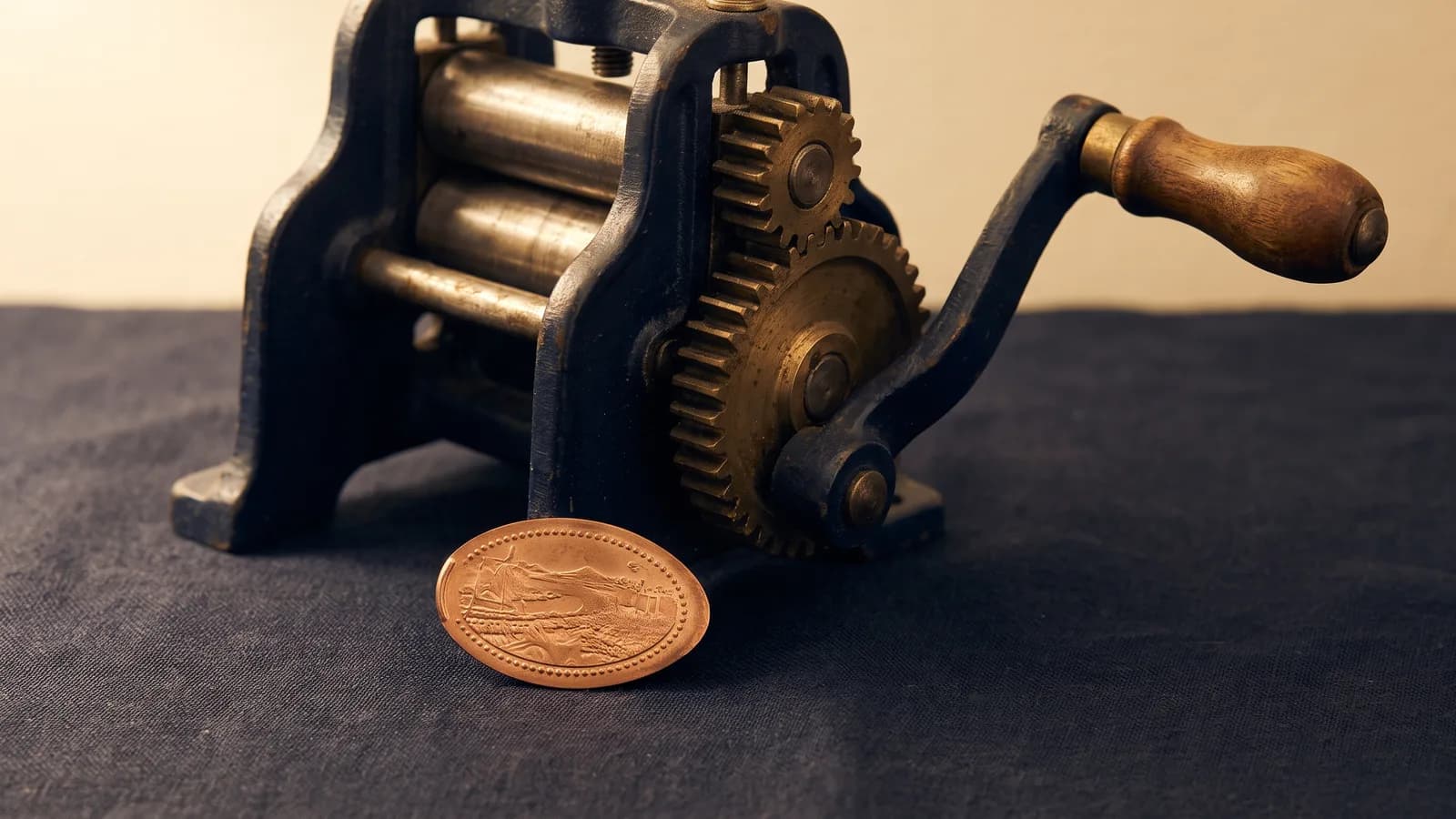
An elongated coin, better known as a pressed penny or squished penny, is a coin rolled under heavy pressure through a die-engraved roller that stretches it into an oval and impresses a souvenir design. The first U.S. elongated coins were made at the 1893 World's Columbian Exposition in Chicago. Most modern pressed pennies are worth little more than the coin and the novelty, but early and 1893 pieces can bring tens to low hundreds of dollars. This guide covers where elongated coins came from, how they are made, whether pressing a coin is legal, and how to start a collection.
Key takeaways
- An elongated coin, also called a pressed or squished penny, is a coin rolled under heavy pressure through a die-engraved roller that stretches it oval and impresses a souvenir design.
- The first U.S. elongateds were made at the 1893 World's Columbian Exposition in Chicago, where machines pressed visitors' coins for a few cents.
- Pressing your own coin for a souvenir is legal in the United States; defacing money with intent to defraud is not.
- Modern souvenir elongateds are worth little more than the coin and the novelty, while early and 1893 Columbian Exposition pieces can bring tens to low hundreds of dollars.
- Collectors organize through The Elongated Collectors (TEC).
What Is an Elongated Coin?
An elongated coin is a real coin, most often a U.S. cent, that has been rolled between engraved dies under heavy pressure so that it stretches into an oval and takes on a new souvenir design. The terms pressed penny and squished penny mean the same thing.
The host coin's original design is flattened and mostly erased in the process. What remains is a thin oval blank carrying whatever image the roller die held, such as a landmark, a mascot, or a park logo. Because pressing destroys the coin's original detail, elongateds are collected as souvenirs and folk art rather than for the value of the underlying coin.
Elongated coins are one branch of exonumia, the collecting of numismatic items other than government coins and paper money, alongside cousins like encased coins and love tokens. For a broad overview, see the Wikipedia entry on the elongated coin.
Where Did Pressed Pennies Come From?
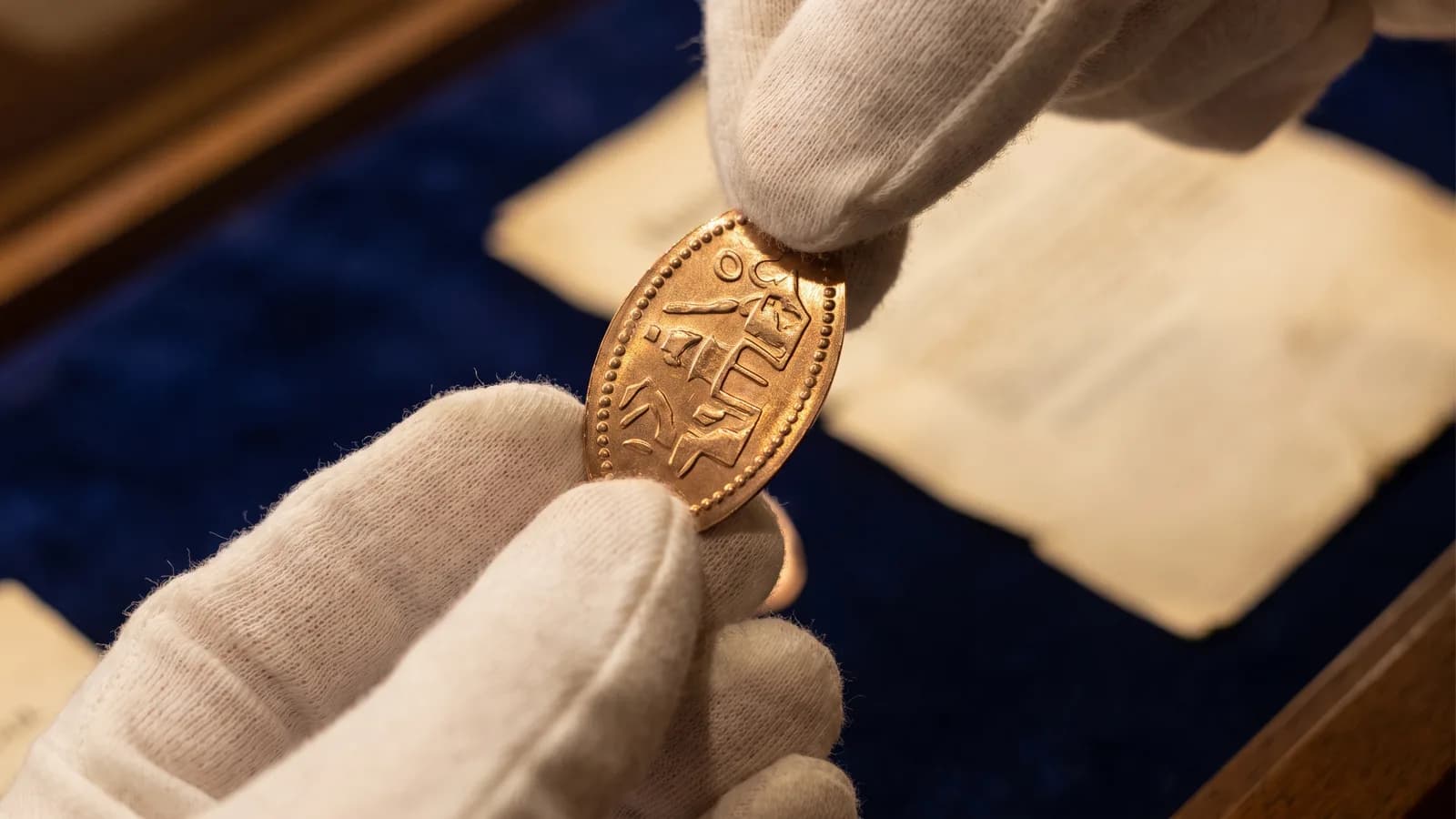
The first U.S. elongated coins were produced at the 1893 World's Columbian Exposition in Chicago, where machines pressed visitors' coins into oval souvenirs for a few cents. The exposition was a landmark event that also popularized other keepsakes, a story that overlaps with the medals covered in our guide to so-called dollars.
From those world's-fair beginnings the pressed penny spread to amusement parks, zoos, museums, and tourist attractions across the country. The self-service penny press, where a visitor inserts a coin and a small fee and turns a crank, became a familiar fixture and kept the tradition alive into the present day.
How Are Elongated Coins Made?
An elongated coin is made by passing a coin between two hardened steel rollers under tons of pressure. One roller carries the engraved design, and as the coin squeezes through it is stretched lengthwise and the new image is impressed into the soft metal.
Older and hand-cranked machines require the operator to turn the coin through by hand, which gives some collectors a distinction between hand-rolled pieces and fully automated ones. The engraved cylinder that carries the design is called the roller die. A single die can press many coins, so the scarcity of a given elongated depends largely on how long that die was in service and how many people used it.
Is It Legal to Press a Coin?
Pressing a coin into a souvenir is legal in the United States. Federal law prohibits defacing or altering coins with fraudulent intent, meaning altering a coin to pass it off as something more valuable or to cheat someone. Turning a cent into a keepsake carries no such intent, which is why penny-press machines operate openly at attractions nationwide.
This is a general explanation, not legal advice, and rules can differ in other countries. The practical takeaway is simple: making an elongated coin as a souvenir is fine, while altering money to defraud is not.
What Are Elongated Coins Worth?
Value depends almost entirely on age, scarcity of the roller die, and history rather than the metal. Modern souvenir elongateds are worth little more than the coin plus the novelty, commonly well under a few dollars. Early pieces are a different story: elongateds from the 1893 Columbian Exposition and other early expositions, along with scarce older rollers, can bring tens to low hundreds of dollars depending on design and condition.
Other value drivers include hand-rolled early pieces over mass-produced modern ones, retired or short-run designs, and elongateds struck on host coins other than the common cent, such as older large cents. As with any collectible, condition and eye appeal matter, and elaborate or historically significant designs command more.
| Type | Era and how made | Typical value |
|---|---|---|
| Modern souvenir | Late 1900s to today, automated penny-press machines | A few cents to a few dollars over the coin |
| Mid-century issue | Roughly 1930s to 1970s, older machines and rollers | Low single digits to tens of dollars |
| Early or 1893 exposition | 1893 Columbian Exposition and early expos, often hand-rolled | Tens to low hundreds of dollars |
How to Start Collecting Elongated Coins
The easiest way to start is to press coins yourself at the parks, zoos, and attractions you already visit, which builds a personal collection for pennies plus the small machine fee. Many collectors organize their pieces by theme, such as national parks, sports teams, or world's fairs, or by geography.
For older and scarcer pieces, look beyond machines. Coin shops, shows, estate sales, and online listings all turn up vintage elongateds, and a local dealer can help you gauge age and rarity. Use our directory to find a shop in the medals and tokens category or a broader collectibles shop near you. The national club, The Elongated Collectors (TEC), publishes a newsletter and is a good resource for attribution and community. General collecting education is also available through the American Numismatic Association.
How to Store and Preserve Pressed Pennies
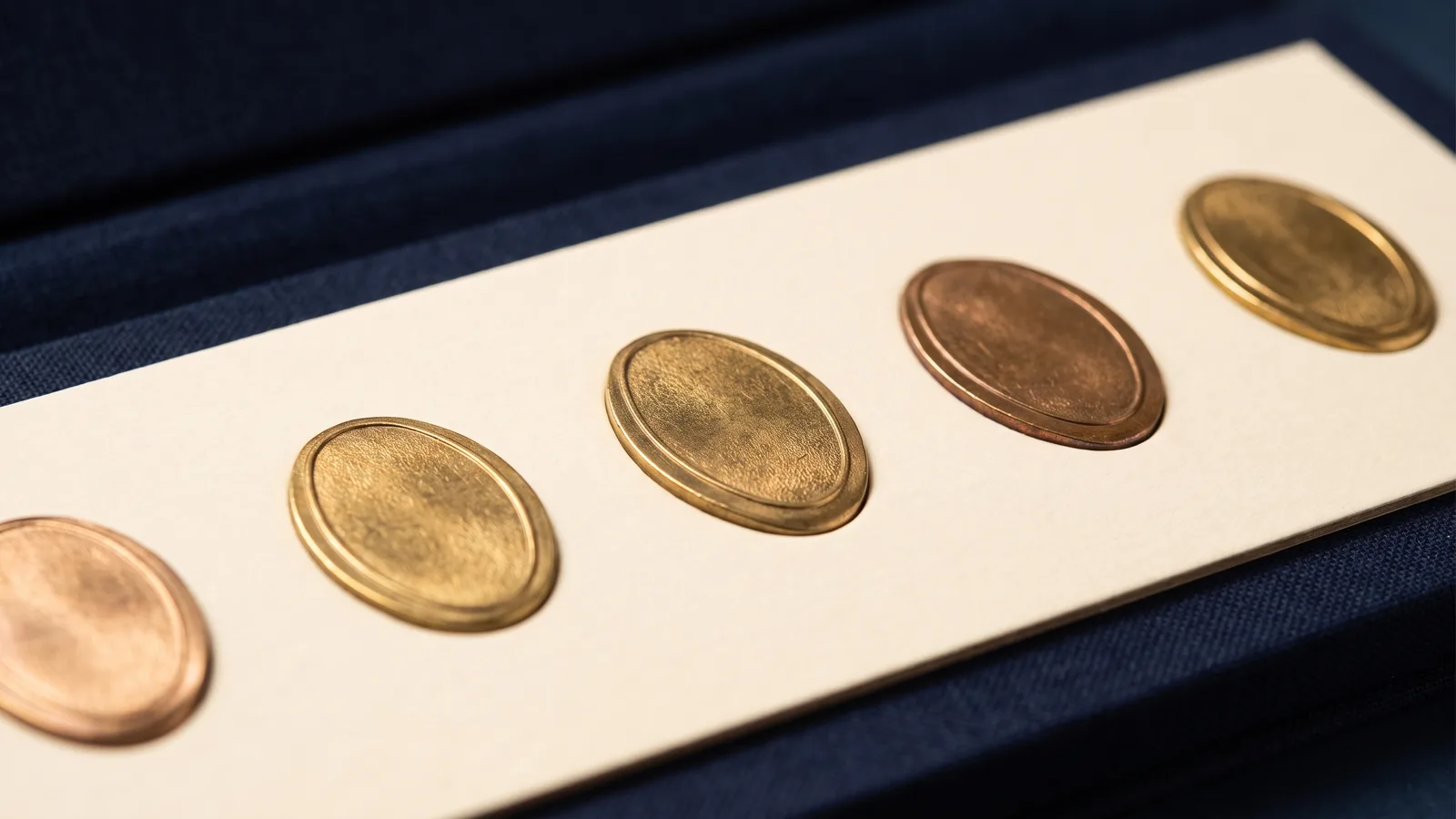
Store elongated coins the way you would any coin: keep them dry, handle them by the edges, and never clean them, since cleaning can scratch the soft surface and reduce appeal. Elongated coins are oval and thin, so they do not fit standard round coin holders.
Common storage options include specialty elongated-coin album pages with oval slots, small paper or Mylar flips, and archival-safe folders. Avoid materials that can chemically react with metal over time. For the general principle behind gentle handling, see our note on why you should never clean coins.
Frequently asked questions
What is an elongated coin?+
It is a coin, usually a cent, rolled under heavy pressure through an engraved die that stretches it into an oval and impresses a souvenir design. It is also called a pressed or squished penny.
When and where were pressed pennies first made in the U.S.?+
The first U.S. elongated coins were made at the 1893 World's Columbian Exposition in Chicago, where machines pressed visitors' coins for a few cents.
Is it legal to press a penny?+
Yes, pressing a coin into a souvenir is legal in the United States. What the law prohibits is altering coins with intent to defraud, which does not apply to making a keepsake.
Are pressed pennies worth anything?+
Most modern souvenir elongateds are worth little more than the coin and the novelty. Early and 1893 Columbian Exposition pieces and scarce older rollers can bring tens to low hundreds of dollars.
How should I store elongated coins?+
Because they are oval and thin, use elongated-coin album pages, flips, or archival folders rather than round holders. Keep them dry, handle by the edges, and do not clean them.
Is there a club for elongated coin collectors?+
Yes. Collectors organize through The Elongated Collectors (TEC), which publishes a newsletter and supports attribution and community for the hobby.