
How to Choose a Local Coin Shop
Choosing a local coin shop comes down to one thing: trust. The right shop is part marketplace, part trusted advisor, and whether you're buying your first silver coin or selling a collection you inherited, the shop you pick shapes both the price you get and your confidence in the deal. This guide covers what to look for, the exact questions to ask, and the red flags that mean you should walk.
Key takeaways
- Favor shops with years in the same community, consistent reviews, and ANA or PNG membership — a dealer's reputation is its livelihood.
- A trustworthy dealer explains how they reach a price and quotes bullion against the live spot price with a transparent spread.
- Match the shop to your need: rare-coin specialists, bullion dealers, and estate buyers are not interchangeable.
- Check a coin's melt or retail value before you go, and get two or three offers when selling — the simplest guard against a low one.
What makes a coin shop trustworthy?
Trust in coin dealing is built over years, and longevity is the clearest signal of it. A shop that has operated in the same community for a decade has every incentive to treat customers fairly — its reputation is its livelihood.
Look for an established storefront, consistent reviews, and membership in professional bodies like the American Numismatic Association (ANA) or the Professional Numismatists Guild (PNG), which hold members to a code of ethics. Read reviews for patterns, not individual complaints: years of steady, specific praise for fair pricing and honest grading beats a handful of glowing but vague reviews.
Does the dealer explain how they price?
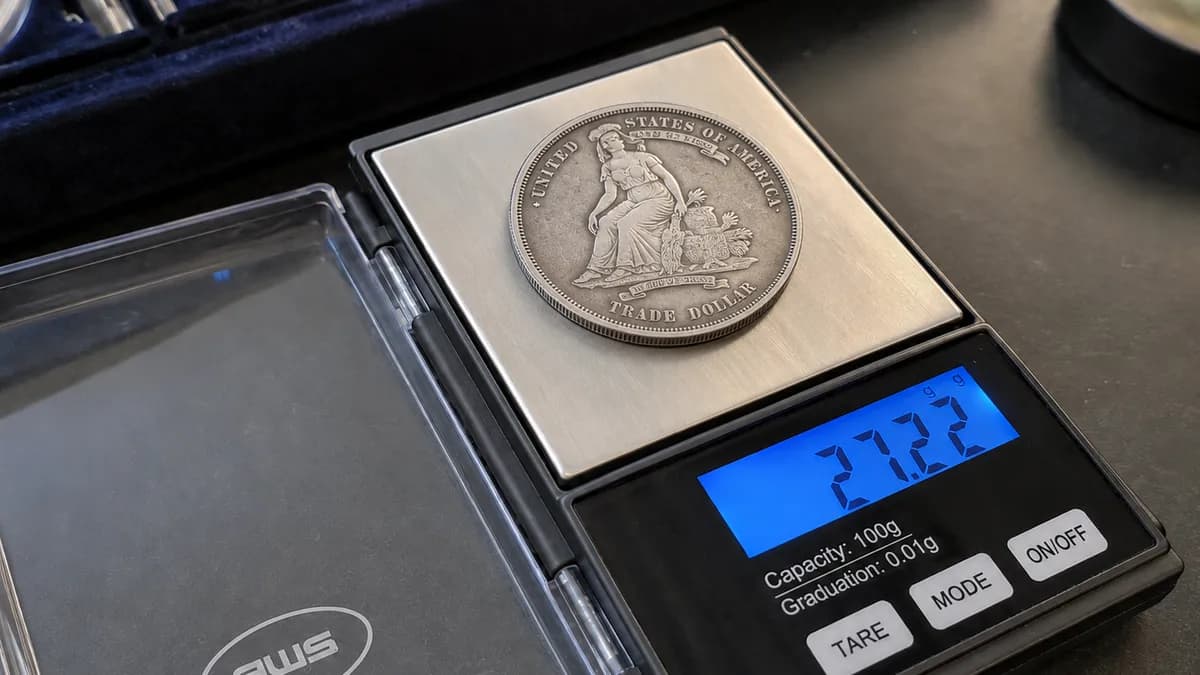
A trustworthy dealer explains their reasoning rather than asking you to trust a number. When buying, they'll tell you what drives a coin's price — date, mint mark, grade, and current bullion value. When selling, they'll weigh and test in front of you and walk you through how they reached an offer.
For bullion, a fair shop quotes buy and sell prices tied to the live spot price — the current market price of the raw metal — with a transparent premium over it. If you can't get a straight answer about the premium, keep looking. Our guide to coin shops vs. bullion dealers explains how the two price differently.
Does the shop match what you need?
Not every shop does everything well. Some specialize in rare U.S. coins and certified material; others focus on bullion, world coins, or estate buying. Matching the shop to your need is half the battle.
If you're selling an inherited collection, look for a dealer experienced with estates who won't rush you. If you're stacking silver, prioritize tight, transparent bullion spreads. Browse shops by specialty and location to shortlist a few before you visit.
What questions should I ask before buying or selling?
A few direct questions tell you most of what you need to know. Before you buy or sell, ask: How did you arrive at this price? What's your premium over spot on this bullion? Are you an ANA or PNG member? Do you grade in-house or submit to PCGS or NGC? And, when selling, what would you pay to buy this back tomorrow?
Straight, unhurried answers are a good sign. Evasive ones, or pressure to decide on the spot, are not.
What are the red flags to walk away from?
Most shops are honest, but a few practices should end the conversation. The table below sums up the difference between a dealer worth your business and one to avoid.
| Green flag | Red flag |
|---|---|
| Explains pricing and grading openly | Vague valuations, won't show the math |
| Quotes bullion against live spot with a clear premium | Can't or won't state the premium over spot |
| Lets you get other offers, no pressure | Pressure to sell or buy on the spot |
| Permanent storefront, ANA/PNG member | Pop-up 'we buy gold' event, no fixed location |
| Tests and weighs in front of you | Takes items to a back room to evaluate |
How do I prepare before I walk in?
Know roughly what you have before you go. For bullion, check the live melt value first. For collectible coins, read up on what your coins are worth so you can tell common material from key dates.
Understand that dealers buy at wholesale and resell at retail — the spread is how they stay in business, so an offer below the retail 'book' price is normal, not a scam. Getting two or three offers is the simplest protection against a low one. For a full collection, our guide on selling a coin collection walks through the process.
Frequently asked questions
Are coin shop prices negotiable?+
Often, modestly. Bullion is priced close to spot with little room to move, but on collectible coins there's usually some flexibility, especially on larger purchases. It never hurts to ask politely.
Should I get more than one offer when selling?+
Yes. Offers can vary meaningfully between shops depending on their inventory needs and customer base. Two or three quotes give you a realistic range and negotiating leverage.
What credentials should a reputable dealer have?+
Look for ANA or PNG membership, a permanent business location, clear buy/sell policies, and willingness to explain pricing and grading. Dealers who handle certified coins should know PCGS and NGC standards well.
Is it safe to sell coins at a 'we buy gold' pop-up event?+
Be cautious. Temporary buying events lack the reputation and accountability of an established local shop, and offers are often lower. For anything beyond common scrap, an established coin shop or appraiser is usually a better choice.