
Encased Postage Stamps: Civil War Emergency Money
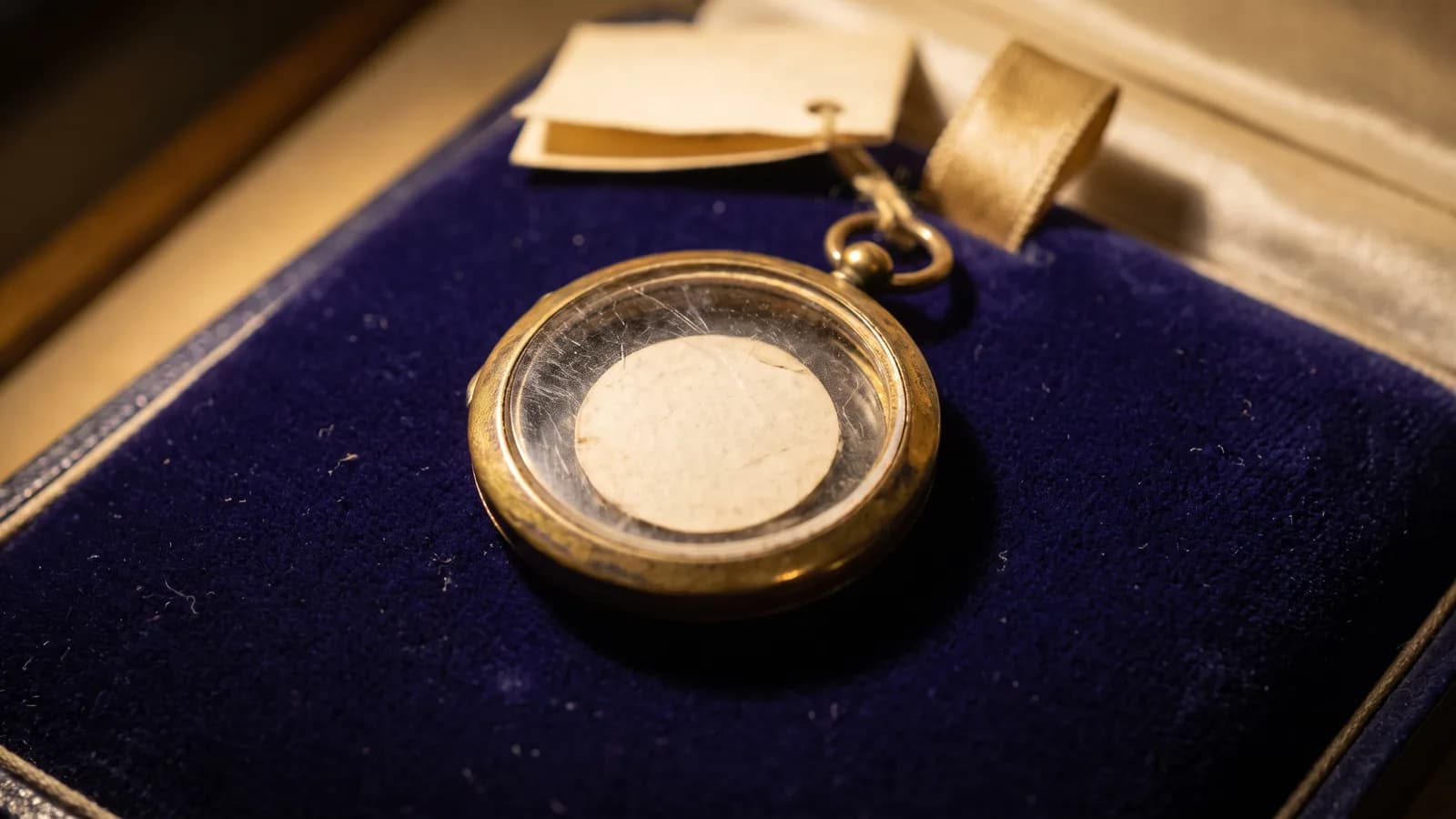
Encased postage stamps were a Civil War emergency substitute for coins. Each piece was an ordinary postage stamp sealed behind a thin mica window inside a round brass frame, patented by John Gault on August 12, 1862, so it could pass from hand to hand like a coin. Encased postage grew out of the same wartime coin shortage that created Civil War tokens, and today most worn examples sell for a few hundred dollars while choice pieces and rare advertisers can reach thousands.
Key takeaways
- Encased postage was a Civil War emergency substitute for coins: a postage stamp sealed behind a mica window in a round brass frame, patented by John Gault on August 12, 1862.
- It answered the same coin-hoarding shortage that produced Civil War tokens, when gold, silver, and even the cent disappeared from circulation.
- Gault sold the pieces to merchants at about 20 percent over face value and used the brass back for advertising.
- Denominations ran from 1 cent to 90 cents, with 1, 3, 5, and 10 cents by far the most common.
- Roughly 750,000 were sold in 1862 and 1863, and perhaps only a few thousand survive, so values range from a few hundred dollars to $20,000 or more for choice pieces or rare advertisers.
What Is an Encased Postage Stamp?
An encased postage stamp is a genuine U.S. postage stamp held behind a clear mica window inside a round brass frame, made to circulate as small change during the Civil War. The mica let people see the stamp and its value while protecting it from wear, and the brass back carried a merchant's advertisement.
Mica is a thin, transparent mineral that splits into flat sheets, which made it an inexpensive substitute for glass. The finished piece was about the size of a large cent and was meant to be spent, not mailed. Because a stamp already had a fixed government face value, the public could treat the encased piece as coin of that same value.
Collectors group encased postage with Civil War tokens as emergency or substitute money of the period, though the two are made very differently. A token is struck metal, while encased postage is a real stamp in a manufactured holder.
Why Did Encased Postage Exist?
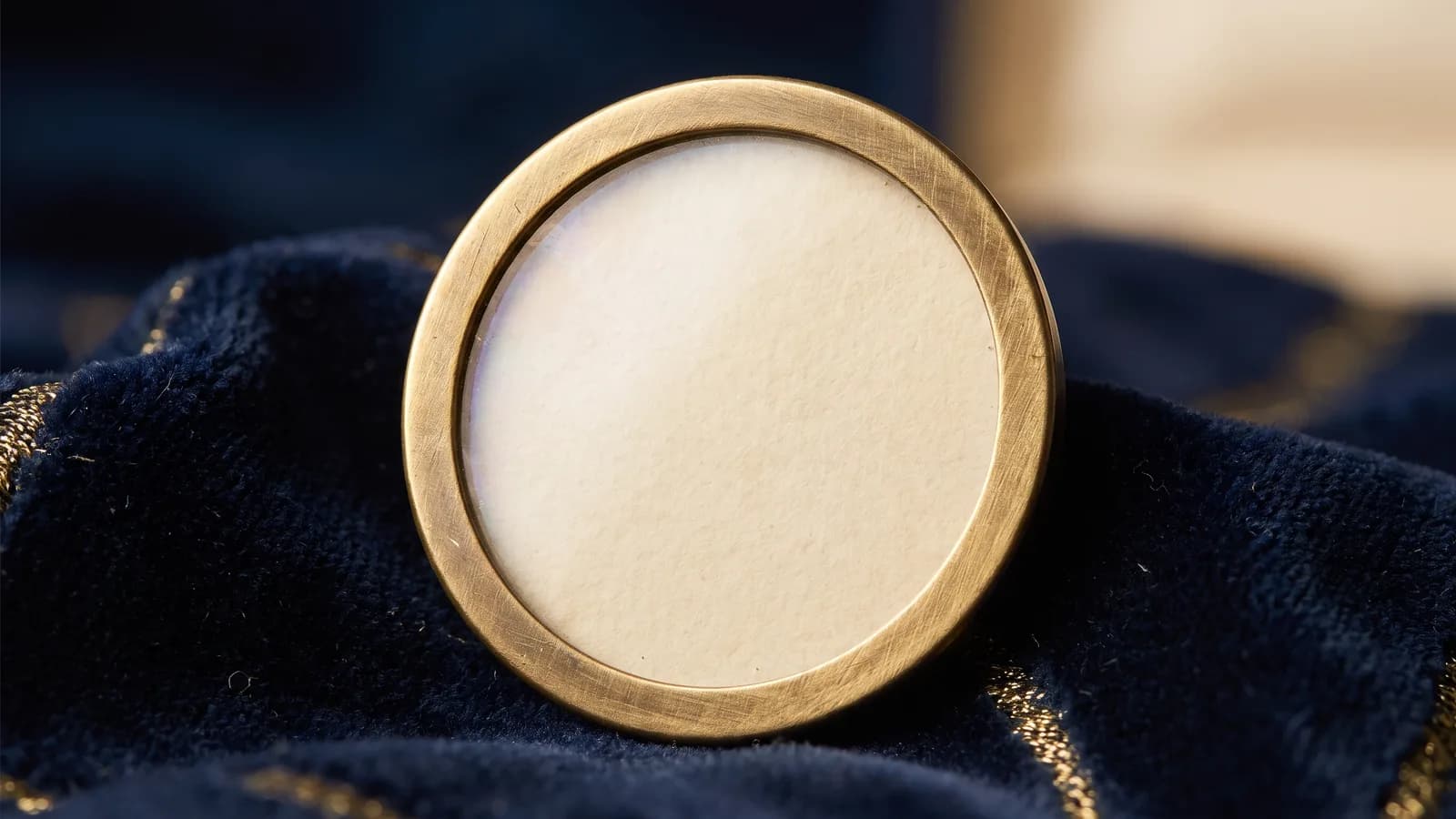
Encased postage existed because coins vanished during the Civil War and merchants could not make change. The same hoarding that produced Civil War tokens drove people to stash gold first, then silver, then even the copper-nickel cent, leaving everyday commerce starved of small change.
In July 1862 the federal government allowed ordinary postage stamps to be used as money to fill the gap. Loose stamps were a poor substitute, though. They tore, stuck together, and turned to paste in a pocket. Encased postage solved that problem by sealing a stamp in a durable frame that could survive handling.
So encased postage and Civil War tokens were parallel answers to one crisis. Tokens were privately struck coins, and encased postage was a way to make paper stamps behave like coins.
Who Was John Gault?
John Gault was the Boston businessman who patented and marketed encased postage. He received U.S. patent protection for his design for encasing government stamps on August 12, 1862, and turned it into a short-lived commercial enterprise.
Gault's idea was clever on two levels. It gave the public a sturdy coin substitute, and it gave merchants a small, portable billboard. Every piece that changed hands carried a business name in front of another potential customer.
For background on Gault and the design, the Smithsonian National Postal Museum and the entry on John Gault at Wikipedia are useful starting points.
How Was It Made and Sold?
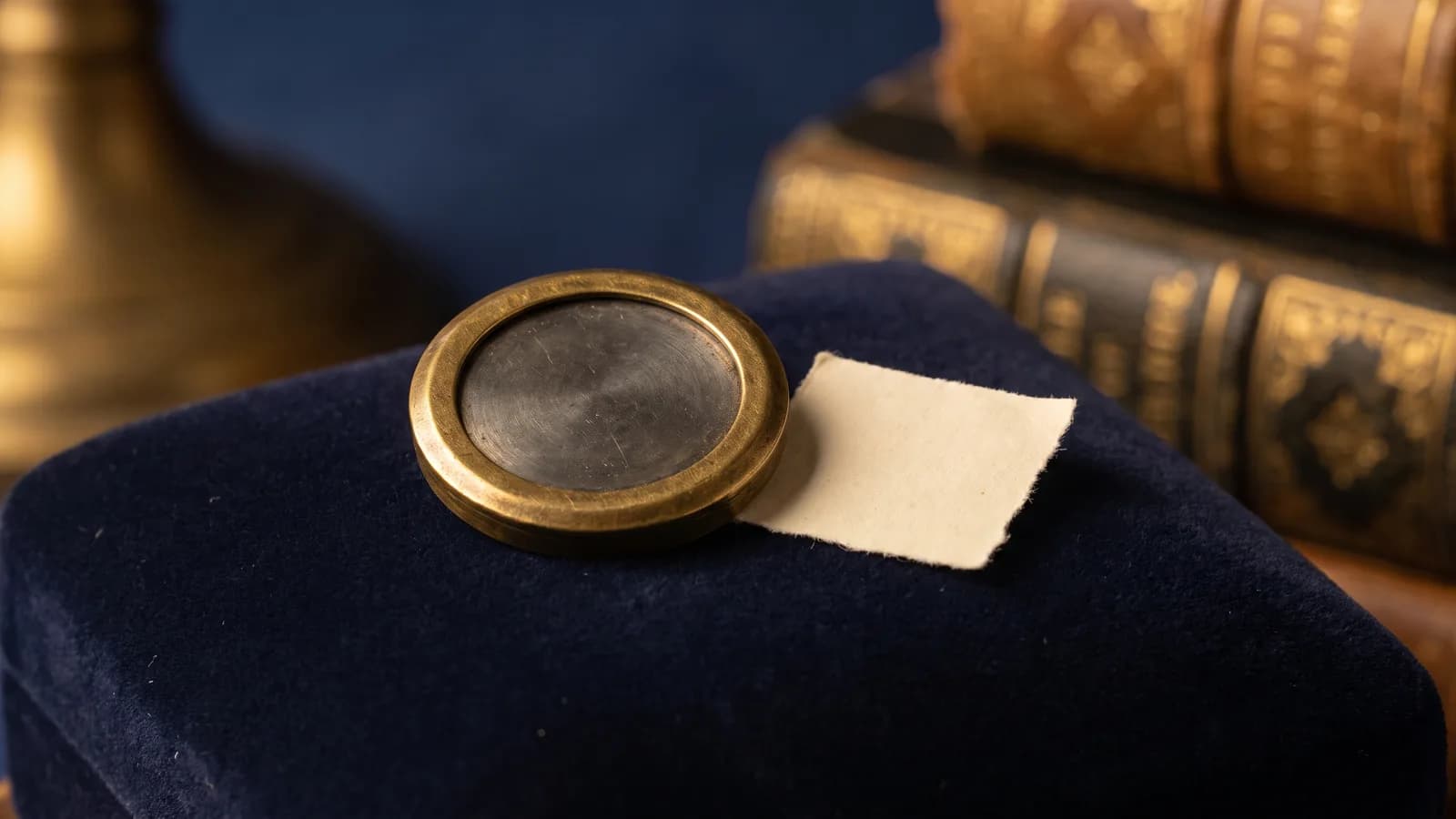
Gault sold encased postage to merchants at roughly 20 percent over the face value of the stamp inside. A merchant paid the premium partly for the convenience of ready-made change and partly for the advertising stamped into the brass back of each piece.
Assembly was straightforward. A stamp went face up in a shallow brass frame, a sheet of mica covered it, and a thin brass ring was crimped over the edge to lock everything in place. The reverse of the frame was struck with the advertiser's name and message.
The economics only worked while coins were scarce. Once the government issued new small change and paper fractional currency, the premium over face value stopped making sense, and production ended after about two years.
Denominations and Famous Advertisers
Encased postage was made in denominations from 1 cent to 90 cents, matching the postage stamps of the 1861 series, with 1, 3, 5, and 10 cents the most common. Higher values such as 24, 30, and 90 cents are much scarcer because fewer were needed for everyday change.
The advertisers are half the appeal for collectors. Well-known names include Ayer's (the patent-medicine firm behind Ayer's Sarsaparilla and Cathartic Pills), Drake's Plantation Bitters, and the New York retailer Lord & Taylor. Other merchants included fancy-goods dealer Joseph L. Bates and the Aerated Bread Company.
Roughly three dozen merchants participated in all. The scarcity of a given advertiser, combined with the denomination, is what separates a common piece from a prize. The table below shows how those factors tend to interact.
| Factor | Tends toward lower value | Tends toward higher value |
|---|---|---|
| Denomination | 1c, 3c common | 24c, 30c, 90c scarce |
| Advertiser | Common merchant | Rare merchant or short run |
| Mica | Cracked or missing | Clear and intact |
| Frame | Worn or dented | Sharp advertising, clean brass |
| Overall | A few hundred dollars | Into the thousands |
How Rare and Valuable Is Encased Postage?
About 750,000 encased postage pieces were sold in 1862 and 1863, and specialists estimate that perhaps only a few thousand survive today. That survival rate makes even common examples genuinely scarce compared with mass-produced coins.
Values are best given as ranges. Worn, common pieces generally trade for a few hundred dollars. Choice examples with clear mica and sharp advertising, or pieces from rarer advertisers and higher denominations, commonly run from about $1,000 into the low thousands, and the very best can reach $20,000 or more. Because condition and advertiser both swing the price so sharply, treat any single figure with caution and confirm against recent sales.
For historical value context that applies across this era, see how coin prices are determined and, for related token pricing, our guide to Civil War token value.
Condition Factors That Move the Price
Condition matters as much as rarity with encased postage, and the mica is the single biggest variable. A clear, intact mica window can more than double the appeal of an otherwise ordinary piece, while cracked, cloudy, or missing mica pulls value down hard.
Watch the stamp underneath as well. Staining, fading, or a stamp that has shifted in the frame all count against a piece. On the brass, look for even wear versus dents, corrosion, and weak or damaged advertising lettering, since crisp advertising is part of what collectors pay for.
One caution specific to this series: some pieces have been opened and reassembled, sometimes with a replacement stamp or fresh mica. Original, untouched examples are worth more, so buy from sellers who describe the piece honestly and, for anything expensive, consider an opinion from a numismatic appraiser.
How Encased Postage Relates to Civil War Tokens
Encased postage and Civil War tokens are cousins: both were private emergency money born from the same 1862 to 1863 coin shortage, and many collectors pursue them side by side. The overlap in dates, purpose, and even advertisers makes them a natural pair on a shelf.
The differences are practical. Tokens are struck metal in the general size of a cent, cataloged by Fuld numbers through the Civil War Token Society, while encased postage is a stamp-in-a-frame identified mostly by denomination and advertiser. If you are new to the broader series, start with how to collect Civil War tokens and browse dealers who handle both in the tokens and medals directory.
To actually buy or sell encased postage, look for shops that handle exonumia, the collecting field covering tokens, medals, and related items. You can find candidates through collectibles shops and the tokens and medals category, then ask specifically whether they deal in encased postage before you visit.
Frequently asked questions
Is encased postage the same as a Civil War token?+
No. A Civil War token is a privately struck metal coin, while encased postage is a real postage stamp sealed behind mica in a brass frame. Both were emergency money during the same wartime coin shortage, which is why collectors often group them together.
Who invented encased postage?+
John Gault, a Boston businessman, patented the design on August 12, 1862, and sold the pieces to merchants at about 20 percent over the face value of the stamp inside.
What denominations were made?+
Encased postage was produced in values from 1 cent to 90 cents, matching the 1861 stamp series. The 1, 3, 5, and 10 cent pieces are the most common, and higher denominations are considerably scarcer.
How much is an encased postage stamp worth?+
Worn common pieces generally sell for a few hundred dollars. Choice examples, rare advertisers, and higher denominations can run into the thousands, with the very best reaching $20,000 or more. Mica condition and advertiser drive the range, so confirm against recent sales.
Why is the mica window so important to value?+
The mica protects the stamp and lets buyers see it, so a clear, intact window is a major plus. Cracked, cloudy, or missing mica lowers value sharply, and pieces that have been opened and reassembled are worth less than untouched originals.
Is it legal to own encased postage today?+
Yes. Owning and collecting encased postage is legal. It is not current money, but it is a legitimate collectible traded openly at coin shops, shows, and auctions.