
Civil War Token Metals: Copper, Brass, Silver, and Off-Metals
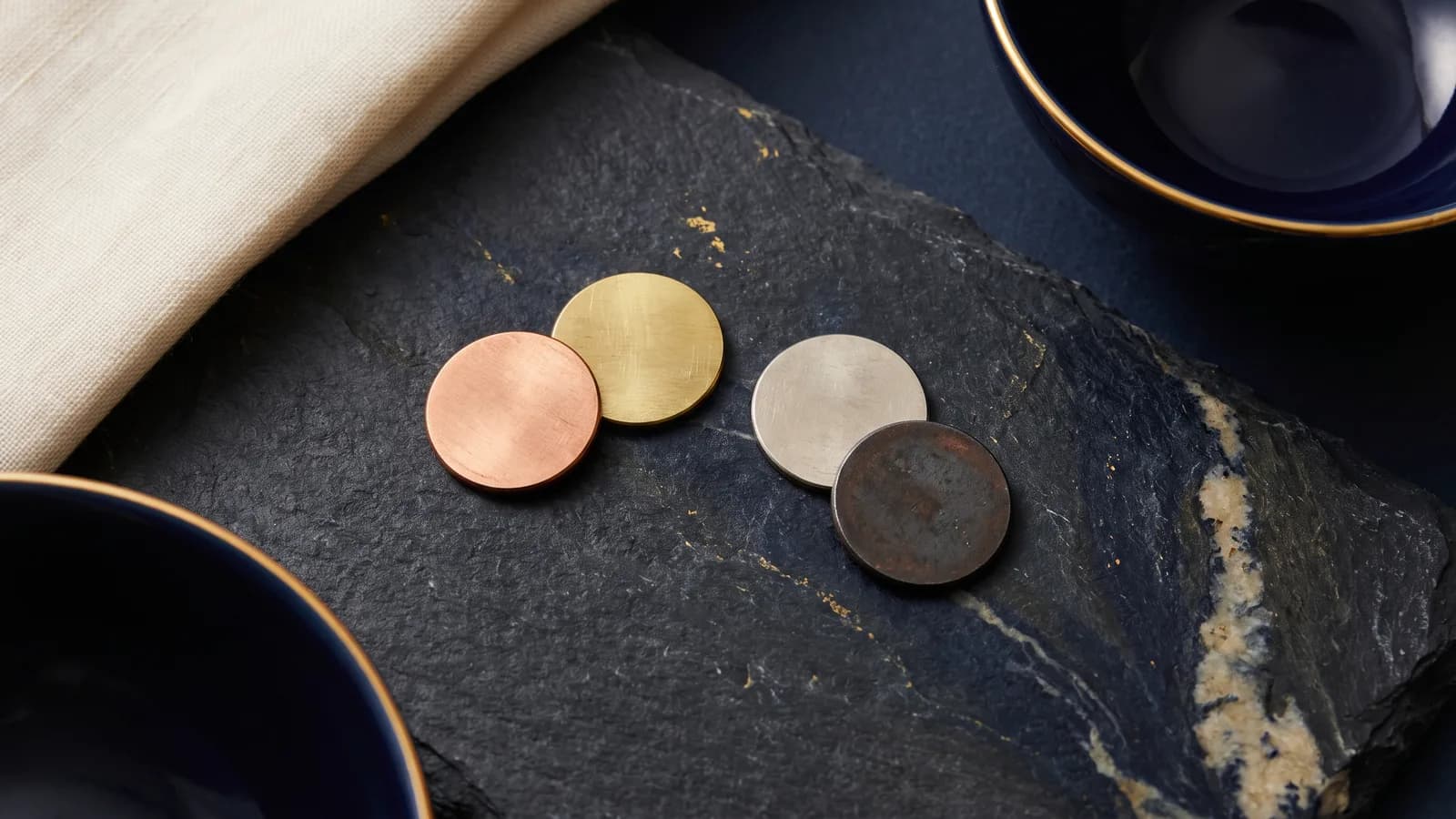
Civil War token metals are led by copper, often called bronze, which accounts for the great majority of surviving pieces. Collectors also encounter brass, copper-nickel, tin, German silver, and white metal, plus rare off-metal strikes in silver and a small number in hard rubber. The metal is recorded by a letter in the Fuld catalog number, and it can matter as much to value as the design or rarity rating. This guide explains each metal, how the Fuld letter works, and why off-metal pieces command a premium.
Key takeaways
- The great majority of Civil War tokens are copper (often called bronze); brass, copper-nickel, tin, German silver, and white metal are far less common, and silver off-metal strikes are rare.
- The Fuld metal-letter suffix records the alloy: a = copper, b = brass, f = silver, with other letters used for nickel, German silver, white metal, and tin.
- Off-metal strikes in silver or white metal are scarce and valuable, but many were made for collectors after the war, so provenance matters.
- Color grades (BN, RB, RD) apply only to copper pieces; non-copper metals are graded without a color designation.
- A change in metal can move an otherwise common token from tens of dollars into the hundreds or more, so correct attribution is essential.
What Metals Were Civil War Tokens Struck In?
Most Civil War tokens were struck in copper, which collectors and catalogs often call bronze. Copper matched the size and feel of the federal cent these tokens replaced, so it was the natural choice for pieces meant to pass at one cent.
Beyond copper, die-sinkers used brass (a copper-zinc alloy with a yellow tone), copper-nickel (the pale alloy of the contemporary Indian Head cent), tin, German silver (a nickel-copper-zinc alloy that is not silver at all), and white metal (a soft tin-lead-based alloy). Genuine off-metal strikes in real silver are rare, and a small number of pieces exist in hard rubber. Each alloy has a different color, weight, and survival rate, which is why identifying the metal is a first step in attribution.
For the wider context of how and why these pieces were made, see the Civil War tokens pillar guide.
How the Fuld Metal-Letter Suffix Records Metal
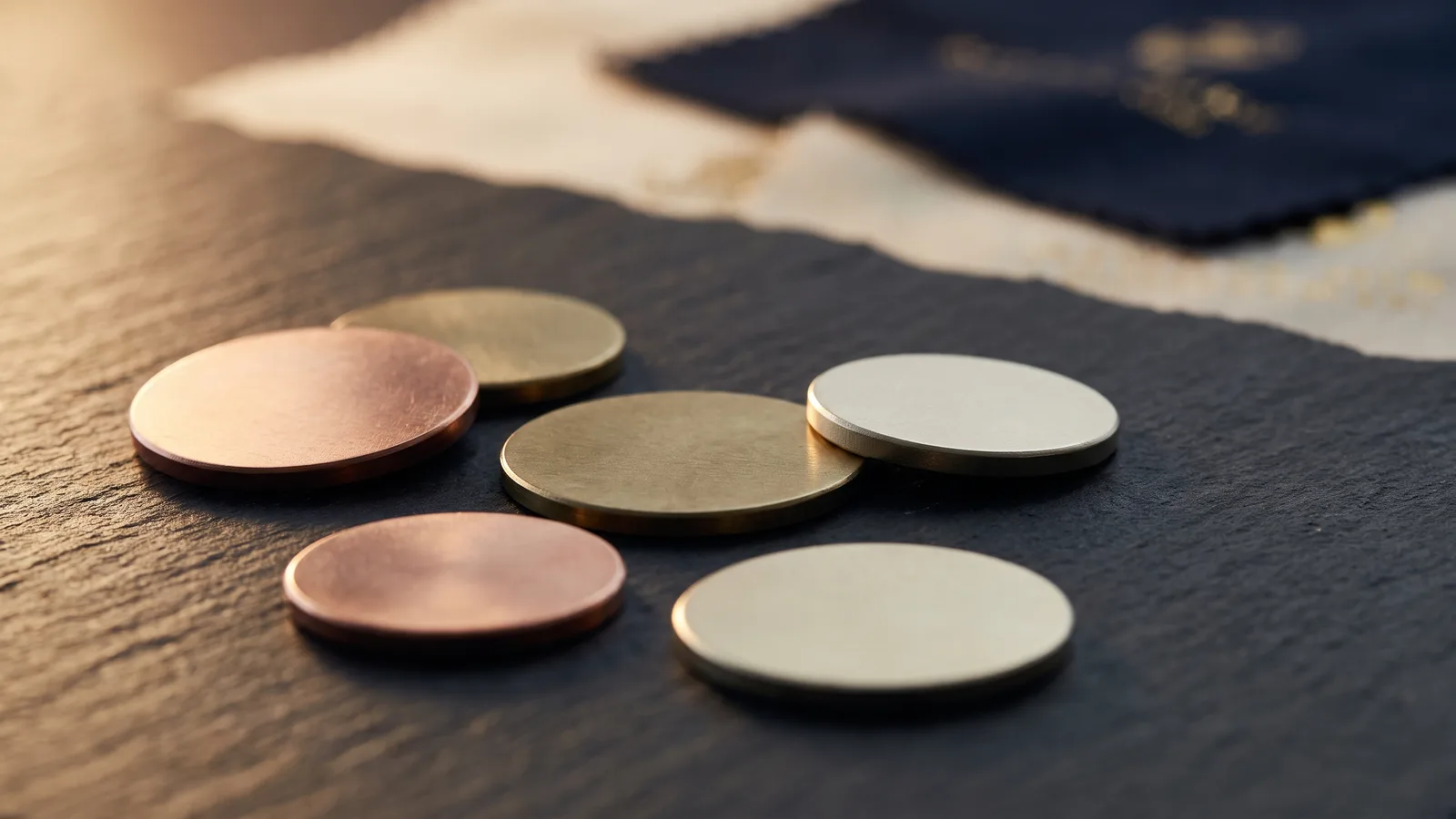
In the standard Fuld catalog system, a lowercase letter at the end of the number records the metal: a is copper, b is brass, and f is silver. Other letters are used for the remaining alloys such as copper-nickel, German silver, white metal, and tin.
The letter attaches to the die combination. A patriotic token written as Fuld 207/409a means obverse die 207 paired with reverse die 409, struck in copper. Change that final letter and you are describing the same design in a different metal, which can be far scarcer. The Fuld references, published by the Civil War Token Society, are the authority for these numbers, and the how to identify Civil War tokens guide walks through reading a full attribution.
The table below lists the common metals, the Fuld letters where they are firmly established, rough relative frequency, and a hedged value note. Treat the letters beyond a, b, and f as a general category rather than a precise map, because catalogs assign several letters across nickel, German silver, white metal, and tin.
| Metal | Fuld letter | Relative frequency | Value note (hedged) |
|---|---|---|---|
| Copper (bronze) | a | Most common | Common types often $15-$40 circulated |
| Brass | b | Fairly common | Broadly similar to copper, varies by variety |
| Copper-nickel | other letter | Scarcer | Often a modest premium over copper |
| German silver | other letter | Scarce | Premium; specialist demand |
| White metal / tin | other letter | Scarce | Premium; often collector strikes |
| Silver (off-metal) | f | Rare | Hundreds to low thousands |
| Hard rubber | other letter | Very rare | Prized by specialists; disclose status |
Why Off-Metal Strikes Are Scarce and Valuable
An off-metal strike is a token made in a metal other than the one used for the general circulating issue, most often silver or white metal instead of copper. These pieces are scarce because very few were struck, and they carry a premium that can run from the hundreds into the low thousands depending on the design and rarity rating.
Many off-metals were never meant to spend. Some die owners produced a handful of silver or white-metal examples for collectors, in some cases after the war ended. That collector-driven origin does not make them worthless, and specialists actively seek them, but it does mean an off-metal is prized as a curiosity or presentation piece rather than as circulating money. Because a single metal change can multiply the price, off-metals sit alongside sutler tokens and top store cards among the most valuable Civil War tokens.
How Metal Interacts With Color Grading
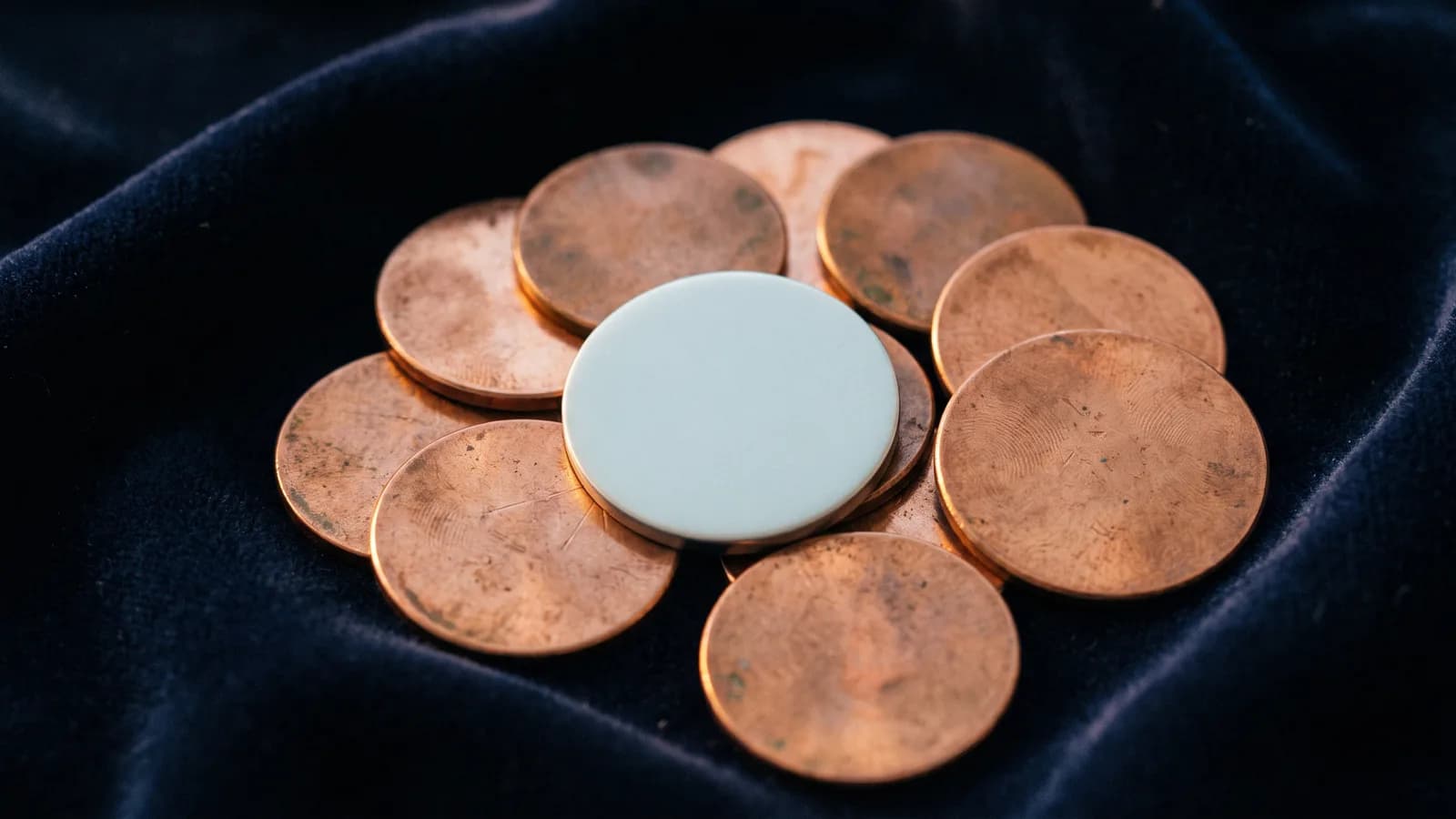
Metal decides whether a token gets a color grade at all. Copper pieces receive a color designation from the grading services, BN for brown, RB for red-brown, and RD for full original red, and RD examples command large premiums over brown ones.
Non-copper metals such as brass, copper-nickel, German silver, and white metal are graded on the standard numeric scale without a BN, RB, or RD suffix, because those color terms describe how copper oxidizes over time. When you read a slab from PCGS, the presence or absence of a color code is itself a clue to the metal. For the mechanics of the numeric scale and what the color codes mean, see coin grading explained.
How Metal Affects Value
Metal can matter as much as rarity or condition. A common patriotic token in copper might sell for roughly $15 to $40 in circulated grades, while the same design in a scarce off-metal such as silver can reach the hundreds or more.
Brass tends to sit close to copper in value, so long as the variety is otherwise common. Copper-nickel, German silver, tin, and white metal usually carry a premium over copper because fewer survive. The largest jumps come with genuine silver off-metals and hard-rubber pieces, which are rare enough that a specialist buyer sets the price. As always, the Fuld number and rarity rating interact with the metal, so a scarce die pairing in an unusual metal compounds both premiums.
Worked example: suppose a patriotic type is common (rarity R-1 to R-3) and trades around $25 in copper in a mid-circulated grade. The identical dies struck in silver, cataloged with the f suffix, could plausibly bring several hundred dollars to a specialist, because the metal alone converts a routine piece into a scarce one. Confirm any figure against recent sales rather than a single listing.
Genuine Wartime Off-Metals vs Postwar Concoctions
Not every off-metal is a wartime product. After 1864, some die owners and later restrikers deliberately paired dies or struck extra metals, including silver and white metal, to sell to collectors, and these are known in the hobby as concoctions or fantasies.
A concoction is not a counterfeit when its status is disclosed, and many are collected openly, but it is worth less than a true wartime rarity and should be priced accordingly. Two safeguards help. First, favor pieces certified by PCGS or NGC, which note problems and often flag questionable strikes. Second, buy from established dealers who disclose provenance. Deliberate off-die pairings overlap with the topic of Civil War token mules, which explains how unintended and intentional die combinations arose. When in doubt, treat an undocumented silver or white-metal piece as unproven until a specialist or grading service weighs in.
Using Metal When You Buy or Sell
Start by identifying the metal, because it shapes both the attribution and the price. Check the color and weight, look for a color grade that would indicate copper, and match the Fuld letter to what the catalog lists for that variety.
If you are buying, an off-metal at a copper price is either a find or a red flag, so verify it. If you are selling, do not assume a yellow or white piece is base metal, because brass and off-metals can look similar to the eye but differ sharply in value. To find a dealer who handles these pieces, browse the tokens and medals directory and compare offers. For broad background on the series, the Wikipedia entry on Civil War tokens is a useful starting point.
Frequently asked questions
What metal are most Civil War tokens made of?+
Most Civil War tokens are copper, often called bronze. Copper matched the federal cent they replaced, so it was the default metal for pieces meant to pass at one cent.
What does the letter at the end of a Fuld number mean?+
It records the metal. In the Fuld system, a is copper, b is brass, and f is silver, with other letters used for copper-nickel, German silver, white metal, and tin.
Are silver Civil War tokens valuable?+
Genuine silver off-metal strikes are rare and can bring from the hundreds into the low thousands, but many were made for collectors after the war, so provenance and certification matter.
Do color grades like RD apply to brass or silver tokens?+
No. BN, RB, and RD describe how copper oxidizes, so they apply only to copper pieces. Brass, copper-nickel, and other metals are graded on the numeric scale without a color code.
How can I tell a genuine wartime off-metal from a postwar concoction?+
Favor pieces certified by PCGS or NGC and buy from dealers who disclose provenance. Concoctions are collected openly when disclosed, but they are worth less than true wartime rarities.
Is brass worth more than copper for Civil War tokens?+
Usually they are close in value when the variety is otherwise common. The larger premiums come with scarce off-metals such as silver, white metal, and hard rubber.