
What Are My Coins Worth? How to Value Any Coin
A coin's value comes down to four things: what it is, what it's made of, how rare it is, and what someone will pay today. This guide walks through each one, so you can quickly tell the difference between a coin worth its face value and one worth far more.
Key takeaways
- Four things set a coin's value: date and mint mark, metal content, rarity, and condition (grade). Two coins of the same year can be worth wildly different amounts on grade alone.
- Most coins from circulation are worth face value. Real premiums come from silver or gold content, key dates, mint errors, or high grades.
- U.S. dimes, quarters, and half dollars dated 1964 or earlier are 90% silver and worth several times face for their metal alone.
- Never clean a coin — cleaning leaves fine scratches that can sharply cut a collectible coin's value.
- For anything you think is valuable, get a second opinion from a coin shop or appraiser before selling.
Start with what it is: date and mint mark
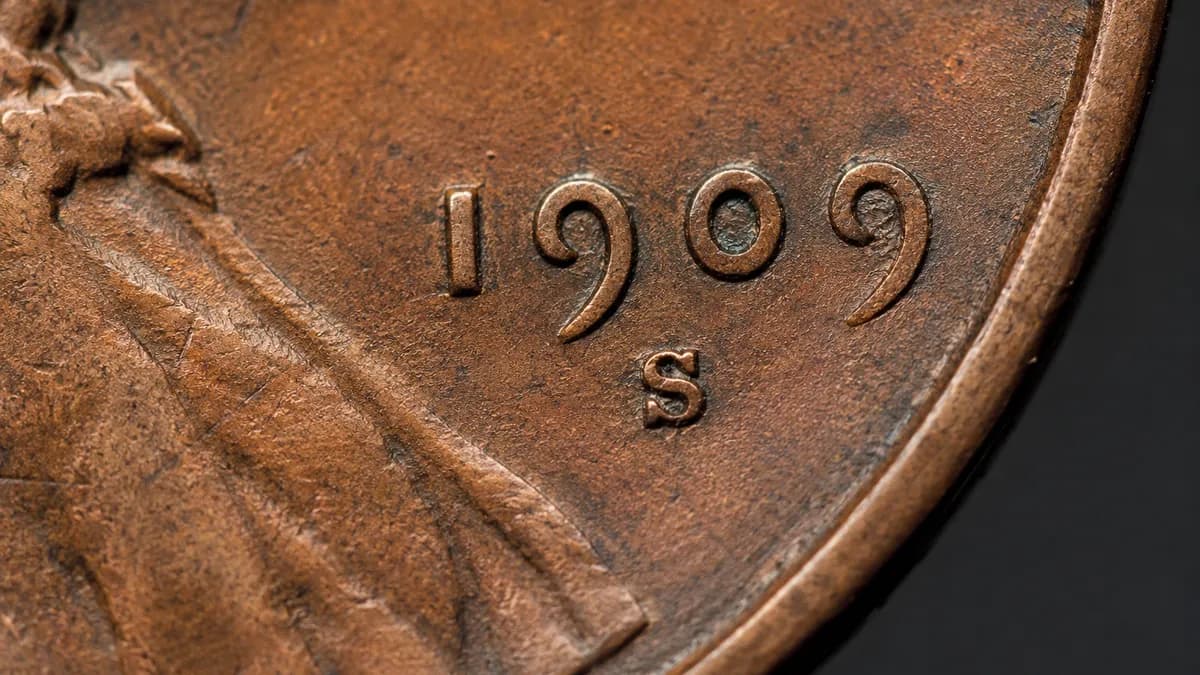
Every U.S. coin shows its year and, usually, a small mint-mark letter (P, D, S, and so on) that says which mint struck it. Together they identify the exact issue, and that matters enormously: a 1909-S VDB cent and an ordinary 1909 cent look similar but are worlds apart in value. Note the denomination, year, and mint mark before anything else.
Does it contain silver or gold?
Metal content sets a price floor no matter the condition. Melt value is the raw metal value of a coin at the current spot price — the most a worn silver or gold coin should ever be worth.
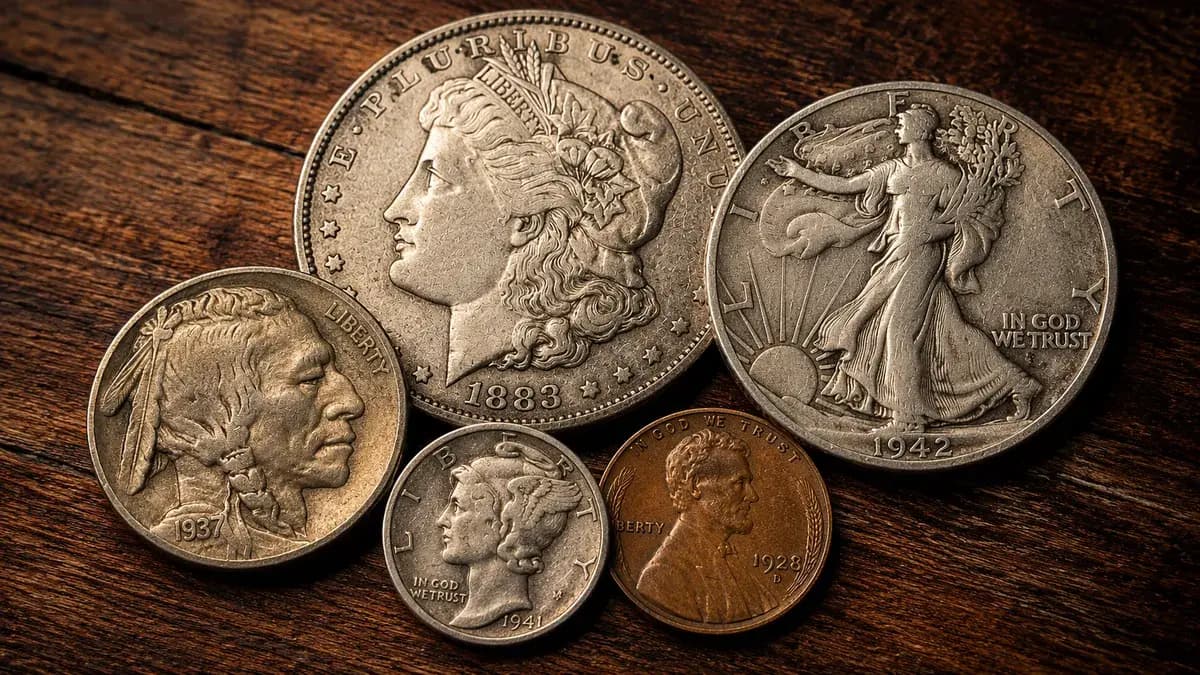
U.S. dimes, quarters, and half dollars dated 1964 or earlier are 90% silver; Kennedy halves from 1965–1970 are 40% silver; wartime nickels (1942–1945) are 35% silver. U.S. gold coins — pre-1933 issues and modern American Eagles and Buffalos — carry their gold value. The U.S. Mint publishes the exact composition of every coin it has struck, and you can estimate any coin's melt with the precious metals value calculator.
| Coin | Years | Silver content |
|---|---|---|
| Dime, quarter, half dollar | 1964 and earlier | 90% silver |
| Kennedy half dollar | 1965–1970 | 40% silver |
| Morgan & Peace silver dollars | 1878–1935 | 90% silver (~0.77 oz) |
| Wartime nickel | 1942–1945 | 35% silver |
Rarity and key dates
Within a series, certain dates and mint marks were made in small numbers — collectors call these key dates, and they command large premiums. A mintage figure or a coin guide tells you whether your date is common or scarce. Most coins you find in change are common; the exceptions are what collectors chase, so it pays to check the scarce dates for any series you have.
Condition is everything: grading
The same coin can be worth a few dollars worn and hundreds in mint state. Grade is a coin's condition on a standard scale, and it often matters more than the date.
Coins are graded on the 70-point Sheldon scale, from heavily circulated to a flawless 70. For valuable pieces, certification by a third-party grader like PCGS or NGC gives a grade the market trusts and seals the coin in a tamper-evident holder. Handle coins by the edges, store them properly, and never clean them — cleaning leaves fine scratches that almost always lower value. A numismatic appraiser can grade in hand and submit coins for you.
Are there errors or varieties to check?
Mint errors and die varieties can turn an ordinary coin into a valuable one. An error is a mistake made during striking (off-center strikes, doubled dies, wrong planchets); a variety is a small, repeatable difference in the die, like a doubled date.
Most coins have none, but a few are famous — the 1955 doubled-die cent, for example. If a coin looks unusual under magnification, note it and have it checked rather than spending it. Our guide to choosing a local coin shop covers how to find a dealer who can confirm a variety.
What it's actually worth today: demand
Published values are a guide, not a guarantee. The real number is what a buyer will pay right now, which moves with collector demand and metal prices.
To get a real figure, take your better pieces to a local coin shop or a numismatic appraiser, and get more than one offer on anything significant. The American Numismatic Association is a useful starting point for understanding values and finding reputable dealers.
What to do before you sell
Don't sell in a hurry, and don't clean anything first. Sort the coins into three rough piles — modern face-value coins, silver and gold for melt, and anything that looks scarce or uncirculated — so a dealer can move quickly through the common material and spend time on the pieces that matter.
For a collection of any size, read our walkthrough on selling a coin collection, and if you need a documented value for insurance or an estate, see how coin appraisals work.
Frequently asked questions
How can I tell if my coins are worth money?+
Check the date, mint mark, and metal content first. Pre-1965 silver coins and gold coins are worth their metal value at minimum; key dates, mint errors, and high-grade examples are worth more. Common coins from circulation are usually worth face value.
Are my coins worth more than face value?+
Usually only if they contain silver or gold, are a scarce date or mint mark, have a mint error, or are in high grade. Most modern circulating coins are worth exactly what they say.
Should I clean my coins to make them worth more?+
No. Cleaning almost always lowers a collectible coin's value by leaving fine scratches. Leave coins as they are and let a professional assess them.
Where can I get my coins valued?+
A local coin shop or a numismatic appraiser can value them in hand. Get a second opinion on anything you think is significant before you sell.