
What Is a Mint Mark? How to Read One and Why It Matters
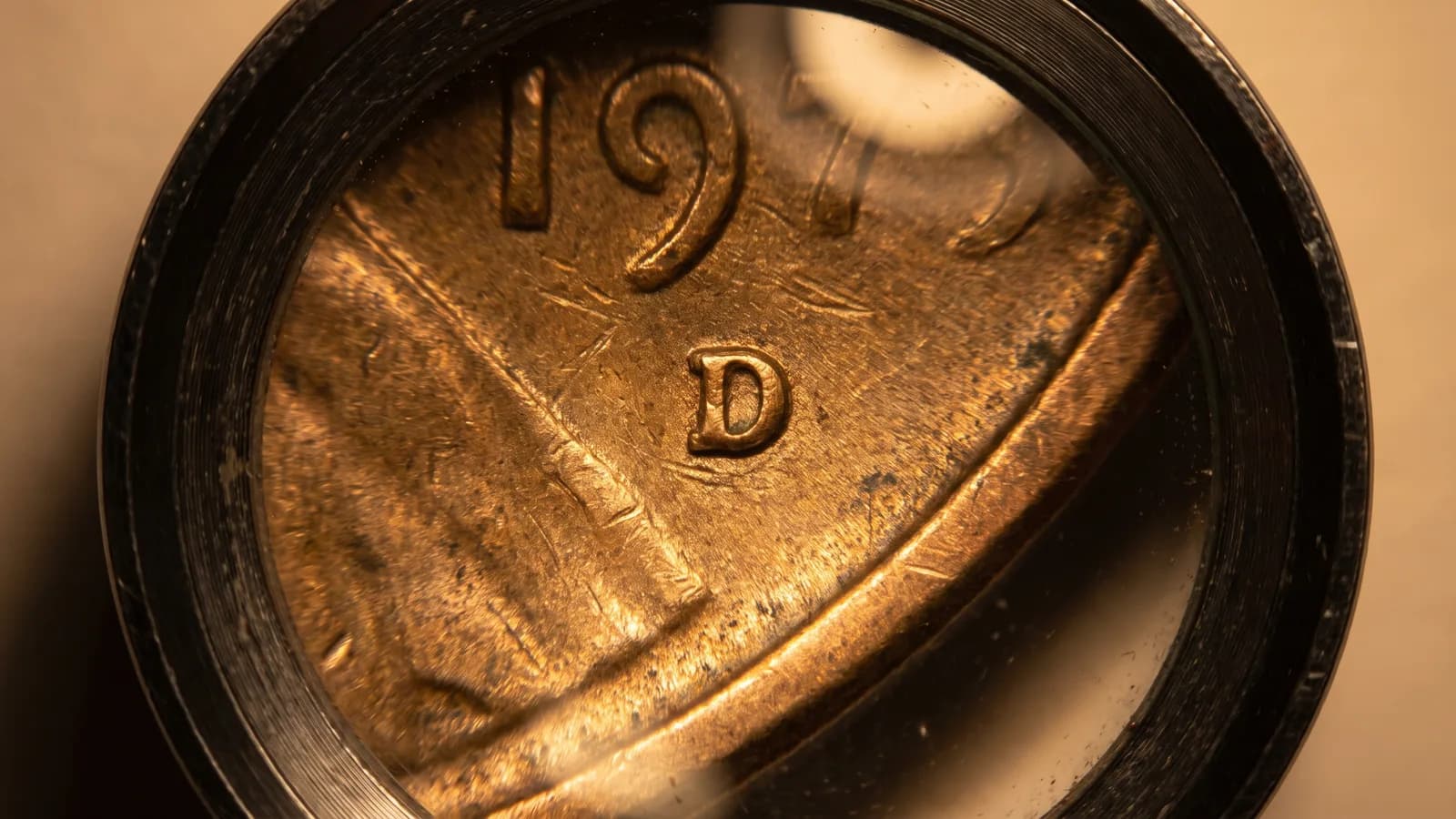
A mint mark is the small letter stamped on a coin that tells you which U.S. Mint facility struck it — and it can make the difference between a common coin and a valuable one. Learning to find and read mint marks is one of the first practical skills a collector needs, because the date and mint mark together identify almost every U.S. coin. This guide explains what the letters mean, where to look for them, and why they matter so much to value.
Key takeaways
- A mint mark is a small letter on a coin showing which U.S. Mint facility struck it.
- Common modern marks are P (Philadelphia), D (Denver), S (San Francisco), and W (West Point); many older Philadelphia coins have no mark.
- The date and mint mark together identify a coin, and the combination often determines its value.
- Mint mark location varies by coin and era — usually on the reverse for older coins and the obverse for many modern ones.
- Some of the most valuable U.S. rarities are mint-mark related, including key dates and rare 'no-S' proof errors.
What is a mint mark?
A mint mark is a small letter placed on a coin to show which mint produced it. The United States has used several mint facilities over its history, and each is identified by its own letter.
Together with the date, the mint mark forms a coin's basic identity. Two coins of the same date and design can be worth very different amounts depending on which mint struck them and how many were made there.
What do the U.S. mint mark letters mean?
The marks you will see most often are P, D, S, and W, but several historic mints have their own letters. The table below lists the main ones. A coin with no mint mark was usually struck at Philadelphia, which did not use a 'P' on most coins until 1980.
| Mark | Mint | Notes |
|---|---|---|
| P / none | Philadelphia | Often no mark before 1980 |
| D | Denver | Also Dahlonega (gold, 1838–1861) |
| S | San Francisco | Often proofs in modern times |
| W | West Point | Mostly bullion and special issues |
| CC | Carson City | Historic; prized on Morgan dollars |
| O | New Orleans | Historic, 1838–1909 |
Where do you find the mint mark on a coin?
The location varies by coin type and era, which is why it pays to know where to look. On many older coins the mint mark is on the reverse; on most modern coins it is on the obverse, often near the date.
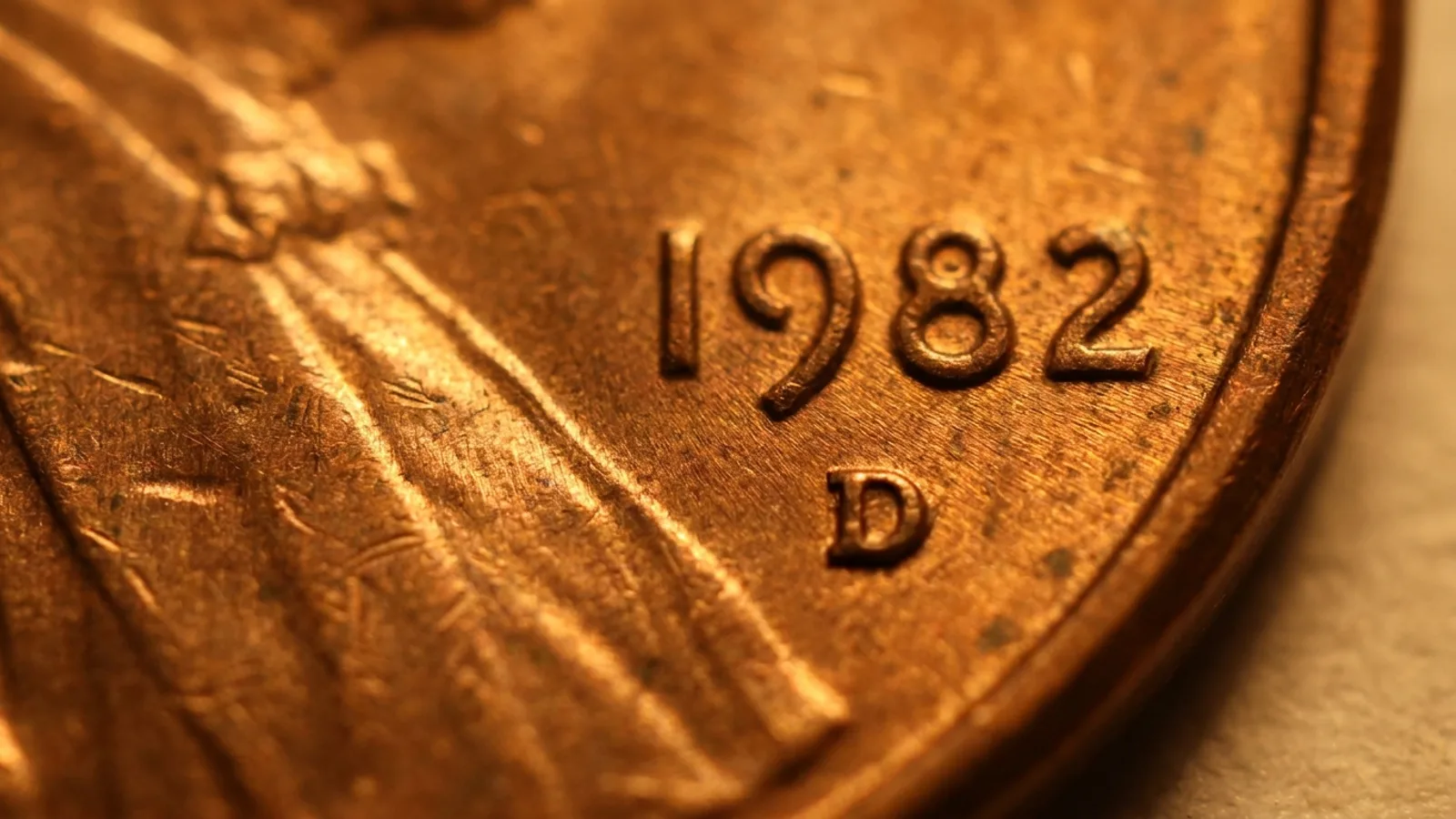
When a series moved its mint mark, it matters for identifying scarce dates — the Walking Liberty half dollar, for example, moved its mark from the obverse to the reverse in 1917.
Why does the mint mark matter for value?
Because mintages differ by mint. A coin struck in large numbers at one mint may be common, while the same date from a mint that made far fewer is a scarce, valuable key date.
Many famous key dates are defined by their mint mark — the 1909-S VDB Lincoln cent, the 1916-D Mercury dime, and the 1932-D and 1932-S Washington quarters among them. Our wheat penny value and Washington quarter value guides show how much the mark can change a coin's worth.
Can a missing mint mark make a coin valuable?
Sometimes, yes. While most no-mark coins are simply from Philadelphia, a few modern proof coins were mistakenly made without their expected S mint mark — the 'no-S' proof errors — and these rarities can be worth a great deal.
There are also cases like the 1982 no-P Roosevelt dime, where a Philadelphia coin that should have carried a P was struck without one. These are errors, not common no-mark coins, so authentication matters.
How do mint marks fit into collecting?
Most date sets are really date-and-mint-mark sets: to complete a series you need each year from each mint that struck it. That is why learning to read mint marks is a core beginner skill, covered alongside the basics in our coin collecting for beginners guide.
A magnifier helps, since some marks are tiny. A local coin shop can show you exactly where to look on the series you collect.
Frequently asked questions
What does it mean if a coin has no mint mark?+
Usually that it was struck at Philadelphia, which did not put a 'P' on most coins until 1980. A few no-mark coins are rare proof errors, but the vast majority are ordinary Philadelphia issues.
Where is the mint mark on a coin?+
It depends on the coin and era. Older coins often carry the mark on the reverse, while most modern coins place it on the obverse near the date. The location can move within a series.
Why does the mint mark affect a coin's value?+
Different mints struck different quantities. A scarce date from a low-mintage mint can be worth far more than the same date from a mint that made millions, which is why key dates are often mint-mark specific.
What is the CC mint mark?+
CC stands for Carson City, a historic Nevada mint. CC coins, especially Morgan silver dollars, are prized by collectors and often carry a premium.