
How to Spot Fake Civil War Tokens
Fake Civil War tokens exist, but the risk is narrower than many new collectors fear. Because most Civil War tokens are common and inexpensive, they are not worth counterfeiting. The problems concentrate on scarce varieties, sutler tokens, off-metal strikes, and high grades, where a fake, a tooled piece, or a misrepresented restrike can cost real money. This guide explains the main authenticity issues, how to examine a token in hand, and when to lean on certification instead of your own eye. For background on the series, see the pillar [Civil War tokens guide](/guides/civil-war-tokens-guide).
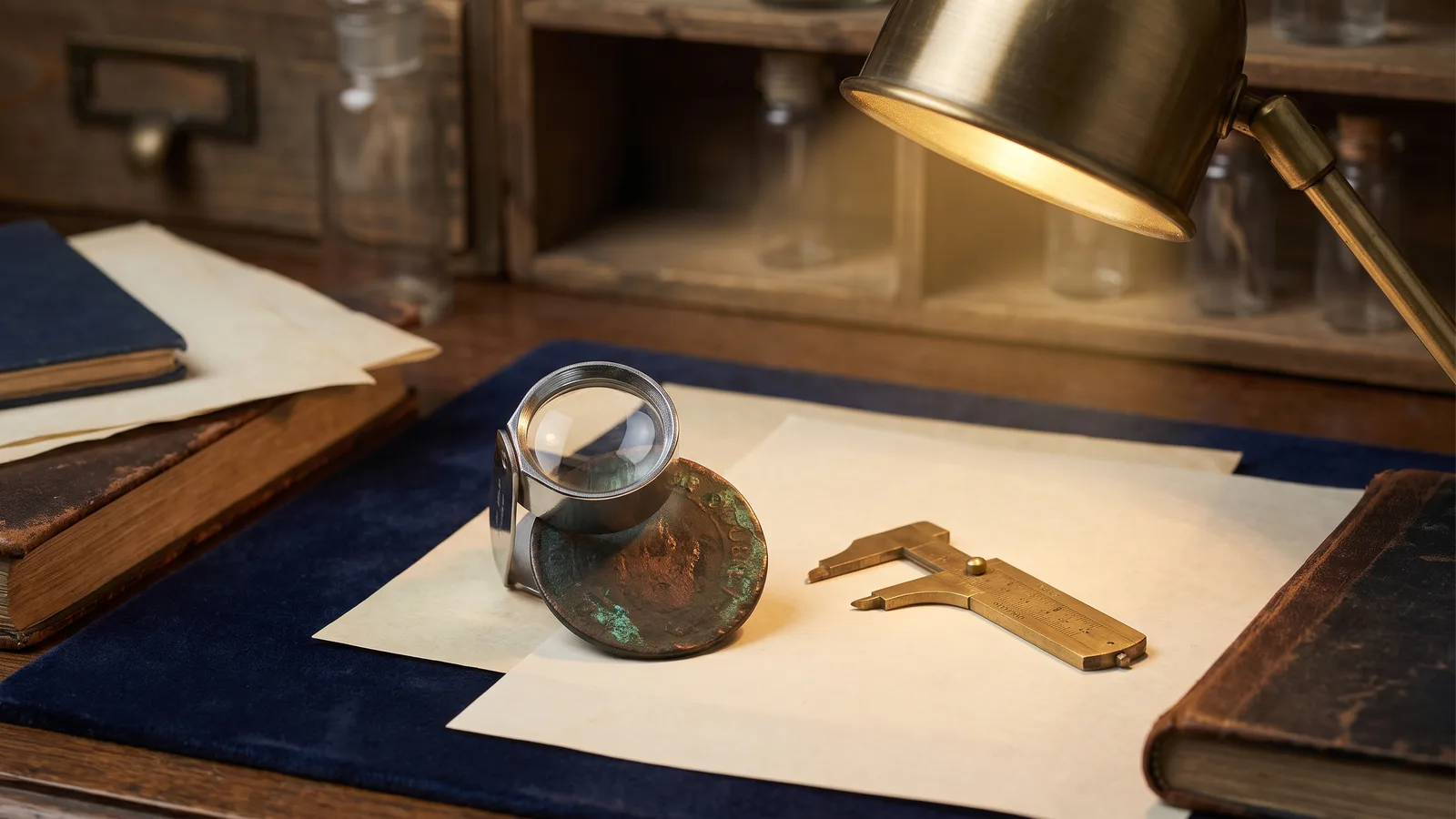
Key takeaways
- Most Civil War tokens are too inexpensive to fake, so counterfeiting concentrates on scarce varieties, sutler tokens, off-metal strikes, and high-grade pieces where value justifies the effort.
- The most common problems are cast copies (soft details, seams, wrong weight), tooled or altered surfaces, added or reworked devices, and artificially colored copper meant to fake original red mint color.
- A disclosed postwar restrike, mule, or off-metal is not a fake, but it must be represented honestly rather than sold as a genuine wartime rarity.
- Genuine tokens run about 19mm and are struck, so honest examples show crisp die detail, a clean struck edge, and no casting seams.
- For anything valuable, buy pieces graded by PCGS or NGC or have them examined by a trusted dealer or appraiser before you pay.
Where the Real Risk Sits
Faking concentrates where value is high enough to justify the work. A common patriotic token worth $15 to $40 is almost never worth counterfeiting, so the vast majority of everyday tokens you handle are genuine.
The exceptions matter. Scarce varieties (Fuld rarity R-6 and higher), sutler tokens issued to army regiments, off-metal strikes in silver or white metal, and top-grade pieces with full original red color can bring hundreds to thousands of dollars. That is where a fake, an alteration, or a misrepresented restrike pays off for a bad actor.
A single Fuld-number difference can move a $50 token to $500, so attribution fraud (passing a common variety as a rare one) is as much a threat as an outright counterfeit. Treat expensive and scarce pieces with more caution than common ones.
The Main Authenticity Problems, Defined

Most authenticity issues fall into four buckets: cast copies, tooling, added or altered devices, and artificial color. Knowing each by name helps you describe what you see and ask better questions.
A cast copy is made by pouring metal into a mold taken from a real token rather than striking it between dies. Casts betray themselves with soft, mushy detail, a grainy or pebbly surface, a faint seam around the edge where mold halves met, and often the wrong weight or a slightly bloated diameter.
A tooled or altered piece is a genuine token that someone reworked with tiny tools to sharpen a date, letter, or design element, or to hide a scratch. Look for unnatural flatness, metal pushed up at the edges of a device, and detail that is sharper in one spot than the surrounding field.
An added or altered device is a design element that was engraved or re-cut to imitate a scarcer variety, such as changing or strengthening a letter in a merchant name. This is how a common store card gets passed as a rare one.
Artificial color or retoning is chemical or heat treatment used to fake the original red (RD) mint color that commands large premiums on copper. Suspiciously even, unnatural orange or a color that sits on top of the surface rather than in it is a warning sign. For the broader picture on faked coinage, see how to spot fake coins.
Fake Versus Legitimate Restrike, Mule, or Off-Metal
Not everything unusual is a fake. A mule (a token struck from two dies never originally paired) and certain off-metal strikes are collectible and legitimate, as long as they are disclosed honestly.
After the war, some die owners and later restrikers deliberately produced mules and off-metal pieces in silver or white metal for collectors. Specialists prize these, and they trade openly. The problem is only when a postwar concoction is sold as a genuine wartime rarity at a wartime-rarity price.
The honest line is representation. A disclosed restrike described as a postwar piece is fine. The same piece sold as an original 1863 strike is deceptive. When a listing is vague about whether something is a wartime issue or a later creation, ask directly, and see Civil War token mules for how these pieces are cataloged and valued.
How to Examine a Token
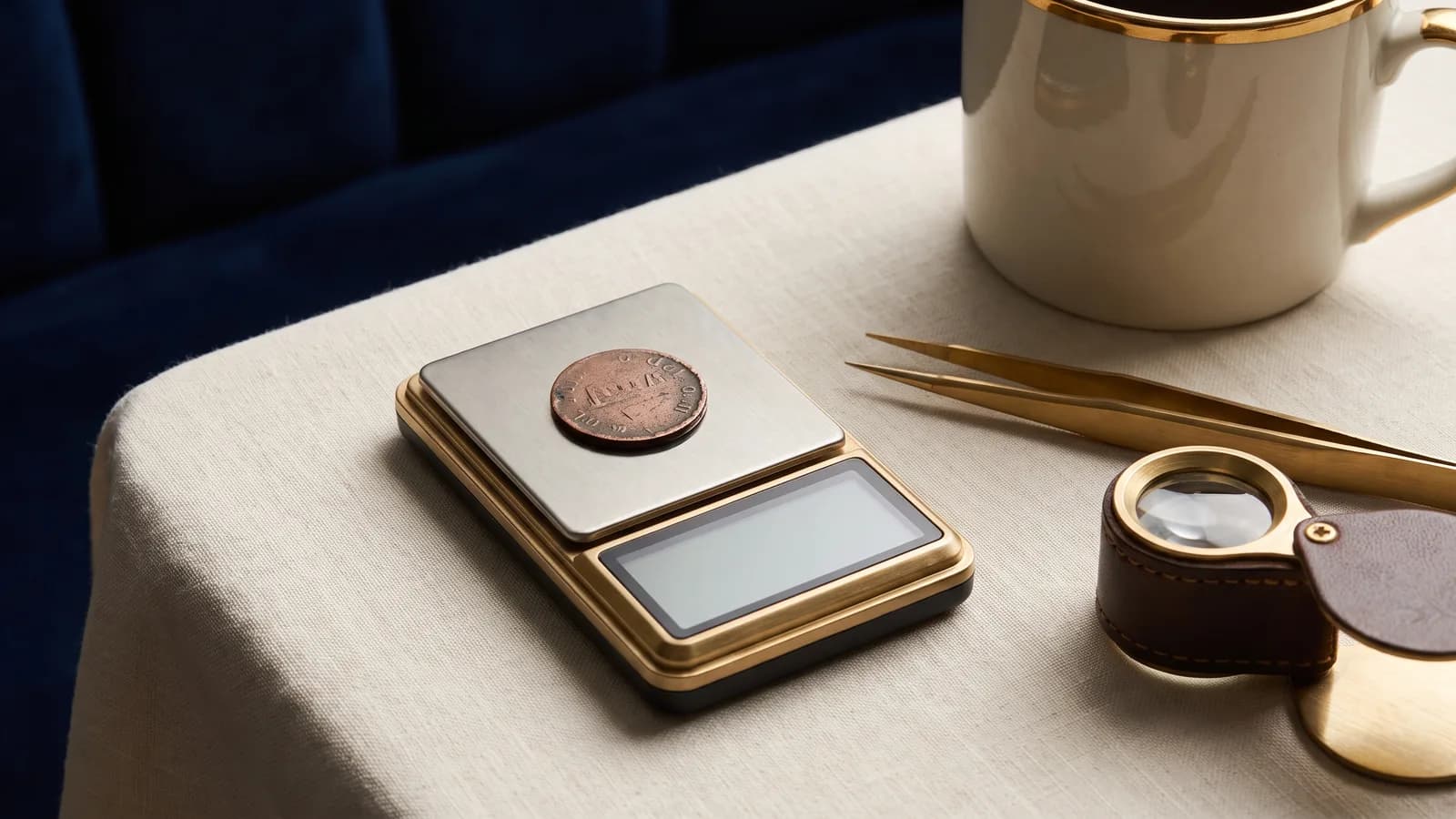
Start with the physical basics: size, weight, strike, edge, and surface under magnification. Genuine Civil War tokens are about 19mm, roughly the size of a small cent, and were struck, not cast.
Weigh and measure it. A weight far outside the norm for the metal, or a diameter noticeably over 19mm, points to a cast copy. Then look at the strike under a 5x to 10x loupe: real die work shows crisp, consistent lettering and fine detail, while casts and tooled pieces look soft or uneven.
Check the edge for a seam or file marks, which struck coins do not have. Scan the fields (the flat blank areas) for the grainy, porous texture typical of casting. Honest die polish lines and light contact marks are normal; a uniformly pebbled surface is not.
Honest Wear and Patina Versus Damage
Learn to separate honest wear and natural patina from corrosion, cleaning, and tooling, because the difference drives both authenticity and value. Honest wear is smooth and gradual on the high points; natural patina is a stable, even brown or red-brown surface that developed over decades.
Corrosion looks and feels different. Green or crusty spots, pitting, and porosity are environmental damage, not age, and they hurt value more than honest circulation wear does. A harshly cleaned token shows hairline scratches, an unnatural shine, or a washed-out look where the original patina was stripped.
Retoning is the attempt to hide cleaning or fake original color after the fact. If a copper surface shows bright red that seems painted on, or color that changes abruptly across the field, treat it with suspicion. For a deeper look at how surfaces change over time, see what is coin toning.
A Quick Authentication Checklist
Use this checklist as a first pass. It will not replace an expert on a four-figure piece, but it catches the most common problems before you buy.
| Problem type | What to look for | What to do |
|---|---|---|
| Cast copy | Soft detail, edge seam, grainy fields, wrong weight or diameter | Weigh and measure against ~19mm norms; reject if a seam is present |
| Tooled or altered | Unnatural flatness, metal pushed at device edges, uneven sharpness | Compare to reference images; get an expert opinion before paying |
| Added or altered device | Re-cut letters or a strengthened merchant name to fake a rare variety | Verify the Fuld attribution with a specialist or certification |
| Artificial color or retoning | Even, unnatural red that sits on the surface; abrupt color shifts | Prefer certified RD color; be skeptical of raw full-red claims |
| Corrosion or cleaning | Green crust, pitting, hairlines, washed-out shine | Grade honestly; expect a discount, not a rarity premium |
| Misrepresented restrike or mule | Vague listing about wartime versus postwar origin | Ask directly; require honest disclosure before you buy |
When to Rely on Certification and Experts
For anything valuable, buy pieces already graded by PCGS or NGC, or have a raw piece examined before you pay. Third-party grading authenticates the token, confirms the attribution, and assigns the color designation (BN, RB, or RD) that drives copper value.
The two major services are PCGS and NGC, and our overview of the top coin grading companies explains how they differ. For scarce or expensive raw tokens, a listed numismatic appraiser or a specialist dealer from the tokens and medals directory can give a second opinion before money changes hands.
If you are still unsure, do not buy under pressure. Walk away, ask for the token to be sent to PCGS or NGC as a condition of sale, or consult the Civil War Token Society, the specialty club that publishes the standard Fuld references. A calm second look costs nothing; a misattributed rarity can cost hundreds.
Frequently asked questions
Are most Civil War tokens fake?+
No. Most Civil War tokens are common and inexpensive, so they are rarely worth faking. Counterfeiting and misrepresentation concentrate on scarce varieties, sutler tokens, off-metal strikes, and high-grade pieces where the value justifies the effort.
How can I tell a cast copy from a real struck token?+
Real tokens were struck between dies and show crisp, consistent detail with a clean edge. Cast copies show soft or mushy detail, a grainy or pebbly surface, a faint seam around the edge, and often the wrong weight or a slightly oversized diameter.
Is a restrike or mule the same as a fake?+
No, as long as it is disclosed honestly. Mules and off-metal restrikes made after the war are legitimate and collectible. The problem is only when a postwar piece is sold as a genuine wartime rarity at a wartime price.
What size and weight should a Civil War token be?+
Genuine Civil War tokens are about 19mm, roughly the size of a small cent, and most are copper or bronze. A diameter well over 19mm or a weight far outside the norm for the metal suggests a cast copy.
Does certification matter for Civil War tokens?+
For anything valuable, yes. Grading by PCGS or NGC authenticates the token, confirms its Fuld attribution, and assigns the color grade that drives copper value. For common low-value pieces, certification often costs more than it adds.
What should I do if I am unsure about a token?+
Do not buy under pressure. Ask for the piece to be sent to PCGS or NGC as a condition of sale, get a second opinion from a listed appraiser or specialist dealer, or consult the Civil War Token Society before paying.