
How to Start Collecting Civil War Tokens
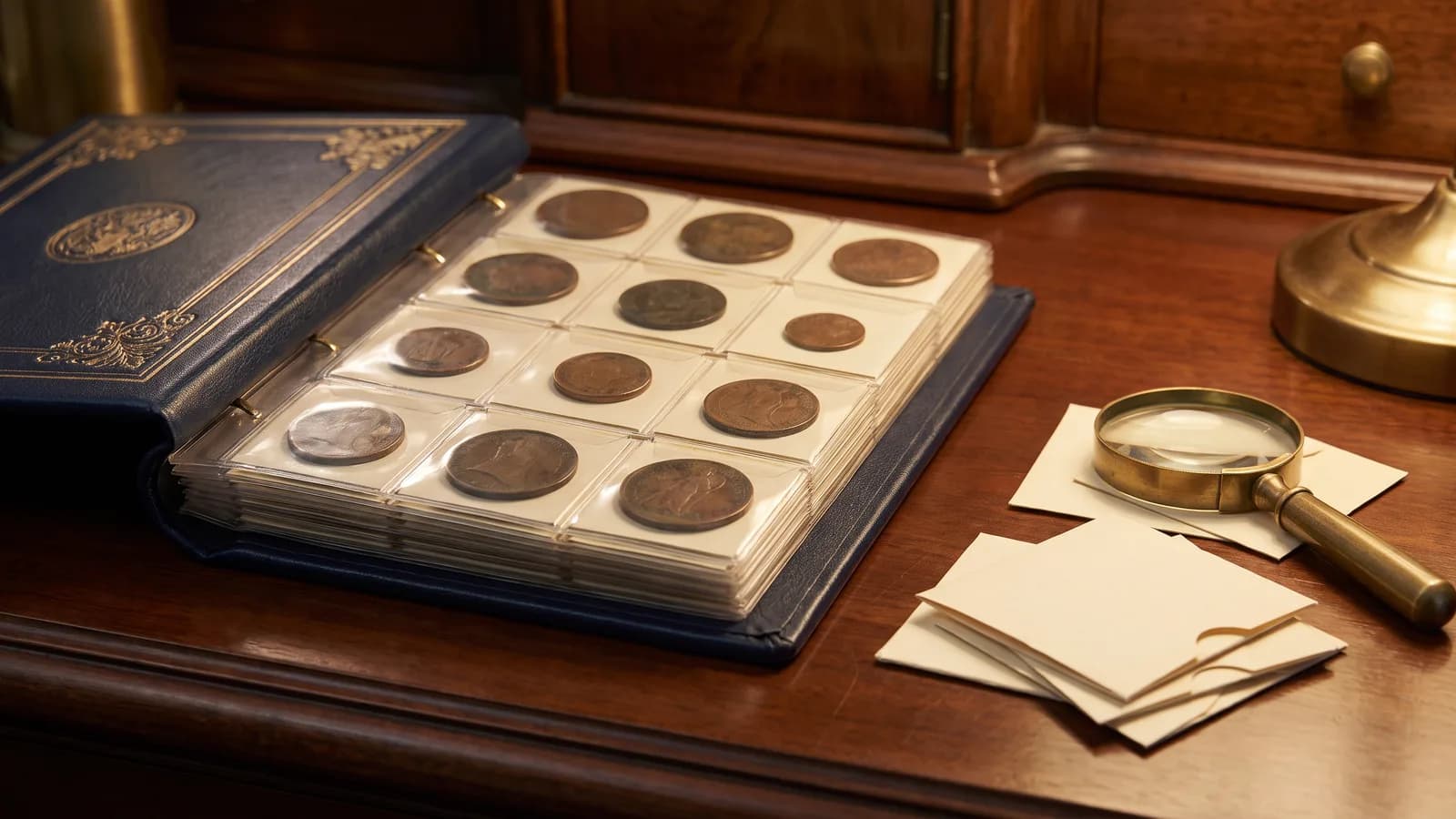
Collecting Civil War tokens is one of the most affordable and history-rich ways to start a serious numismatic collection. These privately minted, cent-sized pieces circulated across the North during the war, and common patriotic tokens and store cards still sell for about $15 to $40 in circulated grades. That low entry point buys a real 1860s artifact, not a reproduction. This guide walks through how to choose a focus, set a starter budget, find honest sellers, use the right references, judge condition, and store copper safely so your first pieces hold up.
Key takeaways
- Civil War tokens are one of the most affordable history-rich areas of collecting, with common patriotic tokens and store cards running about $15-$40 in circulated grades.
- The three types are patriotic tokens (a slogan or design, no merchant name), store cards (an advertised business), and sutler tokens (issued to army regiments and by far the rarest).
- Most tokens are copper, so color grades matter: BN (brown), RB (red-brown), and RD (red), with RD commanding large premiums.
- The Civil War Token Society and the Fuld reference books are the standard tools for attributing and pricing any token.
- Buy certified (PCGS or NGC) for anything expensive, and store copper tokens in inert holders at stable, moderate humidity to prevent corrosion.
Why Civil War Tokens Are a Good Place to Start
Civil War tokens combine documented history with a very low cost of entry, which is a rare pairing in coin collecting. A common piece in a circulated grade often costs less than a modern restaurant meal, yet it actually passed through hands during the war.
Civil War tokens are privately minted, roughly cent-sized pieces (about 19mm, mostly copper) that circulated in the North from about 1861 to 1864 as an unofficial substitute for the federal cent. People hoarded gold, then silver, then even the copper-nickel Indian Head cent, so small change vanished and merchants could not make change. Private die-sinkers filled the gap, striking an estimated 25 million tokens across roughly 7,000 to 8,000 or more varieties.
Because so many varieties exist and most survive in collectible grades, you can build a meaningful set on a modest budget while learning the deeper, scarcer end of the series over time. For the full background, see the pillar guide to Civil War tokens and the beginner's guide to coin collecting.
Pick a Focus Before You Buy
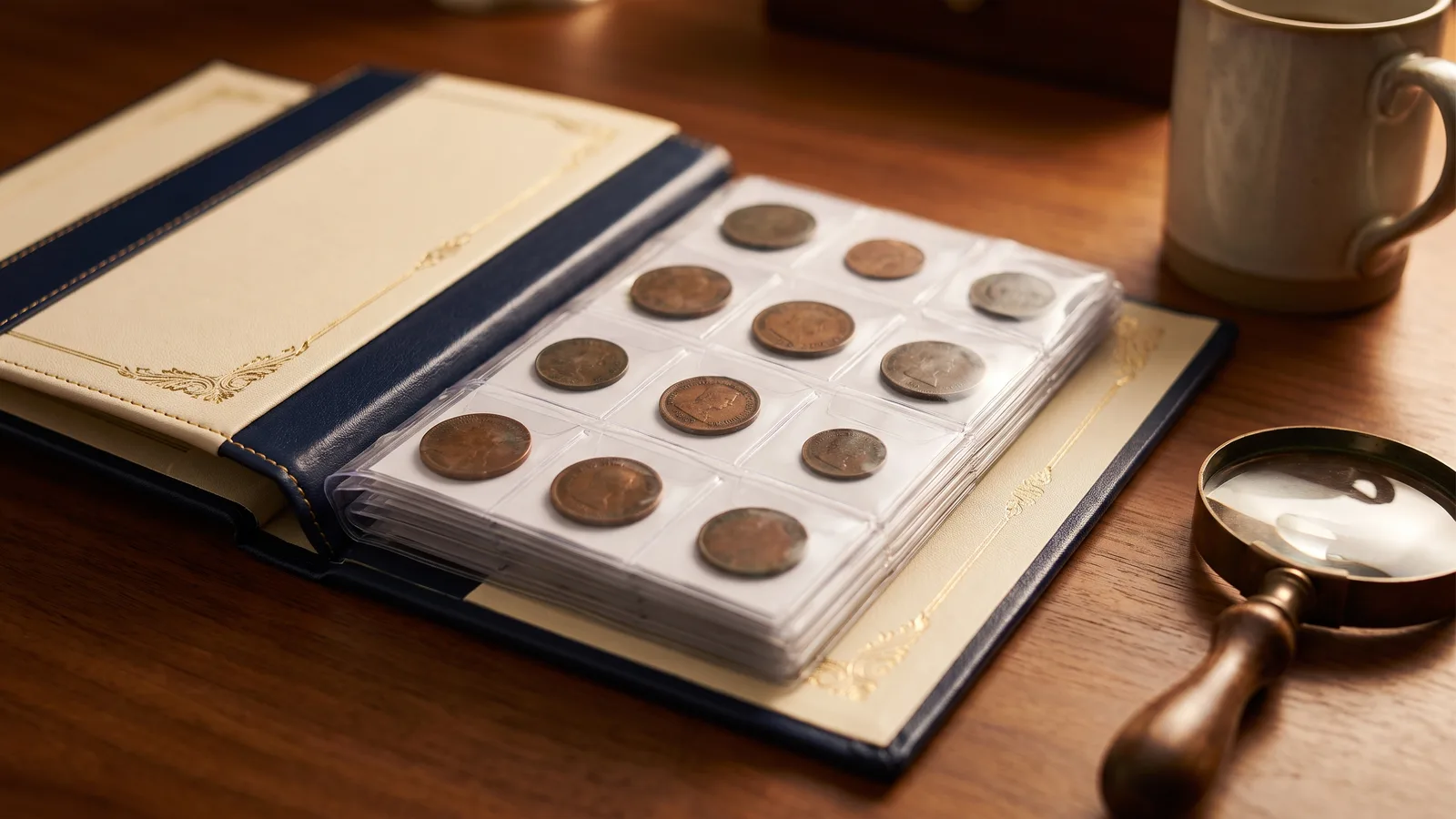
The fastest way to spend well is to choose a focus first, because Civil War tokens are far too broad to collect at random. Most collectors organize around type, theme, home state, or a single die.
A type set aims for one clean example of each major kind: a patriotic token (a slogan or design with no merchant name), a store card (a token that advertises a private business by name and city), and, budget permitting, a sutler token (issued to a licensed merchant attached to an army regiment, and by far the rarest of the three). A theme collection chases a single design idea, such as flags, eagles, or the well-known Dix tokens reading "SHOOT HIM ON THE SPOT." A home-state collection gathers store cards from your own state or city, which makes the hunt local and personal. A die specialist studies one obverse or reverse die and tracks every pairing it appears in.
The table below compares these approaches. None is wrong, and many collectors blend two. To sharpen your eye first, read how to identify Civil War tokens.
| Approach | What you collect | Main advantage | Starting budget note |
|---|---|---|---|
| Type set | One patriotic, one store card, one sutler if affordable | Broad overview with few pieces | About $40-$120 for patriotic plus store card; sutler far more |
| Theme | A single design idea (flags, eagles, Dix, peace themes) | Visual and story-driven | About $15-$40 per common piece |
| Home state | Store cards from your state or city | Local, personal, easy to research | Common cities $20-$60; scarce cities more |
| Die specialist | Every pairing of one obverse or reverse die | Deep expertise, strong resale story | Varies widely; some pairings are rare and costly |
Set a Starter Budget and Know What It Buys
A realistic starter budget of about $100 to $300 can build a small, genuine collection of five to ten common tokens. You do not need rarities to begin, and chasing them early is the most common way beginners overpay.
Common patriotic tokens and store cards (rarity R-1 to R-3) run about $15 to $40 in circulated grades. Attractive About Uncirculated or Uncirculated common types run about $50 to $150, and more when they show full red mint color. Scarcer varieties (R-6 and up), off-metal silver strikes, sutler tokens, and popular store cards climb into the hundreds or low thousands, so treat those as later goals rather than first buys.
One caution shapes every budget: attribution matters more than it looks. A single Fuld-number difference can move a $50 token to $500, so what you pay should track the exact variety, not just the design.
Where to Buy Civil War Tokens
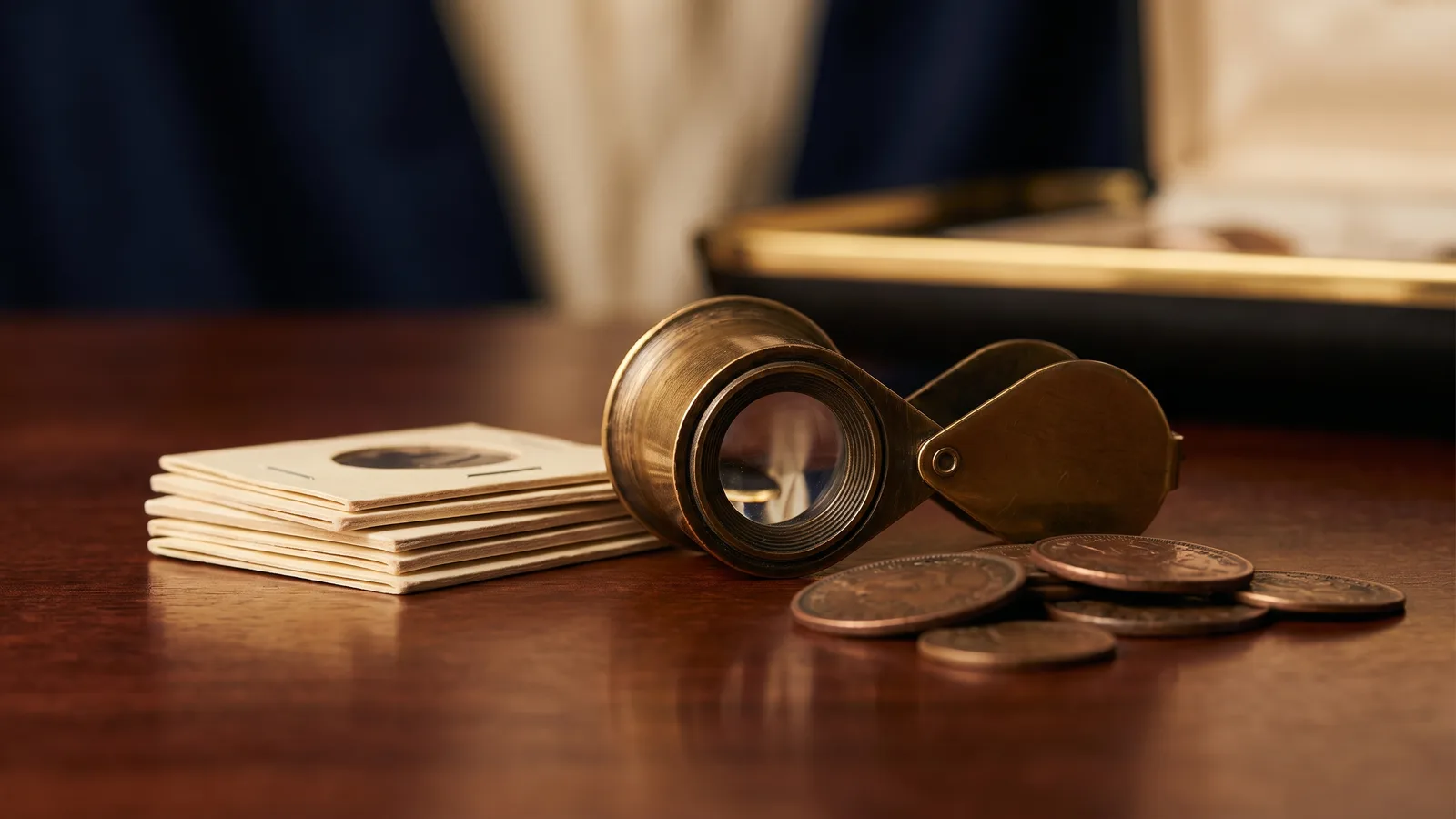
Buy from sellers who let you inspect the token and stand behind attribution: local coin shops, coin shows, established specialist dealers, major auctions, and vetted online sellers. For anything expensive, buy certified.
Local coin shops are a good first stop because you can hold a token, ask questions, and build a relationship. Use the coin shop directory to find dealers near you, and browse the tokens and medals directory for sellers who specialize in exonumia (coin-like items that are not official government money). Coin shows put dozens of dealers in one room, which is ideal for comparing grades and prices in person; see the guide to coin shows before you go. Major auction houses and established dealers are where scarcer varieties surface, and reputable online sellers work well once you know exactly what you are buying.
For any token in the hundreds of dollars or more, prefer pieces already graded by PCGS or NGC. Certification confirms authenticity and condition, which protects you from cleaned, corroded, or misattributed pieces that are hard to spot as a beginner.
Get the Standard References
Two resources do most of the work of attributing and pricing Civil War tokens: the Civil War Token Society and the Fuld reference books. Owning or accessing them turns a mystery token into a cataloged variety.
The Civil War Token Society, founded in 1967, is the specialty club for the series. It publishes the standard Fuld references, "Patriotic Civil War Tokens" and "U.S. Civil War Store Cards" (by Melvin and George Fuld), and maintains the rarity scale that runs from R-1 (more than 5,000 known) to R-10 (unique). Patriotic tokens are numbered by obverse and reverse die plus a metal letter, such as Fuld 207/409a, while store cards use a geographic code such as NY-630-BD. General numismatic education is available through the American Numismatic Association, and grading standards and population data live at PCGS.
You do not need every book on day one, but you should be able to look up any token you consider before you pay for it.
Check Grade and Condition Before You Buy
Judge color and surface condition before you judge wear, because on copper tokens a damaged surface hurts value more than honest circulation. Learn the color grades and the warning signs first.
Because most Civil War tokens are copper, third-party graders use color designations: BN for brown, RB for red-brown, and RD for red. Original red surfaces command large premiums, while brown is the most common and most affordable. Wear is normal and expected on a circulating token, but corrosion, porosity (a rough, pitted surface), and past cleaning are different problems that reduce value sharply. A token that looks unnaturally bright or has fine hairline scratches has often been cleaned, which specialists penalize.
For a fuller walkthrough of grades and how graders think, read how to grade Civil War tokens. When in doubt on an expensive piece, let a certified holder make the call for you.
Store Copper Tokens So They Last
Copper is reactive, so proper storage is not optional: keep tokens in inert holders at stable, moderate humidity and away from PVC. Poor storage can turn an original red token brown or, worse, corrode it.
Use holders made from inert materials such as Mylar flips, inert plastic capsules, or archival-quality 2x2 holders, and avoid soft vinyl flips that contain PVC, which breaks down and leaves a green residue on copper. Store the collection in a room with steady temperature and moderate humidity rather than a damp basement or a hot attic, and consider a sealed container with silica gel to buffer humidity swings. Do not clean tokens to make them look better, since cleaning removes original surface and lowers value.
For the general rules that apply across your whole collection, see how to store coins.
A Sensible First Purchase
A strong first buy is a common, attractively worn patriotic token in the $15 to $40 range with clear, corrosion-free surfaces. It teaches you the series without financial risk.
A Dix token is a good example. These are mostly common (rarity R-1) in copper, with circulated pieces around $10 to $40 and choice Uncirculated examples around $150 to $250. Buying a nice circulated Dix token lets you handle real 1860s copper, practice reading the design and legend, and confirm your storage setup before you spend more. From there, add a store card from your home state, then a second design theme, and only later reach for a scarcer variety once you can attribute confidently.
Start small, learn the references, and let certification carry the risk on expensive pieces. That approach turns a modest budget into a collection you understand and can defend.
Frequently asked questions
How much money do I need to start collecting Civil War tokens?+
About $100 to $300 is enough to build a small collection of five to ten common tokens. Common patriotic tokens and store cards run about $15 to $40 in circulated grades, so you can begin without buying rarities.
Are Civil War tokens legal to own?+
Yes. Issuing private one-cent tokens became a federal crime in 1864, which ended production, but owning and collecting them has always been legal. They are not legal tender today.
What is the difference between a patriotic token and a store card?+
A patriotic token carries a slogan or design (a flag, an eagle, or a phrase such as "The Union Must and Shall Be Preserved") and no merchant name. A store card advertises a private business by name and city. Sutler tokens, issued to army regiments, are the rarest type.
Should I buy certified or raw Civil War tokens?+
Raw (uncertified) common tokens are fine for beginners because the cost is low. For anything in the hundreds of dollars or more, buy pieces graded by PCGS or NGC to confirm authenticity, condition, and that the token has not been cleaned or corroded.
Why does color matter on Civil War tokens?+
Most tokens are copper, so graders assign a color: BN (brown), RB (red-brown), or RD (red). Original red surfaces command large premiums, while brown is the most common and affordable. Proper storage helps preserve whatever color a token has.
How do I find out exactly which token I have?+
Use the Fuld reference books and the Civil War Token Society rarity system. Patriotic tokens are numbered by obverse and reverse die, and store cards use a geographic code by state, city, and merchant. A single number difference can change the value significantly.