
Hard Times Store Cards: Merchant Tokens of the 1830s
A Hard Times store card is a merchant advertising token, struck in copper from about 1832 to 1844, that names a private business by its shopkeeper, trade, and city and passed hand to hand as an unofficial one-cent piece. Merchant Hard Times tokens like these did double duty during the era's coin shortage: they gave customers change and advertised the shop with every transaction. Common merchant cards commonly sell for about $20-$60 in circulated grades, with scarcer merchants and cities worth more. This guide explains what store cards are, why merchants made them, how they differ from the political tokens, and how they are cataloged and collected.

Key takeaways
- A Hard Times store card is a merchant advertising token from about 1832 to 1844 that carries a business name, trade, and city, and circulated by public acceptance as a one-cent substitute.
- Merchants issued them for two reasons at once: to supply scarce small change during the coin shortage and to advertise the shop every time the piece changed hands.
- Store cards differ from political tokens by naming a real business; political tokens satirize Jackson, Van Buren, or the Bank and carry no merchant name.
- They are cataloged with Lyman Low (L-#) and Russell Rulau (HT-#) numbers and attributed by the named merchant and city.
- Common merchant cards in circulated grades commonly run about $20-$60; scarce merchants and cities can reach the hundreds or more.
What Is a Hard Times Store Card?
A Hard Times store card is a privately made merchant token that advertises a specific business by name, trade, and city. It is one of the two main branches of the Hard Times token series, the other being the political and satirical pieces.
Like most Hard Times tokens, store cards were struck in copper, roughly the size of the contemporary U.S. large cent (about 28 to 29mm), and circulated by public acceptance at one cent. They were never legal tender. A typical card reads with the merchant's name and business on one side, for example a hatter, a druggist, or a coffee house, along with the street and city, and often a design or the year.
The term store card describes the function rather than a shape: the token was a small, durable advertisement that a customer carried in a pocket and spent again elsewhere. Collectors also call these tradesman's cards. The broader series is surveyed in the Wikipedia entry on Hard Times tokens.
Why Merchants Issued Store Cards
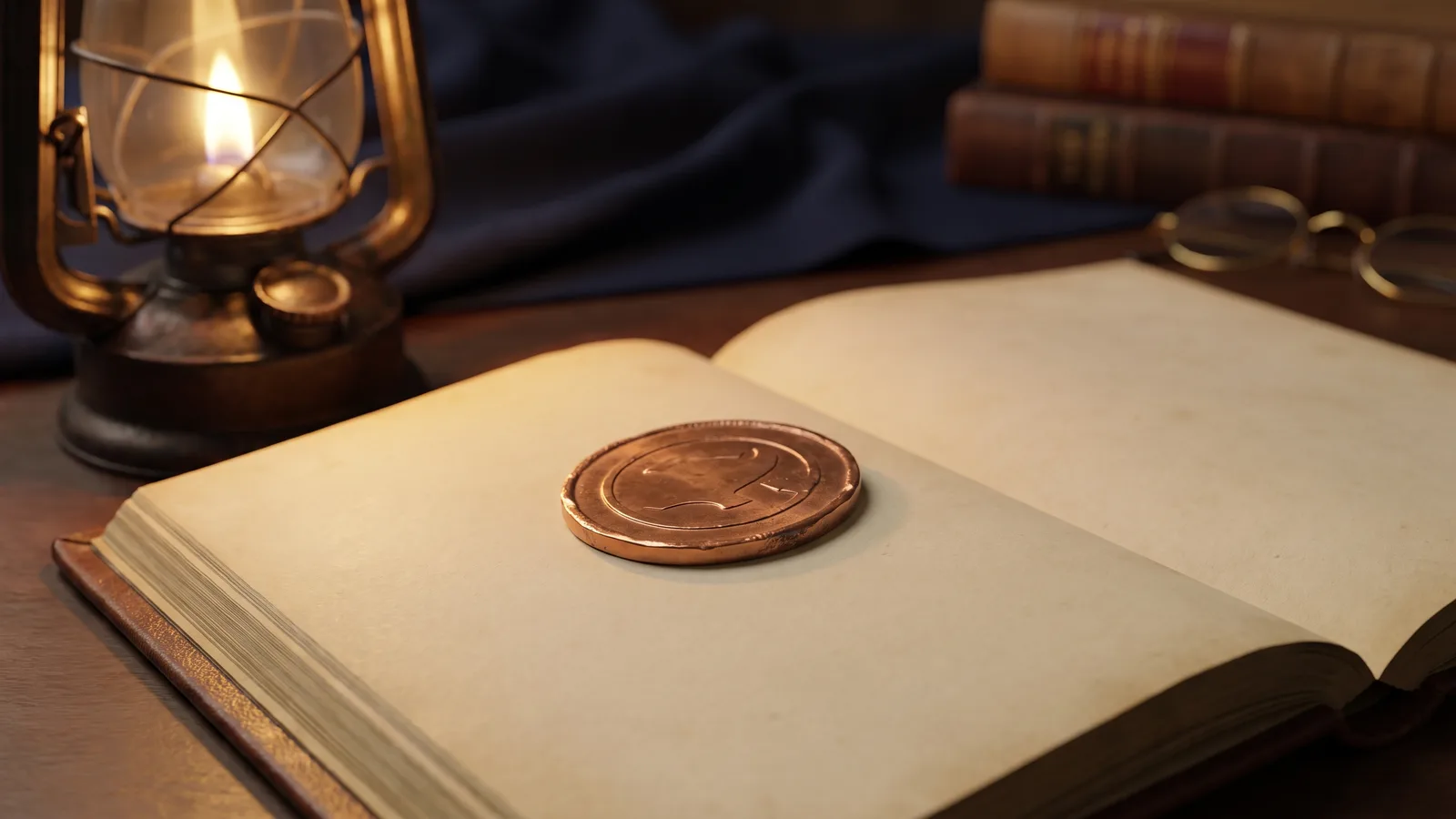
Merchants issued store cards for two reasons at once: to supply the small change that had vanished during the coin shortage, and to advertise the business every time the token changed hands. Both motives came out of the Hard Times economy of the late 1830s.
President Andrew Jackson's fight over the Second Bank of the United States, followed by the Specie Circular of 1836 and the Panic of 1837, drove hard coin out of everyday circulation as people hoarded gold and silver. For the full political background, see our guide to Andrew Jackson and the Bank War. With federal cents scarce, button and medal makers who already had presses began striking cent-sized tokens on order.
A shopkeeper could commission a batch cheaply, hand them out as change, and know that each one carried the shop's name across town. The advertising outlasted the transaction, which is why so many store cards survive with heavy wear from years of use.
Store Cards vs Political Tokens
The quickest way to tell a store card from a political token is to look for a merchant name. Store cards name a real business; political tokens carry slogans and satire but no shop.
Political Hard Times tokens attack or mock Jackson, Van Buren, and the Bank, often imitating the large cent's Liberty head while reading NOT ONE CENT to give legal cover against laws on copying federal coin. Store cards instead sell a service. The two branches overlap in metal, size, and era, so many collections include both. The table below summarizes the split.
| Feature | Store cards | Political tokens |
|---|---|---|
| What is on them | Merchant name, trade, city | Slogans, satire, no merchant |
| Why issued | Change plus advertising | Political comment, protest |
| Names a business | Yes | No |
| Typical circulated value | About $20-$60 common | About $20-$60 common, scarce satires higher |
Which Trades and Cities Issued Them
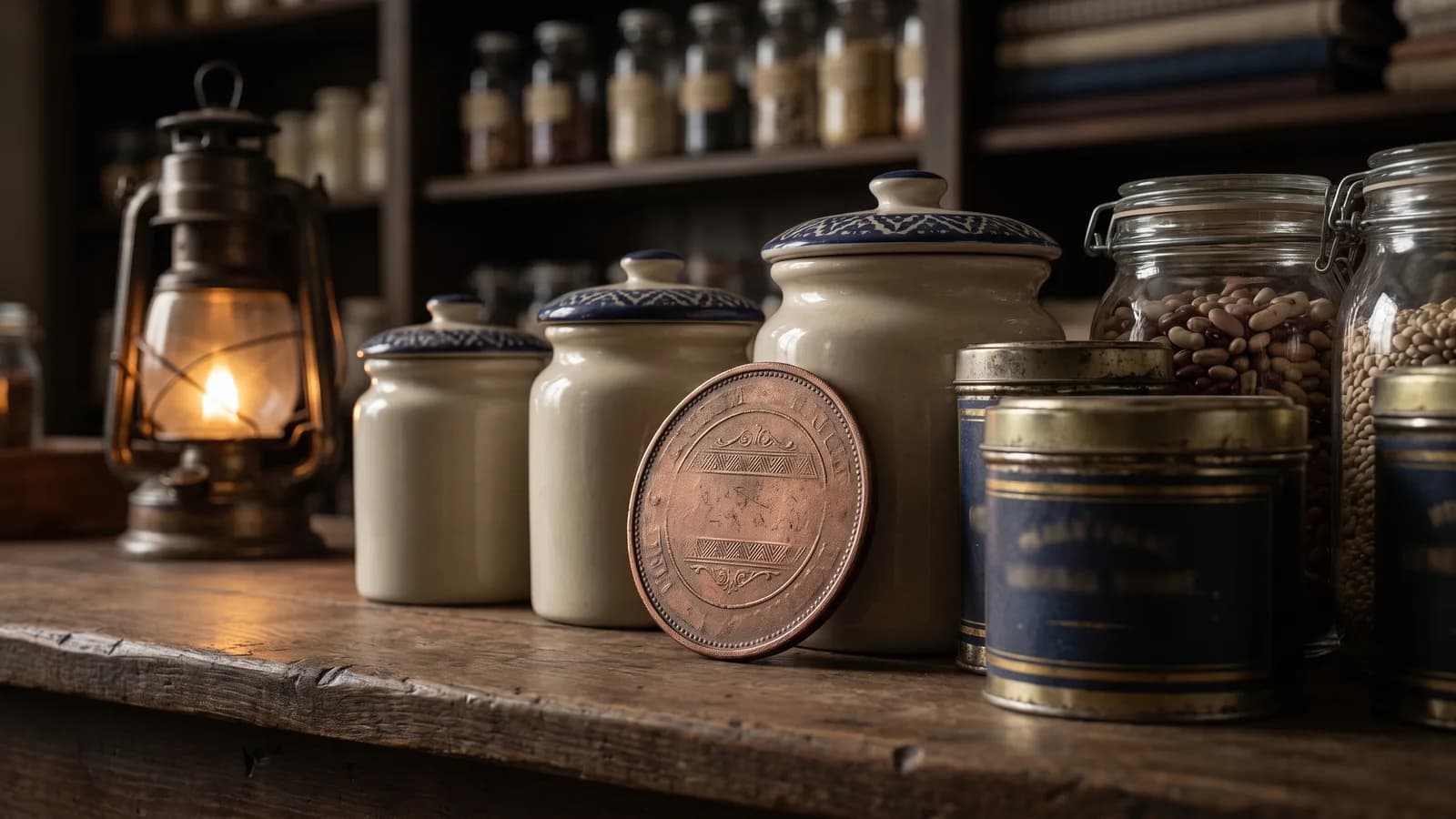
Store cards came mostly from merchants in Northeastern cities, with New York City especially well represented. Boston, Albany, Troy, and other commercial centers also produced them.
The trades reflect the retail economy of the period. Common issuers include hatters, druggists and apothecaries, grocers, hardware and stove dealers, dry goods sellers, coffee houses, and makers of goods such as combs, umbrellas, and clothing. Some of the most active issuers were themselves die sinkers and medalists who advertised their own engraving work on the tokens they struck.
Because the pieces name a street and city, they double as a snapshot of urban commerce in the 1830s and 1840s. That local detail is a large part of why collectors pursue them by place. Coin shops that handle tokens can be found through our directory of medals and tokens dealers.
How Store Cards Are Cataloged and Attributed
Store cards are cataloged and attributed by two things: the standard reference numbers and the named merchant. Numismatists cite them with Lyman Low numbers (L-#) and Russell Rulau numbers (HT-#).
Lyman H. Low first organized the Hard Times series in his 1899 reference, listing 183 types. Russell Rulau later expanded the work and assigned the HT numbers that are now the common standard, which is why many pieces are quoted with both an L number and an HT number. If you are working from a raw token, our walkthrough on how to identify a Hard Times token shows how to read the legends and match them to a catalog.
Attribution for a store card starts with the merchant. Because the name, trade, and city are printed on the piece, you can usually search a reference or an auction archive by the merchant name to find the L and HT numbers, the die varieties, and a rough rarity. Grading services such as PCGS also list many Hard Times types by their catalog numbers. Never assume a number; verify it against the actual legends on your token.
The Bridge to Civil War Store Cards
Hard Times store cards are the direct ancestors of the Civil War store cards struck two decades later. The same idea, a merchant advertising token that also served as change, returned when small coin again disappeared during the Civil War.
The main difference is size, because each series imitated the federal cent of its own time. Hard Times store cards are large-cent sized at about 28 to 29mm, while Civil War store cards are small-cent sized at about 19mm. For a fuller comparison of the two eras, see Civil War tokens vs Hard Times tokens.
Collectors who like the merchant angle often work both series together, tracing how private tokens filled the gap whenever official change ran short. The American Numismatic Association offers background reading and resources for both eras.
What Hard Times Store Cards Are Worth
Common merchant store cards commonly run about $20-$60 in circulated grades such as Fine to Very Fine. Nicer About Uncirculated to Uncirculated common types often bring about $75-$250, with more for strong surfaces or original color.
Scarcer merchants, unusual cities, and better die varieties climb into the hundreds, and a few genuine rarities go higher. As with all copper, condition and color drive price: brown, red-brown, and red surfaces are valued in that ascending order, and problem-free surfaces matter as much as the assigned grade. To understand how those factors combine, see how coin prices are determined.
Treat any single figure as a starting point, not a quote. A local appraiser can weigh grade, variety, and eye appeal on your specific piece; use our directory of numismatic appraisers to find one.
Collecting Angles: By City and By Trade
Two of the most popular ways to collect store cards are by city and by trade. Both turn a large, loosely defined series into a focused, affordable set.
A city collection gathers every merchant token from one place, which appeals to collectors of local history and can often be built at modest cost from common pieces. A trade collection instead assembles one occupation, such as druggists or hatters, across many cities. Others collect by die sinker, chasing the engravers who signed their work. Any of these narrows the field enough to make real progress without chasing five-figure rarities.
If you are just starting, read our beginner's guide to Hard Times tokens and buy the best-preserved common cards you can afford before reaching for scarce merchants.
Frequently asked questions
What is a Hard Times store card?+
It is a merchant advertising token from about 1832 to 1844 that names a business, its trade, and its city, and circulated as an unofficial one-cent piece during the coin shortage of the Hard Times era.
How is a store card different from a political Hard Times token?+
A store card names a real business and advertises it. A political token carries slogans or satire aimed at Jackson, Van Buren, or the Bank and does not name a merchant. Both share the same copper metal, size, and era.
How much is a Hard Times store card worth?+
Common merchant cards commonly sell for about $20-$60 in circulated grades, and roughly $75-$250 in higher grades. Scarce merchants, cities, and varieties can reach the hundreds or more. Color and surface quality strongly affect price.
What do L and HT numbers mean on a store card?+
L numbers come from Lyman Low's reference and HT numbers from Russell Rulau's later expansion. Both identify a specific type, and many pieces are quoted with both. Verify the numbers against the actual legends on your token.
Are Hard Times store cards legal to own?+
Yes. They were privately made and never legal tender, but owning, buying, selling, and collecting them is completely legal today.
Where were most store cards made?+
Most came from merchants in Northeastern cities, with New York City especially prominent, along with Boston, Albany, Troy, and other commercial centers.